While the climbing world often celebrates the reach and leverage afforded by greater stature, a cadre of exceptionally talented individuals consistently defies this convention, proving that height is merely one variable in the complex equation of ascending vertical terrain. Far from being a disadvantage, a shorter stature can, in fact, foster a unique set of skills and a distinct approach to problem-solving on the rock, as evidenced by a growing number of elite climbers. This article delves into the strategies, techniques, and mindset that enable shorter climbers to not only compete but excel in a sport where inches can seemingly dictate possibilities.
The 5’2" Club: Redefining Climbing Excellence
The notion that shortness is an impediment to climbing prowess is rapidly becoming an outdated stereotype, largely due to the groundbreaking achievements of climbers who stand at or below 5’2". Among these luminaries is Lynn Hill, a pioneer whose ascent of El Capitan’s Nose route in under 24 hours in 1993 remains an iconic moment in climbing history. Hill, who possesses a negative ape index (meaning her arm span is shorter than her height), famously stated in her memoir, "Climbing Free," that "height has nothing to do with it; it is your strength that counts." This philosophy has resonated with countless climbers, inspiring them to focus on the physical and mental attributes that truly define success.
More recent examples further solidify this paradigm shift. Emily Harrington, known for her daring free-solo of El Capitan and her speed ascent of the Golden Gate route (5.13b) on El Capitan, stands at a modest 5’2". Her ability to tackle such monumental walls with remarkable speed and grace underscores the power of technique and determination. Similarly, Sasha DiGiulian, a celebrated sport climber and big wall free climber, also measures 5’2". Her impressive resume, which includes numerous challenging ascents around the globe, demonstrates that extreme verticality is not a prerequisite for elite-level performance. Michaela Kiersch, who has made history by being the first woman to ascend both V15 boulder problems and 5.15 sport routes, is an inch shorter than the author, further emphasizing that the physical limitations often associated with shortness are often self-imposed or based on outdated assumptions.
While statistically fewer male climbers are found at the 5’2" mark, the climbing community does boast several prominent "short kings" who have achieved remarkable feats. Connor Herson, renowned for freeing The Nose and achieving his 50th 5.14 ascent before his 18th birthday, stands around 5’6" to 5’7". Olympic speed climber Colin Duffy also measures 5’7", showcasing the adaptability of shorter individuals to high-intensity climbing disciplines. Even Yvon Chouinard, the legendary founder of Patagonia and a pioneering figure in outdoor sports, is noted to be around 5’4" on a good day, proving that a shorter stature has not hindered visionary leadership or athletic achievement.
Strategies for Short Ascenders: From Beta to Gear
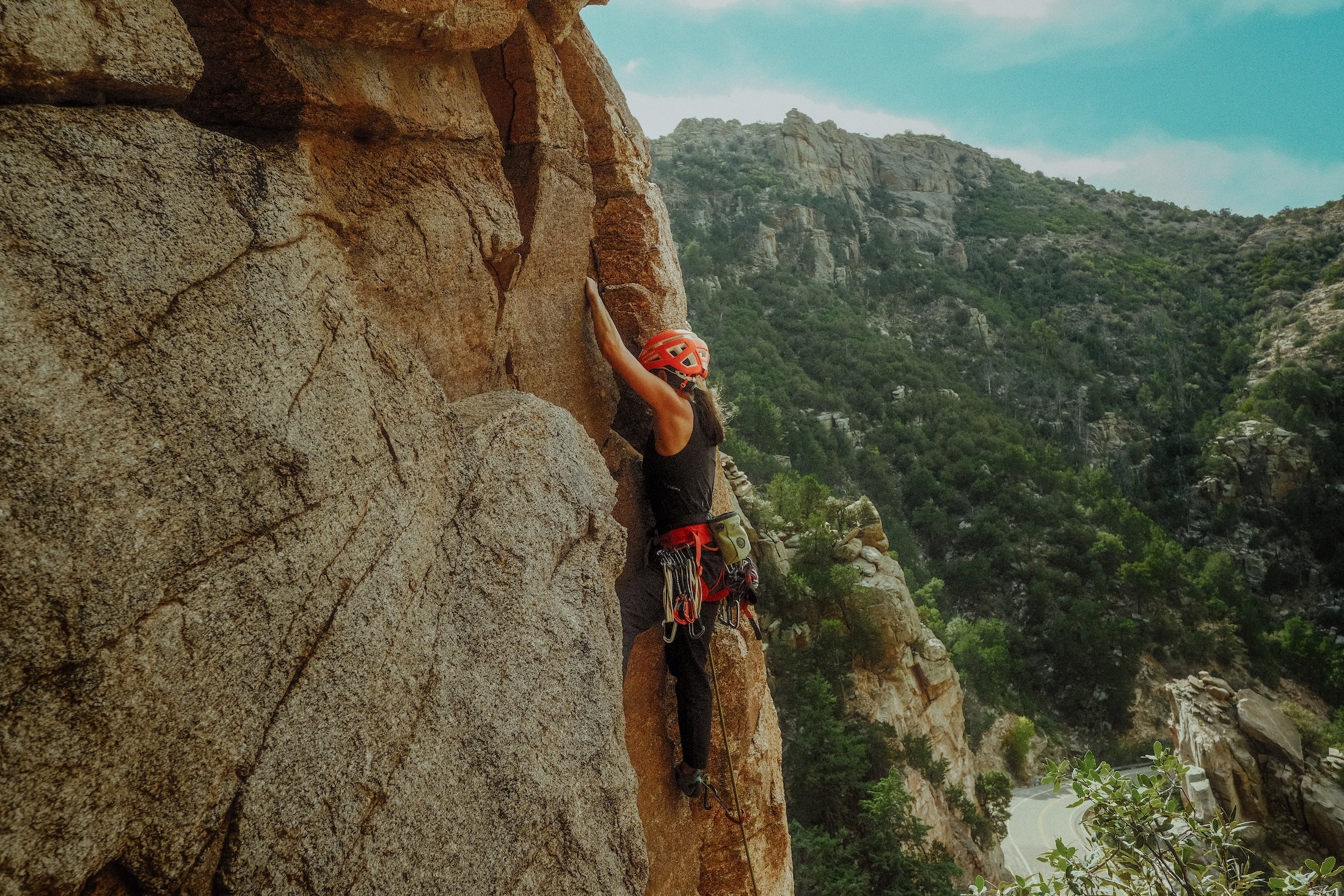
The success of these climbers is not accidental; it is the result of a deliberate cultivation of specific skills and a keen understanding of how to leverage their physical attributes. The author, a 5’2" climber herself, has compiled a comprehensive guide to these strategies, drawing insights from elite athletes and experienced climbers.
1. The Art of Creative Beta: Rewriting the Route
One of the most significant challenges for shorter climbers is navigating routes established by taller individuals. Often, the "beta" – the sequence of moves recommended for a climb – is based on the reach and body positioning of someone significantly taller. The key for shorter climbers is to disregard this default beta and develop their own. This involves a more intricate and often more dynamic approach to movement. As demonstrated in visual comparisons of climbing styles, a 5’2" climber might employ high steps, dynamic lunges, and inventive body positioning to bridge gaps that a taller climber can simply reach across. This requires a deep understanding of body mechanics, flexibility, and the ability to generate power from seemingly awkward positions. The emphasis shifts from simply reaching a hold to ingeniously connecting a series of smaller movements and utilizing available micro-holds to achieve the same objective.
2. Mastering Essential Footwork: The Drop Knee and Heel Hook
The foundation of efficient climbing for any stature lies in masterful footwork, and for shorter climbers, certain techniques become paramount. The "drop knee," a move where one knee is dropped inward and downward while the other leg remains straight or slightly bent, is a crucial technique for gaining leverage and stability. This allows the climber to rotate their hips closer to the wall, effectively shortening the distance to handholds and conserving energy. Alison Osius, a former competitive climber and editor, highlights how the drop knee allows a climber to "hang on with their foot, lock into the wall, and more efficiently use hand holds." This technique, when executed with precision, can significantly expand a climber’s reach and control.
Complementing the drop knee are "heel hooks" and "toe hooks." A heel hook involves using the back of the shoe to pull on an edge, creating tension and allowing the climber to bring their hips closer to the wall. This is particularly useful on overhanging terrain or when needing to maintain body tension. Toe hooks, conversely, involve using the front of the shoe to pull on features, offering a different type of leverage and stability. These advanced footwork techniques are not merely supplemental; they are fundamental tools for creating body tension, generating power, and maintaining a stable connection to the rock, enabling shorter climbers to overcome reach limitations.
3. Embracing Dynamic Movement: The Power of the Dyno
When static movement falls short, dynamic climbing, or "dynoing," can be a game-changer. A dyno is essentially a controlled jump from one hold to another. While it requires confidence and a well-developed sense of timing and power, it can unlock sequences that would otherwise be impossible. Pro climber Carlo Traversi suggests that shorter climbers should explore dynamic movement to expand their options and improve efficiency. However, he emphasizes a gradual approach, recommending that climbers build this skill incrementally, starting with small dynamic movements on easier terrain or toprope before attempting larger jumps. The goal is to increase the effective reach and open up more hold possibilities without compromising safety.
4. The High Step and Micro-Hold Mastery
For those who prefer a more controlled ascent, the "high step" can be an effective alternative to a dyno. This involves precisely placing the foot on a higher hold, often a small edge, and using leg strength to rise. Matt Samet, a 5’6" climber and former editor, advocates for a series of micro-foot placements rather than a single dramatic high step. This strategy allows climbers to inch their feet up gradually, utilizing tiny footholds to gain the necessary height to reach the next handhold, all while maintaining grip on the current one. The effectiveness of this technique is significantly enhanced by stiff climbing shoes designed for edging, providing the necessary support and precision on diminutive holds.
5. Fortifying Finger Strength: The Quantitative Edge
Research by Lattice Training, conducted by Tom Randall and Ollie Torr, has provided quantifiable data on the physical demands placed on shorter climbers. Their assessment of 500 climbers revealed that shorter individuals require proportionally stronger fingers to compensate for their reduced reach. Specifically, for every 10 centimeters of height deficit, finger strength needs to increase by approximately 2.5%. For a 5’2" climber, this translates to needing about 5% stronger fingers than a 5’9" counterpart to achieve equivalent performance. This finding underscores the importance of targeted hangboard training and finger strength development as a crucial component of a short climber’s regimen.
6. Specializing in Challenging Holds: The Art of the Grip
While taller climbers may have the luxury of choosing larger, more positive holds, shorter climbers often find themselves working with a wider variety of grips. This necessity can become a significant advantage. Pro climber Katie Lambert, who stands at 5’0", emphasizes training her hands to excel on smaller crimps, difficult slopers, and awkward underclings. By dedicating training time to mastering these less forgiving holds, short climbers develop a superior grip strength and technique that can be applied to any route, regardless of its hold quality. This specialization allows them to efficiently utilize the often-overlooked features of a climbing wall.
7. Strategic Route Selection: Avoiding the "Reachy" Trap
A pragmatic approach for any climber is to intelligently select routes that suit their physical attributes. For shorter climbers, this often means identifying and avoiding climbs described as "reachy" or those where comments on climbing forums specifically mention difficulty for shorter individuals. In the gym, this translates to choosing routes that appear to have been set with a more moderate height range in mind. This is not about avoiding challenge, but about optimizing the climbing experience and ensuring that the primary obstacles are technical and strategic, rather than purely physical reach limitations.
8. Embracing Crack Climbing: The Great Leveler
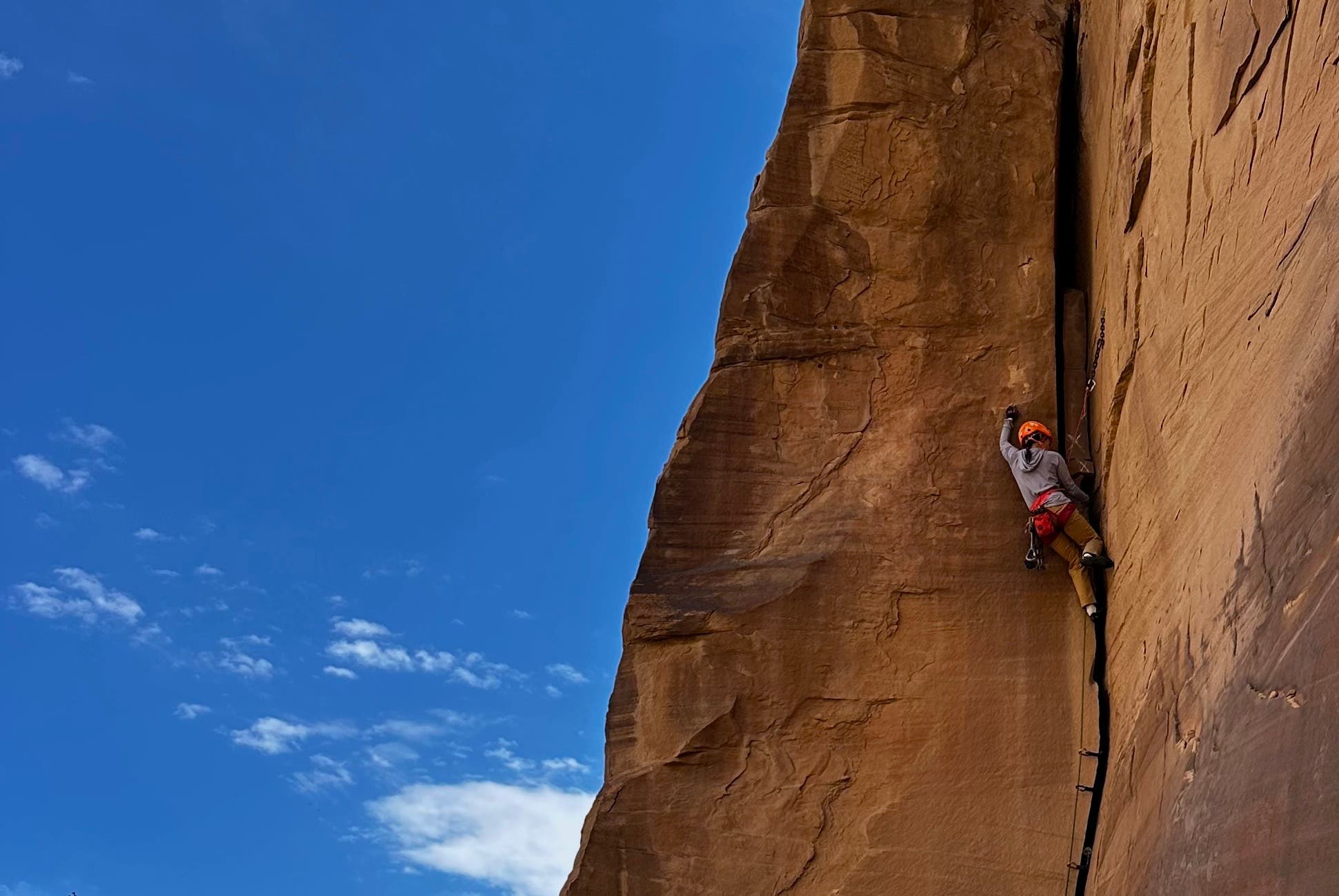
Crack climbing presents a unique environment where height often plays a less significant role. While shorter climbers may need to make more total jams to ascend a crack, the fundamental mechanics of jamming hands and feet into the rock’s fissures can be less dependent on sheer reach. In fact, certain crack sizes, particularly those that resemble chimneys, can even offer an advantage to shorter individuals. The author notes a personal affinity for crack climbing, attributing it to the absence of out-of-reach holds and the reduced reliance on extreme finger strength, making it a more equitable discipline.
9. The Trad Advantage: Control Over Protection
The embrace of crack climbing often leads to traditional (trad) climbing, a discipline that can also be highly favorable to shorter climbers. In trad climbing, climbers place their own protection (cams and nuts) as they ascend. This grants them greater control over their placement, allowing them to circumvent the issue of poorly placed bolts by taller route developers. Mary Eden, a 5’0" crack climbing expert, prefers trad climbing precisely for this reason, stating that it allows her to manage her protection rather than being subject to potentially hazardous runouts. This autonomy over gear placement can significantly reduce the anxiety associated with routes that might otherwise feel insecure due to reach.
10. The Pursuit of Efficiency: Climbing Smart, Not Just Hard
Given that shorter climbers may inherently make more moves to ascend a given vertical distance, efficiency becomes a critical factor in preventing fatigue. This involves not only moving with relative speed but also optimizing every movement. Maintaining straight arms to rest on, focusing intently on footwork, and strategically employing calculated rests are all vital components of efficient climbing. The goal is to minimize unnecessary exertion and maximize the effectiveness of each action, thereby staving off the dreaded "pump" (muscle fatigue).
11. Specialized Gear: The Kong Panic and Mid-Route Stick Clips
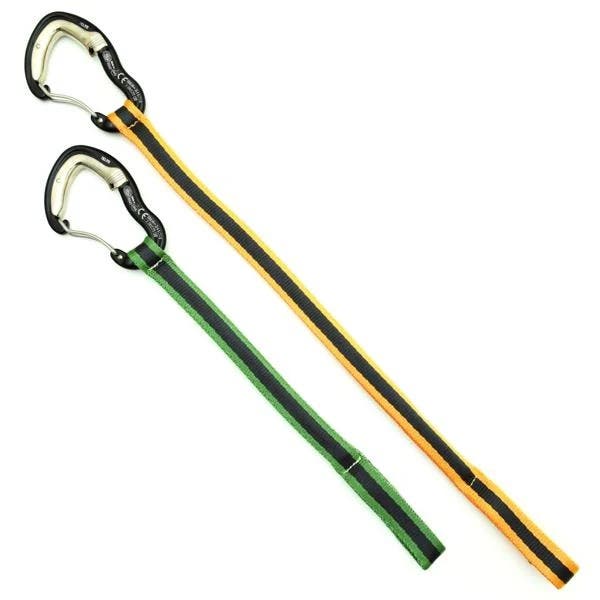
The climbing gear industry has begun to innovate solutions specifically addressing the challenges faced by shorter climbers. The Kong Panic quickdraw is a prime example. Its extended, rigid dogbone (the sling connecting the carabiners) significantly increases the reach available for clipping bolts, making it easier to secure protection on sport routes. Available in 30cm and 45cm lengths, it can make a crucial difference in managing runouts and reaching distant bolts.
Furthermore, mid-route stick clips offer an even more extended reach for clipping. While their use can be debated, these devices, designed to be attached to a harness, can be invaluable for projecting difficult routes with awkward crux bolts or for situations where a climber is the designated "rope gun" for their group. Reviews of products like the Magic Wand and the Small Stick highlight their potential to transform the sport climbing experience for those who struggle with clipping height.
12. The Foundation of Footwear: Stiff Edging Shoes
As previously mentioned, the choice of climbing shoe can profoundly impact a shorter climber’s performance. Stiff shoes designed for edging provide the necessary support to power upward with calf muscles, effectively "turbocharging" the foot’s ability to grip small holds. This enhanced footwork allows shorter climbers to make the most of micro-footholds that taller climbers might overlook, enabling them to execute precise and powerful upward movements. Models like the Evolv Zenist Pro and Scarpa Generator Mid are often recommended for their edging capabilities, while some climbers, like the author, opt for men’s versions of shoes like the La Sportiva Katana Lace for their added stiffness.
The Broader Implications: A More Inclusive Climbing Landscape
The narrative of short climbers is more than just a collection of techniques and gear recommendations; it is a testament to the adaptability and ingenuity inherent in human movement. As more shorter climbers achieve elite status and share their strategies, the sport of climbing is becoming more inclusive and nuanced. The emphasis is shifting from a singular ideal of physical prowess based on height to a broader appreciation for skill, technique, mental fortitude, and innovative problem-solving.
The insights shared by pioneers like Lynn Hill, and the continued achievements of climbers like Emily Harrington, Sasha DiGiulian, and Michaela Kiersch, are not merely inspiring anecdotes. They are practical demonstrations of how limitations can be transformed into strengths. By embracing creative beta, mastering essential techniques, utilizing specialized gear, and cultivating a mindset that prioritizes efficiency and resilience, shorter climbers are not just participating in the vertical world; they are actively shaping its future, proving that the sky is not the limit, but merely the next hold. The ongoing evolution of climbing gear and training methodologies further supports this inclusive trajectory, promising an even more diverse and dynamic future for the sport, where stature is just one element in a rich tapestry of climbing talent.