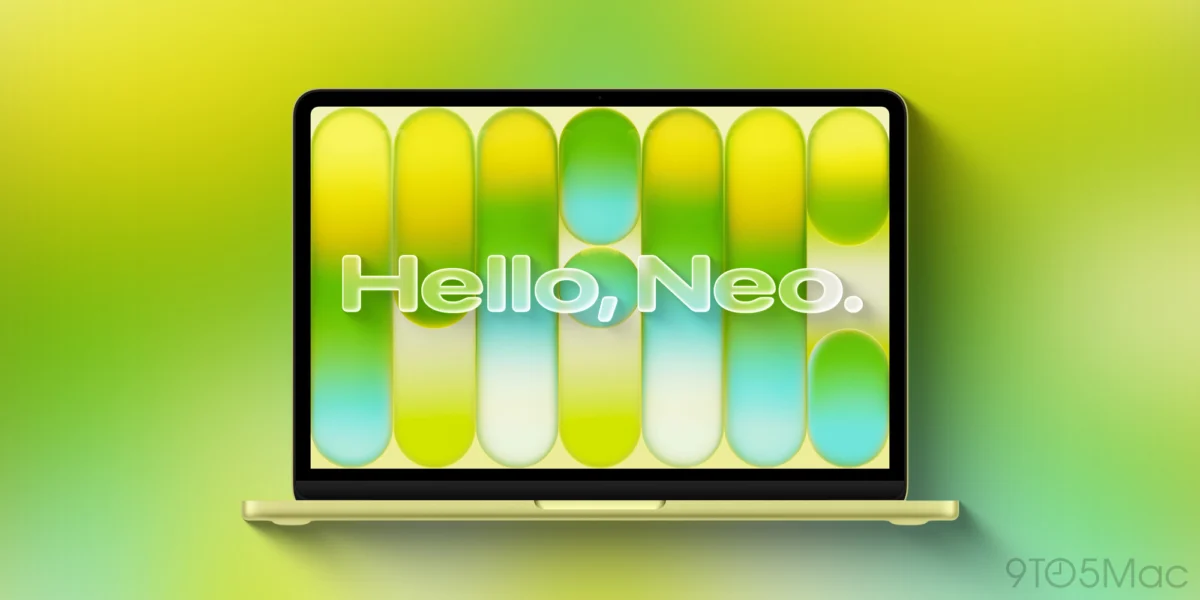
Apple’s recent launch of the MacBook Neo earlier this year has been met with resounding success, demonstrating robust consumer demand that has, by several accounts, outstripped initial supply chain expectations. This unprecedented reception for what Apple positions as its most affordable laptop has naturally fueled speculation and detailed reporting regarding its successor. Industry observers and supply chain analysts are now converging on a clearer picture of what the second-generation MacBook Neo, internally referred to by some as the "MacBook Neo 2," will entail, focusing on significant internal upgrades poised to further cement its market position.
The Genesis and Success of the Original MacBook Neo
The introduction of the MacBook Neo in March 2026 marked a strategic pivot for Apple in the entry-level laptop market. Historically, Apple’s "affordable" Mac offerings often involved slightly older designs or less powerful configurations of its mainstream MacBook Air line. The Neo, however, represented a fresh approach: a distinct product line designed from the ground up to leverage Apple’s A-series silicon, traditionally reserved for its iPhones and iPads, thereby offering a highly efficient and cost-effective computing experience. This strategy allowed Apple to provide a competitive macOS device at a price point previously dominated by Chromebooks and entry-level Windows machines, attracting a new demographic of users, including students and budget-conscious consumers, into the Apple ecosystem.
The immediate success of the MacBook Neo, characterized by high sales volumes and reports of supply chain constraints noted in April 2026, underscored the latent demand for an accessible macOS laptop. This success can be attributed to several factors: its compelling price, the familiar and powerful A18 Pro chip (borrowed from the iPhone 16 Pro), its lightweight and portable design, and an array of vibrant color options. The challenge of meeting this unexpected demand highlighted both the product’s appeal and the complexities of scaling production for a new category.
Anticipated Enhancements: The MacBook Neo 2 Features
The forthcoming MacBook Neo 2 is not expected to be a radical redesign but rather a substantial iterative upgrade, focusing on performance, memory, and advanced software capabilities. These enhancements are crucial for maintaining its competitive edge and delivering an even more compelling user experience.

Revolutionizing Performance with the A19 Pro Chip
At the core of the MacBook Neo 2’s expected advancements lies the integration of the A19 Pro chip. The current MacBook Neo operates on the A18 Pro chip, a highly capable processor also found in the iPhone 16 Pro, which already provides excellent performance for everyday tasks and remarkable power efficiency. However, as reported by Bloomberg in July 2026, Apple is preparing to equip the next-generation MacBook Neo with the A19 Pro chip, mirroring the silicon choice for its flagship iPhone 17 Pro and the new iPhone Air.
This transition represents a significant leap in raw processing power and graphical capabilities. Benchmarking data suggests the A19 Pro delivers an approximate 10-15% increase in both single-core and multi-core CPU performance compared to its predecessor, the A18 Pro. This translates to snappier application launches, smoother multitasking, and faster execution of compute-intensive tasks.
The most dramatic improvement, however, is anticipated in graphics performance, with benchmarks indicating an impressive boost of up to 40% for the A19 Pro’s GPU. This substantial gain is attributed to a key architectural innovation: the integration of Neural Accelerators directly into every GPU core. This design decision signifies Apple’s intensified focus on artificial intelligence and machine learning capabilities, enabling the A19 Pro to handle complex AI workloads more efficiently and at a lower power consumption. For users, this means enhanced performance in tasks like video editing, graphic design, and advanced photo manipulation, even on an entry-level machine.
However, in a strategic move typical of Apple’s product segmentation, reporter Tim Culpan indicated in a May 2026 report that the MacBook Neo 2 will likely feature a "binned" version of the A19 Pro chip. While the A19 Pro in the iPhone 17 Pro boasts a 6-core GPU, the MacBook Neo variant is expected to come with a 5-core GPU. This practice allows Apple to manage chip yields, differentiate product tiers, and maintain cost-effectiveness for its most affordable laptop, without significantly compromising the overall user experience for its target audience. The marginal reduction in GPU cores is unlikely to impact the average Neo user, who primarily focuses on productivity, web browsing, and light content creation, but it effectively reserves the absolute peak performance for higher-end devices.
Enhanced Multitasking with Increased Memory
One of the more frequently cited compromises of the inaugural MacBook Neo was its base configuration of 8GB of Unified Memory. While macOS is renowned for its efficient memory management, and 8GB can suffice for many users, the rest of Apple’s contemporary Mac lineup typically starts with 16GB of RAM. This discrepancy has been a point of contention for some power users.
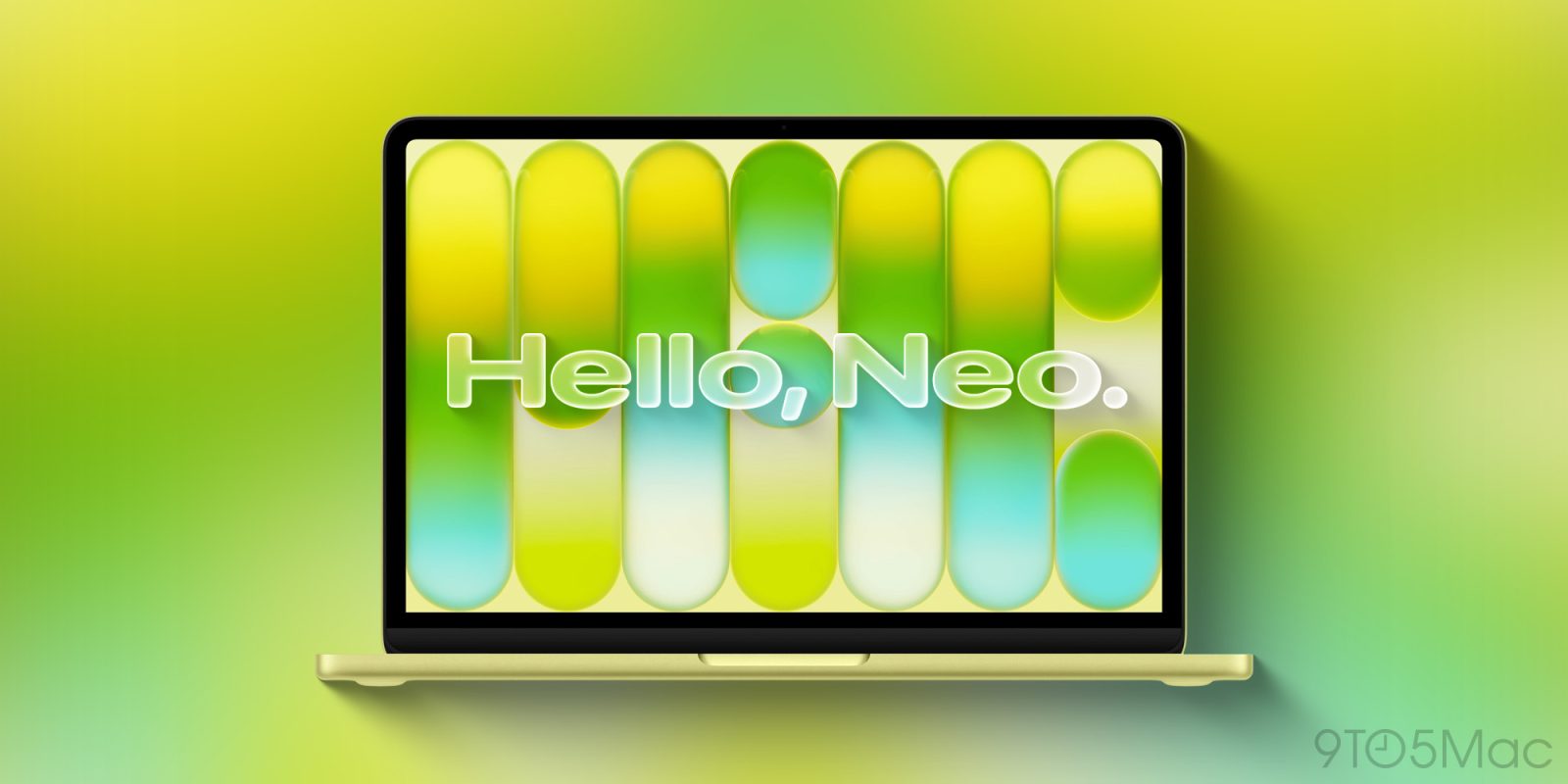
Addressing this, the second-generation MacBook Neo is expected to elevate its memory offering, though not directly to 16GB. Instead, reports suggest an upgrade to 12GB of Unified Memory, a direct benefit of the more advanced A19 Pro chip architecture. This 50% increase in RAM, while not matching the professional-grade Macs, represents a significant improvement for the Neo’s target demographic. As noted in a review of the current model, 8GB isn’t a crippling limitation for most everyday tasks, but the jump to 12GB will noticeably enhance multitasking capabilities, allowing users to run more applications simultaneously, handle larger documents, and engage in more demanding web browsing without experiencing slowdowns. This memory bump also contributes to the device’s future-proofing, ensuring it can comfortably handle evolving software demands over its lifespan.
Unlocking Advanced On-Device AI Capabilities
The combination of the powerful A19 Pro chip and the increased 12GB of Unified Memory is not merely about raw performance; it is a critical enabler for Apple’s next generation of on-device artificial intelligence features. During its annual Worldwide Developers Conference (WWDC) in June 2026, Apple unveiled a suite of more powerful on-device AI models. These models are designed to bring enhanced intelligence and personalization directly to the user’s device, prioritizing privacy and speed by processing data locally rather than relying on cloud servers.
The current MacBook Neo, with its A18 Pro chip and 8GB of RAM, does not fully support these advanced AI capabilities. The MacBook Neo 2, however, is expected to fully leverage these innovations. This includes a more accurate and responsive dictation experience, allowing for seamless voice-to-text conversion across applications with improved contextual understanding and reduced errors. Furthermore, users can anticipate new options for customizing the Siri voice, potentially offering a broader range of naturalistic tones and personalization features that make interactions with Apple’s virtual assistant more intuitive and engaging. These AI enhancements are poised to elevate the everyday user experience, making the MacBook Neo 2 not just a faster laptop, but a smarter companion.
Evolving Aesthetics: New Color Palettes
Beyond internal specifications, Apple has a history of using color as a key differentiator, particularly in its more consumer-focused product lines. The current MacBook Neo is celebrated for its vibrant color options, including citrus, blush, indigo, and silver, which inject a sense of fun and personality into the device.
Bloomberg‘s July 2026 report indicates that Apple intends to "periodically" update the MacBook Neo’s color palette. While specific new colors for the second-generation model have not yet been detailed, this strategy suggests that Apple will continue to refresh the device’s aesthetic appeal to align with evolving trends and maintain consumer interest. The introduction of new hues could stimulate renewed demand and offer existing users a reason to upgrade, or new users a broader range of choices to express their personal style. This approach reflects a broader trend in the tech industry where device aesthetics play an increasingly important role in purchasing decisions, especially in competitive markets.

Chronology of Developments and Anticipated Release
The journey towards the MacBook Neo 2 has been characterized by a series of significant reports and strategic announcements:
- March 2026: Launch of the first-generation MacBook Neo, featuring the A18 Pro chip.
- April 2026: Reports emerge detailing the resounding success of the MacBook Neo, accompanied by indications of supply chain challenges as demand outstrips production.
- May 2026: Reporter Tim Culpan publishes insights into Apple’s chip production, specifically noting the likely use of a "binned" A19 Pro chip for the next MacBook Neo, signaling early manufacturing preparations.
- June 2026: Apple’s Worldwide Developers Conference (WWDC) introduces a new, more powerful on-device AI model, implicitly setting the stage for future hardware requirements.
- July 2026: Bloomberg releases a comprehensive report on Apple’s Mac roadmap, solidifying expectations for the A19 Pro chip, increased memory, and evolving color options for the next MacBook Neo.
- 2027: Based on Tim Culpan’s reports from April 2026, the A19 Pro-powered MacBook Neo 2 is slated for a release sometime in 2027. This timeline suggests Apple is adhering to a product refresh cycle that allows for significant technological advancements while maintaining market momentum.
Broader Impact and Market Implications
The impending release of the MacBook Neo 2 carries significant implications for Apple’s market strategy and the broader personal computing landscape.
Strengthening Apple’s Ecosystem Entry Point: By offering a more powerful, AI-capable, and memory-rich laptop at an accessible price point, Apple further solidifies the MacBook Neo’s role as the primary gateway into the macOS ecosystem. This strategy is crucial for cultivating brand loyalty among students and first-time Mac buyers, who are likely to remain within the Apple ecosystem for future device purchases.
Competitive Landscape: The A19 Pro chip’s performance, particularly its enhanced AI capabilities, will intensify competition in the entry-level and mid-range laptop segments. While Chromebooks dominate the education market with their simplicity and low cost, the MacBook Neo 2 offers a full-fledged macOS experience with superior processing power and sophisticated AI features, presenting a compelling alternative. Similarly, it will put pressure on Windows PC manufacturers, especially those venturing into ARM-based laptops, to match Apple’s efficiency and integrated hardware-software experience. Industry analysts widely anticipate that the MacBook Neo 2 will further solidify Apple’s position in the competitive entry-level laptop market, leveraging its unique silicon advantage and ecosystem integration.
Advancing On-Device AI: The MacBook Neo 2’s robust AI capabilities underscore Apple’s commitment to on-device intelligence. This approach not only enhances user privacy by minimizing data transfer to the cloud but also enables faster, more personalized AI experiences. As AI becomes increasingly integral to daily computing, the Neo 2 will serve as a testament to how even entry-level devices can deliver sophisticated AI functionality.

Supply Chain Management: Lessons learned from the original MacBook Neo’s supply challenges are likely to inform Apple’s production and distribution strategies for the Neo 2. Optimizing the supply chain will be critical to meet anticipated high demand and prevent stockouts that could disappoint consumers and benefit competitors.
Conclusion
The forthcoming MacBook Neo 2, with its anticipated A19 Pro chip, increased 12GB of RAM, and advanced on-device AI features, represents a thoughtful evolution of Apple’s most affordable laptop. Far from being a mere incremental update, these enhancements are poised to deliver a significantly improved user experience, making the device faster, smarter, and more capable for a broad audience. As Apple continues to leverage its powerful A-series silicon across its product lines, the MacBook Neo 2 stands to reinforce its position as a compelling and accessible entry point into the macOS ecosystem, driving both sales and sustained engagement within Apple’s vast technological universe. The industry awaits its 2027 release with keen interest, anticipating its impact on both Apple’s bottom line and the broader personal computing market.