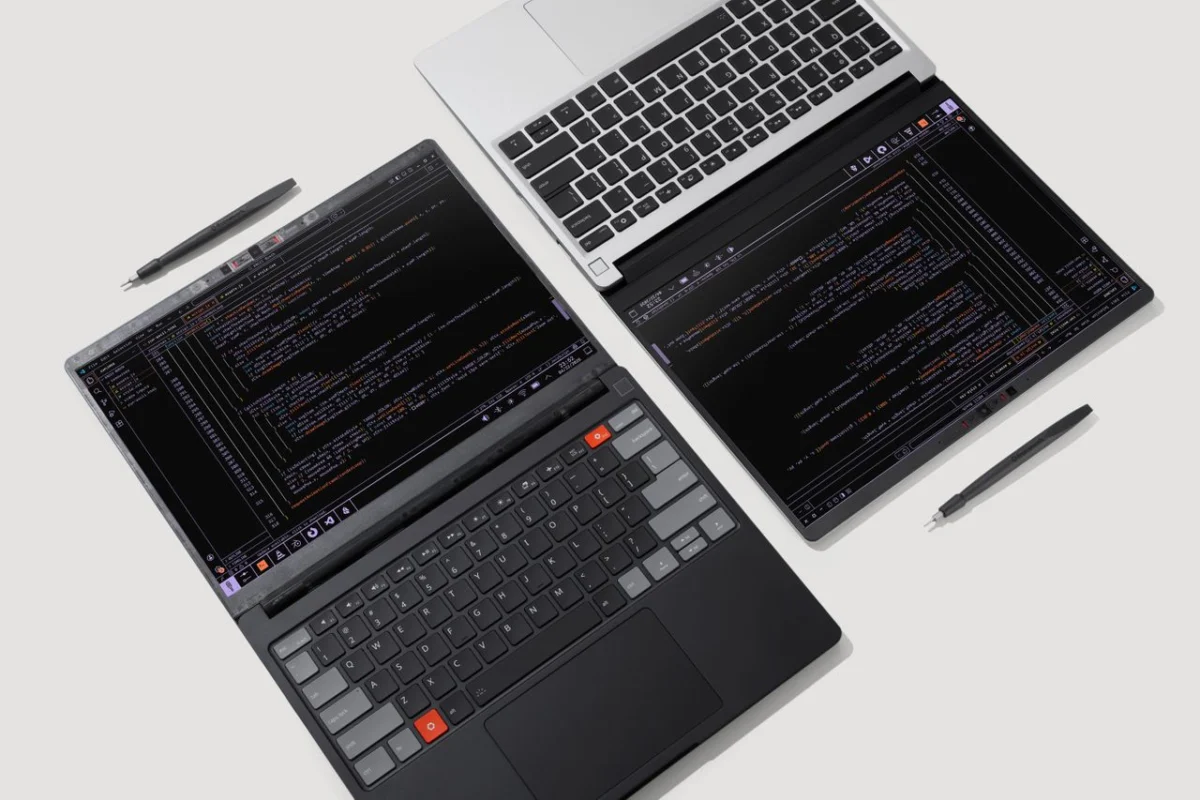
Framework, the company renowned for its modular, repairable laptops, has announced substantial pricing adjustments for its highly anticipated Framework Laptop 13 Pro, citing an unprecedented surge in component costs, particularly for LPCAMM2 memory modules. This development, detailed in a recent blog post by CEO Nirav Patel, highlights the volatile nature of the global electronics supply chain and presents a significant challenge for both the company and its customers ahead of initial shipments slated for July.
The Root Cause: Unprecedented Memory Market Volatility
The primary driver behind these widespread price revisions is a dramatic and unexpected increase in the cost of LPCAMM2 memory. According to Patel, Framework’s supplier for these advanced memory modules issued a cost update that "goes far beyond anything we had predicted and anything we’re able to absorb without placing our ability to operate at real financial risk." The company had initially forecasted a "low-to-mid double-digit percentage increase" in LPCAMM2 costs from the second to the third quarter; however, the actual prices received were "more than double that of the prior inventory we had brought in." This colossal jump has forced Framework to recalibrate its pricing structure for new orders and implement a complex reallocation strategy for existing pre-orders.
LPCAMM2: A Game-Changer Meets Market Reality
LPCAMM2 (Low Power Compression Attached Memory Module 2) represents a significant technological advancement in laptop memory. Unlike traditional SO-DIMM (Small Outline Dual In-line Memory Module) sticks, LPCAMM2 offers a more compact form factor, higher bandwidth, and improved power efficiency. This new standard is particularly beneficial for thin and light laptops, allowing for more streamlined designs and extended battery life, while still retaining the modularity Framework champions. The Framework Laptop 13 Pro, specifically its Intel Core Ultra Series 3 variant, leverages this innovative memory technology. In contrast, models equipped with AMD Ryzen AI 300 processors continue to utilize the more conventional SO-DIMM standard. The adoption of LPCAMM2 underscores Framework’s commitment to incorporating cutting-edge technology into its repairable ecosystem, but it also exposes the company to the nascent technology’s market fluctuations.
Navigating Pre-Orders: A Complex Fulfillment Strategy
With existing pre-orders to fulfill, Framework has devised a multi-tiered allocation plan to mitigate the impact of the LPCAMM2 price shock on its early adopters. While the company possesses enough LPCAMM2 modules to cover current pre-order batches, the inventory mix of 64GB, 32GB, and 16GB options does not perfectly align with customer configurations.
CEO Nirav Patel elaborated on the intricate strategy:
"We have enough 64GB modules in inventory to cover pre-order batches through Batch 4 of laptops and Batch 7 of Mainboards. For orders beyond that configured with 64GB, we’ve updated the order configuration to use a 32GB module at the original 32GB module price." This means customers who ordered 64GB in later batches will receive 32GB at the previously advertised 32GB price, effectively a downgrade in capacity but not an increase in cost.
The reallocation extends further: "After that, we allocated the remaining 32GB modules to DIY Edition and Mainboard pre-orders configured with 32GB through Batch 4 of laptops and Batch 7 of Mainboards. For DIY Edition and Mainboard orders beyond that configured with 32GB, we’ve updated the order configuration to use a 16GB module at the original 16GB price." This implies that some DIY and Mainboard customers originally opting for 32GB in later batches will receive 16GB at the original 16GB price.
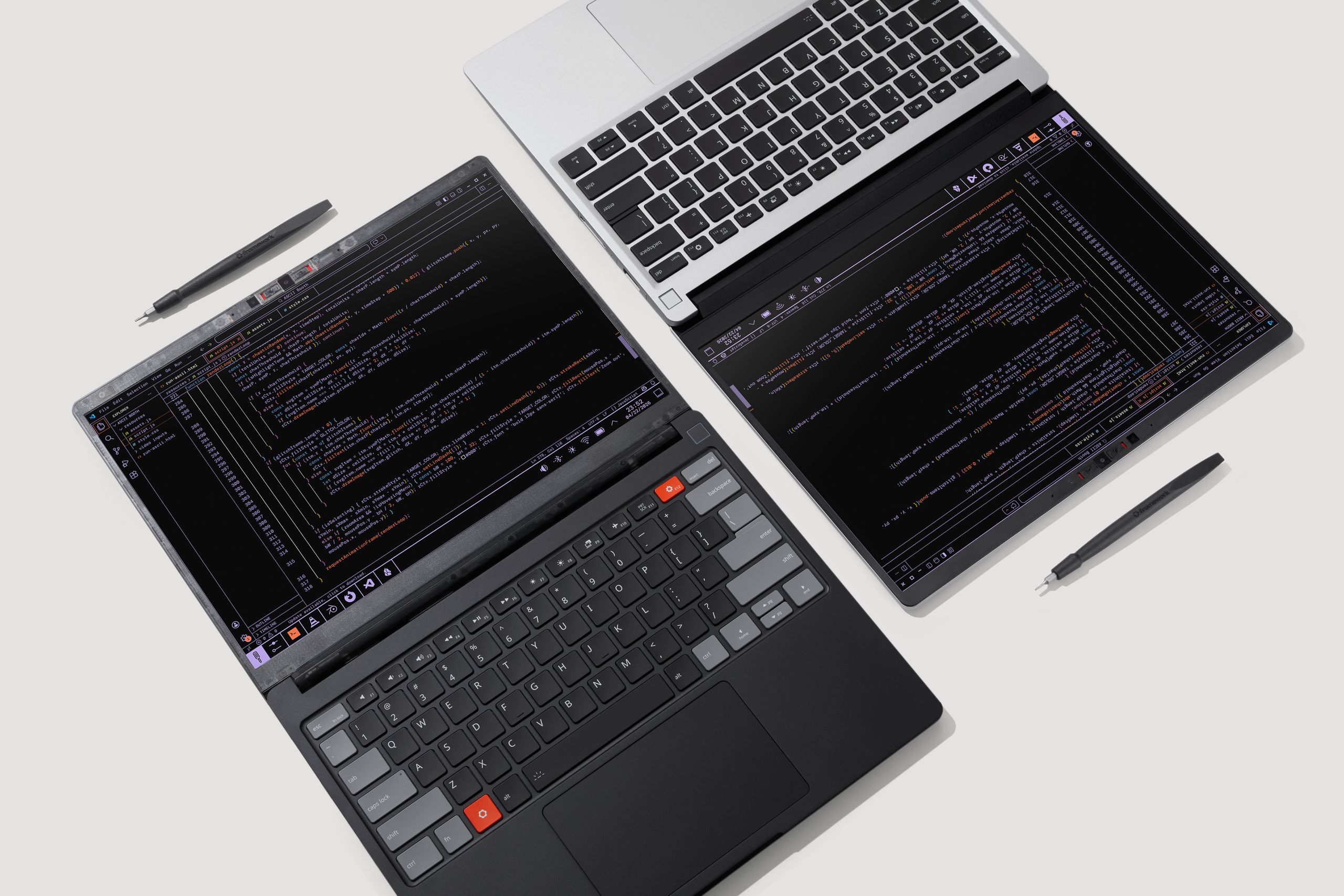
Notably, Framework currently lacks a Core X7 Ultra pre-built configuration with 16GB of memory, preventing them from adjusting pre-built orders that initially contained 32GB. This configuration is planned for future introduction. The company’s efforts here reflect a difficult balancing act: honoring original pricing for existing orders while navigating a severe supply constraint.
New Pricing Structure: A Closer Look at the Increases
For new orders placed going forward, the price increases for LPCAMM2 modules are stark. While Framework will continue to offer 16GB LPCAMM2 modules at $239 until existing stock is depleted, their cost is expected to rise once that inventory runs out. The most significant adjustments are seen in higher-capacity modules:
- 32GB LPCAMM2 modules: Previously priced at $439, these will now cost $800 – an increase of approximately 82%.
- 64GB LPCAMM2 modules: The price for these has surged from $849 to an "eye-watering" $1,600 for pre-orders going forward – an increase of nearly 88%.
These dramatic price hikes underscore the extent of the cost pressure Framework is facing. Such increases are uncommon in the consumer electronics market and reflect a profound disruption in the supply chain for this specific component.
Beyond Memory: Broader Component Price Adjustments
The LPCAMM2 situation, while the most severe, is not an isolated incident. Framework also announced broader price increases across various systems and mainboards for new orders. Patel indicated that the costs of Intel’s X7 and X9 chips are rising, as are the licensing fees for Windows. Furthermore, "increases in memory, storage, and other silicon costs for some of our Ryzen AI 300 Series configurations" contribute to the overall upward trend in pricing. This suggests a more widespread inflationary pressure across the semiconductor industry, affecting multiple types of components crucial for modern laptops.
A Glimmer of Hope: Selective Price Decreases and Customer Protection
Despite the predominantly negative news regarding price increases, Framework’s supply chain experts have managed to secure better pricing on a few specific components. These include 48GB DDR5 modules and certain SSDs, such as the SN850X 8TB and SN7100 1TB drives, which will see their costs reduced. Conversely, other components like 16GB DDR5 modules and specific SSDs (SN850X 1TB and SN7100 4TB) are experiencing cost increases.
In a move aimed at transparency and customer fairness, Framework has committed to adjusting prices downward for unfulfilled pre-orders containing components that have seen price reductions. Crucially, for components whose prices have increased, the company will honor the price paid at the time of pre-order, ensuring that early customers are not penalized for market fluctuations. This policy provides a degree of protection for customers who committed to their purchases before these unforeseen market shifts.
The Framework Ethos: Transparency in a Turbulent Market
Framework’s decision to publicly detail these complex pricing and supply chain challenges, particularly through its CEO’s candid blog posts, sets it apart from many larger PC vendors. While other manufacturers undoubtedly face similar pressures, they often absorb costs, adjust silently, or simply raise prices without extensive explanation. Framework’s consistent updates, which showcase a "rocky ecosystem" more publicly than most, align with its core values of openness and user empowerment. This transparency, while potentially unsettling for customers, fosters trust by providing insight into the realities of modern hardware manufacturing and global supply chains. It also reinforces the brand’s image as an ethical and customer-centric company, even when delivering unwelcome news.
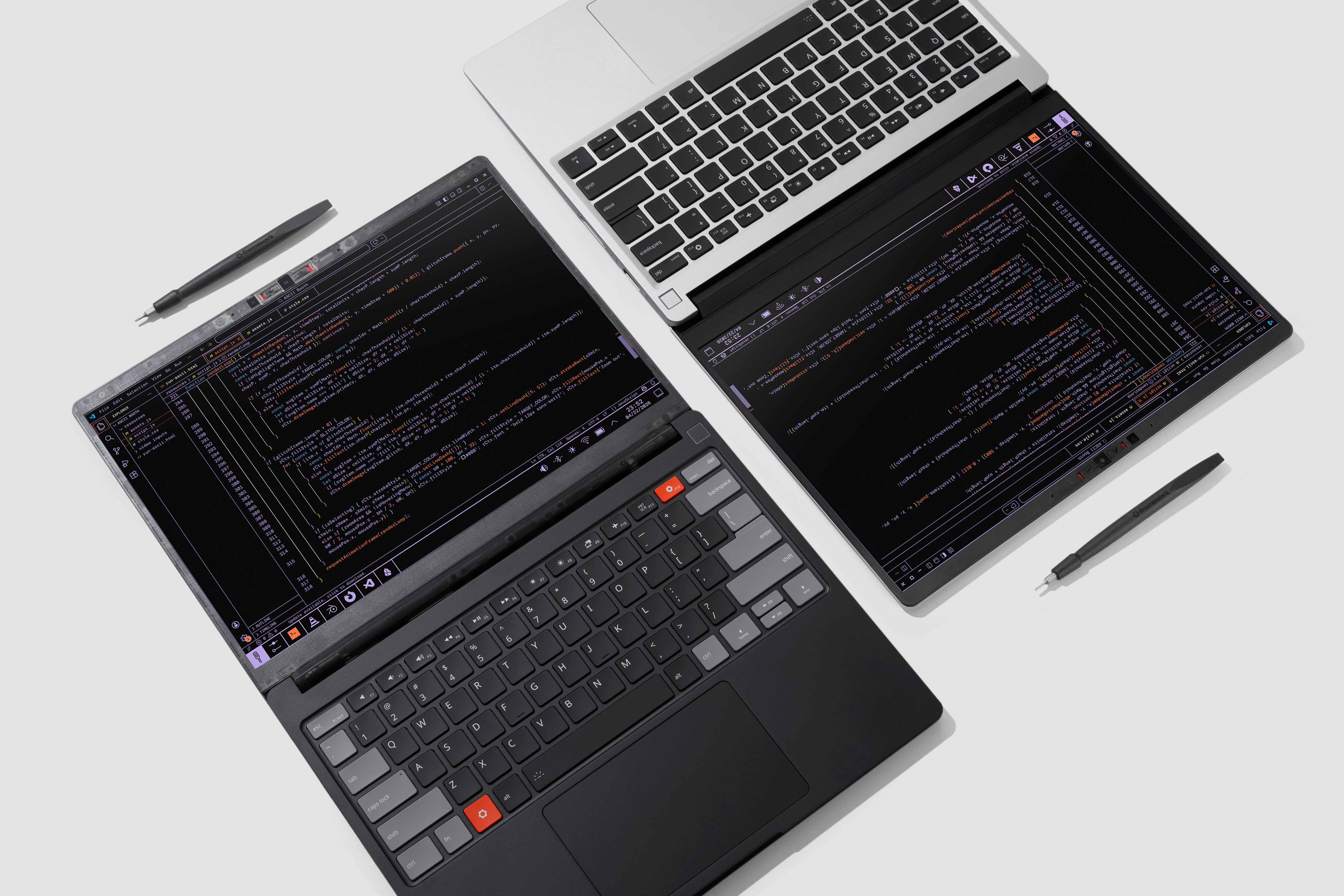
Industry Context: The Broader Memory Market Landscape
The dramatic price surge for LPCAMM2 memory is indicative of a broader trend in the global memory market. Over the past year, DRAM (Dynamic Random-Access Memory) and NAND flash memory prices have been on an upward trajectory after a period of significant decline. Several factors contribute to this volatility:
- AI Boom: The insatiable demand for high-bandwidth memory (HBM) and high-density DRAM for AI accelerators and data centers has diverted manufacturing capacity and driven up prices across the entire memory sector.
- Supply Chain Disruptions: Geopolitical tensions, natural disasters, and ongoing logistics challenges continue to create bottlenecks and increase production costs.
- Inventory Adjustments: Following a period of oversupply and price drops in 2022-2023, manufacturers have cut production to reduce inventory, leading to tighter supply as demand recovers.
- Technological Transitions: The introduction of new memory standards like DDR5 and now LPCAMM2 often comes with higher initial production costs and limited fabrication capacity, making them more susceptible to price swings.
While LPCAMM2 is a relatively niche product compared to mainstream DDR5, its advanced nature and the general upward trend in memory pricing make it particularly vulnerable to significant cost hikes. Framework, as a smaller player, likely has less leverage with suppliers compared to industry giants, making them more susceptible to these volatile market forces.
Implications for Consumers and the Future of Modular Computing
For consumers eagerly awaiting the Framework Laptop 13 Pro, these announcements carry several implications. Existing pre-order customers may face configuration changes, potentially receiving lower memory capacities than initially ordered, albeit at the original, lower price point. New customers will contend with significantly higher prices, especially for higher-end memory configurations. This could make the Intel Core Ultra Series 3 variant, with its LPCAMM2 memory, a more premium offering than initially anticipated, potentially narrowing its appeal.
The situation also underscores the inherent challenges in Framework’s business model. While promoting repairability and upgradability, the company remains dependent on external component suppliers. When these suppliers face unprecedented cost increases, Framework must either absorb the costs (at financial risk) or pass them on to consumers, potentially undermining the value proposition of its modular design. The ideal of a perpetually upgradable and cost-effective laptop faces the harsh realities of a volatile global market.
However, Framework’s commitment to honoring pre-order prices for increases and reducing prices for components that have fallen in cost demonstrates an effort to maintain customer trust and adhere to its transparent principles. This approach, while not shielding customers from all market realities, provides a level of certainty often absent in the fast-paced tech industry.
Conclusion and Outlook
As the first batch of Framework Laptop 13 Pro pre-orders is scheduled to ship in July, Framework finds itself at a critical juncture. The significant price adjustments, primarily driven by the soaring cost of LPCAMM2 memory, coupled with other component price hikes, present a substantial test for the company’s operational resilience and its unique market positioning. While the immediate impact is higher costs and some configuration changes for customers, Framework’s transparent communication and commitment to protecting existing pre-order prices for increases are noteworthy. The ongoing volatility in the global memory market suggests that such challenges may persist, forcing all hardware manufacturers, particularly those championing innovative and niche technologies, to navigate an increasingly complex economic landscape. Framework’s ability to adapt while staying true to its core mission of repairability and transparency will be crucial for its long-term success in this turbulent environment.