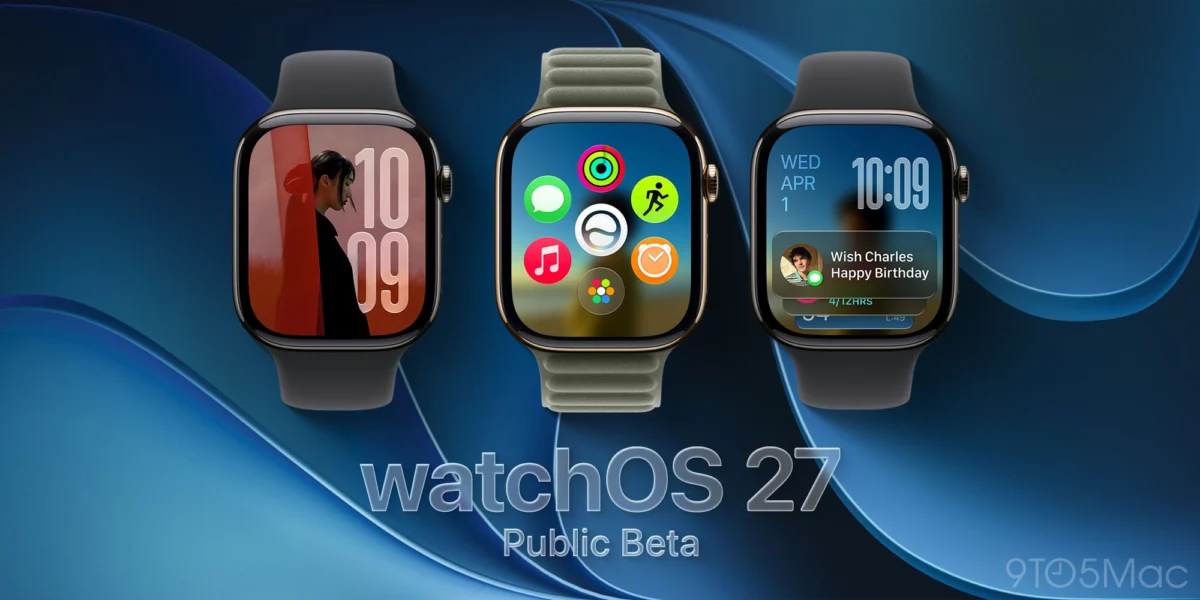
Apple has officially released the first public beta of watchOS 27, marking a significant milestone in the evolution of the world’s most popular wearable device. This update, which follows several weeks of developer-only testing, introduces a suite of features centered around "Apple Intelligence," the company’s proprietary generative AI framework. While previous iterations of watchOS focused on health tracking and notification management, watchOS 27 aims to transform the Apple Watch into a fully-fledged AI-driven assistant capable of understanding complex context and executing multi-step tasks. The public beta allows early adopters to test these features before the software’s general release, which is expected to coincide with the launch of new hardware this autumn.
The Integration of Apple Intelligence and Siri AI
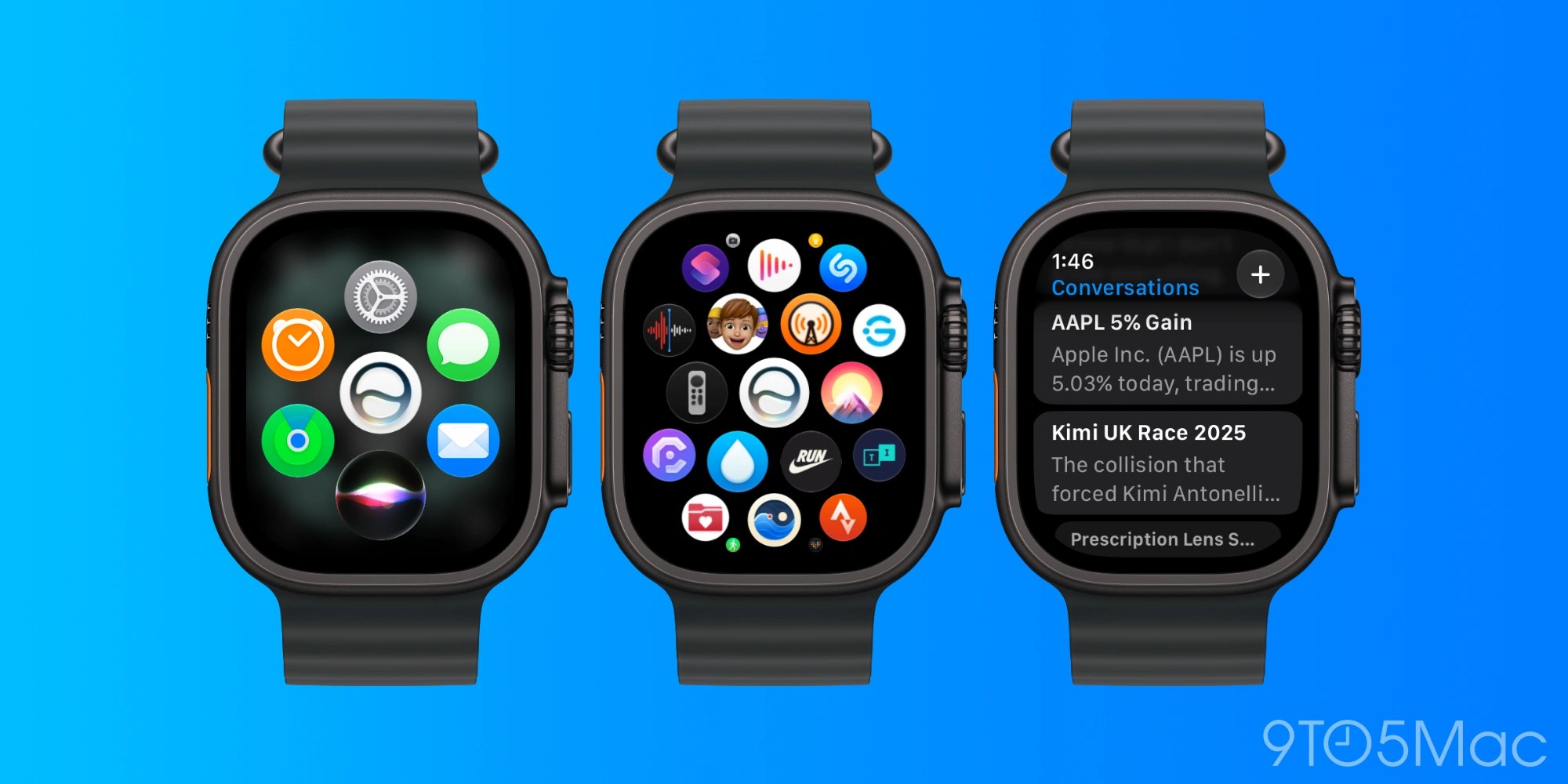
The centerpiece of watchOS 27 is undoubtedly the revamped Siri experience, now powered by the Apple Intelligence engine. For the first time, Siri on the wrist can move beyond simple command-and-control tasks to engage in more sophisticated, context-aware interactions. This shift represents a fundamental change in how users interact with their watches, moving from a touch-first interface to a voice-and-intelligence-first model.
Siri AI on watchOS 27 can now process broader questions and understand personal context by drawing data from across the user’s Apple ecosystem. For instance, a user can ask Siri to "find the door code from the email my landlord sent yesterday," and the AI will parse the relevant message and display the information directly on the watch face. Furthermore, the assistant can take actions within apps, such as modifying Activity goals or initiating specific workout routines based on verbal prompts.

A dedicated Siri app has been introduced to facilitate these interactions. This app syncs conversation history privately via iCloud, allowing users to start an inquiry on their iPhone and continue the dialogue on their Apple Watch. This cross-device continuity is a hallmark of Apple’s ecosystem strategy, ensuring that the watch acts as a seamless extension of the primary mobile device. However, it is important to note that Siri AI functionality requires a compatible Apple Watch paired with an iPhone that supports Apple Intelligence, such as the iPhone 15 Pro or later models.
A Reimagined User Interface: Dynamic App Grid and Smart Stack
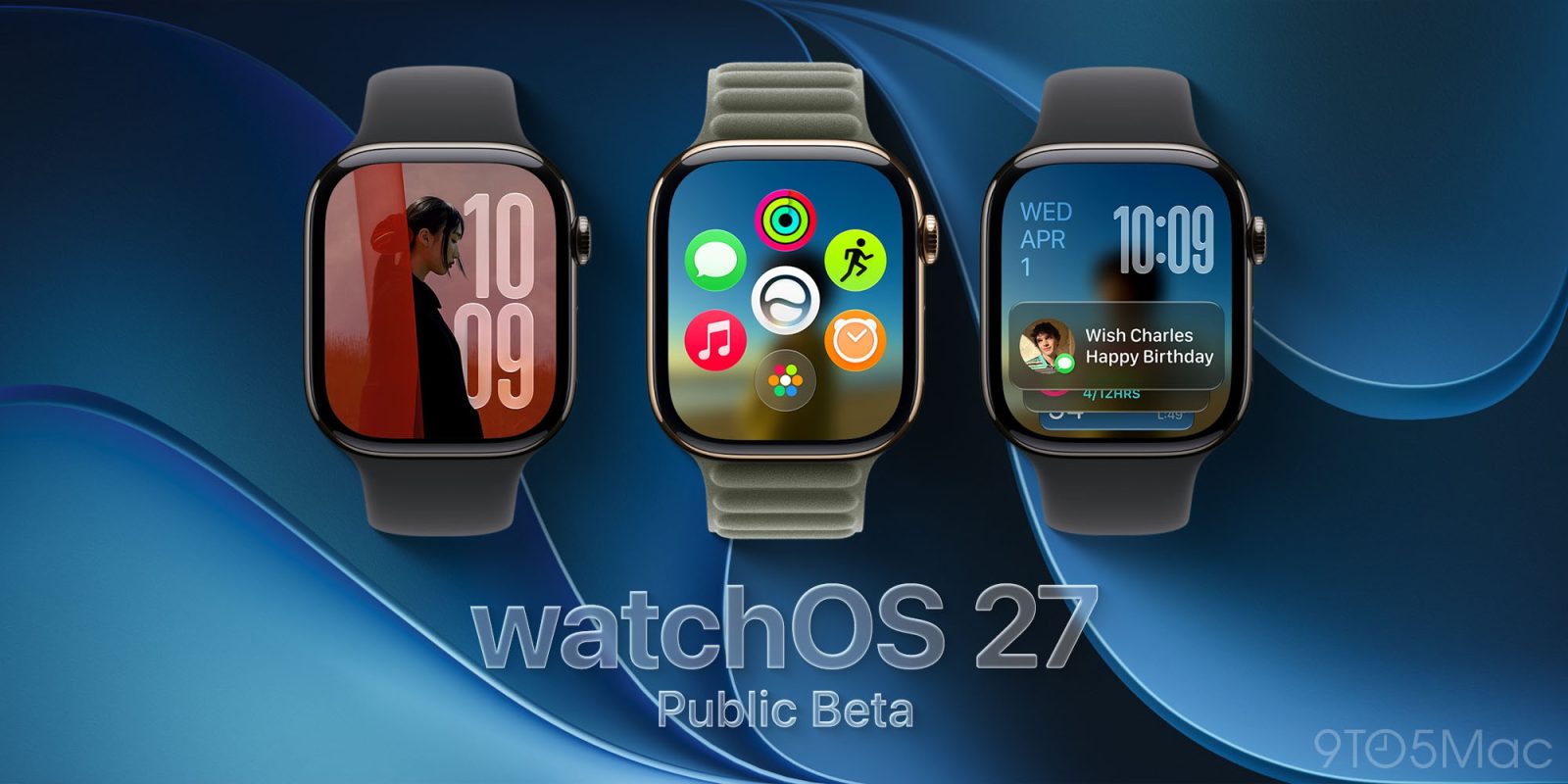
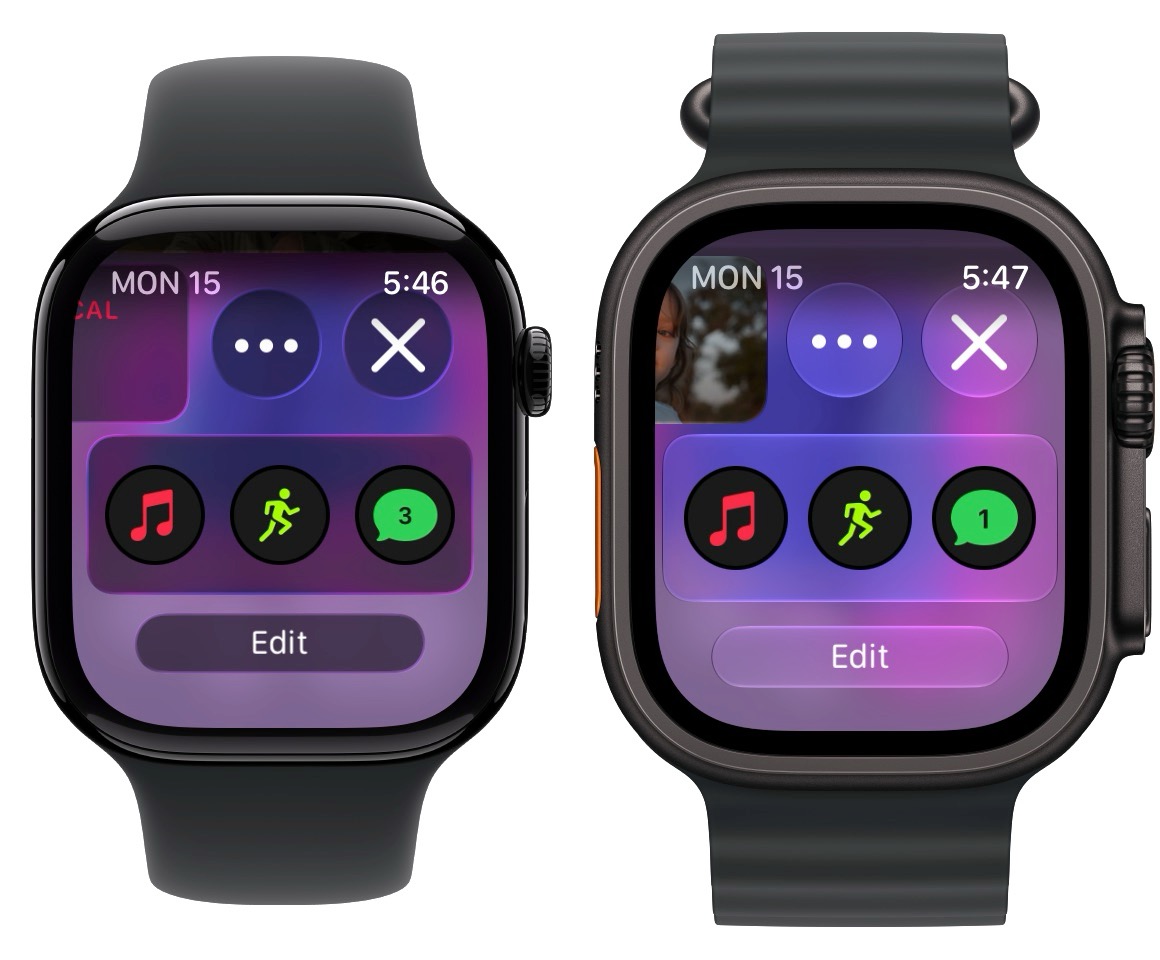
Beyond AI, watchOS 27 introduces the most significant visual overhaul to the Apple Watch interface since the introduction of the Smart Stack in watchOS 10. The traditional "honeycomb" app grid and the subsequent list view have been replaced by a new "Dynamic App Grid."
Upon pressing the Digital Crown, users are greeted with a layout where the Siri app remains permanently centered. Surrounding it are apps that the system deems most relevant based on recent usage, time of day, and location. This machine-learning-driven approach aims to reduce the time spent scrolling through a long list of applications, surfacing the tools the user is most likely to need in a given moment.
The Smart Stack has also received substantial upgrades. It is now more proactive, utilizing location and activity data to surface specific widgets. If a user is at an airport, the Smart Stack may automatically display their digital boarding pass from the Wallet app. If they are at a concert venue, "Theater Mode" might appear as a suggested toggle. Additionally, the Smart Stack can now surface active Siri conversations or remind users to adjust their alarms before a public holiday.
Advanced Gesture Control: Navigating Without Touch
Apple has expanded its gesture-based navigation system in watchOS 27, introducing a "one-handed tap gesture" that completes a comprehensive hands-free control loop. Building on the "Double Tap" feature introduced in previous hardware, the new system allows for more granular control.
In the new software, a double tap of the index finger and thumb allows the user to scroll through the Smart Stack widgets. A single tap of the same fingers selects the highlighted widget or button, while a quick flick of the wrist returns the user to the main watch face. This sequence is designed for scenarios where the user’s other hand is occupied—such as carrying groceries, holding a handrail on public transit, or walking a dog. By enabling navigation, selection, and dismissal without touching the screen, Apple is positioning the watch as a more accessible device for users with mobility impairments and a more convenient tool for power users.
Health and Fitness: Coaching and New Biological Insights
Health monitoring remains a core pillar of the Apple Watch experience, and watchOS 27 introduces three major upgrades in this sector. The most prominent is "Workout Buddy," an AI-enhanced coaching feature that provides real-time feedback on performance. Unlike previous iterations, Workout Buddy can deliver Apple Intelligence-driven insights without requiring the paired iPhone to be nearby. It analyzes long-term progress in metrics such as pace, distance, and duration, offering motivational cues and adjustment suggestions. The feature also includes expanded language support, notably adding Spanish to its repertoire.
For runners and walkers, Apple has refined its treadmill tracking algorithms. By utilizing new machine-learning models, the watch can now more accurately measure distance from the very first step on a treadmill, a common pain point for indoor athletes. Furthermore, step counts are now synchronized more efficiently between the Fitness and Health apps, ensuring data consistency across the ecosystem.
A significant addition to Cycle Tracking focuses on users aged 40 and older. The software can now notify users when logged physiological patterns suggest the onset of perimenopause. This feature includes symptom logging and a library of educational resources, providing users with data-driven insights to discuss with healthcare providers.
System Refinements and Feature Consolidation
In an effort to streamline the user experience, Apple has consolidated several features in watchOS 27. The three separate "Find My" apps (Find People, Find Devices, and Find Items) have been merged into a single, map-centered Find My app. This unified interface includes Precision Finding for locating paired iPhones, second-generation AirTags, and the upcoming AirPods Pro 3.
The Wallet app has also been enhanced to support custom passes created on the iPhone, which can be pinned directly into the Smart Stack for quick access. For business communication, "Call Context" now surfaces relevant details during calls with verified businesses, providing users with information about the department or purpose of the call before they answer.
Apple has also introduced "Liquid Glass," a design refinement that increases contrast and readability across the system. This is accompanied by performance optimizations, including faster music playback and a new battery management system. The system can now suggest disabling specific, rarely used features—such as "Raise to Speak" or "Start Workout" reminders—to extend battery life during periods of heavy use.
Compatibility and Installation Risks
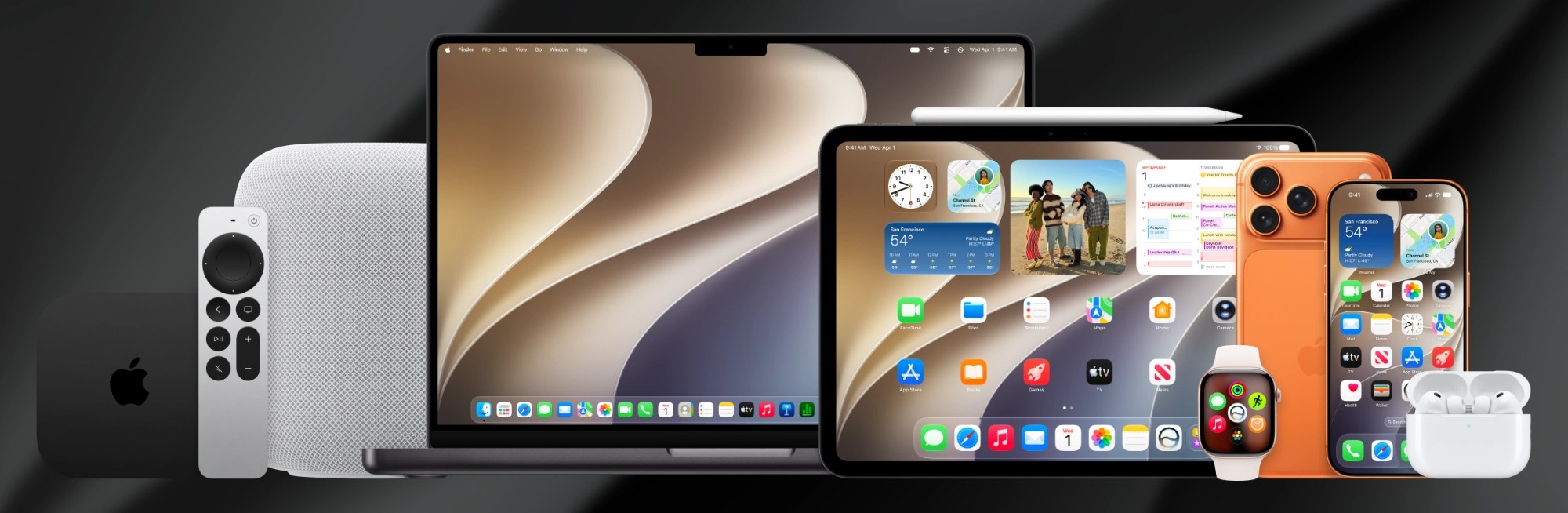
The hardware requirements for watchOS 27 are more stringent than in previous years, reflecting the high processing demands of Apple Intelligence. The update is compatible with:
- Apple Watch Series 9, 10, and 11
- Apple Watch Ultra 2 and 3
- Apple Watch SE (3rd Generation)
Users must also have a paired iPhone 11 or newer (or iPhone SE 2nd Gen or later) running the iOS 27 public beta.
Industry analysts caution that users should think carefully before installing the public beta. Unlike the iPhone or Mac, an Apple Watch cannot be easily downgraded to a previous version of watchOS once the update is installed. If a user encounters significant bugs or battery drain, they must wait for a subsequent beta update from Apple to resolve the issue.
Chronology of Development
The journey toward watchOS 27 began in June at Apple’s Worldwide Developers Conference (WWDC), where the company first unveiled its vision for Apple Intelligence.
- June: Developer Beta 1 released, focusing on the new UI and gesture controls.
- Early July: Developer Beta 3 introduced the first iteration of Siri AI.
- Mid-July: Public Beta 1 (current release) opens the software to the general public for testing.
- August: Subsequent beta releases expected to focus on performance stability and battery optimization.
- September/October: Final public release alongside new Apple Watch hardware.
Analysis: The Strategic Pivot to AI Wearables
The release of watchOS 27 signals a strategic shift for Apple. By integrating generative AI directly into the watch, Apple is attempting to solve the "input problem" inherent in small-screen devices. While smartphones benefit from large displays for complex tasks, the watch is limited by its physical dimensions. AI provides a way to bypass these limitations, allowing the device to act as an "intelligent agent" that anticipates needs rather than just responding to manual inputs.
This move places Apple in direct competition with emerging "AI wearables" like the Humane AI Pin and the Rabbit R1. However, by leveraging its massive existing install base and the proven hardware of the Apple Watch, Apple is taking a more conservative but potentially more successful path. Instead of asking consumers to buy a new, unproven category of device, Apple is upgrading the device millions already wear on their wrists.
While early reports from the developer beta suggest that the Siri AI experience is still "rough around the edges," the potential for a fully autonomous, intelligent wearable is clear. The success of watchOS 27 will ultimately depend on whether Apple can maintain its legendary battery life while running these power-intensive AI models and whether Siri can finally shed its reputation for inconsistency to become the proactive assistant Apple has promised for over a decade.