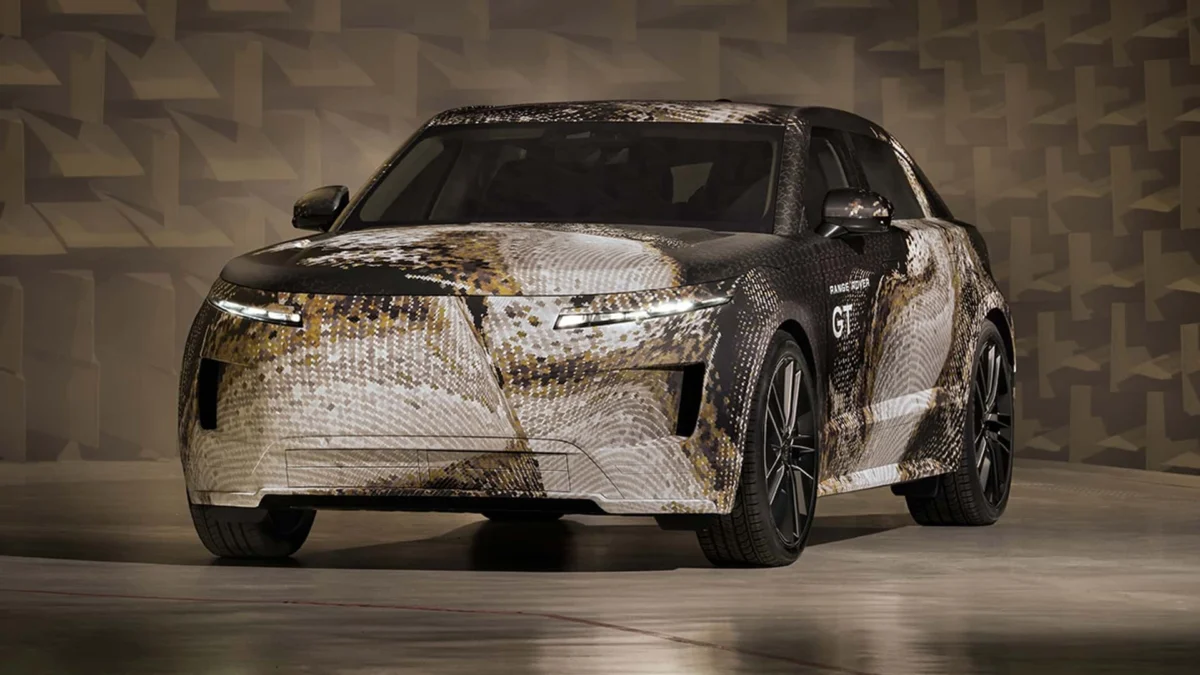
Land Rover is dramatically expanding its iconic Range Rover lineup with the introduction of a fifth model, the Range Rover GT, a vehicle that eschews the traditional SUV silhouette for a sophisticated grand tourer aesthetic. This new entrant is not a successor to the Range Rover Velar, but rather a distinctively positioned offering that aims to redefine luxury travel. The GT’s name itself signals its purpose: a vehicle designed for comfortable, high-speed journeys across continents, moving away from the off-road prowess that has defined its stablemates for decades.
A Departure from Tradition: Design and Platform
The most striking aspect of the new Range Rover GT is its silhouette. Significantly larger than the Velar and closer in proportions to the Range Rover Sport, the GT features a lower, almost wagon-like stance. Its gently sloped roofline is an unexpected yet elegant departure for a marque synonymous with upright, commanding presence. This design choice signals a clear intent to attract a new demographic of buyers who prioritize a blend of luxury, performance, and distinctive style over traditional off-road capability.
Underpinning this new design philosophy is Land Rover’s all-new EMA (Electric Modular Architecture) platform. This bespoke architecture is engineered from the ground up to support electrification, with the GT launching exclusively as a battery-electric vehicle. This strategic decision aligns with Land Rover’s broader electrification goals, which aim for a significant portion of its sales to be fully electric by the end of the decade. While an all-hybrid variant is planned for a later stage in the GT’s lifecycle, its initial introduction as a pure EV underscores the company’s commitment to sustainable luxury. Technical specifications for the powertrain and battery capacity remain under wraps, but given its more car-like character and on-road focus, it is anticipated that the GT will prioritize on-road dynamics and efficiency over extreme off-road articulation, a hallmark of other Range Rover models.
An Interior Sanctuary: Redefining Cabin Experience
The Range Rover GT’s commitment to a refined and modern luxury experience extends to its interior. Frameless doors offer access to a cabin that is radically different from any existing Range Rover. The design prioritizes a minimalist approach, with conventional physical buttons significantly reduced. However, Land Rover has consciously avoided the “wall of screens” approach, opting instead for a more integrated and balanced display strategy.
The press images reveal a cabin designed to be a “sanctuary of calm,” a descriptor Land Rover itself has used. The interior is envisioned as the "quietest Range Rover ever," aiming to isolate occupants from the outside world and provide an unparalleled sense of serenity. This focus on acoustic insulation and material refinement is crucial for a vehicle intended for long-distance touring.
The GT will offer flexibility in its seating configuration. While some press images showcase a luxurious 2+2 layout, a more practical three-seat rear bench will also be available. In the four-seat configuration, the rear cabin is divided by a meticulously crafted center console. This console integrates amenities such as cup holders, wireless charging pads, an armrest, and a dedicated touchscreen for managing climate controls and media settings, further enhancing the personalized luxury experience for rear passengers.
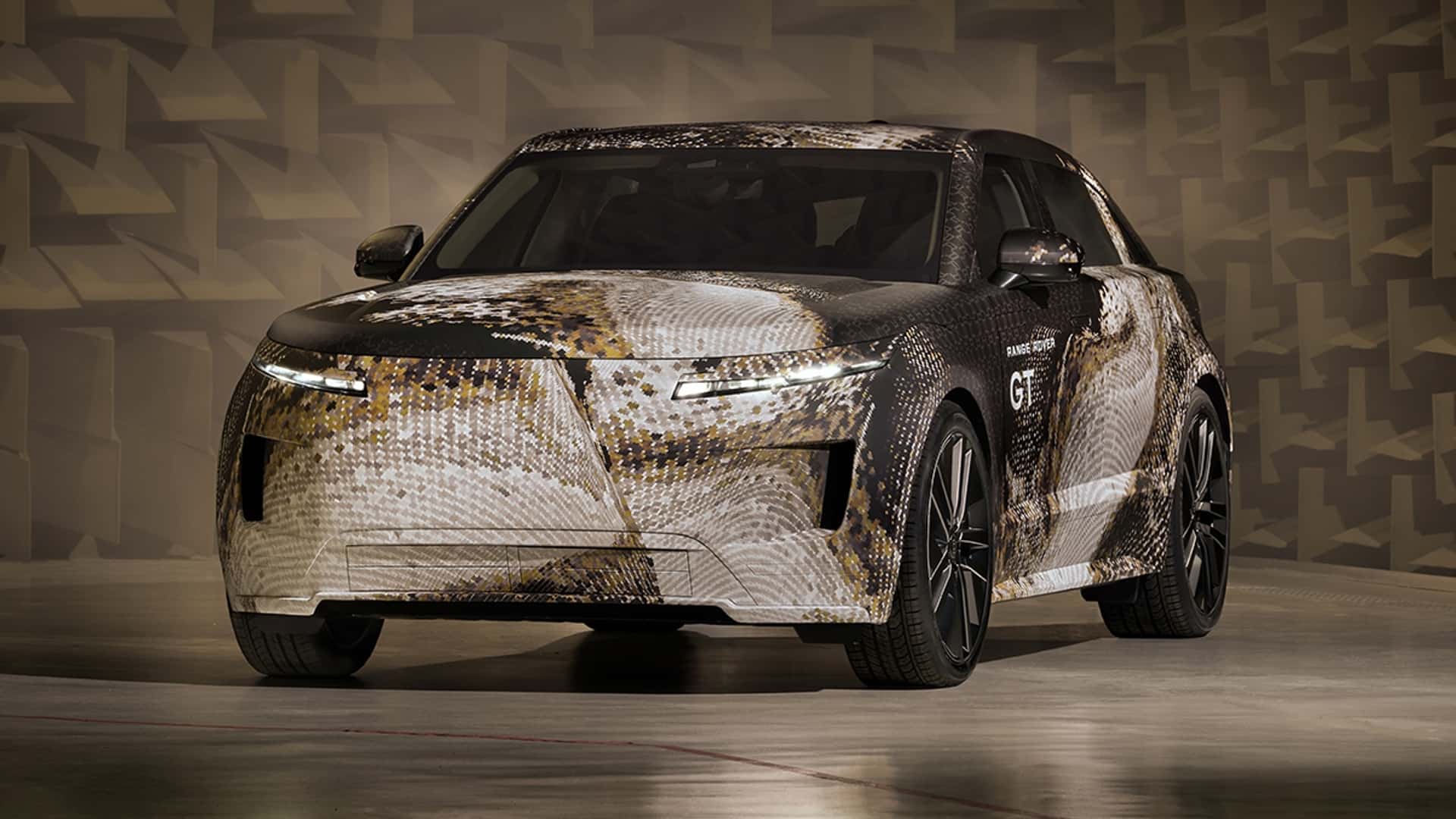
Notable interior features include a full-glass roof, which floods the cabin with natural light, and generous legroom for rear occupants, emphasizing its grand touring credentials. One observed detail from the instrument cluster display indicated a range of 288 miles with 80 percent of the battery remaining. While this figure provides an initial glimpse, it is essential to await official specifications and real-world testing to accurately assess the vehicle’s efficiency and overall range capabilities.
Despite the move towards digitalization, Land Rover has retained some tactile elements. Stalks behind the steering wheel for essential functions and a select number of physical buttons are present, offering a degree of intuitive control. However, climate controls are integrated into the central touchscreen, a trend that, while becoming increasingly common in the automotive industry, may not appeal to all drivers seeking immediate and direct access to temperature adjustments. Overall, the cabin design aims to balance technological advancement with a user-friendly and serene environment.
Manufacturing and Future Outlook
The new Range Rover GT will be manufactured in the United Kingdom, a move that reinforces Land Rover’s commitment to its heritage and domestic production capabilities. Further details regarding pricing, trim levels, and the full suite of technical specifications are expected to be released by Land Rover in the coming months, ahead of its anticipated market launch.
Motor1’s Analysis: A Bold New Direction
The introduction of the Range Rover GT represents a significant departure for the brand, challenging conventional perceptions of what a Range Rover can be. The decision to position it as a distinct fifth member of the family, rather than a replacement for the Velar, is noteworthy. While the Velar might eventually be phased out, particularly as the hybrid GT becomes available, their current coexistence suggests a strategy to cater to a wider spectrum of luxury SUV and car buyers.
The potential for cannibalization of sales from Jaguar’s upcoming Type 01 electric grand tourer is a point of discussion within the industry. Some might argue that the GT’s character could have been a natural fit for the Jaguar badge, given its emphasis on performance and luxury touring. However, Land Rover’s strategic positioning suggests a confidence in the distinct appeal of both brands and their respective target audiences. The Range Rover GT is poised to carve out its own niche, offering a unique blend of Range Rover’s established luxury and comfort with the dynamic elegance of a grand tourer. This move signifies Land Rover’s ambition to expand its market reach and cater to evolving consumer preferences in the luxury automotive sector.
The automotive landscape is rapidly shifting towards electrification and diversified vehicle formats. The Range Rover GT’s debut, with its distinct design and electric powertrain, is a clear indication that Land Rover is not only adapting to these changes but actively shaping the future of luxury mobility. Its success will likely depend on its ability to deliver a compelling blend of performance, comfort, technology, and the inherent desirability associated with the Range Rover nameplate, all while offering a fresh perspective on what a grand tourer can be in the electric era.