The American cutlery industry is currently navigating a significant shift following the announcement that Bark River Knives, a prominent manufacturer based in Escanaba, Michigan, is ceasing operations. The closure of the company follows years of internal and external controversies ranging from allegations of financial mismanagement and unpaid debts to serious questions regarding the integrity of its manufacturing processes and the authenticity of the materials used in its products. While the company has long held a dedicated following among outdoor enthusiasts and bushcrafters, its final years were marked by a series of technical failures and ethical admissions that have provided a cautionary tale for both knife manufacturers and consumers alike.

The downfall of Bark River Knives gained mainstream attention following reports detailing the company’s use of imported Chinese steel blanks while labeling them as premium American-made products. This revelation was compounded by reports from numerous contractors and service providers who alleged that the company’s owner, Mike Stewart, owed significant sums of money for past services. As the company exits the market, the knife-making community is now scrutinizing the structural and metallurgical mistakes made by the firm, which serve as critical case studies in stress concentrations, surface finishing, and the legal standards of domestic manufacturing.
The Controversy of Mislabeled Steel and Domestic Origin Claims
At the center of the Bark River scandal is the admission by Mike Stewart that the company purchased knife blanks produced in China, performed minor secondary operations on them, and subsequently stamped them with "CPM-154" and "Made in USA." CPM-154 is a high-end powder metallurgy steel produced by Crucible Industries in the United States. Stewart defended this practice by claiming that the Chinese steel performed "almost as well" as the American-made CPM-154 in internal testing. Furthermore, he argued that performing five specific manufacturing operations on the imported blanks justified the "Made in USA" label.
From a legal and metallurgical standpoint, these claims are highly problematic. Under the Federal Trade Commission (FTC) "Made in USA" standard, a product must be "all or virtually all" made in the United States to carry an unqualified origin claim. Starting with a finished or semi-finished blank from China and merely grinding or finishing it does not meet this threshold. At most, such a product would require a qualified label, such as "Made in USA with imported materials," though even this is questionable when the core component—the blade itself—is imported.
Moreover, the mislabeling of steel types constitutes a significant breach of consumer trust and potential trademark infringement. CPM-154 is a specific, trademarked brand of steel with a precise chemical composition and manufacturing process. Substituting it with a generic equivalent from another country and retaining the brand name is a misrepresentation of the material’s value and performance characteristics. For metallurgists, this practice is particularly egregious because it suggests a disregard for the specific properties—such as carbide distribution and toughness—that distinguish premium powder steels from their cast counterparts.
Technical Analysis of Structural Failures: The Scout Knife Incident
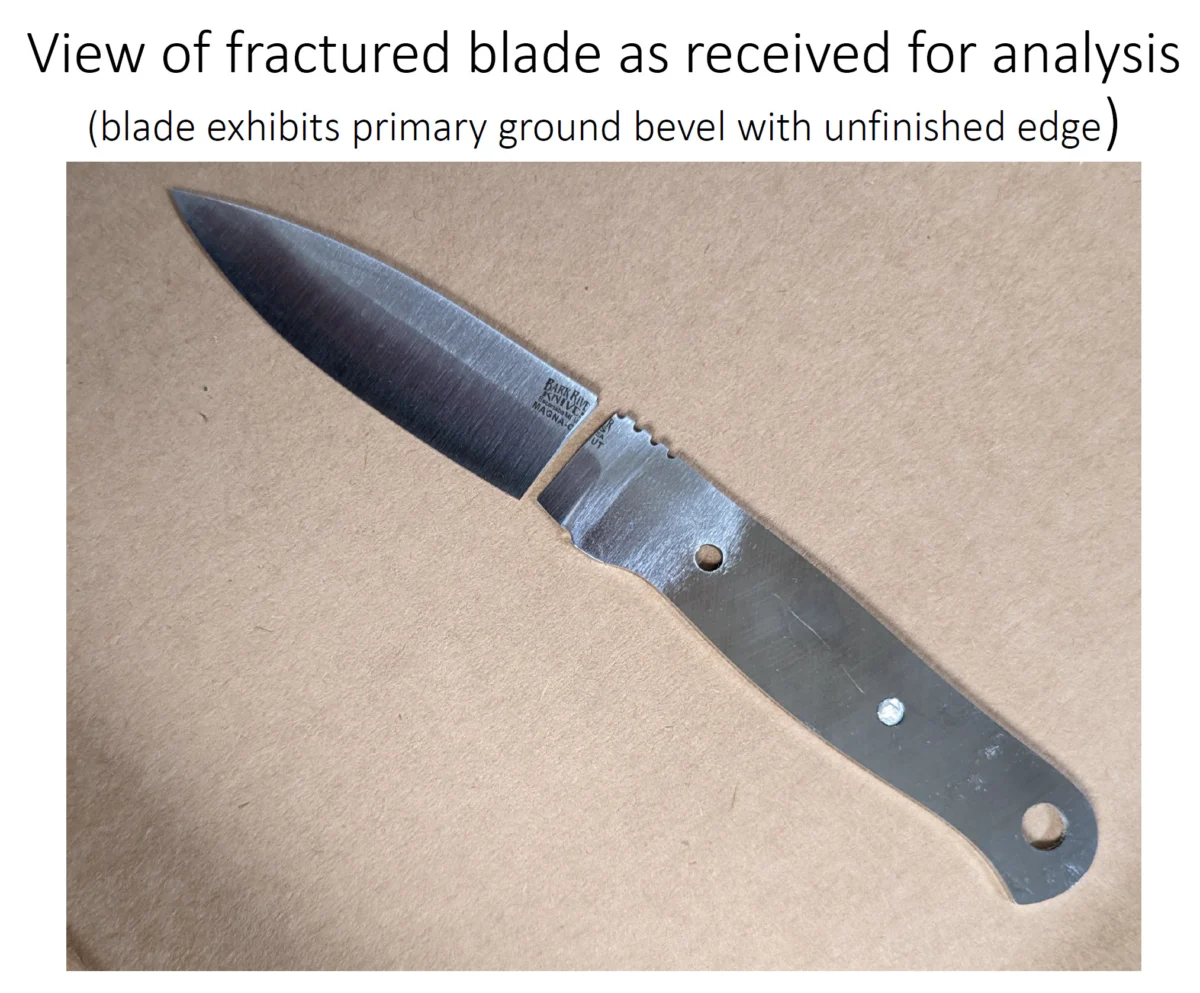
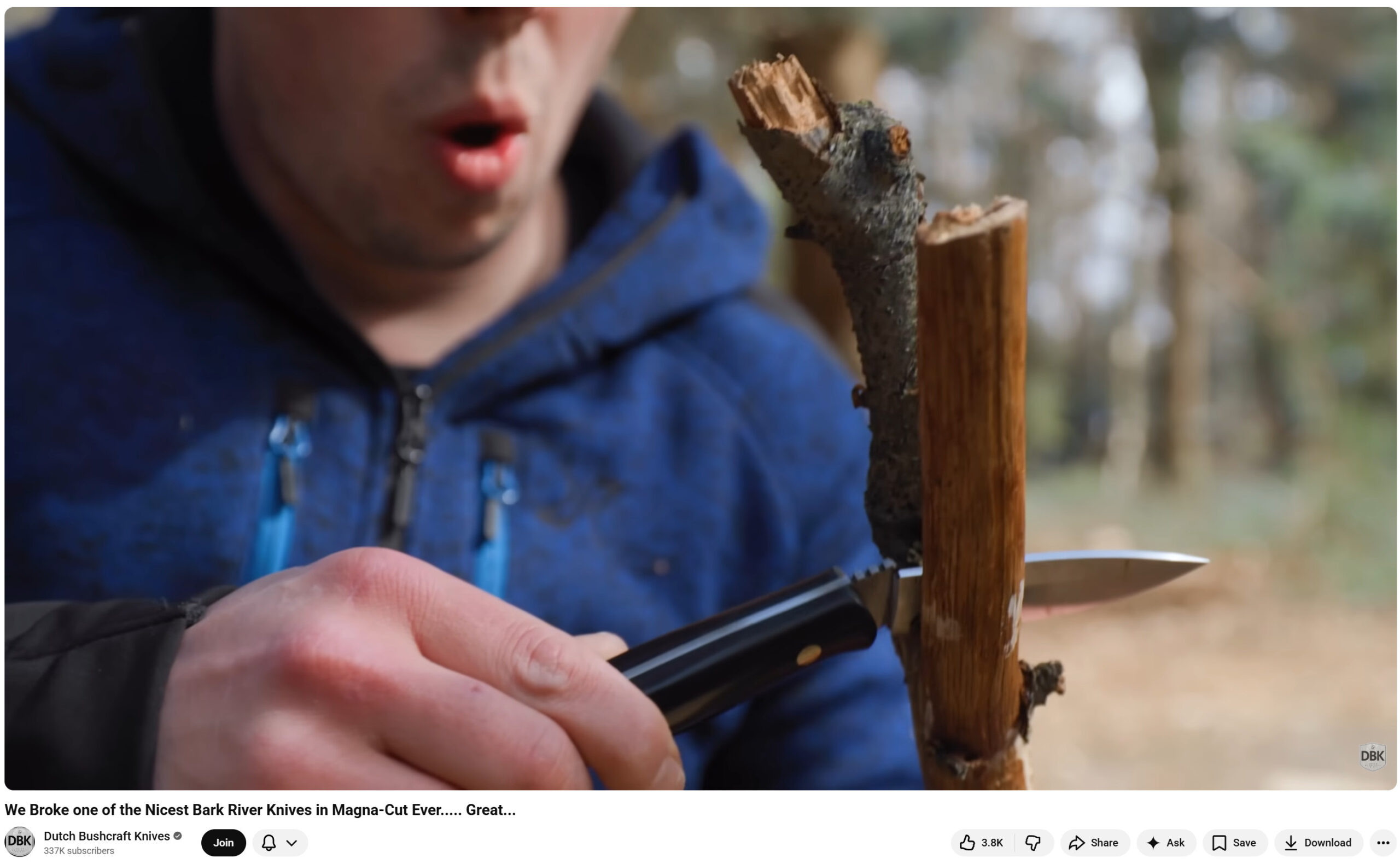
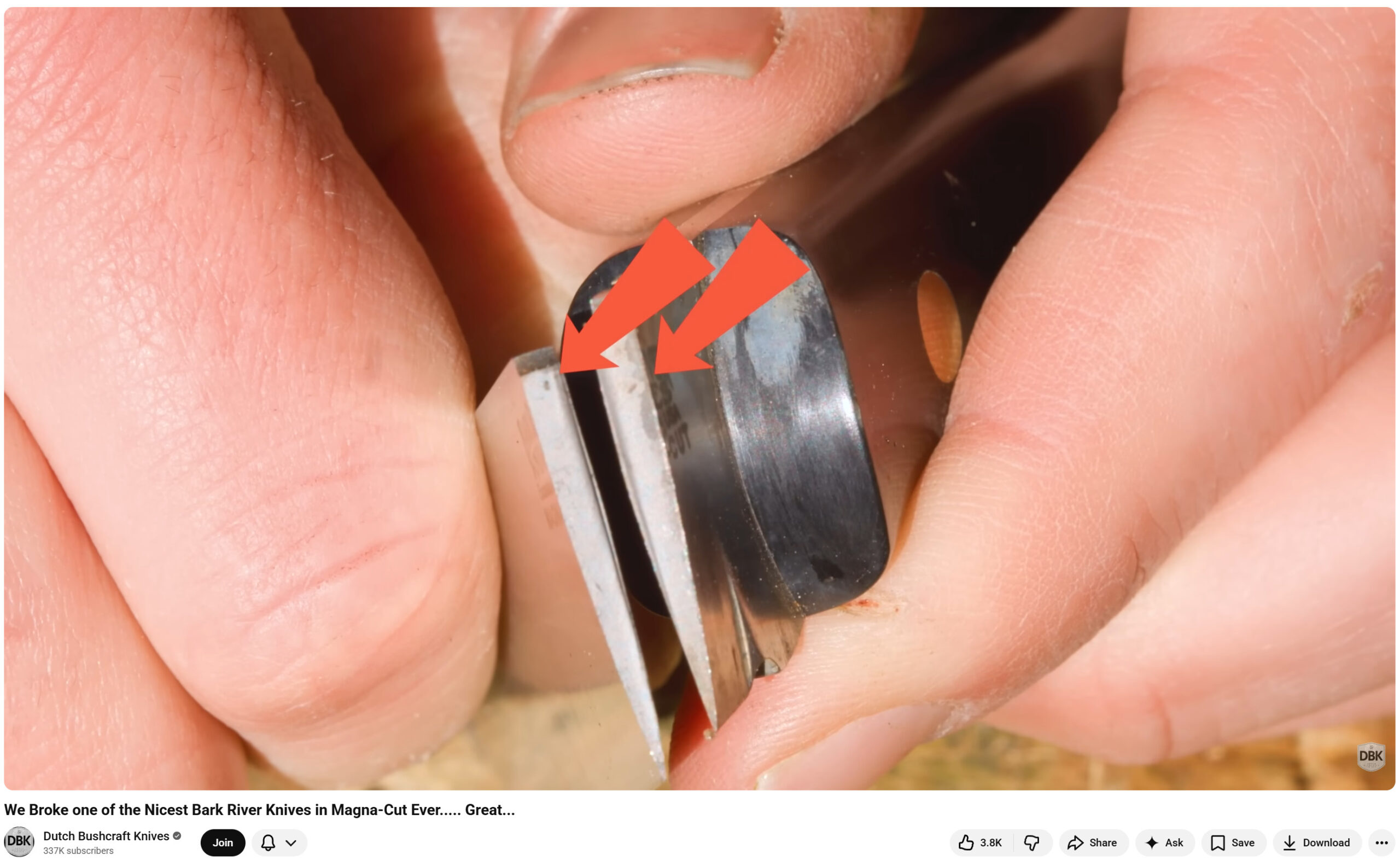
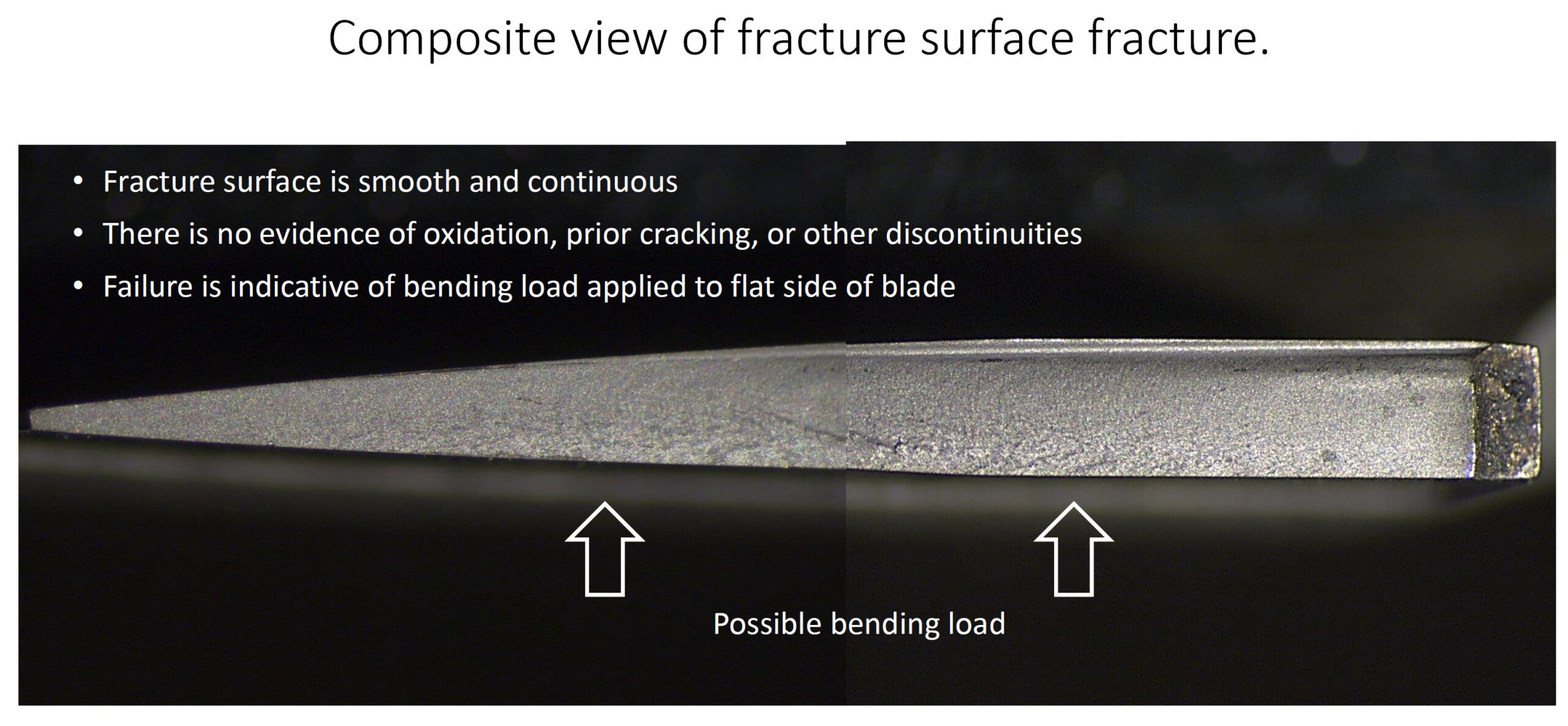
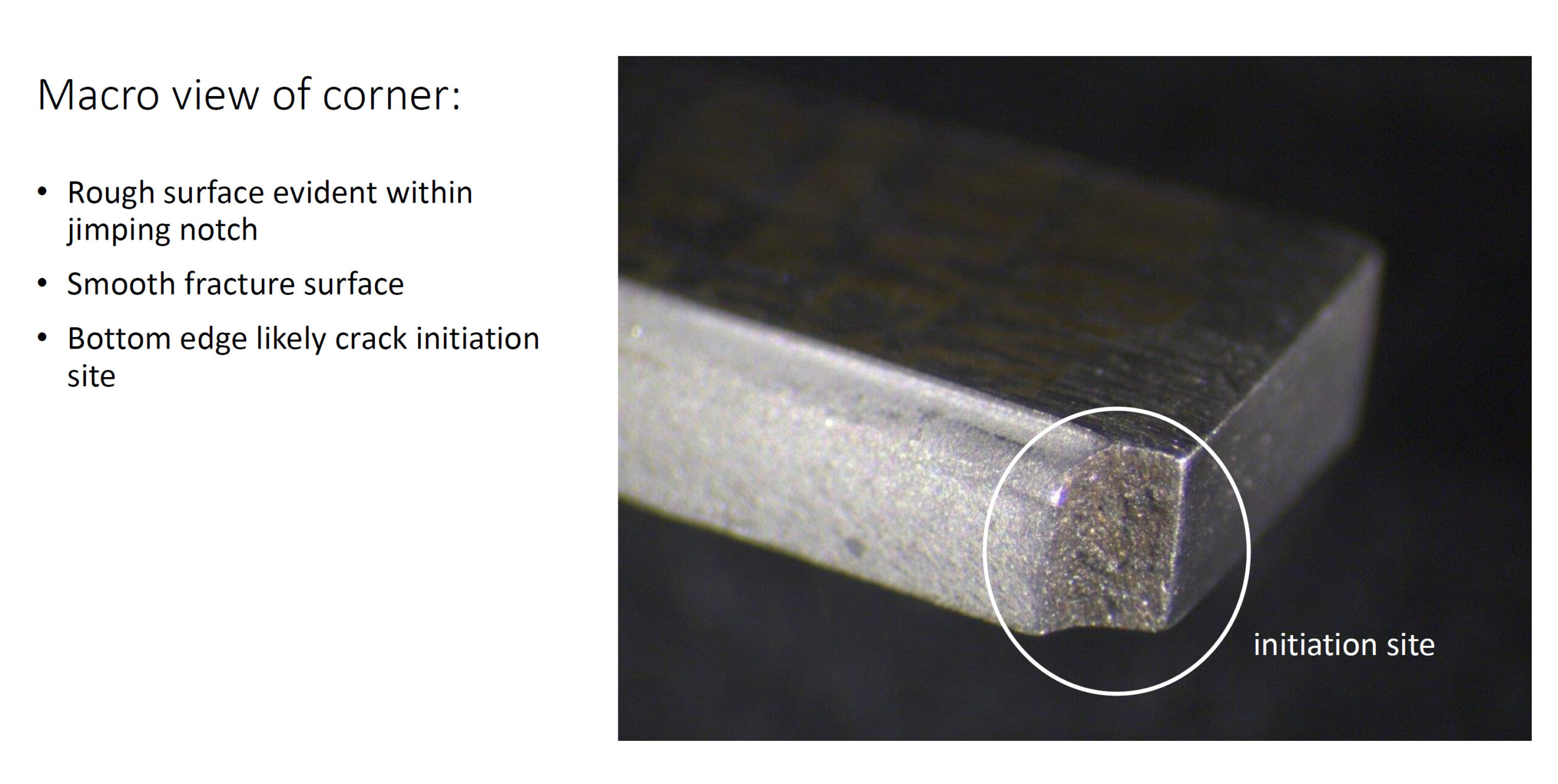
Beyond the ethical concerns of labeling, Bark River faced intense scrutiny regarding the structural integrity of its designs. In 2022, a high-profile failure occurred during a field test by the prominent YouTube channel Dutch Bushcraft Knives (DBK). While performing "batoning"—a common bushcraft technique where a log is struck with a mallet to drive a knife through wood—a Bark River Scout model made of MagnaCut steel snapped cleanly at the jimping (the small notches on the spine of the blade designed to provide thumb grip).
When confronted with the failure, Bark River management initially attributed the break to a flaw in the steel itself. They pointed to discoloration on the fracture surface, claiming it was a "non-metallic inclusion" from the steel mill. Inclusions are compounds like oxides or sulfides that are present in all steel; however, they are rarely large enough to be seen with the naked eye in modern high-cleanliness steels like MagnaCut. Subsequent independent analysis suggested that the discoloration was more likely a result of environmental factors or the manufacturing process rather than a mill defect.
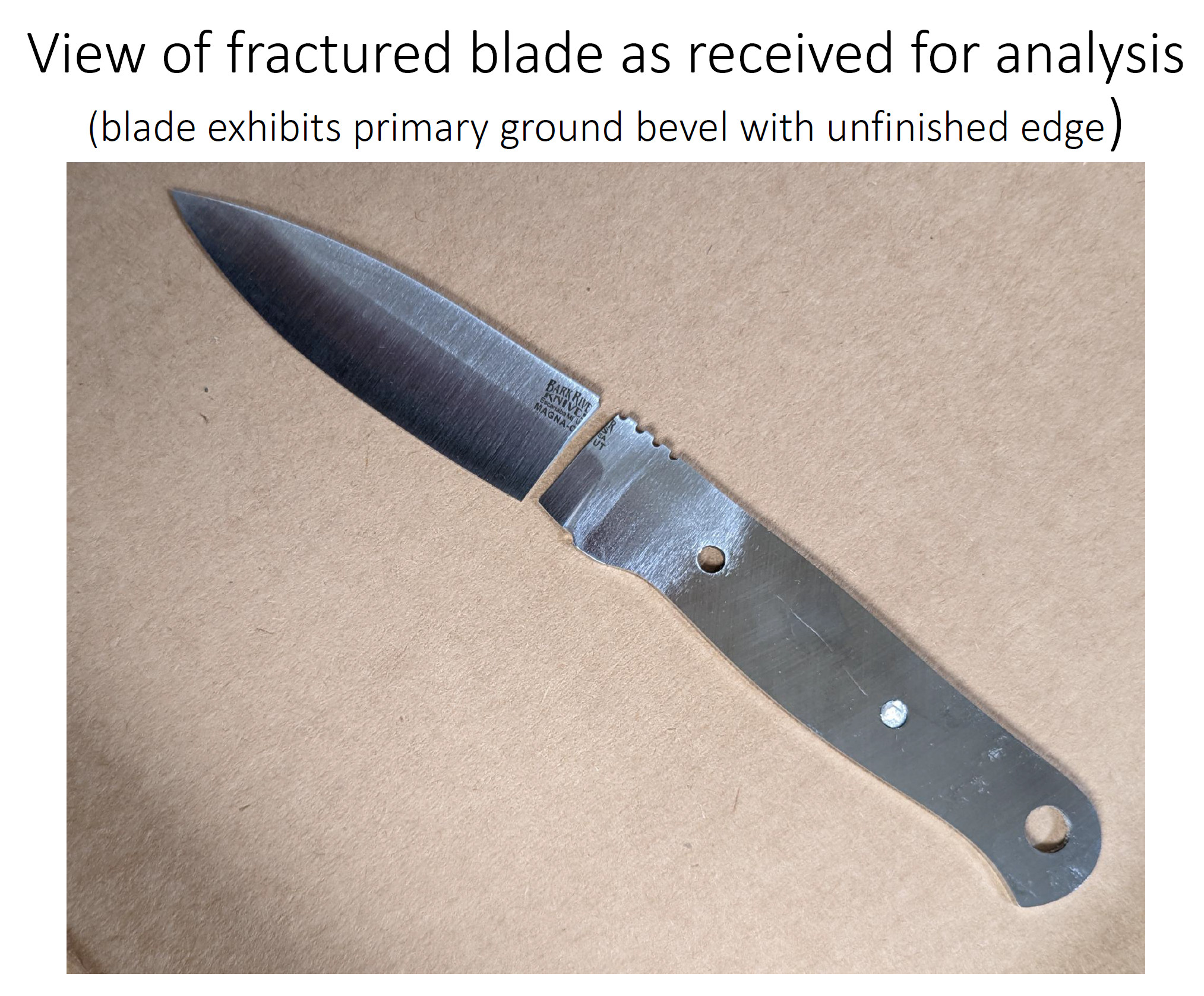
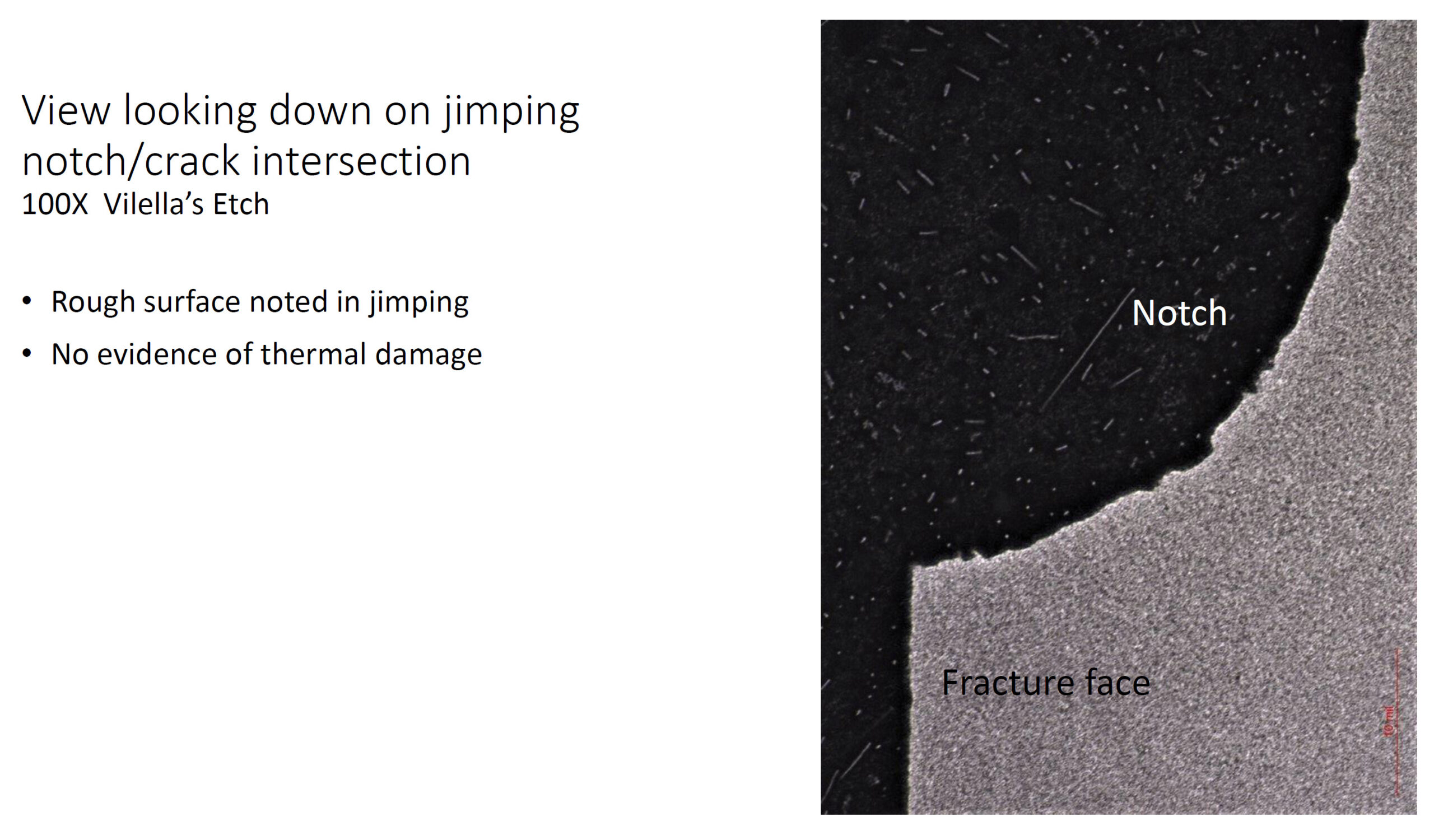
A second failure of the same model occurred during the manufacturing phase at the Bark River factory. This blade was sent to Niagara Specialty Metals, which commissioned an investigation by independent third-party metallurgist Gary Maddock. Maddock’s report confirmed that the steel’s microstructure was normal and that the breakage was not caused by a defect in the MagnaCut material itself. Instead, the failure was attributed to "stress concentrations."
Understanding Stress Concentrations and Design Flaws
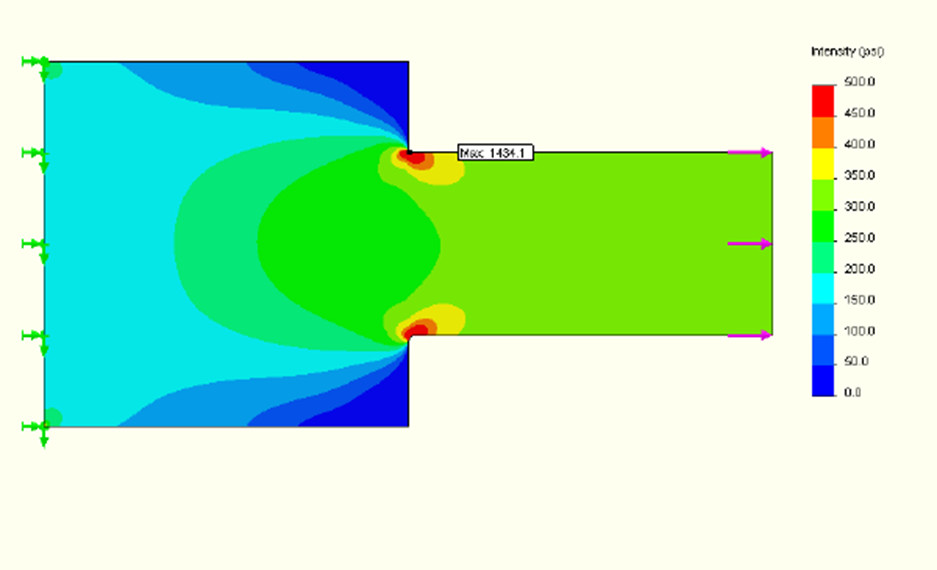
The failures of the Bark River Scout provide a textbook example of how "stress risers" can lead to catastrophic blade breakage. A stress concentration is any geometric feature in a part where the internal stress is significantly higher than the average stress applied to the object. In the case of the Scout, the jimping consisted of sharp, deep notches cut into the spine of the blade.
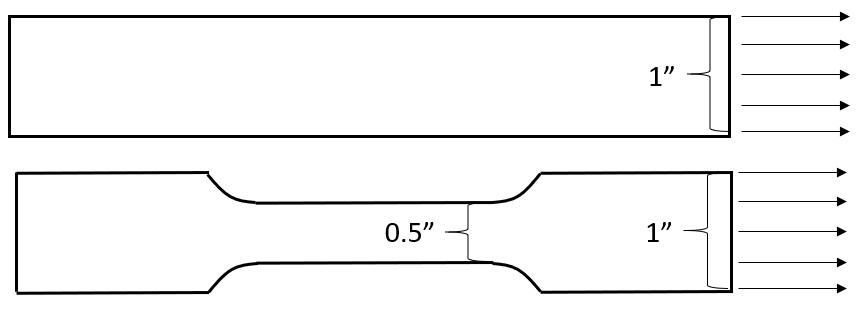
When a knife is flexed or struck during batoning, the energy travels through the spine. Sharp corners act as focal points for this energy. If the radius of a corner is too sharp, the stress at that point can exceed the material’s strength, leading to a crack that propagates instantly through the blade. Metallurgists often use tensile tests to demonstrate this; by reducing the cross-section of a metal bar, they can guarantee exactly where it will break. Bark River’s jimping effectively acted as a "pre-cut" fracture point.
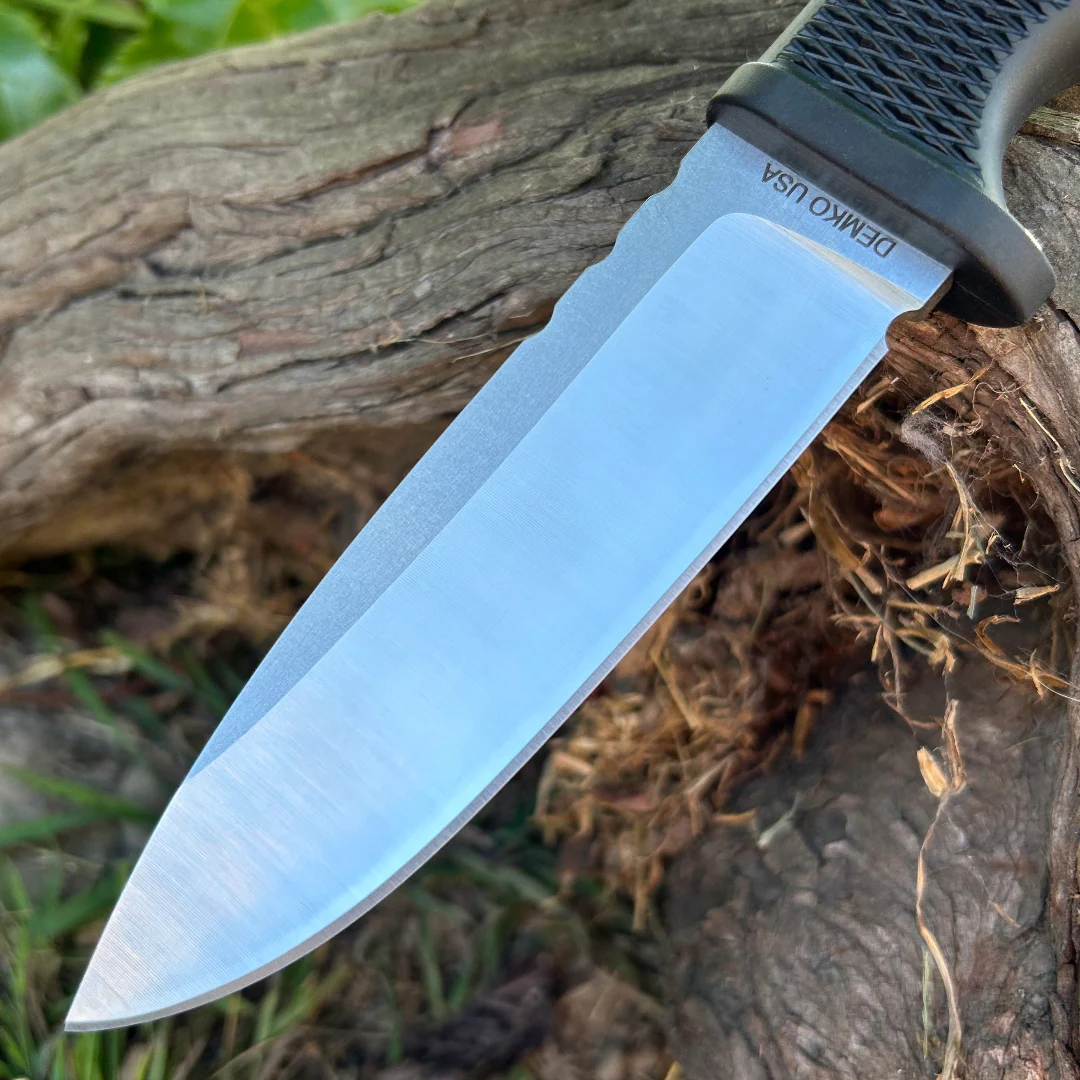
To avoid such failures, designers typically use "fillets" or rounded corners to distribute stress more evenly. Comparing the Bark River design to other successful MagnaCut knives, such as the Demko FreeReign, reveals a stark difference. The Demko design utilizes shallower, rounded jimping that avoids creating the sharp "V" shapes that act as stress risers.
The Impact of Surface Roughness and Manufacturing Methods
The metallurgical report by Gary Maddock also highlighted the role of surface roughness in the Bark River failures. The blanks were cut using methods—likely laser or waterjet cutting—that left a very rough texture on the perimeter of the blade. In many of the failed units, this rough surface was not cleaned up or polished within the notches of the jimping.
A rough surface contains thousands of microscopic "discontinuities" that function like tiny cracks. These serve as initiation sites for larger fractures. Furthermore, laser cutting creates a "Heat Affected Zone" (HAZ). Because the laser melts the steel to cut it, the area immediately adjacent to the cut is subjected to extreme temperatures that can alter the steel’s microstructure, making it more brittle than the rest of the blade. If this HAZ is not ground away during the finishing process, the blade retains a brittle outer "skin" that is highly prone to cracking under load. Maddock’s report noted that while the bulk microstructure of the Bark River blades was acceptable, the lack of refinement on the cut edges contributed significantly to the failures.
The MagnaCut Corrosion Debate
Another point of contention during the company’s final years was the reported tendency of Bark River’s MagnaCut blades to rust or stain. MagnaCut, developed by Dr. Larrin Thomas, is specifically engineered to offer extreme corrosion resistance by eliminating chromium carbides, thereby leaving more "chromium in solution" to form a protective oxide layer.
Despite the steel’s reputation for being "virtually stainless," some Bark River customers reported pitting and surface oxidation. Mike Stewart publicly disputed the steel’s classification, stating that he did not consider MagnaCut to be a "true stainless steel" and that Crucible Industries’ claims were inaccurate. This statement was met with widespread criticism from the metallurgical community.
Scientific analysis of MagnaCut shows that it possesses a chromium content of approximately 10.7%, which, when combined with its unique vanadium and niobium carbide structure, provides corrosion resistance superior to many traditional stainless steels like S30V or 154CM. The reported rusting in Bark River knives was likely not a fault of the steel’s chemistry but rather a result of "cross-contamination" or improper finishing. If a manufacturer uses the same grinding belts for carbon steel and stainless steel, microscopic particles of carbon steel can become embedded in the stainless surface. These particles then rust, creating sites for "galvanic corrosion" that can compromise even the most stain-resistant materials.
Verification and Industry Reactions
In the wake of these controversies, several major retailers and third-party testers attempted to verify the company’s claims. While some amateur testers used X-ray Fluorescence (XRF) analyzers to claim that Bark River was not using genuine MagnaCut, these tests were often performed on finished knives with handles, which can skew the results. However, reputable retailers like KnivesShipFree and DLT Trading conducted their own investigations. KnivesShipFree reported that their XRF testing confirmed the presence of genuine MagnaCut in their inventory, though they did find instances of the mislabeled Chinese CPM-154 blanks.
Niagara Specialty Metals, the primary distributor of MagnaCut, also verified that the samples sent for metallurgical review were indeed genuine material. This suggests that while Bark River did struggle with design and manufacturing execution, the "fake steel" allegations were largely confined to the specific CPM-154 incident rather than a company-wide substitution of MagnaCut.
Implications for the Cutlery Industry
The closure of Bark River Knives marks the end of an era for a specific style of semi-custom American knife making, but it also reinforces the necessity of rigorous engineering standards in the modern era. As steel technology advances with materials like MagnaCut, the margin for error in heat treatment and geometry becomes slimmer.
For manufacturers, the Bark River saga emphasizes that premium materials cannot compensate for poor design. The use of sharp-angled jimping and the failure to remove heat-affected zones from laser-cut blanks are fundamental engineering errors that are avoidable with proper testing. For consumers, the situation highlights the importance of transparency in the supply chain. The "Made in USA" label remains a powerful marketing tool, but as this case demonstrates, its misuse can lead to the total collapse of a brand’s reputation when the reality of the manufacturing process is brought to light.
As Bark River Knives winds down its operations, the industry moves forward with a renewed focus on "stress riser" mitigation and the ethical sourcing of materials. The legacy of the company will likely be defined as much by these hard-learned metallurgical lessons as by the knives themselves.