
The July 2026 update of Home Assistant, designated as version 2026.7, marks a significant milestone in the evolution of the open-source smart home platform. This release prioritizes the reduction of technical complexity while simultaneously increasing the granular control available to users. The update introduces a fundamental shift in how automations are constructed, a complete overhaul of the system’s activity logging, and streamlined maintenance tools designed to manage increasingly dense smart home ecosystems. By graduating several high-profile features from experimental "Labs" status to the stable core, the development team has signaled a new era of accessibility for the platform, which has historically been perceived as having a steep learning curve for non-technical users.
The Evolution of Purpose-Specific Automations
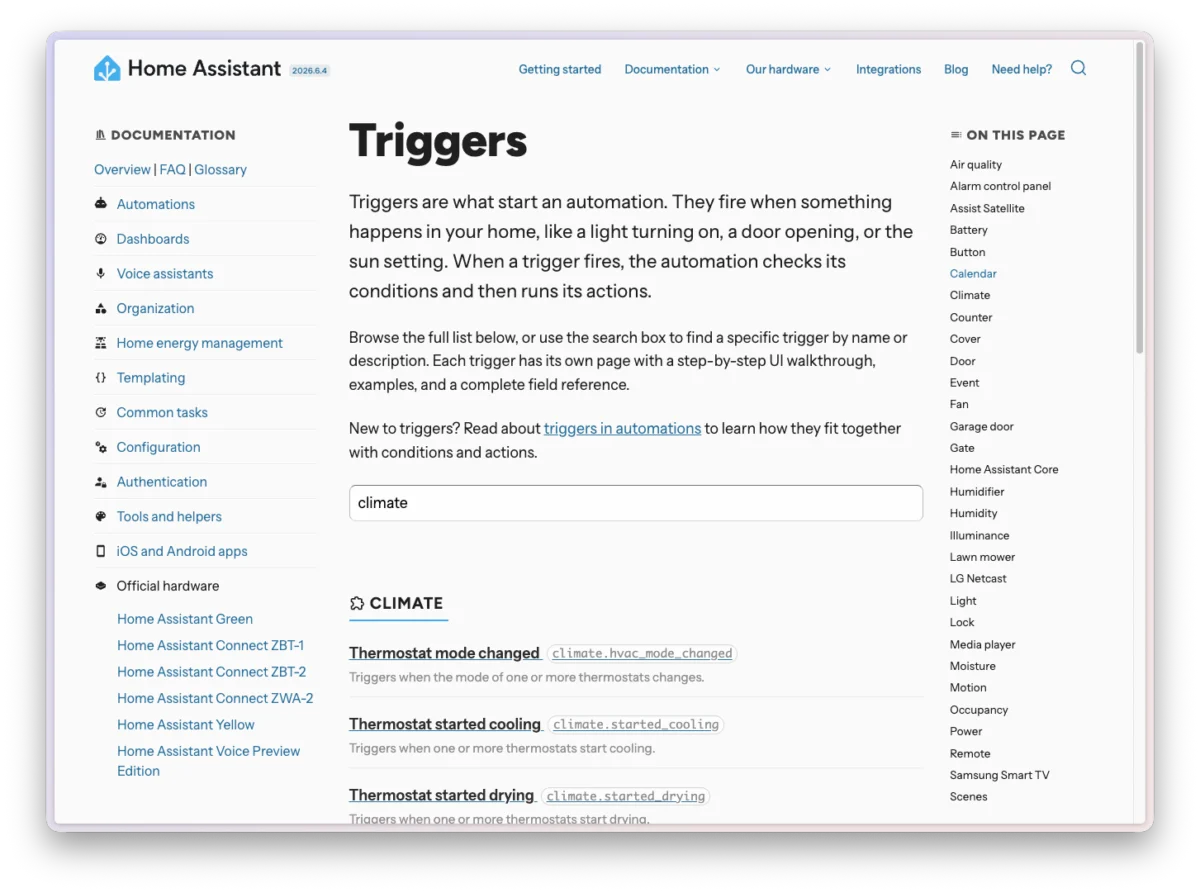
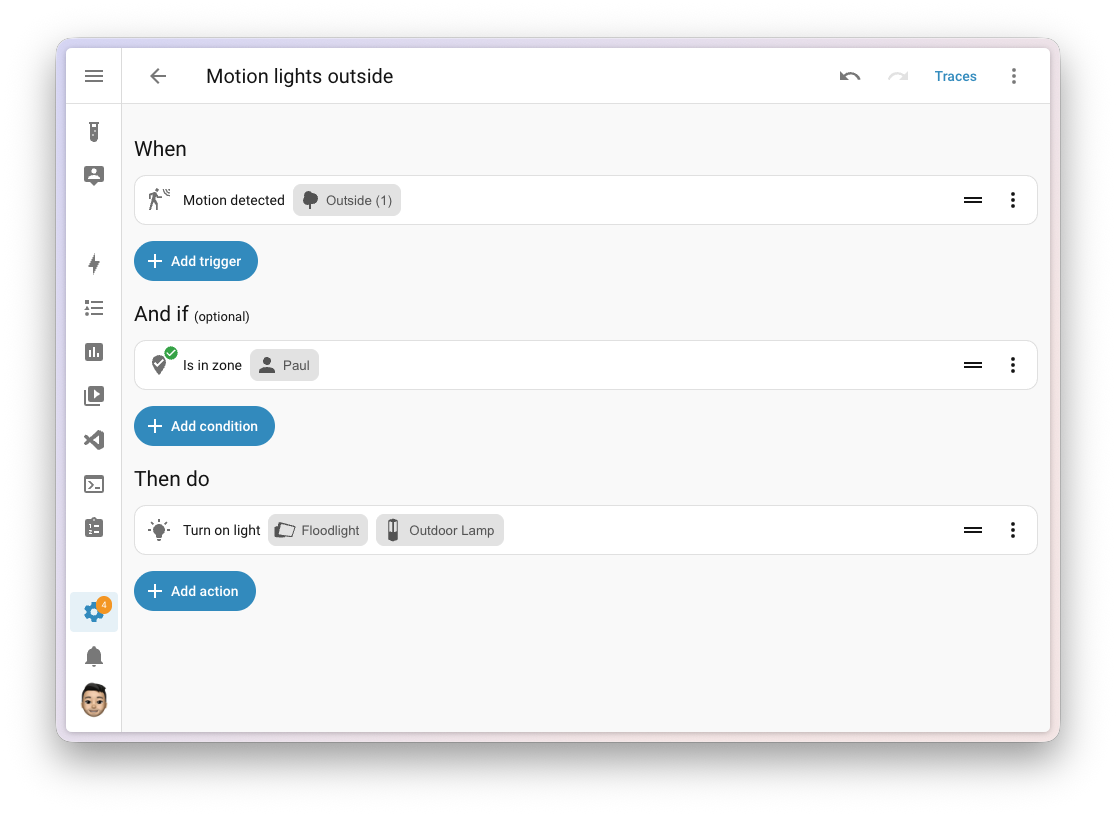
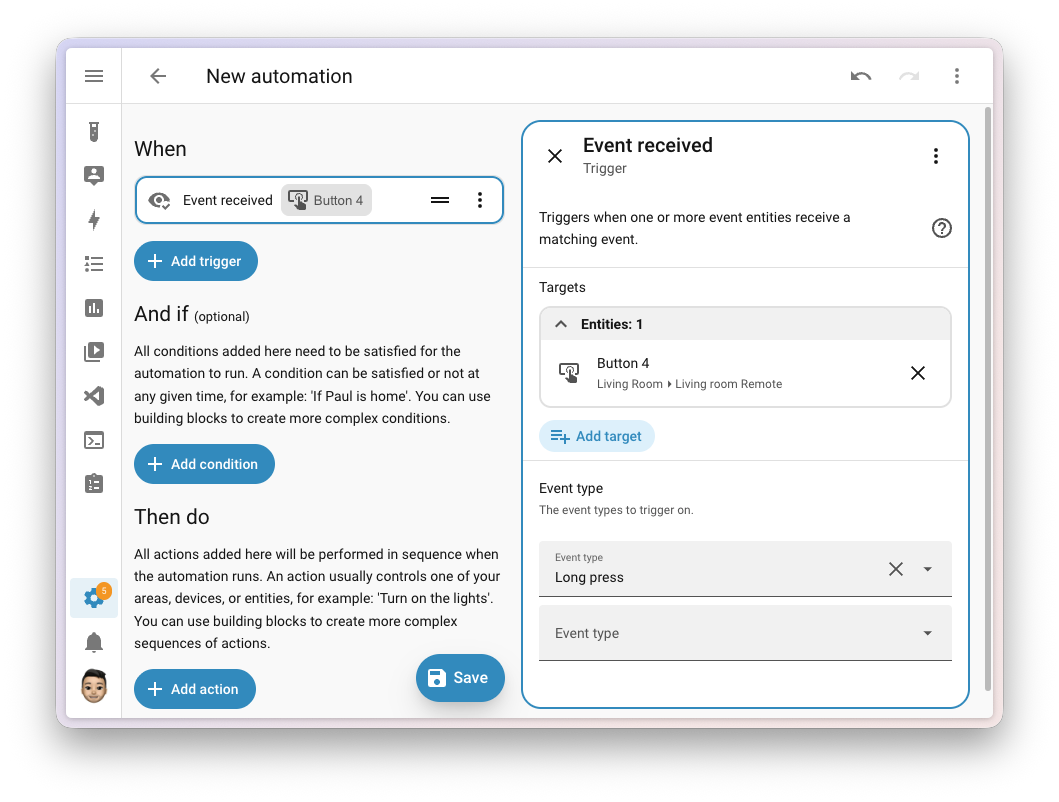
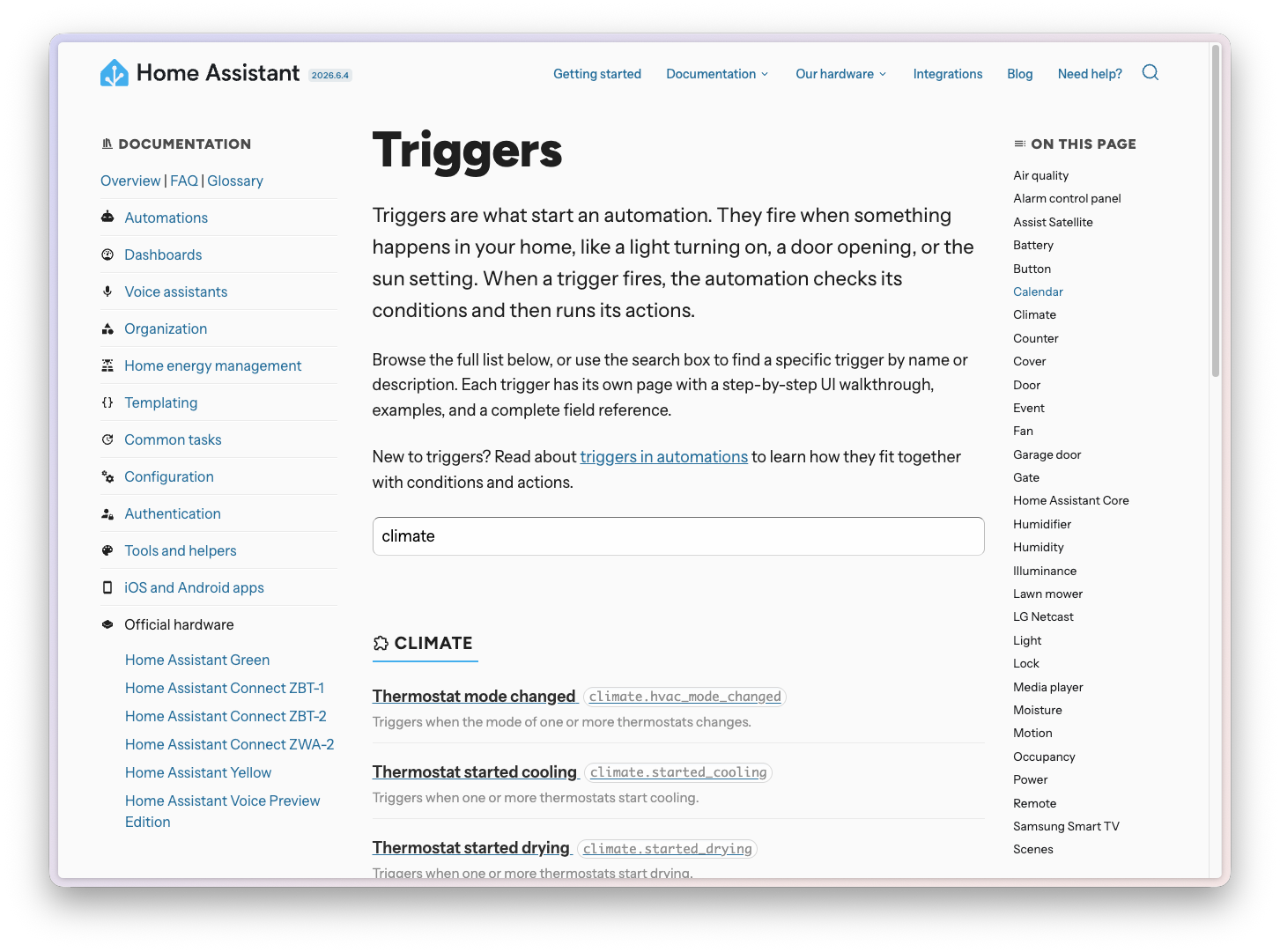
The centerpiece of the 2026.7 release is the transition of purpose-specific triggers and conditions from the "Labs" environment to the default automation editor. This change represents the culmination of an eight-month development cycle that began in December 2025. The core philosophy behind this shift is the move away from "primitive-based" logic toward "intent-based" logic. Previously, users were required to understand the underlying technical states of an entity—such as whether a sensor reported as "on," "detected," or "true"—to create a functioning automation.
Under the new system, the automation engine has been re-engineered to speak a more natural language. Instead of configuring a numeric state trigger for a temperature sensor, users can now select a "Temperature crossed threshold" trigger. This abstraction layer removes the need for users to memorize specific attributes or units of measurement. Furthermore, the engine now handles technical edge cases, such as "unknown" or "unavailable" states, automatically. This prevents automations from failing or triggering unexpectedly when a device momentarily loses connectivity, a common "technical trap" that previously plagued novice and expert users alike.
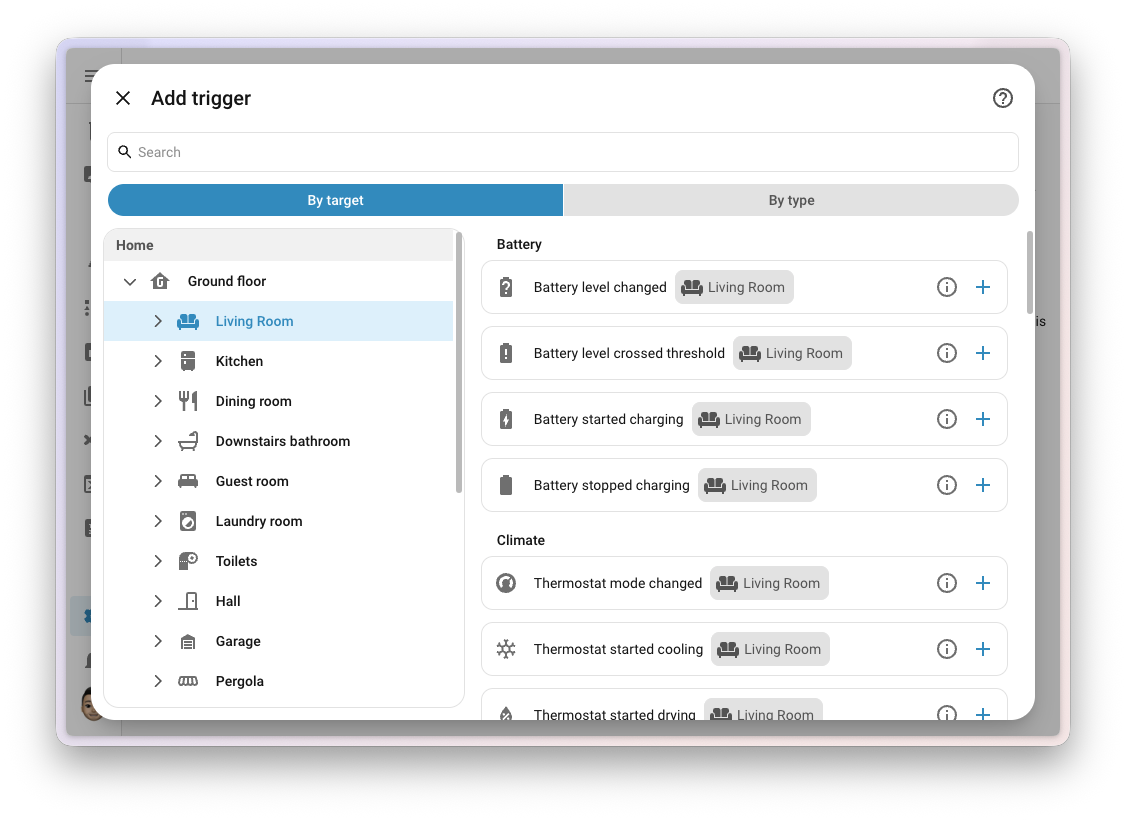
The updated editor also introduces robust support for area-based targets. This allows an automation to be tethered to a physical space rather than a specific hardware ID. For example, a user can set a trigger for "motion detected in the living room" rather than selecting a specific PIR sensor. If the hardware in that room is replaced or if additional sensors are added, the automation remains intact and functional without manual reconfiguration. This structural change improves the long-term maintainability of complex smart home setups.
Redesigning System Transparency: The Activity Timeline
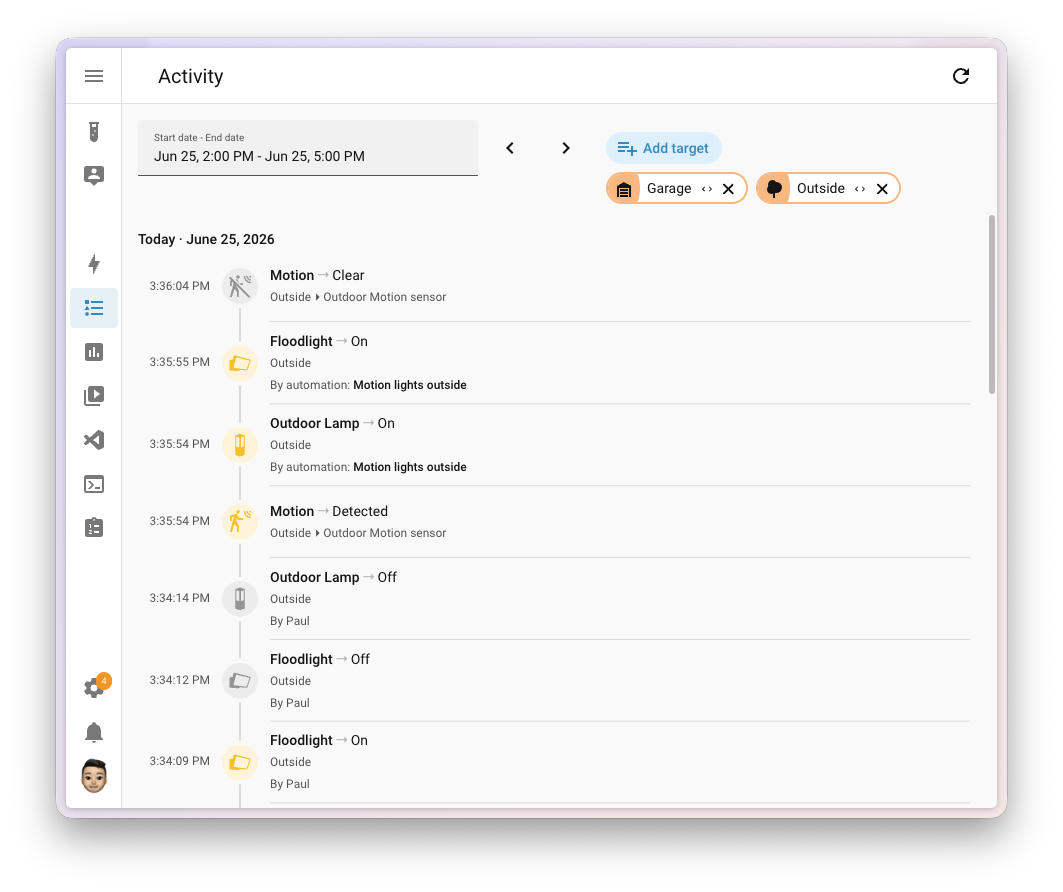
Another major component of the 2026.7 update is the complete reconstruction of the Logbook, now rebranded and integrated as the Activity timeline. For years, the Logbook served as a text-heavy list of events, often repeating device names and using inconsistent wording for state changes. The new Activity timeline adopts a modern, feed-like structure that prioritizes visual scanning and context.
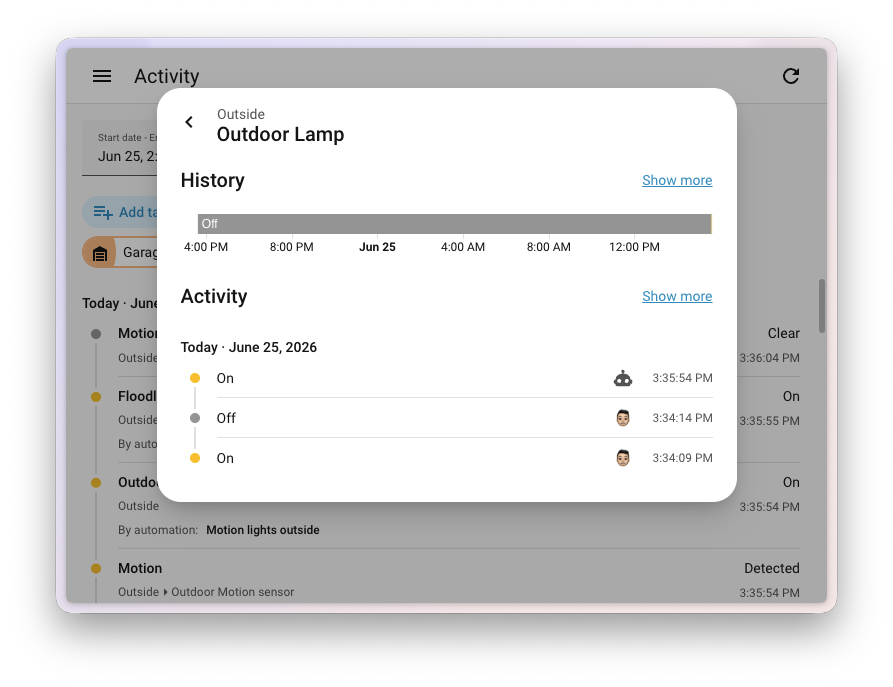
Entries are now arranged on a vertical rail, grouped by day with clear headers for "Today" and "Yesterday." Each entry includes a timestamp, a colored icon representing the entity’s state, and concise text. The interface is designed to be context-aware; when viewing the activity for a specific device, the system automatically hides the device name to reduce visual clutter. Conversely, on a broad system view, the icons take on the state-specific colors—such as amber for "on" or grey for "off"—allowing users to understand the sequence of events at a glance without reading individual lines of text.
The timeline also introduces "cause icons," which provide immediate insight into why an action occurred. If a light was turned on by an automation, a small icon indicates the trigger source, linking the event directly to the logic that governed it. This feature is particularly useful for troubleshooting "ghost" triggers in complex environments.
Centralized Maintenance and the Update All Functionality
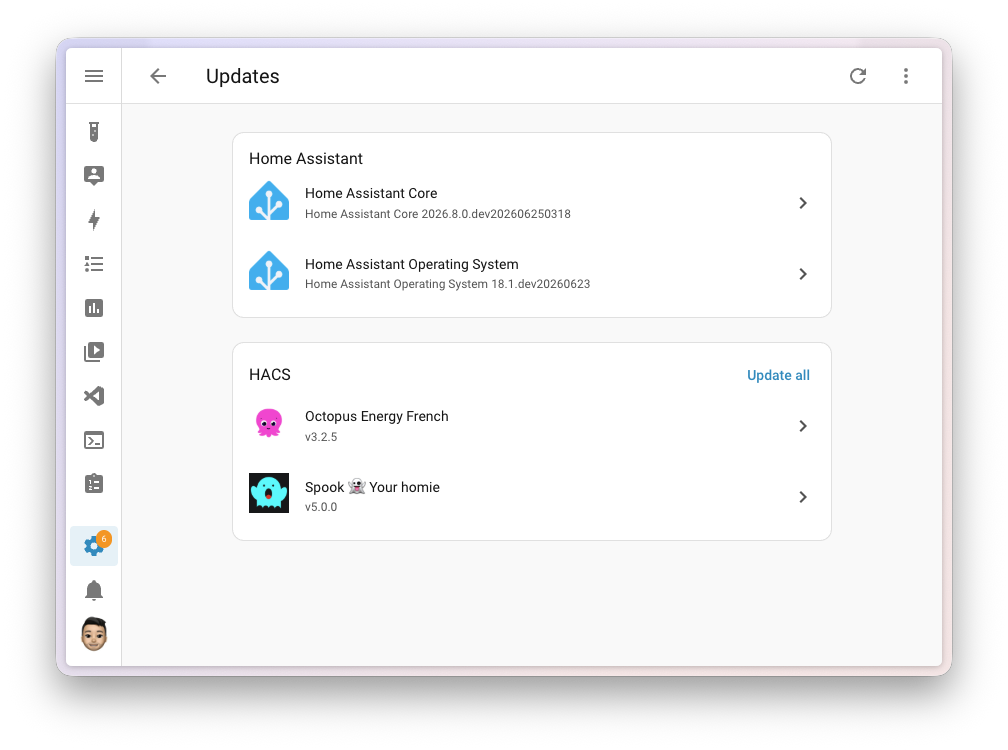
As smart home installations grow in scale, the burden of maintenance has become a prominent concern for the Home Assistant community. Version 2026.7 addresses "update fatigue" by introducing a centralized "Update All" button within the Settings menu. Previously, users were required to manually confirm updates for the Home Assistant Core, various Add-ons, and individual ESPHome devices one by one.
The new Updates page reorganizes pending tasks into logical cards. Updates are categorized by their type—such as Core, Add-ons, or ESPHome firmware—and can be executed in bulk. This change is particularly beneficial for users managing large fleets of microcontrollers, where a single security patch or feature update might apply to dozens of identical devices. By reducing the number of confirmation dialogs and clicks required to keep a system current, the platform aims to improve the overall security posture of its user base, as users are more likely to stay updated when the process is frictionless.
Hardware Support and Integration Expansions
The 2026.7 release continues Home Assistant’s commitment to hardware diversity, introducing 10 new community-contributed integrations. These include support for Anker SOLIX energy systems, Elica hoods, and Sunsynk inverters, among others. The release also expands the "Virtual Integrations" category, which helps users find support for devices that are technically managed by existing backend integrations but marketed under different brand names.
Significant improvements have been made to the Zigbee Home Automation (ZHA) management interface. The previously cramped dialog boxes for managing Zigbee clusters, bindings, and neighbor tables have been replaced with a full-page, tabbed interface. This provides professional-grade tools for network diagnostics in a format that is much easier to navigate.
Furthermore, for the roughly one-third of the Home Assistant user base running the platform on Raspberry Pi hardware, a new "update entity" has been introduced for the Raspberry Pi bootloader (EEPROM). This allows users to update the firmware of their host hardware directly from the Home Assistant UI, a process that previously required manual command-line intervention or the flashing of separate SD cards. This is especially critical for Raspberry Pi 5 users, as recent firmware updates have provided essential fixes for NVMe drive compatibility and thermal management.
Contextual Background and Chronology
The development of Home Assistant 2026.7 follows a strategic roadmap focused on the "Year of the Voice" and subsequent efforts to refine the user experience (UX). The Open Home Foundation, the governing body behind Home Assistant, has increasingly focused on making local-control smart homes a viable alternative to cloud-dependent ecosystems like those provided by major tech conglomerates.
- December 2025: Introduction of purpose-specific triggers in the "Labs" section.
- Q1-Q2 2026: Incremental updates to the automation engine and documentation.
- July 2026: Official launch of 2026.7, graduating the new automation editor to the stable branch and debuting the Activity timeline.
- September 2026: Planned appearance at IFA Berlin, marking the Open Home Foundation’s first major presence at one of the world’s largest consumer electronics trade shows.
Analysis of Implications
The 2026.7 release signals a shift in the smart home landscape. By simplifying the automation logic, Home Assistant is positioning itself to capture a broader market share of users who desire privacy and local control but lack the technical patience for traditional YAML configuration. The emphasis on "intent-based" triggers aligns the platform with modern user interface trends seen in mobile operating systems.
Additionally, the improved documentation and structured building blocks provide a better foundation for Artificial Intelligence (AI) integration. As users increasingly turn to Large Language Models (LLMs) to help write home automations, having a standardized, well-documented set of triggers and conditions allows these AI tools to provide more accurate and reliable suggestions, further lowering the barrier to entry.
Despite these moves toward simplification, the platform has maintained its support for power users. The new triggers and conditions are fully compatible with YAML, ensuring that those who prefer "infrastructure as code" are not marginalized. This dual-track approach—improving the UI while respecting the flexibility of the backend—is central to Home Assistant’s continued dominance in the enthusiast smart home market.
Technical Notes and Backward Compatibility
As with any major release, version 2026.7 includes several backward-incompatible changes that require user attention. Several entity triggers and conditions have been renamed to ensure consistency across different domains. While existing automations will continue to function for a grace period, users are encouraged to update their scripts to reflect the new naming conventions.
Other notable changes include:
- Person Entities: Latitude and longitude reporting has been adjusted for privacy and accuracy; users are advised to use the new
in_zonesattribute for location-based logic. - Integration Removals: Several legacy integrations that relied on defunct APIs or unmaintained libraries have been officially removed to maintain system stability.
- Z-Wave JS: A server update to version 3.9.0 or newer is now required to maintain compatibility with the latest Z-Wave features.
The Home Assistant 2026.7 release is available immediately for all supported platforms. Users are encouraged to review the full changelog and perform a system backup before initiating the update process.


