The Evolution of Apple Intelligence in the Smart Home
At the most recent Worldwide Developers Conference (WWDC), Apple unveiled a sweeping vision for its smart home ecosystem, centered on the integration of Apple Intelligence. This suite of generative AI and machine learning tools is designed to make the Home app more intuitive and proactive. Among the most touted features is the "Intelligent Notification" system. In the current iteration of the Home app, a single event—such as a resident returning home—often triggers a cascade of individual, fragmented alerts. A user might receive separate notifications for a person detected in the driveway, the garage door opening, the garage door closing, motion at the front door, and finally the front door unlocking.
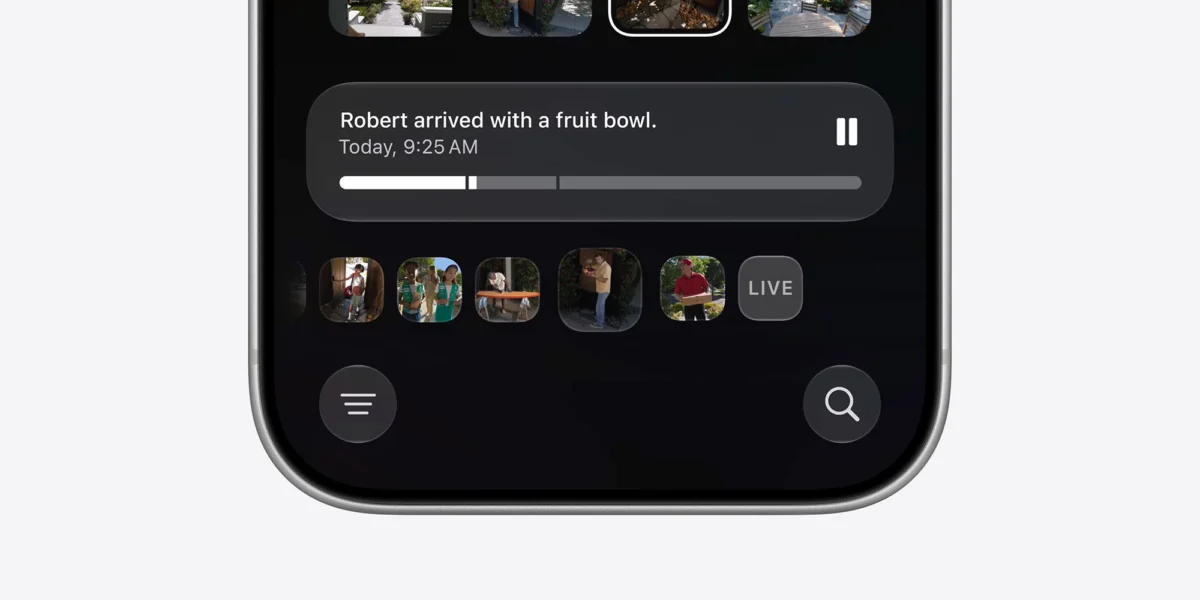
Under the new system introduced in iOS 27 and macOS 27, Apple Intelligence analyzes these sequential events to provide a single, coherent summary: "Robert arrived home." This requires the system to understand temporal and spatial relationships between different sensors and cameras, a feat of processing that Apple initially suggested would be a standard part of the updated user experience. However, the discovery in the macOS 27 beta 3 release notes clarifies that these summaries, along with other advanced video analytics, are not part of the base service.
Technical Enhancements: 4K Video and Semantic Search
Beyond notification summaries, the upcoming update introduces a significant technical upgrade to HomeKit Secure Video (HKSV). For the first time, the platform will support 4K resolution, moving up from the previous 1080p limit. While the higher resolution provides much-needed clarity for identifying faces or license plates, it also necessitates significantly higher bandwidth and storage capacity, which Apple is citing as part of the justification for the 2TB requirement.
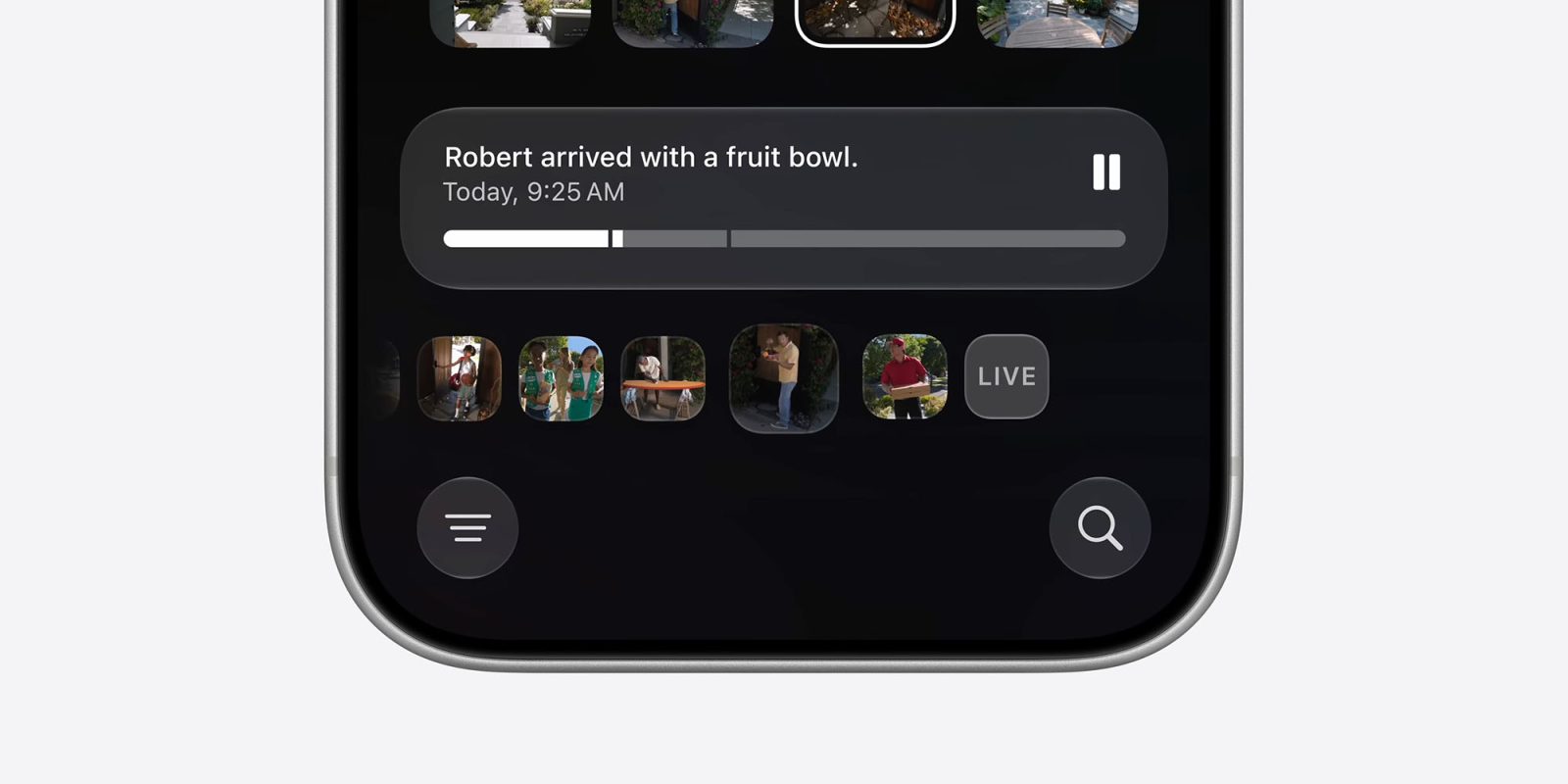
The AI-powered features also include "Generated Video Descriptions." This tool allows the Home app to create text-based summaries of what occurred in a video clip, allowing users to understand an event without manually scrubbing through footage. Complementing this is a new "Natural Language Search" function. Users can search for specific events, such as "when did the UPS truck arrive?" or "show me clips of the dog in the backyard," using semantic understanding rather than just timestamps or motion triggers.

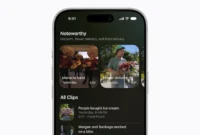
Furthermore, the Home app will now feature a "Noteworthy Clips" section at the top of the search page. This section uses on-device and cloud-based intelligence to highlight what it deems the most important moments of the day, such as a package delivery or an unrecognized person at the door, filtering out routine motion like swaying trees or passing cars.
The Cost of Intelligence: Subscription Tiers and Requirements
The requirement for a 2TB iCloud+ plan marks a departure from the previous tiered structure of HomeKit Secure Video. Historically, HKSV accessibility was tied to the number of cameras a user owned:
- 50GB Plan ($0.99/mo): Supported a single camera.
- 200GB Plan ($2.99/mo): Supported up to five cameras.
- 2TB Plan ($9.99/mo): Supported an unlimited number of cameras.
The new policy dictates that regardless of the number of cameras owned, the Apple Intelligence features—summaries, 4K support, and semantic search—are exclusive to the 2TB tier. For a user with a single camera who currently pays $0.99 per month for storage, the jump to $9.99 represents a tenfold increase in monthly costs to access the latest software capabilities.
Industry analysts suggest this is part of Apple’s broader effort to bolster its Services revenue, which has become a cornerstone of the company’s financial growth. In the third quarter of 2024, Apple reported Services revenue of $24.2 billion, a record high. By tying highly anticipated AI features to the most expensive storage tier, Apple creates a powerful incentive for users to migrate to higher-margin subscription plans.
Historical Context and the Competitive Landscape
Apple’s decision arrives at a time when the smart home market is increasingly defined by "subscriptionification." Competitors like Google (Nest), Amazon (Ring), and Arlo have long required monthly fees to access recorded footage and advanced AI features.
- Google Nest Aware: Costs $8 per month (or $80 annually) for basic event history, while Nest Aware Plus, which includes 10 days of 24/7 video history, costs $15 per month.
- Ring Protect: The Basic plan starts at $4.99 per month for one device, while the Plus plan is $10 per month for all devices at a single location.
- Arlo Secure: Plans start at $7.99 per month for a single camera and $12.99 for unlimited cameras.
Historically, Apple’s HKSV was viewed as a more privacy-centric and potentially more cost-effective alternative because it integrated with the iCloud storage users were often already paying for. By mandating the 2TB tier for AI features, Apple is moving closer to the pricing models of its competitors, potentially eroding its status as the "value" choice for users already embedded in the Apple ecosystem.
The timeline of HomeKit’s development shows a steady move toward this cloud-dependent model. Launched in 2014 with iOS 8, HomeKit was initially a local-only framework. It wasn’t until 2019, with the introduction of HomeKit Secure Video in iOS 13, that Apple began leveraging iCloud for encrypted video storage. The 2021 update to iCloud+ removed camera limits on the 2TB plan, which was seen as a major win for enthusiasts. The 2024/2025 shift toward AI-gating represents the next chapter in this evolution.
Infrastructure and Privacy: The Private Cloud Compute Factor
One of the likely reasons for the 2TB requirement is the immense computational power required to process 4K video through large language models (LLMs) and computer vision algorithms. Apple has emphasized that its AI processing is handled via "Private Cloud Compute" (PCC). PCC utilizes custom Apple silicon in the data center to ensure that user data is never accessible to Apple and is used only to fulfill the specific request.
The cost of maintaining these specialized AI servers is substantially higher than traditional data storage. By funneling AI users into the 2TB plan, Apple may be attempting to offset the capital expenditure and operational costs of the PCC infrastructure. However, this technical necessity does little to alleviate the frustration of users who feel that software features for hardware they already own should not be locked behind a premium monthly fee.
Industry Reactions and Implications
The reaction from the smart home community has been mixed. Privacy advocates note that Apple still offers a superior privacy model compared to competitors, as HKSV features end-to-end encryption and on-device processing where possible. However, consumer hardware analysts point out that this move could stifle the adoption of HomeKit-compatible cameras.

"Apple is effectively creating a ‘Pro’ tier for the smart home," says technology analyst Marcus Thorne. "While 4K and AI summaries are ‘pro’ features in name, they are becoming the baseline expectation for consumers in 2024. By pricing these at the $10 level, Apple risks alienating the casual user who just wants a smart doorbell that works intelligently."
Third-party manufacturers such as Logitech, Eve, and Aqara, who have built their business models around HKSV compatibility, may also feel the impact. If the barrier to entry for a "smart" experience becomes too high, consumers may opt for cheaper, proprietary systems that offer similar AI features at a lower total cost of ownership, even if they lack Apple’s privacy guarantees.
Conclusion and Future Outlook
As macOS 27 and iOS 27 move toward their public release, the debate over the "AI Tax" in the smart home is likely to intensify. Apple’s strategy reflects a broader industry trend where hardware is sold as a gateway to recurring service revenue. For the 2TB iCloud+ subscriber, the new Home app features represent a significant value add to an existing plan. For everyone else, it is a reminder that the future of the intelligent home will come with a monthly bill.
The coming months will reveal whether Apple maintains this strict requirement or if, following public feedback during the beta period, it introduces a middle-tier "AI Add-on" or lowers the requirement to the 200GB plan. For now, the message is clear: the most advanced version of Apple’s vision for the home is a premium experience reserved for its highest-paying cloud customers.