The global outdoor recreation industry has experienced unprecedented growth over the last decade, with the market for camping and hiking equipment reaching billions of dollars in annual revenue. However, a growing consensus among wilderness survival instructors, mountain guides, and safety researchers suggests that the proliferation of high-end gear has not necessarily translated into a safer backcountry experience. While consumers often focus on the technical specifications of their equipment, seasoned professionals argue that the most critical survival tool remains the user’s judgment—a component that cannot be purchased or upgraded.
Through the insights of three prominent wilderness experts—survival instructor Kevin Estela, mountain guide Ken Wylie, and safety researcher Ty Gagne—a clear pattern emerges: the majority of wilderness emergencies are precipitated by human error rather than mechanical failure. Their collective experience highlights a fundamental disconnect between perceived preparedness and the functional reality of surviving in rugged environments.

The Competence Gap: Why High-End Gear Often Fails the User
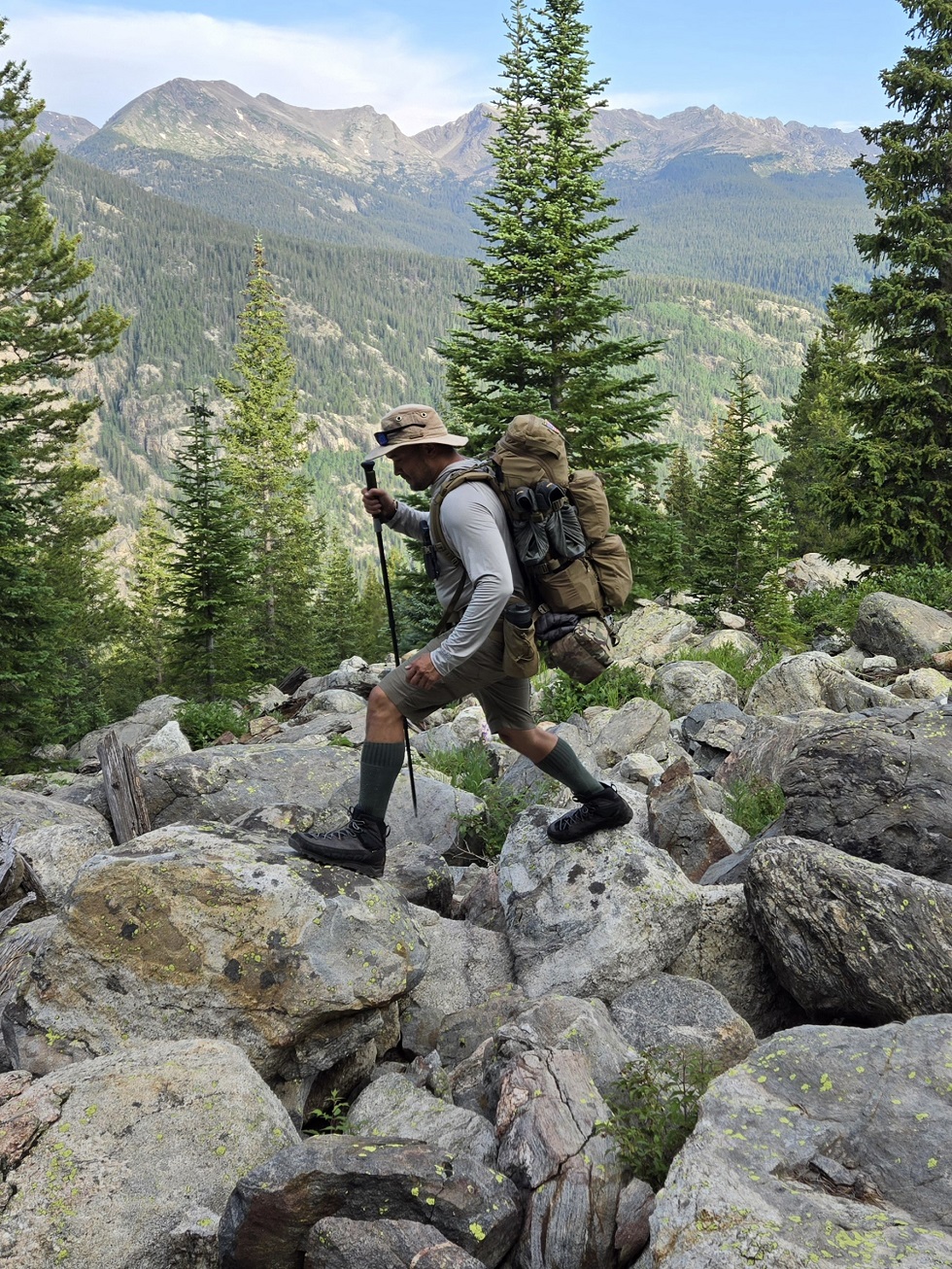
Kevin Estela, a veteran survival instructor and author of 101 Skills You Need to Survive in the Woods, has spent decades observing students as they transition from controlled environments to the unpredictable backcountry. According to Estela, the most common mistakes are often the most mundane, beginning long before a traveler reaches the trailhead.
"Spend enough time teaching survival and you start recognizing mistakes before people have even shouldered their packs," Estela notes. He identifies footwear as the primary point of failure for many novices. The "brand-new boot" phenomenon—where hikers purchase high-end footwear immediately before a trip without a proper break-in period—results in debilitating blisters that can immobilize a group. Furthermore, Estela emphasizes that a lack of basic maintenance often renders expensive tools useless. Flashlights with corroded batteries or GPS units with depleted charges are common sights in the field, proving that the price of a tool is irrelevant if it is not maintained in a state of readiness.

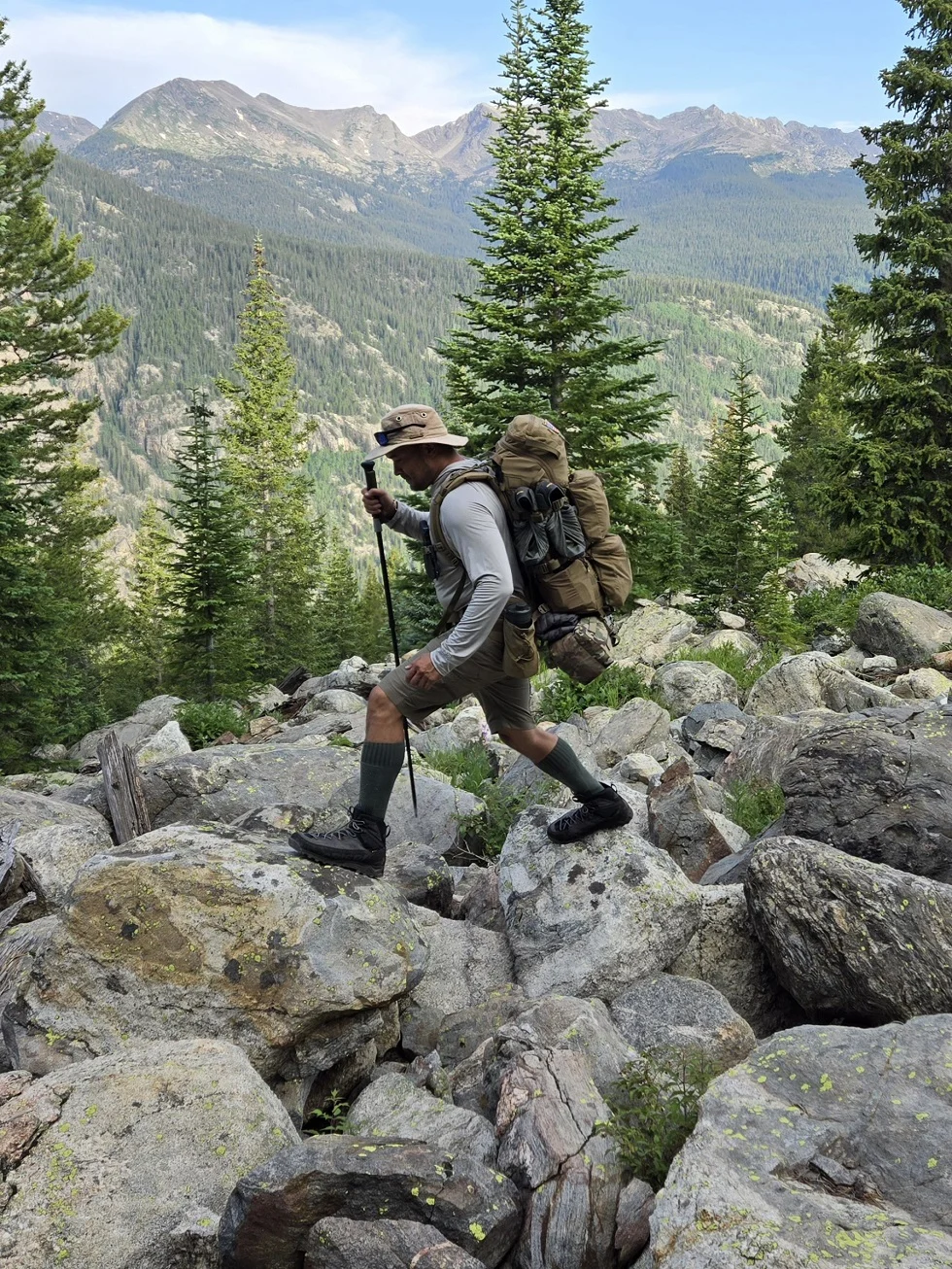
Estela also points to the "Internet Effect," where social media gear lists drive consumers to overpack. This often results in what he calls a "gypsy camp" aesthetic, with gear hanging off the outside of packs. Externally lashed equipment creates snag hazards and shifts the wearer’s center of gravity, increasing the risk of falls on technical terrain.
The Forensic View: Quantifying Human Error in the Wilderness
Ty Gagne, a mountain safety researcher and author of The Last Traverse, approaches wilderness safety through the lens of risk management. As a researcher who analyzes search-and-rescue (SAR) data, Gagne provides a sobering statistical perspective on equipment.
Data from organizations such as the National Park Service (NPS) and various mountain rescue associations suggest that true equipment failure—defined as a tool breaking while being used correctly within its design parameters—is remarkably rare. Gagne estimates that such failures account for only one to three percent of all backcountry incidents. The remaining 97 percent of emergencies are attributed to human factors, including poor planning, inadequate skill levels, and "decision-making traps."
"The biggest misconception is that gear creates safety," Gagne explains. "It doesn’t. Gear is only one component of a much bigger system." He highlights the "Smartphone Trap" as a modern crisis in wilderness safety. Many hikers now rely on a single device for navigation, communication, and lighting. When cold temperatures or heavy usage drain the battery, the hiker loses three essential survival systems simultaneously. In New Hampshire’s White Mountains, a significant portion of SAR callouts involve hikers who became lost or stranded simply because their primary digital tool failed and they lacked a manual backup, such as a map and compass.
Common Decision-Making Traps in the Backcountry
Based on Gagne’s research, several psychological factors frequently lead to disaster:

- Plan Continuation Bias: Often called "summit fever," this is the drive to reach a goal despite deteriorating weather or physical exhaustion.
- Heuristic Traps: Relying on familiar paths or the presence of other people as a false indicator of safety.
- Cognitive Impairment: As hypothermia or exhaustion sets in, the brain’s executive function declines, making it difficult for individuals to recognize they are in danger.
The Psychology of Risk: Lessons from an Avalanche Survivor
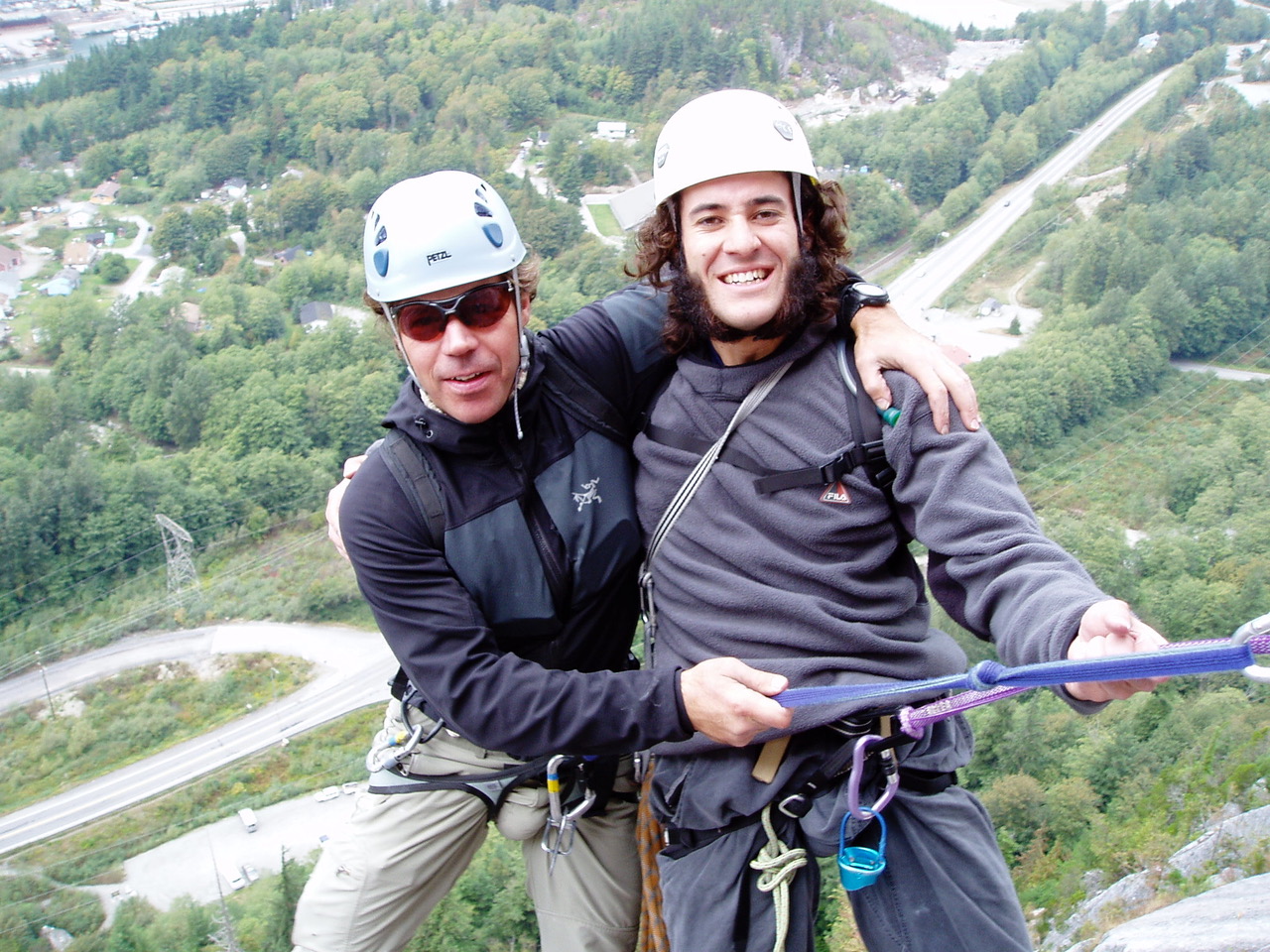
Ken Wylie, a veteran mountain guide and leadership coach, offers a perspective forged by tragedy. In 2003, Wylie was involved in a catastrophic avalanche in the Selkirk Mountains of British Columbia that claimed seven lives. While he survived due to the use of an avalanche transceiver, probe, and shovel, the experience led him to a profound realization: the gear that saved his life had also contributed to the overconfidence that led the group into the path of the slide.
This phenomenon, known in psychology as "Risk Homeostasis," suggests that as safety equipment becomes more advanced, individuals tend to take greater risks, effectively negating the safety margin provided by the technology.
"Gear empowers us, and that’s one of the great gifts of spending time in wild places," Wylie says. "But that confidence has to shift from the object to the self." Wylie recounts instances where climbers at 19,000 feet on Aconcagua were unable to melt snow for water because they did not know how to perform basic maintenance on their stoves. In the thin air of high-altitude mountaineering, a clogged fuel jet is not a minor inconvenience—it is a life-threatening crisis. Wylie argues that true expertise is found in the ability to "do more with less," relying on fieldcraft and mechanical knowledge rather than a continuous supply of new equipment.
Functional Utility: The Value of "Boring" Gear
While the outdoor industry markets "tactical" knives and high-tech electronics, the experts interviewed consistently pointed toward simple, multi-functional tools as the most valuable items in their kits.
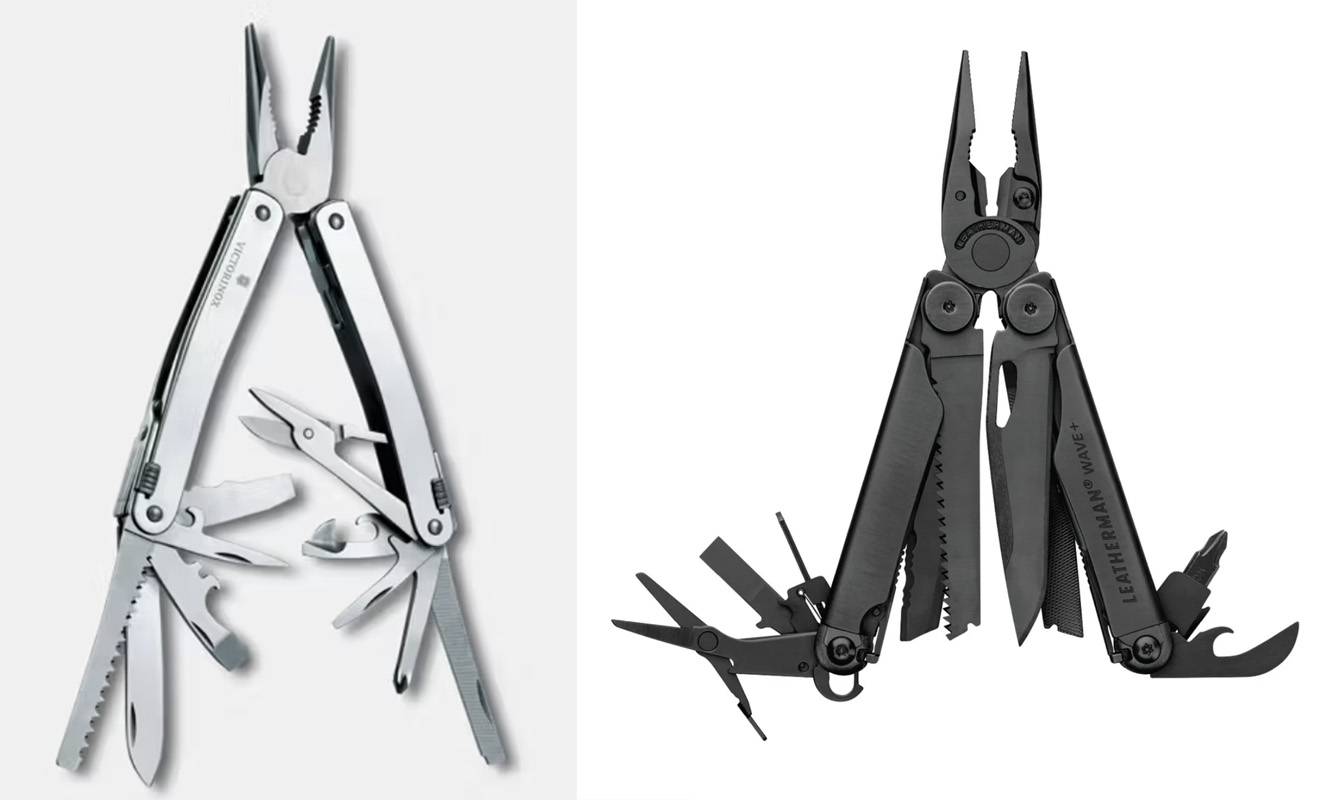
- The Swiss Army Knife/Multitool: Estela and Wylie both champion the utility of a basic folding tool over large, fixed-blade "survival" knives. The ability to perform fine mechanical repairs (like clearing a stove jet or fixing a binding) often outweighs the need for a heavy-duty cutting tool.
- The Triangular Bandage/Bandana: Often overlooked, a large piece of cotton cloth can serve as a bandage, a water filter, a pot holder, a head covering, or a signaling device.
- Basic Repair Kits: The experts emphasize that a small roll of duct tape, a few zip ties, and a needle and thread can solve 90 percent of gear-related problems in the field.
Chronology of a Typical Wilderness Incident
To understand the relationship between gear and judgment, it is helpful to examine the typical timeline of a backcountry emergency as identified by SAR researchers:
- T-Minus 24 Hours: The hiker relies on a social media gear list rather than checking localized weather forecasts. They pack high-tech layers but do not test them in wet conditions.
- The Departure: The hiker starts late, relying on the speed of their "ultralight" setup to make up time.
- The Pivot Point: A minor event occurs—a missed trail marker, a light rain, or a cooling temperature. The hiker, focused on their goal, ignores the signal to turn back.
- The Cascade: As darkness falls, the hiker’s phone battery dies. Fear triggers a stress response, narrowing their vision. They begin to move faster, leading to a slip-and-fall injury or total disorientation.
- The Outcome: The "perfect" gear is still in the pack, but the user is too cold or panicked to use it effectively. A rescue is initiated.
Broader Impact and Implications for the Future
The insights provided by Estela, Wylie, and Gagne have significant implications for the future of outdoor education and the search-and-rescue community. As the barrier to entry for the wilderness continues to lower through technology, the burden on volunteer SAR teams increases.
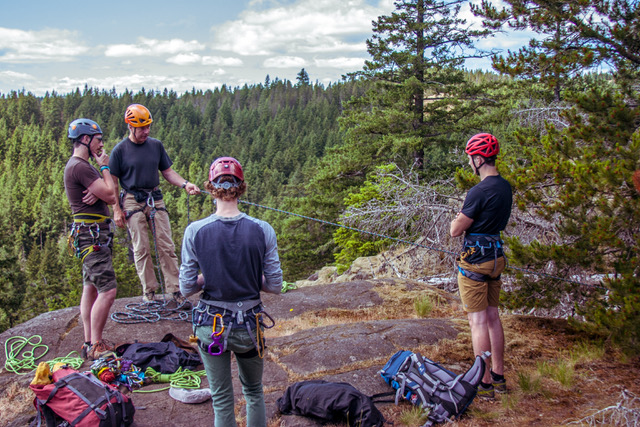
There is a growing movement toward "Minimalist Preparedness," which emphasizes the development of skills—such as fire-starting with natural materials, celestial navigation, and wilderness first aid—over the acquisition of more gear. Professional organizations are increasingly focusing on "Human Factors" training, teaching recreationists how to recognize the psychological biases that lead to poor decisions.

Ultimately, the consensus among these wilderness veterans is that gear should be viewed as an extension of the human body and mind, not a replacement for them. The most advanced gore-tex jacket or carbon-fiber backpack cannot compensate for a lack of situational awareness. As the wilderness remains one of the few places where human decisions have authentic, unbuffered consequences, the experts’ message is clear: pack for the conditions you will face, but train for the person you must become to survive them.