







In the early 1990s, the climbing scene near Mexico City was defined by a stark economic reality: the high-performance gear necessary for vertical exploration was almost exclusively imported, exorbitantly priced, and entirely out of reach for the local community. For a young Ben Zartman, then a high school student with a penchant for mechanical tinkering, this barrier to entry did not signify an end to his climbing ambitions, but rather the beginning of a lifelong obsession with design, load-bearing textiles, and independent manufacturing. While his peers at the local crags were sewing makeshift harnesses and fashioning rudimentary cams from scavenged materials, Zartman was quietly developing a skill set that would eventually disrupt the modern climbing industry.
From the Crag to the Coast: A Foundational Chronology
Zartman’s transition from an amateur tinkerer to a professional rigger was forged in the crucible of necessity. After his first exposure to the legendary granite walls of Yosemite in 1995—where his homemade rack was met with skepticism by traditionalists—Zartman’s trajectory shifted toward the sea. Displaced by a government shutdown that closed Joshua Tree National Park, he hitchhiked to San Diego and secured passage to Baja, Mexico, with a group of sailors.
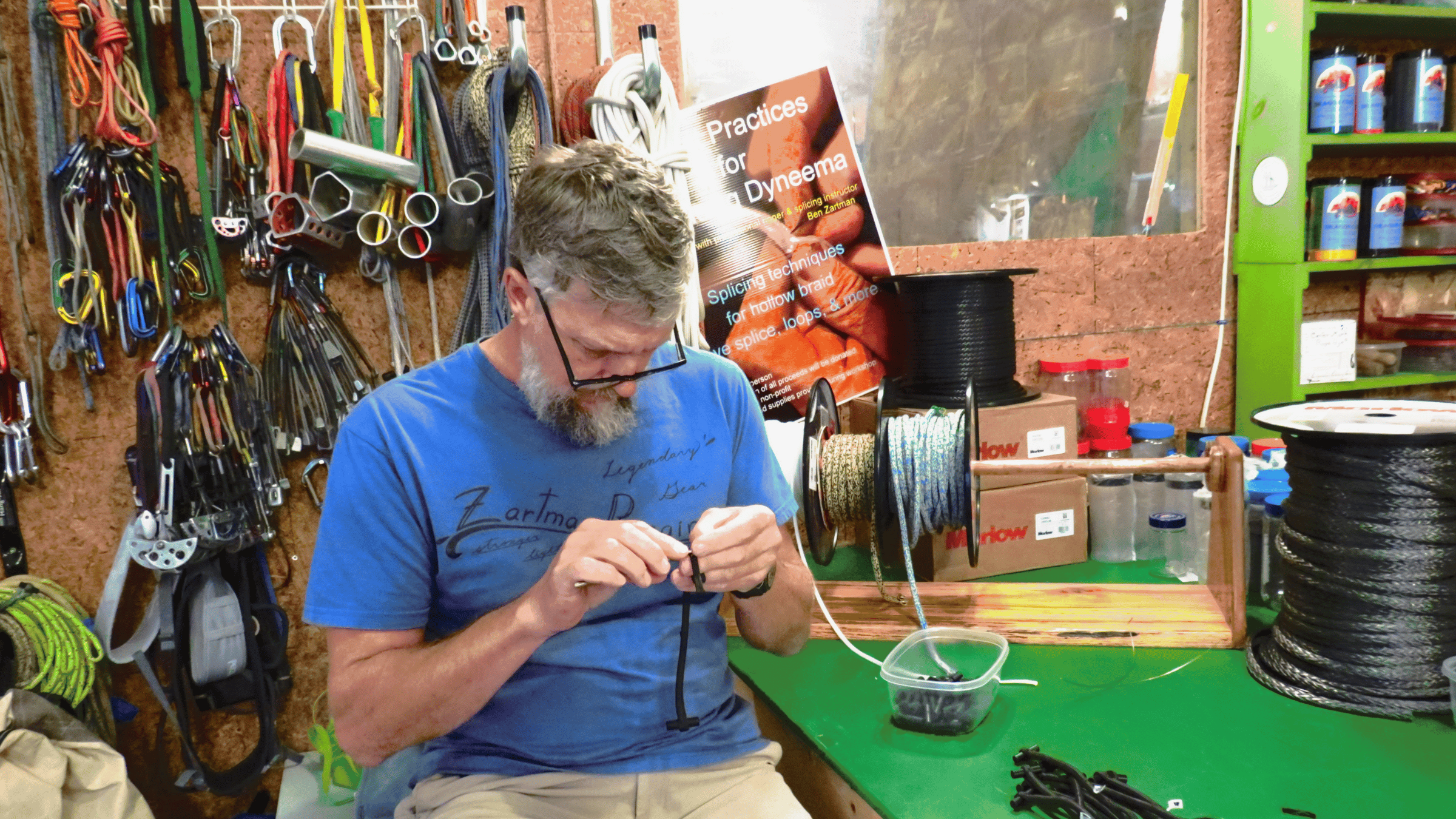
This pivot proved pivotal. Over the next several years, Zartman split his time between the high-altitude demands of big-wall climbing and the technical complexities of maritime rigging. He spent five years circumnavigating the globe on a vessel he had constructed himself, an endeavor that required an intimate understanding of synthetic fibers, tension, and structural integrity. By the time he settled into a professional rigging shop in Rhode Island, his expertise had expanded from the basic mechanics of climbing hardware to the advanced, high-tension engineering used in open-ocean racing. It was in this professional setting, while splicing high-end Dyneema—a ultra-high-molecular-weight polyethylene (UHMWPE) fiber—that the cognitive connection between sailing technology and climbing hardware finally crystallized.
The Engineering Paradigm Shift: Nautical Tech Meets Vertical Ascent
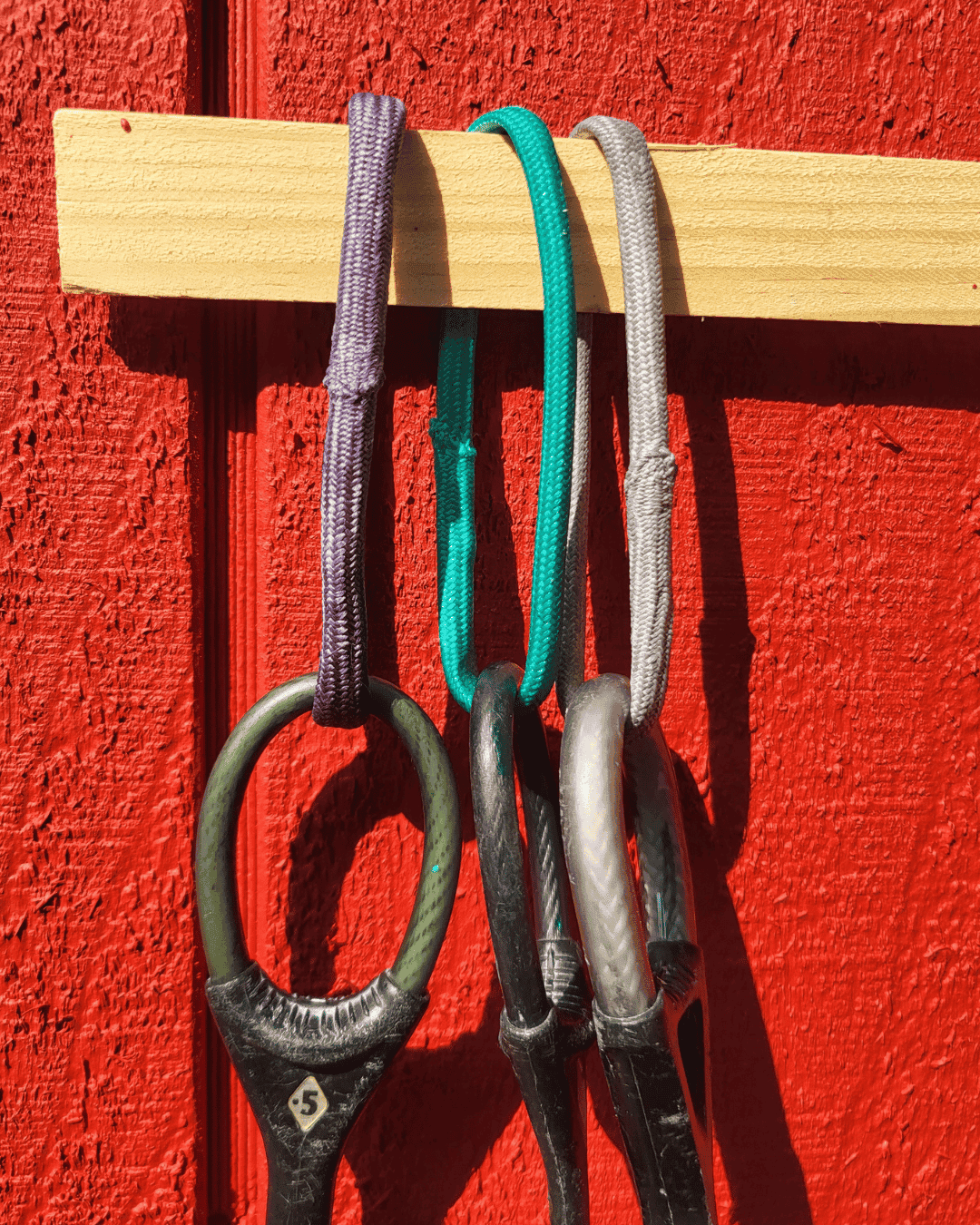
The core of Zartman’s innovation lies in the abandonment of traditional, stitched manufacturing in favor of splice-based construction. In conventional climbing gear, strength is often compromised at the point of connection. A standard "bar-tack"—the heavy stitching used to join two ends of a webbing loop—creates a point of stress concentration. Furthermore, the needle holes from the stitching process can introduce potential failure points in the synthetic fibers.
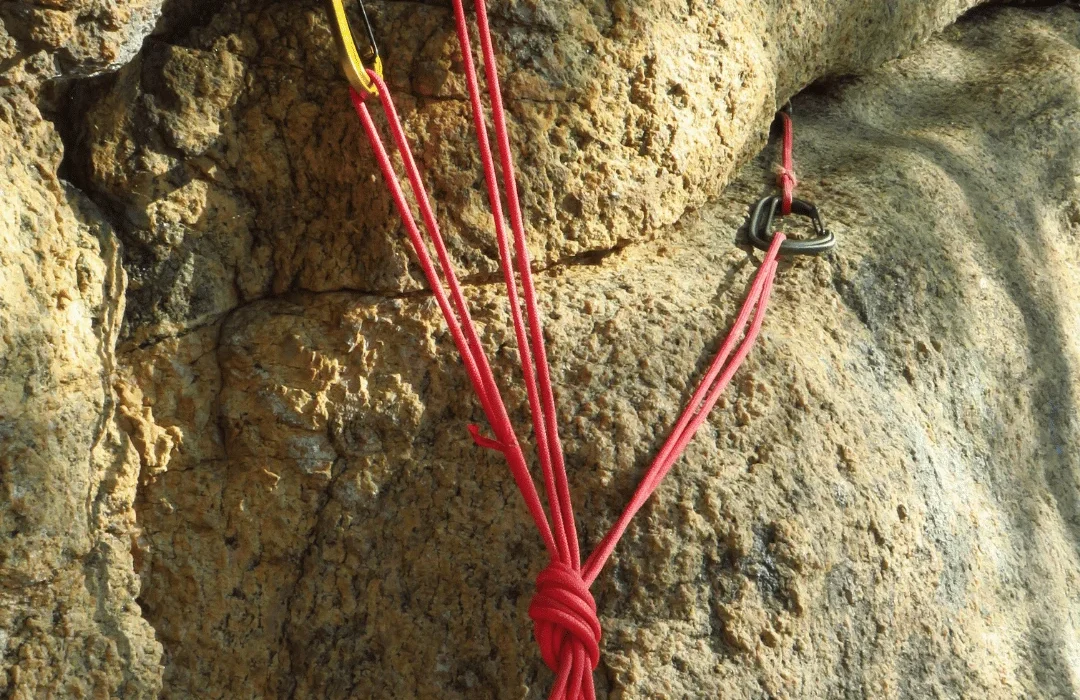
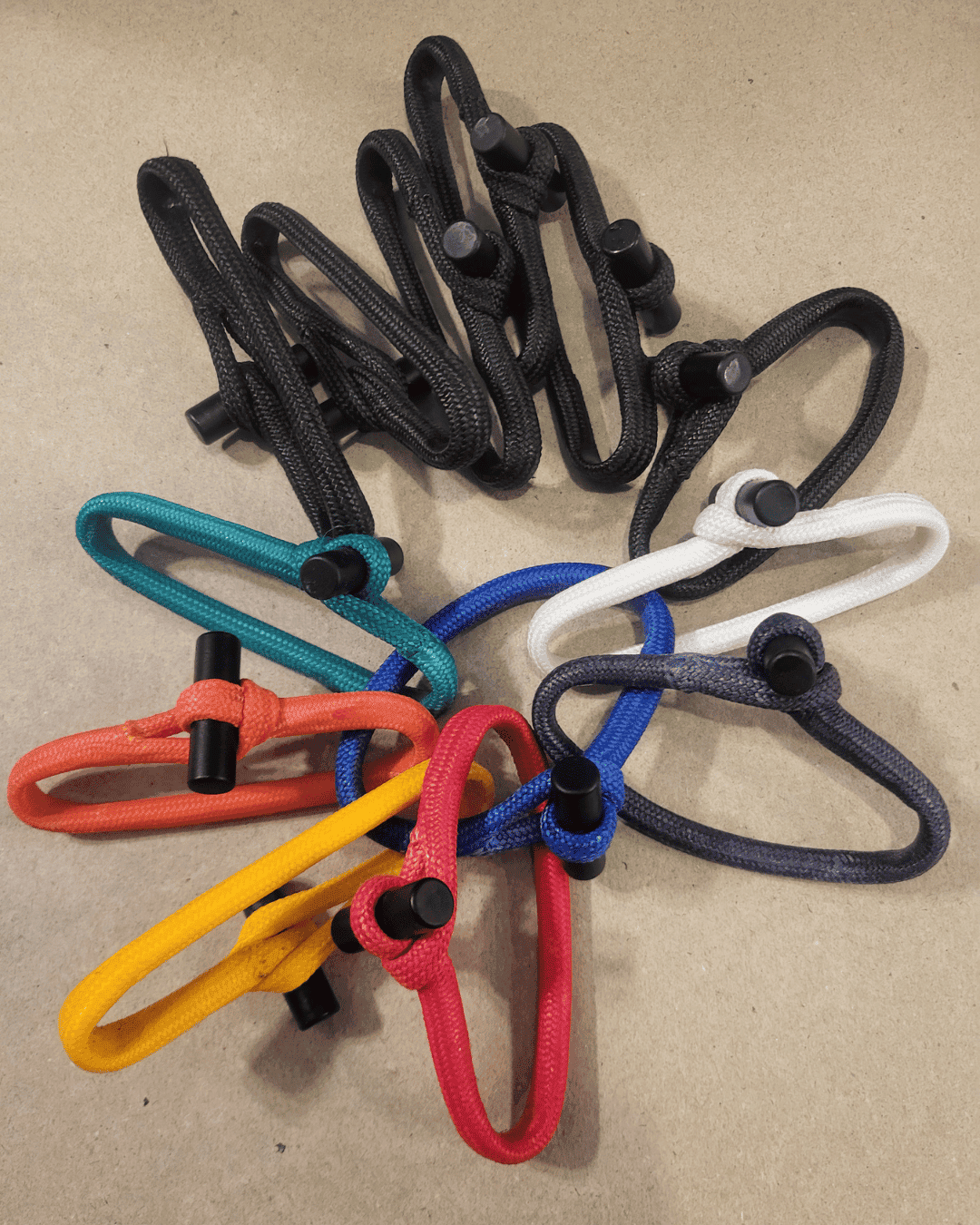
Zartman’s approach, derived from the sailing industry, utilizes a seamless, "snake-eating-its-tail" splicing technique. In this configuration, the load-bearing core is buried within its own tail. When under tension, the fibers constrict, creating a self-tightening suction effect that is significantly stronger than traditional stitched loops. The structural integrity of these slings is immense: while industry-standard Dyneema slings are typically rated for 22kN, Zartman’s seamless runners consistently test at 27kN, and his "Dreamlink" connectors have exceeded 42kN during laboratory stress tests, effectively maxing out the testing equipment used by the UIAA.
A Formalized Entry into the Market
By 2021, Zartman recognized that his concepts possessed a commercial viability that extended beyond his own personal rack. He initiated contact with major climbing manufacturers—including Black Diamond, Metolius, and Sterling—seeking to license or partner on the technology. Despite the potential for a breakthrough in gear safety and weight reduction, the initial response from established manufacturers was tepid.
Undeterred, Zartman pursued an independent path. In 2023, he officially launched Zartman Rigging. The transition from a garage operation to a recognized equipment manufacturer required rigorous adherence to international standards. He pursued certification from the Union Internationale des Associations d’Alpinisme (UIAA), the global governing body for mountaineering, ensuring his products met the strict safety criteria required for professional and recreational use. This certification was the catalyst for his inclusion in premier gear retailers, including IME in New Hampshire, Rock and Snow in New York, and various outlets in the Salt Lake City climbing hub.
Market Disruption and Industry Response
The introduction of Zartman’s gear into the commercial market has created a notable ripple effect. In 2025, the industry witnessed a significant shift when Black Diamond released its "Infinity Cord," a product that mirrors the bartack-free, covered-loop construction that Zartman had been refining for years. The corporate adoption of this technology confirms that the industry is moving away from traditional stitching and toward the high-performance, splice-based methods that Zartman championed.
However, the path to market dominance remains fraught with skepticism. The climbing community, particularly within online forums like Mountain Project, has been vocal in its critique. Skeptics often label the adoption of soft-goods as "gimmicky" or potentially unsafe, expressing discomfort with the lack of traditional, visible stitching. Zartman, however, views these critiques as a familiar historical pattern. He frequently draws parallels to the early days of Ray Jardine, whose invention of the "Friend" (the first camming device) was initially mocked by traditionalists before it became the industry standard.
Economic Factors and Luxury Positioning
Zartman Rigging occupies a unique, albeit challenging, niche in the market. As a small-batch, artisanal manufacturer, Zartman does not benefit from the economies of scale enjoyed by major brands. His pricing reflects this: a 120-centimeter Zartman Rigging sling retails for approximately $63, compared to $40 for a comparable offering from a major manufacturer and as little as $14 for entry-level runners.
Zartman acknowledges the "luxury brand" status of his gear, noting that the cost is a direct function of the high-grade materials and the intensive, hand-crafted labor involved. Despite the price, the brand has found a consistent, if targeted, audience. By relying on organic growth through social media—specifically Instagram, which accounts for roughly 80 percent of his sales—and word-of-mouth among elite wall climbers, Zartman has maintained profitability without a traditional marketing budget.
Future Implications and Professional Standing
Today, Zartman’s influence extends into the highest levels of safety protocol development. As a member of the UIAA safety commission, he is now actively involved in shaping the future of international testing protocols for skinny ropes and novel cordage. This transition from an outsider to an institutional advisor marks a significant milestone in the evolution of climbing gear safety.
Looking ahead, the company continues to expand its product line, which includes specialized rappel plates and lightweight personal anchor systems. By integrating one of his daughters into the production process, Zartman is attempting to preserve the boutique nature of the operation while scaling output to meet increasing demand from international markets, including shipping to Hawaii and Alaska.
The success of Zartman Rigging suggests a broader trend in outdoor equipment: as climbers pursue increasingly technical and weight-sensitive objectives, the demand for precision-engineered, high-strength textiles is growing. While Zartman remains unfazed by the growing competition from major manufacturers, his role as a pioneer of seamless, high-load synthetic rigging is firmly established. What began as a necessity-driven, DIY project in the mountains of Mexico has evolved into a legitimate, high-performance sector of the climbing industry, proving that even in a market dominated by corporate giants, there remains significant space for innovation rooted in specialized, cross-industry expertise.