







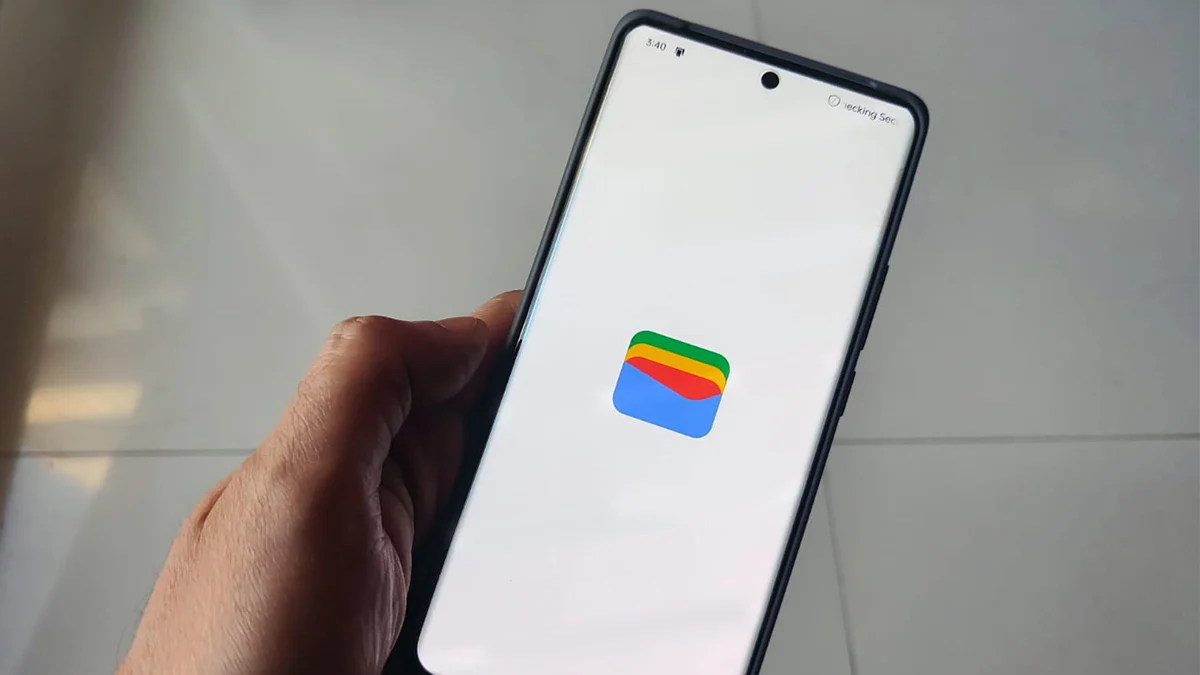
Google has officially rolled out a major new integration that connects its Gemini artificial intelligence assistant directly with Google Wallet, transforming the digital tool into a sophisticated personal financial advisor. Announced for users across the United States on Android, iOS, and web platforms, this new feature allows individuals to analyze their spending habits, track cash flow, monitor asset allocation, and build realistic, data-driven budgets simply by conversing with their AI assistant. By leveraging financial data aggregation via Plaid, the update marks a significant step forward in Google’s broader "Personal Intelligence" ecosystem, bridging the gap between everyday digital payments and advanced machine learning analytics.
The Mechanics of the Integration: How Gemini Meets Google Wallet
The newly introduced feature operates through Gemini’s Connected Apps framework, a specialized architecture designed to allow the artificial intelligence to securely pull contextual data from various Google services and authorized third-party platforms. To access financial insights, users in the United States can link their bank accounts and credit cards to Google Wallet via Plaid, a widely adopted and secure financial technology network that facilitates communication between financial institutions and applications.
Once the connection is established, users can invoke the integration within the Gemini app by typing the @Google Wallet tag or navigating through the assistant’s settings menu under Personal Intelligence and Connected Apps. Rather than relying on manual expense tracking spreadsheets or rough mental estimates, users can prompt Gemini to generate comprehensive spending summaries. The AI can instantly categorize expenses—such as rent, utilities, dining, travel, and entertainment—and visualize cash flow patterns over specific periods, including weekly, monthly, or quarterly increments.
Google has highlighted several practical use cases for the integration. For instance, a user can ask Gemini to evaluate their spending behavior from the previous quarter and formulate a customized, actionable strategy to save $1,000 over the subsequent three months. Furthermore, the AI possesses the analytical capability to detect recurring subscription payments, flag sudden price hikes from service providers, and analyze historical holiday shopping expenditures to recommend a more realistic, manageable budget for upcoming festive seasons.
Background Context and the Rise of Personal AI Assistants
The convergence of artificial intelligence and personal finance represents a rapidly expanding frontier in the technology sector. For years, personal finance management (PFM) applications have relied on rigid categorization algorithms and static dashboards to help consumers understand their financial health. While effective, these traditional tools often require active user intervention to correct miscategorized transactions and lack the conversational flexibility needed to provide nuanced, qualitative financial advice.
Google’s introduction of wallet and banking integration into Gemini reflects a broader industry shift toward proactive, context-aware artificial intelligence. Over the past year, major tech conglomerates have raced to embed AI assistants deeply into the operating systems and daily workflows of consumers. Google, in particular, has systematically woven Gemini into its core product portfolio, including Gmail, Google Photos, YouTube, and Google Search.
The integration with Google Wallet is a logical evolution of this strategy. As consumers increasingly shift away from physical cash and plastic cards in favor of digital wallets and contactless payment methods, the volume of digital transaction metadata has skyrocketed. By applying advanced natural language processing and machine learning to this data, Google aims to democratize financial literacy, offering users institutional-grade spending insights through an interface as simple as a text-based chat window.
Security Architecture: Balancing Accessibility with Data Privacy
Granting an artificial intelligence assistant access to sensitive financial data naturally raises valid security and privacy concerns among consumers. In an era marked by frequent data breaches and heightened scrutiny over how tech companies harvest user information, the prospect of an AI scrutinizing bank statements requires robust safeguards.
To address these concerns, Google has instituted strict operational boundaries regarding what Gemini can and cannot do within the Google Wallet ecosystem. According to official documentation from Google, while Gemini is granted read access to analyze purchase history and cash flow patterns, its capabilities are strictly non-transactional. The AI possesses no authority to transfer funds, manage bank accounts, execute investments, or complete commercial transactions. It functions purely in an advisory capacity.
Furthermore, Google maintains that user data privacy controls remain fully in the hands of the consumer. The connection between Gemini and Google Wallet is entirely optional. Users retain the ability to toggle the integration on or off at any time through their account settings. This opt-in architecture is designed to comply with evolving global data privacy regulations and reassure users that their financial portfolios remain secure from unauthorized automated actions.
Chronology of the Rollout and Platform Availability
The deployment of the Gemini-Google Wallet integration began rolling out to users in the United States starting today. The phased release spans multiple operating systems and access points, ensuring availability for users on Android devices, iOS applications, and web-based browsers.
The timeline of this release aligns with Google’s aggressive development cycle for its Connected Apps ecosystem. Earlier phases of the Personal Intelligence initiative successfully integrated Gemini with productivity and media tools, allowing the assistant to retrieve flight information from Gmail, search for specific memories in Google Photos, and pull relevant content from YouTube. The inclusion of financial data via Plaid and Google Wallet represents the most sensitive and high-stakes vertical Google has integrated into Gemini thus far, signaling confidence in the underlying security infrastructure of the platform.
As the feature expands through its initial US rollout, industry analysts anticipate that Google will monitor user adoption rates, system latency, and data privacy feedback before planning an international expansion. Regulatory environments surrounding open banking and financial data sharing—such as PSD2 in Europe—vary significantly by region, which will likely dictate the timeline for launching similar capabilities outside the United States.
Industry Implications and Financial Analysis
The integration of Gemini with Google Wallet carries significant implications for both the fintech sector and the broader consumer software market. By positioning Gemini as an active participant in personal financial management, Google is encroaching upon territory traditionally occupied by standalone budgeting applications such as Mint (historically), YNAB (You Need A Budget), Copilot, and Monarch Money.
For consumers, having a financial advisor built natively into their smartphone’s default assistant removes friction. Rather than opening a dedicated budgeting app, exporting CSV files, or manually logging receipts, users can perform complex financial queries conversationally. Questions like, "How much did I spend on food delivery last month compared to groceries?" or "What are my top three recurring monthly expenses?" can be answered instantaneously within a familiar chat interface.
However, challenges remain. Financial accuracy is paramount when dealing with money; hallucinations—a common phenomenon in generative AI where models invent plausible-sounding but incorrect information—are acceptable when drafting an email, but potentially disastrous when calculating a household budget. Google has mitigated this risk by tethering Gemini directly to structured transactional data provided by Plaid and Google Wallet, ensuring the calculations are grounded in factual inputs rather than purely probabilistic text generation.
Moreover, the psychological barrier of trust must be overcome. While tech-savvy early adopters will likely embrace the convenience of AI-driven budgeting summaries, mainstream consumers may remain hesitant to let an algorithm analyze their spending habits. The long-term success of the feature will depend heavily on transparency, flawless security execution, and tangible proof that the financial insights provided genuinely improve user savings and fiscal health.
Future Outlook for Connected AI Services
As artificial intelligence continues to mature, the boundary between distinct software applications is expected to blur further. The integration of Google Wallet into Gemini is unlikely to be an isolated event, but rather a precursor to deeper automation and cross-platform synergy within the tech giant’s ecosystem.
Future iterations of the Personal Intelligence initiative could see Gemini proactively alerting users to unusual spending spikes, recommending lower-cost alternatives for recurring bills based on localized market data, or assisting with tax preparation by categorizing deductible business expenses throughout the year.
For now, Google is maintaining a measured approach, keeping the assistant firmly in the advisory seat. By blending the analytical power of generative AI with the secure transaction tracking of Google Wallet, the company has provided a compelling glimpse into the future of personal finance—one where managing money is as simple as having a conversation.