







The new glasses, which are available for pre-order as of November 2026, are engineered to function across diverse operating systems, ensuring compatibility with iPhones, Pixel devices, and Samsung smartphones. By bridging the gap between high-fashion eyewear and advanced artificial intelligence, Google aims to position these wearables as essential tools for the modern, connected user.
Strategic Design and Aesthetic Customization
A primary hurdle for previous iterations of smart eyewear—including Google’s own Glass project—was the perception that such devices were cumbersome or socially obtrusive. To address this, Google has prioritized partnerships with fashion-forward brands.

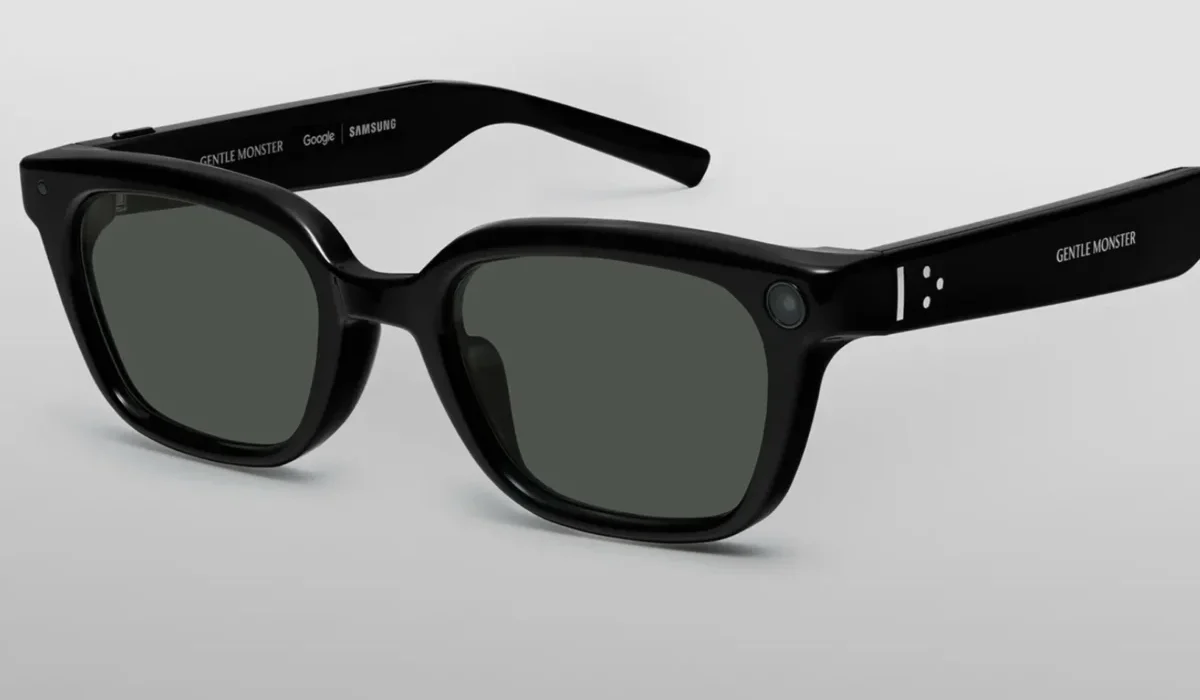
Gentle Monster has introduced a collection of six distinct frame designs. These frames cater to a demographic seeking bold, trend-driven aesthetics, utilizing a palette that spans from vibrant reds and pinks to more traditional yellows and grays. The lenses themselves offer a high degree of customization, with options for clear, tinted, blue, or brown finishes. Importantly for long-term users, the majority of these designs accommodate prescription lenses, ensuring that the technology does not compromise visual clarity for the wearer. These units are currently priced starting at $449 in the United States and South Korean markets.
In contrast, Warby Parker has opted for a more conservative, timeless approach. Their collaboration includes three classic styles: the Alden, the Reid, and the Wren. Available in colorways such as Pine, Saddle, and Jet Black, these frames are designed to integrate seamlessly into a professional or casual wardrobe. With a starting price point of $395, Warby Parker emphasizes versatility, providing extensive options for frame widths and various optical prescriptions.
Both collections share a uniform weight of approximately 41 grams, a testament to the miniaturization of internal components. Each unit is rated for nine hours of continuous usage on a single charge. The inclusion of a robust charging case, capable of providing seven additional full charges, brings the total potential operational time to 72 hours, effectively mitigating the common "battery anxiety" associated with portable wearables.

The Integration of Gemini: Capabilities and Use Cases
At the core of the experience is Google’s Gemini AI. The integration allows users to offload tasks from their smartphones to their eyewear, utilizing voice-activated prompts or tactile inputs on the frame’s temple.
The utility of the device is centered on its 12MP ultra-wide camera, which serves as the "eyes" for the AI. Users can point at objects, locations, or documents to receive real-time information. Practical use cases include identifying retail items, retrieving book recommendations from a physical shelf, or checking calendar availability based on a photo of a concert or event poster.
Navigation is similarly streamlined. By leveraging Google Maps integration, the glasses provide turn-by-turn auditory directions, allowing users to navigate urban environments without needing to glance at a screen. Perhaps most impressive is the real-time translation feature. Supporting over 70 languages, the glasses can translate ongoing conversations, projecting the translated text or feeding audio directly to the user—a development that could drastically reduce language barriers in international travel and business.

Accessibility and Specialized Features
Beyond consumer utility, the glasses incorporate significant accessibility features. The "Guided Vision" tool acts as a verbal narrator for the user’s environment, describing surroundings for individuals who are blind or have low vision. Additionally, the Aira Explorer integration offers a bridge to human assistance, connecting users to trained interpreters who can view the environment through the camera and provide context-specific guidance.
Privacy Framework and Regulatory Considerations
The deployment of cameras in wearable devices has historically invited intense scrutiny regarding privacy. Google has proactively addressed these concerns by implementing a strict data management framework. According to official company documentation, image data processed by the camera is excluded from the user’s Gemini History and is explicitly prohibited from being utilized for AI training purposes.
To address the social aspect of filming, the glasses feature a physical indicator light that activates whenever the camera is recording. The hardware design also ensures that the recording function is interrupted if the light is obstructed, and users retain the ability to manually disable the camera entirely, effectively converting the device into standard eyewear. Furthermore, Google has incorporated software-level privacy measures, such as the automated obscuring of faces of bystanders within the camera’s field of view before the image is processed by the AI.

Industry Context and Market Implications
The launch of these glasses is a pivotal moment in the "post-smartphone" hardware race. While companies like Meta (with its Ray-Ban collaboration) have already established a foothold in this market, Google’s strategy of leveraging the Gemini ecosystem provides a distinct competitive advantage. By integrating Google’s massive search index, translation engines, and mapping services directly into the frame, Google is betting that the utility of the AI will outweigh the hardware’s footprint.
The 2026 rollout follows years of development that saw Google retreat from the AR (Augmented Reality) hardware space to recalibrate its approach. This launch signals a transition toward "Intelligent Eyewear," where the value proposition is rooted in ambient computing—the idea that technology should be available when needed and invisible when not.
Analysts suggest that if these glasses achieve widespread adoption, they could force a shift in how consumers interact with digital services. Instead of "checking" a phone, users will "consult" their environment. However, the market remains price-sensitive. While $395 to $449 is competitive for high-end designer eyewear, it is a significant investment for a piece of tech that requires constant software updates and connectivity.

Timeline and Future Outlook
- November 2026: Pre-orders for the Gentle Monster and Warby Parker collections go live in the U.S. and South Korea.
- December 10, 2026: Official market availability. The devices are expected to arrive in consumers’ hands, marking the start of the first large-scale real-world test for Gemini on a wearable platform.
Industry observers will be watching the initial feedback regarding thermal management, as the processing required for real-time translation and object recognition is computationally intensive. Furthermore, the success of the partnerships with third-party retailers like Warby Parker will serve as a bellwether for whether fashion-first marketing can overcome the historical stigma associated with "smart" head-mounted devices.
As the industry moves toward 2027, the success of these glasses will likely dictate the speed at which Google expands its hardware ecosystem. If the integration of Gemini proves to be as seamless as promised, it may set a new standard for how wearable technology is designed, sold, and utilized in daily life.