









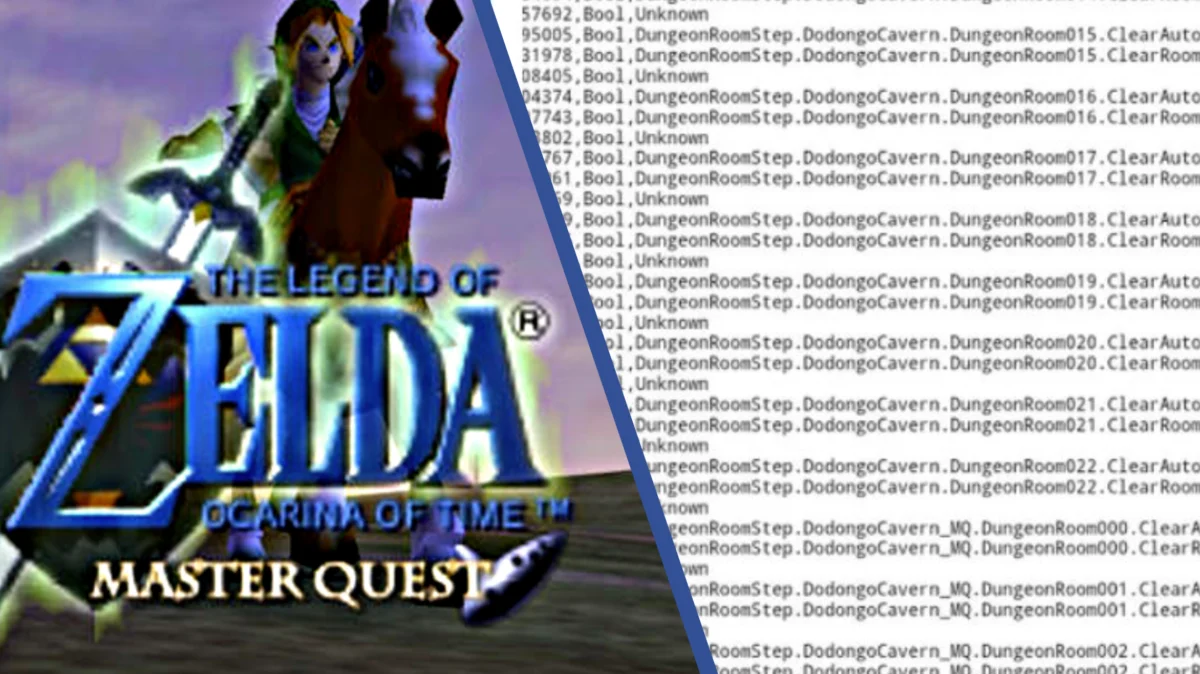
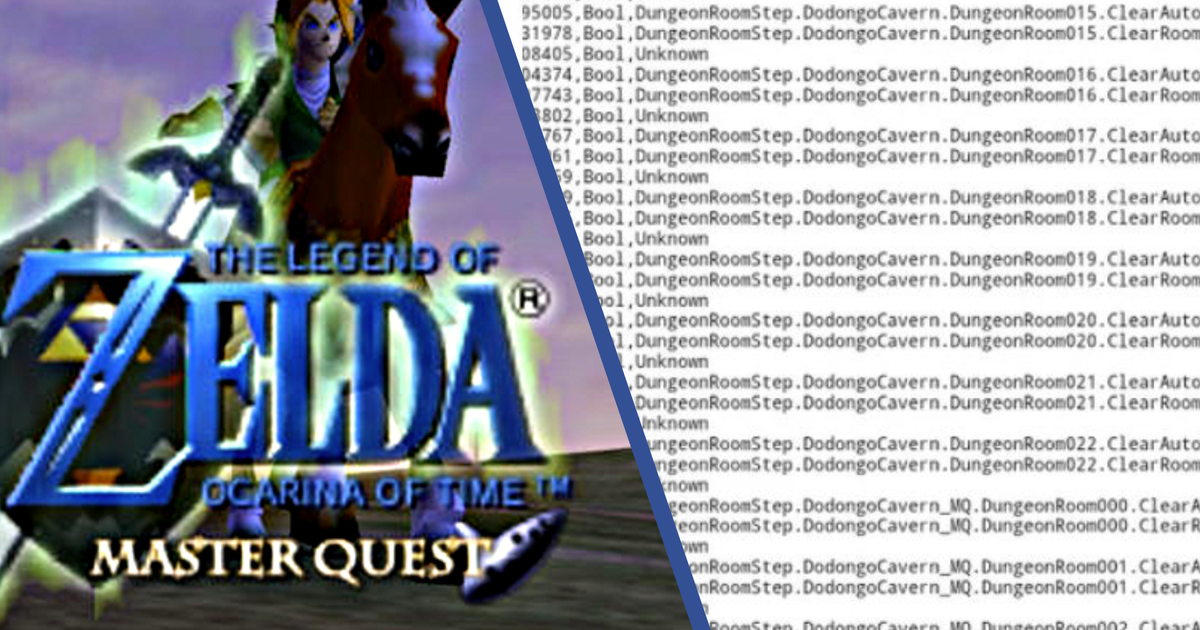
The initial findings were brought to light by prominent data miner MrCheeze, who published a series of file strings on the social media platform Bluesky. These strings explicitly reference "MQ"—a common shorthand for Master Quest—linked directly to specific in-game environments such as the iconic Dodongo’s Cavern. The presence of these identifiers within the production code suggests that the development team either planned for, or is currently preparing, a content update that introduces the notoriously difficult alternate version of Hyrule to the new hardware.
The Technical Evidence and Datamine Breakdown
The discovery does not end with simple file tags. Subsequent analysis by another respected industry figure, OatmealDome, has provided further technical depth to these findings. According to reports surfaced via Twitter/X, the datamined files include specific command-line indicators such as "HasMQ," "IsMQModeExist," "NewGameMQ," and "ReleaseMQ."
Beyond the nomenclature, the technical evidence suggests that the mode is not merely a phantom entry in the code but a functional iteration of the game’s logic. OatmealDome confirmed that the data, while incomplete, contains clear parameters indicating that the game world will be mirrored—a hallmark of the Master Quest experience—and that dungeon layouts have been fundamentally altered. Perhaps most tellingly, specific environmental oddities, such as the placement of cows within Jabu-Jabu’s Belly, have been identified in the game’s configuration files, mirroring the distinct design choices that defined previous iterations of the mode.
Crucially, the data suggests a specific delivery mechanism for this content. Rather than a free title update, indications point to the mode being unlocked through a DLC (downloadable content) framework. This distinction is significant, as it marks a departure from how Nintendo has historically distributed legacy bonus content for the series.
A Chronology of the Master Quest
To understand the weight of this discovery, one must look at the history of Master Quest. The mode first gained notoriety as a promotional incentive for the Nintendo GameCube, distributed as a bonus disc for those who pre-ordered The Legend of Zelda: The Wind Waker in 2003. It served as a "remixed" version of the N64 original, featuring significantly rearranged dungeon puzzles and elevated enemy difficulty.
In 2011, the mode saw a wider release as part of the acclaimed Ocarina of Time 3D for the Nintendo 3DS. In that iteration, Master Quest was unlocked upon the completion of the main campaign. The 3DS version introduced the mirrored world mechanic, which effectively flipped the game’s map horizontally, alongside a global increase in damage dealt by enemies. By incorporating these features into the Switch 2 version, Nintendo would be following a proven template for providing long-term replayability for veteran fans of the series.
The Economic and Strategic Implications
The suggestion that Master Quest might be tied to paid DLC rather than a free unlockable represents a strategic pivot for Nintendo. Historically, the company has favored including bonus modes as unlockable rewards within the base game. If the Master Quest is indeed gated behind a paywall, it could signal a shift in Nintendo’s post-launch support strategy for their "legacy" remakes on the Switch 2 platform.
From an analytical standpoint, the decision to hold back Master Quest could be a calculated move to maximize engagement over a longer timeline. By launching the core experience—which has already received critical acclaim, including a five-star review from Eurogamer—Nintendo establishes a baseline of high-quality, nostalgic content. Releasing a high-difficulty, fan-focused mode as a later add-on creates a secondary "hype cycle" months after the initial release, helping to maintain the game’s visibility in the market.
However, the lack of an official announcement means that this remains, for the time being, an unconfirmed prospect. Nintendo has maintained silence regarding any post-launch support for the remake. Until a formal press release or Nintendo Direct confirms the existence of the Master Quest expansion, players are advised to view these findings as potential plans that may have been subject to change during the development cycle.

Community Reception and Market Context
The reaction from the gaming community has been overwhelmingly positive, though tempered by the uncertainty of the DLC pricing model. Fans of the franchise generally view the Master Quest as the definitive way to experience the challenge of the original title. The prospect of tackling a mirrored version of Hyrule with high-fidelity graphics and modern processing speeds on the Switch 2 has generated significant momentum on social media.
The timing of this discovery coincides with the broader industry trend of "Games as a Service" (GaaS) and the expansion of classic titles. While Nintendo has traditionally been more conservative than its peers regarding DLC, the success of expansion passes for titles like The Legend of Zelda: Breath of the Wild and Tears of the Kingdom has demonstrated that there is a robust market for supplementary content among the Zelda player base.
What Lies Ahead
As of early November 2026, the Ocarina of Time remake continues to dominate sales charts following its November 5th debut. The "astonishing remake," as described by critics, has already set a high bar for quality. If the Master Quest content is eventually confirmed, it will likely be the primary focus for the game’s most dedicated players.
For now, the technical community continues to scour the Switch 2 files for further clues. Questions remain: Will the mirrored world be optional? Will there be additional rewards for completing the Master Quest, perhaps exclusive items or narrative snippets? Will it be a standalone purchase or part of a broader expansion pass?
The answers to these questions will likely depend on Nintendo’s internal roadmap for the Switch 2. If the company intends to keep the spotlight on its classic catalog, releasing a refined, modernized version of the Master Quest would be a logical step in satisfying both longtime veterans and new players. Until then, the files remain a tantalizing promise—a "what if" scenario that has successfully turned a technical discovery into one of the most discussed topics in the industry. As players traverse the plains of Hyrule once more, they do so with the knowledge that the world they are exploring may hold even more secrets than initially met the eye, buried deep within the code of a masterpiece reborn.