











The artificial intelligence boom has officially collided with physical limits of the American power grid. In a strategic maneuver that highlights the escalating energy crisis gripping the technology sector, artificial intelligence pioneer Anthropic has committed approximately $3.4 billion toward the acquisition of natural gas-fueled generators. According to industry reports, the company is procuring heavy-duty equipment manufactured by Caterpillar capable of generating up to 1.7 gigawatts of electricity. This massive capital expenditure represents a profound departure from Anthropic’s historical preference for leasing cloud and computing infrastructure, signaling that securing reliable, independent power has become a matter of existential importance for top-tier AI laboratories.
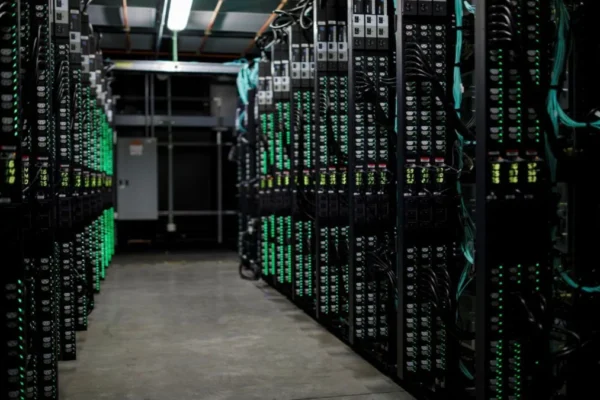
The acquisition is designed to directly power the massive data center operations required to train, refine, and run Claude, Anthropic’s flagship artificial intelligence platform, alongside competing foundational models. As the race toward artificial general intelligence accelerates, the computational appetite of modern large language models has expanded exponentially. Data centers housing tens of thousands of specialized accelerators—such as Graphics Processing Units (GPUs) and Tensor Processing Units (TPUs)—require staggering quantities of continuous electricity not only to operate the processors themselves, but also to run intensive cooling systems, massive networking architectures, and auxiliary facility infrastructure.
The Power Crunch: Why Big Tech is Going Off-Grid
For years, technology giants could rely on traditional public utility providers to hook up new data centers within reasonable timeframes. However, the sheer scale of the generative AI boom has outpaced the modernization of the United States power grid. Connecting new, multi-hundred-megawatt facilities to existing transmission lines frequently requires lengthy environmental reviews, complex local approvals, and multi-year construction timelines that can stretch up to a decade.
This bureaucratic and physical bottleneck has left technology firms vulnerable to crippling delays. Without guaranteed electricity, billions of dollars worth of advanced AI chips sit idle, unable to generate revenue or process complex workloads. Consequently, companies are aggressively exploring alternative avenues to secure independent power supplies, bypassing traditional utility frameworks entirely.
Natural gas generation has emerged as one of the most viable, scalable solutions for this crisis. Unlike wind and solar installations, which are intermittent and heavily dependent on weather conditions and localized energy storage capacities, natural gas turbines offer dispatchable, round-the-clock baseload power. By generating their own electricity on-site, tech operators can decouple their growth from the strained public grid, insulating themselves against rolling blackouts, localized brownouts, and capacity constraints.
However, moving into the private power generation market introduces its own formidable supply-chain obstacles. Demand for natural gas turbines has skyrocketed across heavy industry and utilities alike, pushing order backlogs for major manufacturers like Caterpillar, General Electric, and Siemens well into the early 2030s. By placing such a massive order and securing 1.7 gigawatts of capacity, Anthropic has effectively cut to the front of a profoundly competitive queue, ensuring that its future infrastructure projects will not be indefinitely stalled by the global shortage of generation hardware.
A Broader Industry Trend: Big Tech Embraces Fossil Fuels
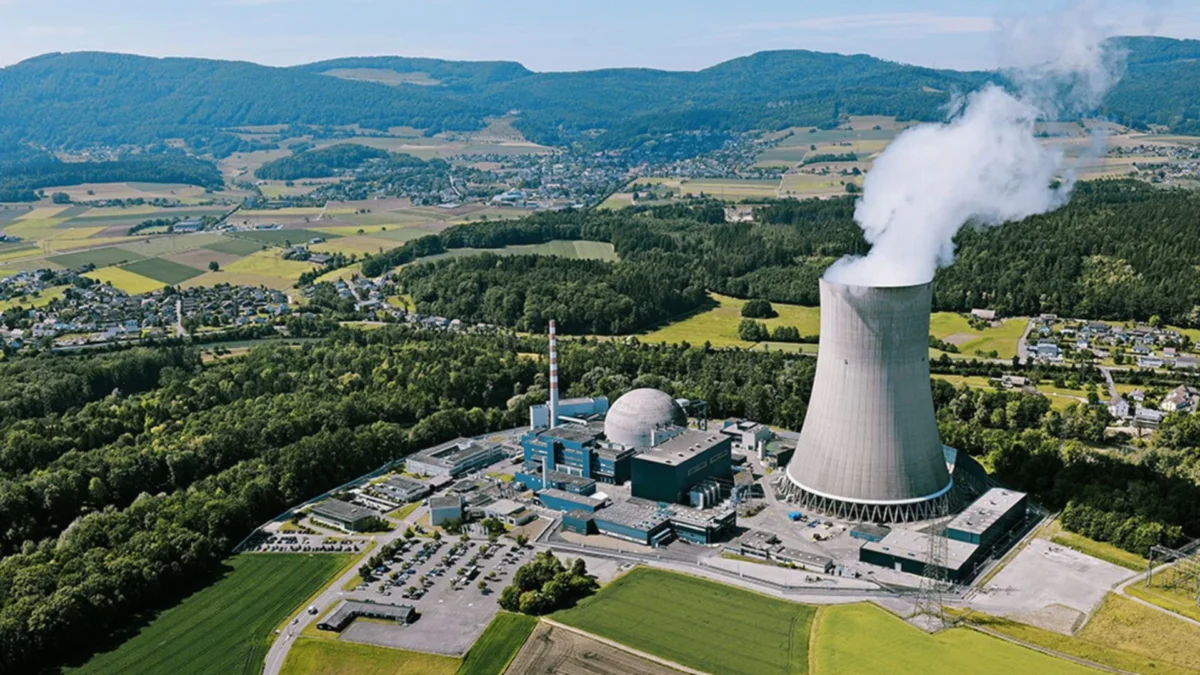
Anthropic is far from alone in its sudden embrace of fossil-fuel-derived energy solutions. Across the technology sector, a veritable gold rush has begun for captive power assets. Industry heavyweights including Google, Amazon, Microsoft, and Meta have all announced varying strategies to secure dedicated, large-scale power sources—ranging from nuclear power purchase agreements to massive, dedicated natural gas facilities.
This convergence of Big Tech and heavy energy infrastructure represents a fundamental shift in corporate strategy. Technology companies, traditionally viewed as asset-light software developers, are increasingly transforming into heavy industrial operators with vast energy portfolios.
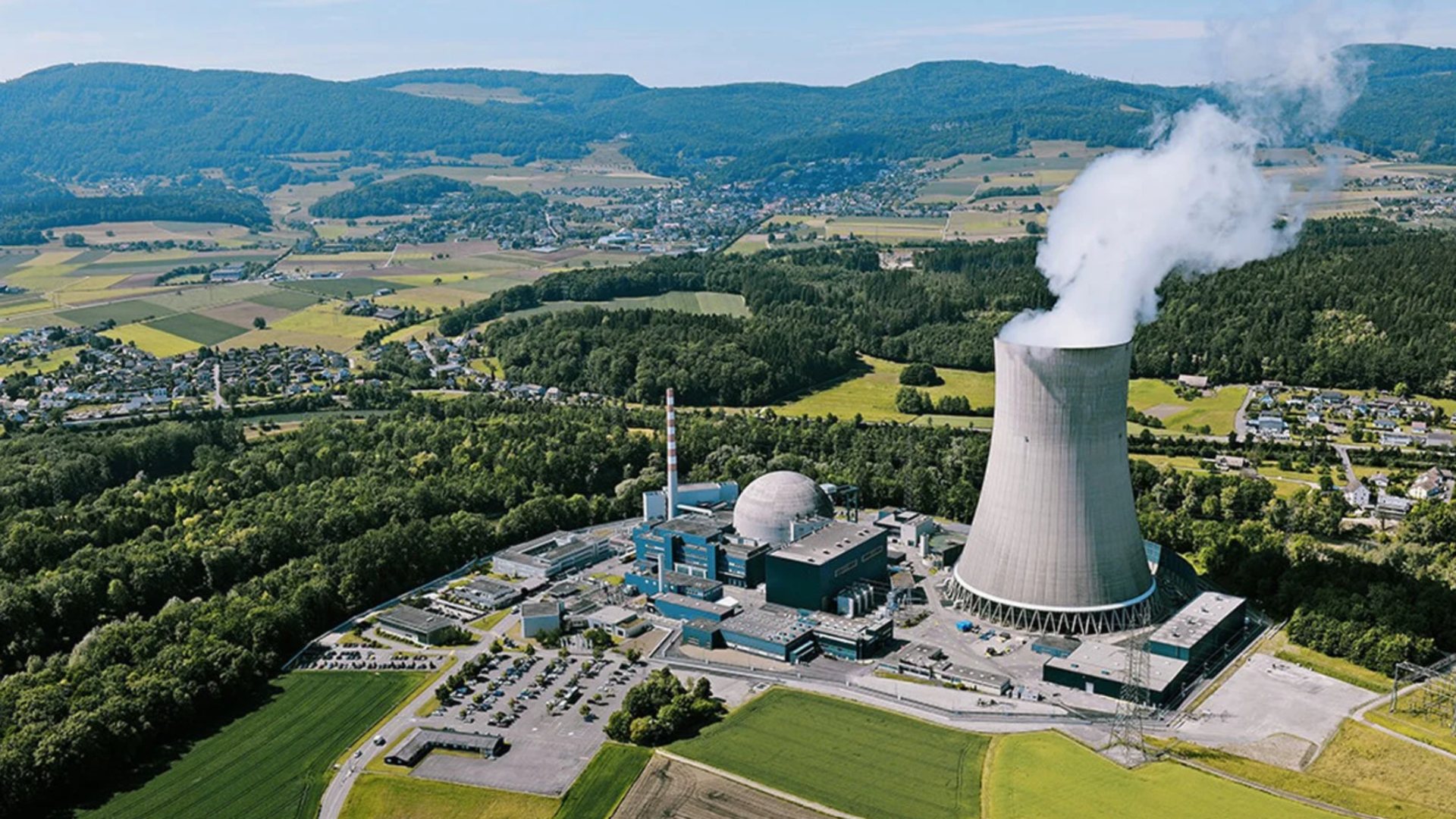
"By owning some of their power infrastructure and having the capabilities in-house, companies believe they can better protect themselves against disruptions beyond their control," explained Arash Nazhad, a managing director and head of clean energy and power at Stifel, highlighting the defensive posture corporations are being forced to adopt.
This insatiable thirst for natural gas has simultaneously breathed new life into upstream fossil fuel extraction methods, most notably hydraulic fracturing, colloquially known as fracking. Energy companies are rushing to tap subterranean rock formations to supply the anticipated surge in domestic gas consumption.
Environmental Paradox and Market Pressures
While the immediate operational benefits to AI companies are clear, this large-scale pivot toward natural gas carries profound environmental and financial consequences. The rapid expansion of gas-fired power generation directly conflicts with the corporate net-zero carbon emission pledges that many leading technology firms have heavily promoted over the past decade. The influx of new gas turbines dedicated strictly to AI data centers threatens to drive up greenhouse gas emissions at a time when global climate goals demand steep reductions.
The scale of the consumption is staggering. Recent energy sector projections indicate that American data centers alone could consume more natural gas by the year 2035 than entire industrialized nations such as Germany and Japan combined.
This hyper-concentration of demand also exposes technology firms to severe macroeconomic and commodity risks. Energy market analysts have warned that natural gas prices in key regional markets could more than triple by 2030 due to the sudden, massive strain placed on domestic supply networks by data center operators. Such drastic price spikes would fundamentally alter the operating economics of running large-scale AI infrastructure.
For a company like Anthropic, a $3.4 billion upfront investment in physical hardware is only the beginning of the financial exposure. Ongoing fuel costs, routine turbine maintenance, regulatory compliance fees, and potential carbon pricing mechanisms will factor heavily into the long-term total cost of ownership. If gas prices escalate as projected, the cost of generating private electricity could rapidly outpace initial financial models, turning what was designed as a reliable emergency power source into a persistent financial liability.
Strategic Implications for the Future of Artificial Intelligence
The timeline of the AI infrastructure boom is being rewritten in real-time by the physical laws of thermodynamics and the limitations of electrical engineering. For the past several years, the primary constraints on artificial intelligence development were thought to be algorithmic design, the availability of top-tier engineering talent, and access to advanced semiconductor chips. Today, the conversation has definitively expanded to include megawatt capacity, substation availability, and fuel logistics.
Anthropic’s aggressive $3.4 billion investment serves as a clear indicator of how high the stakes have become. In the race to achieve market dominance in generative artificial intelligence, companies can no longer afford to wait for public infrastructure to catch up with private ambition. By taking matters into their own hands and locking down physical power-generation assets, AI leaders are ensuring their continued expansion, even if it means shouldering the immense financial, logistical, and environmental burdens of operating their own fossil-fuel power infrastructure.