











SpaceX has officially introduced the Starlink Mini 2, marking a significant evolution in portable satellite internet technology by integrating independent power solutions directly into the hardware architecture. Unveiled on November 10, 2026, the next-generation portable terminal is engineered specifically for digital nomads, emergency responders, travelers, and remote workers who require reliable broadband connectivity completely untethered from traditional power grids or vehicle auxiliary outlets.
Main Facts and Pricing Structure
The Starlink Mini 2 is currently available via invitation-only preorders for select United States customers. The initial hardware and service package is priced at $999, plus applicable taxes, which includes a full year of the Roam Unlimited service tier—an allotment valued at approximately $2,100 under standard standalone pricing.
To secure a unit, buyers must place a refundable $100 deposit, with the remaining balance due immediately prior to shipment. SpaceX anticipates that initial fulfillment will begin in mid-December 2026, with broader commercial availability slated to follow in early 2027.

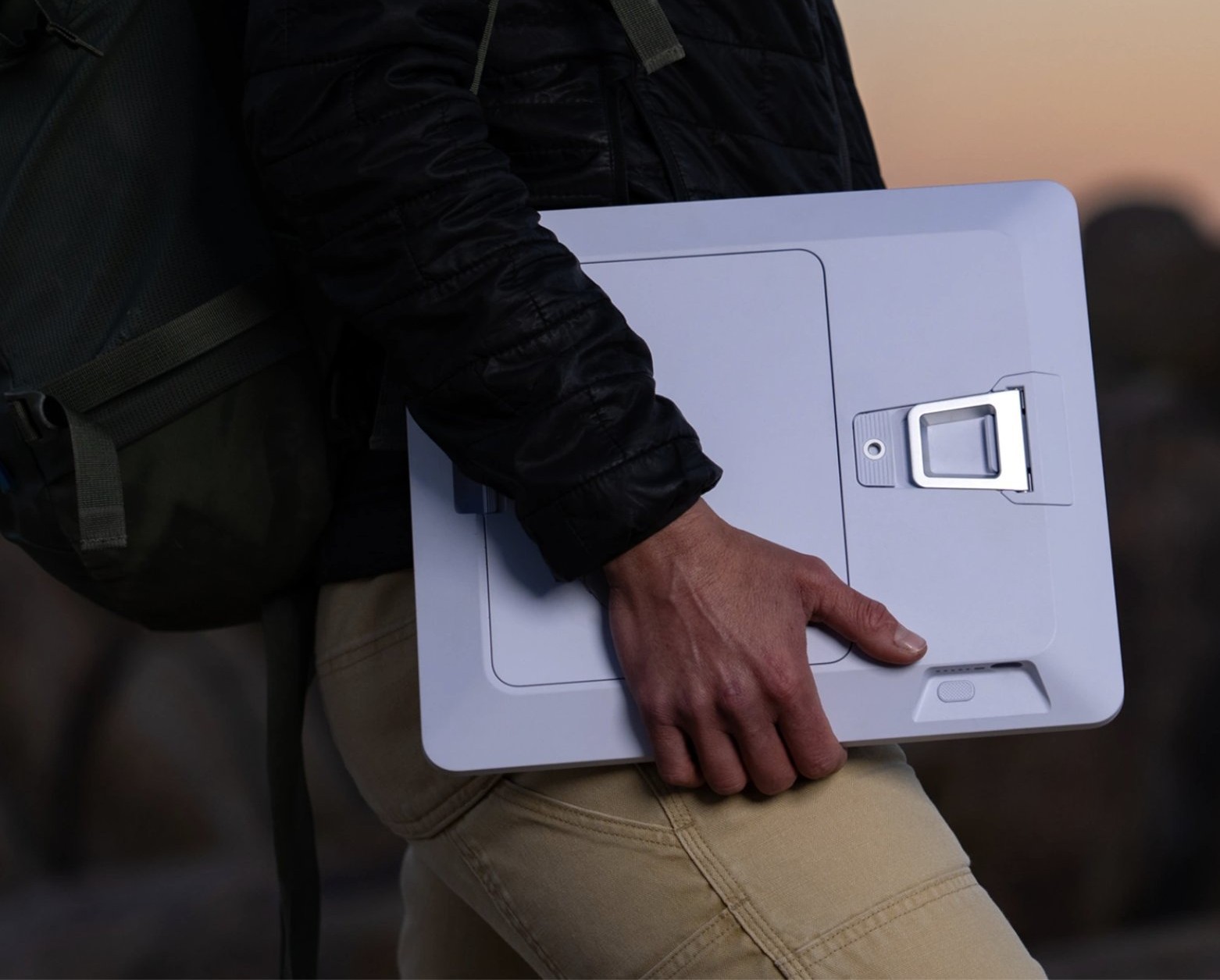
The standout engineering feature of the Mini 2 is its modular, quick-swap 71 Wh battery pack. Weighing precisely 490 grams, the battery clips seamlessly onto the rear chassis of the dish without the need for tools. On a single charge, the battery delivers up to 4.5 hours of continuous connectivity. Furthermore, the power pack incorporates an independent USB-C port and integrated LED power indicators, allowing users to charge a spare battery separately and perform hot-swaps in a matter of seconds without dropping their active internet connection.
Hardware Evolution and Design Specifications
Compared to its predecessor, the original Starlink Mini introduced in mid-2024, the Mini 2 features a significantly more streamlined profile. The new terminal measures 23.1 mm in thickness—a notable reduction from the original model’s 38.5 mm—while maintaining a footprint of 263 by 314 mm. With both the kickstand and the swappable battery attached, the complete portable assembly weighs just 1.6 kilograms.

The structural redesign includes an upgraded IP67 dust and water resistance rating, ensuring durability in harsh outdoor environments ranging from dusty campsites to heavy rainstorms. Built-in Wi-Fi 6 technology expands wireless coverage up to 1,800 square feet, accommodating multiple connected devices simultaneously. Additionally, the unit incorporates a standard 1/4-20 tripod mounting thread for versatile field setups and a dedicated physical power button. The antenna retains a wide 110-degree field of view, maintaining stable low-Earth orbit (LEO) satellite tracking while in motion or stationary.
Chronology of Portable Satellite Development
The rollout of the Starlink Mini 2 represents the culmination of years of iterative hardware refinement by SpaceX’s engineering teams:

- May 2024: Initial field leaks and regulatory filings reveal SpaceX is developing a smaller, highly portable user terminal aimed at consumers seeking mobility.
- June 2024: The original Starlink Mini launches commercially as an add-on option for existing residential subscribers, priced initially at $599 before subsequent price reductions brought the hardware cost down to $149. While lauded for its compact size, the first-generation device relies heavily on external USB-C power banks, inverters, or 12V vehicle cigarette lighter adapters.
- November 10, 2026: SpaceX formally announces the Starlink Mini 2, introducing the first native, snap-on swappable battery system to address the primary limitation of earlier portable models: total reliance on tethered power sources.
- Mid-December 2026: Scheduled commencement of initial customer shipments for the invitation-only preorder cohort.
Supporting Data and Operational Versatility
The inclusion of a native battery pack fundamentally alters the operational dynamics of consumer satellite broadband. Previous iterations required users to carry heavy portable power stations—such as those manufactured by EcoFlow or Jackery—to power the terminal in off-grid scenarios. By integrating a modular 71 Wh power source that supports direct 60W USB-C pass-through charging, the Starlink Mini 2 minimizes the auxiliary gear required for remote deployments.
Users can operate the terminal directly from a standard 60W USB-C wall adapter, a vehicle port, or run it entirely on battery power while simultaneously recharging a depleted pack. Spare batteries, sold separately, enable users to scale their runtime indefinitely in remote areas where conventional infrastructure is absent or disabled following natural disasters.
Broader Industry Implications and Market Impact
The launch of the Starlink Mini 2 arrives at a pivotal juncture for SpaceX as the company simultaneously navigates major infrastructure and regulatory developments across its core verticals, including its multi-billion-dollar Starbase expansion in Texas and the rapid scaling of its autonomous ride-hailing and orbital compute initiatives.
From a consumer technology perspective, the $999 bundle price places the Mini 2 at a distinct premium compared to the baseline $149 cost of the original Mini. However, industry analysts note that packaging twelve months of Roam Unlimited service into the upfront cost effectively subsidizes the hardware for high-frequency travelers and enterprise field teams.

By eliminating the need for cumbersome external power banks, SpaceX has successfully engineered a truly self-contained, grab-and-go satellite internet solution. As global demand for ubiquitous, high-speed connectivity accelerates across remote logistics, emergency management, and recreational sectors, the Starlink Mini 2 establishes a new performance benchmark for mobile broadband hardware.