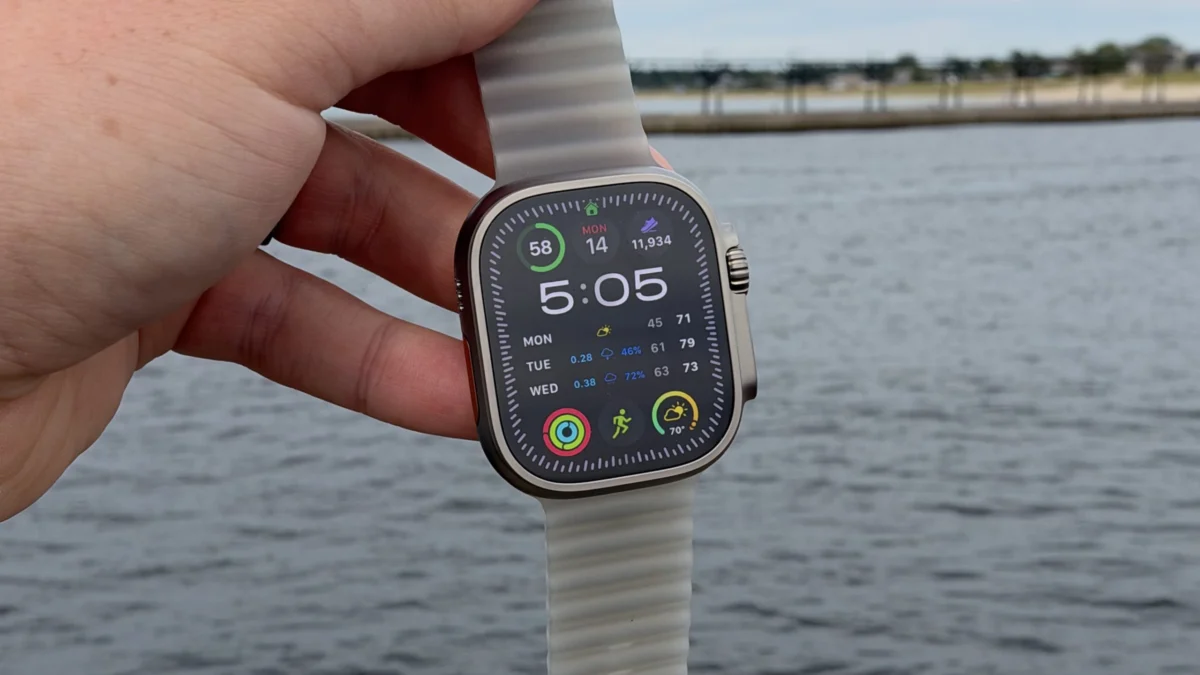




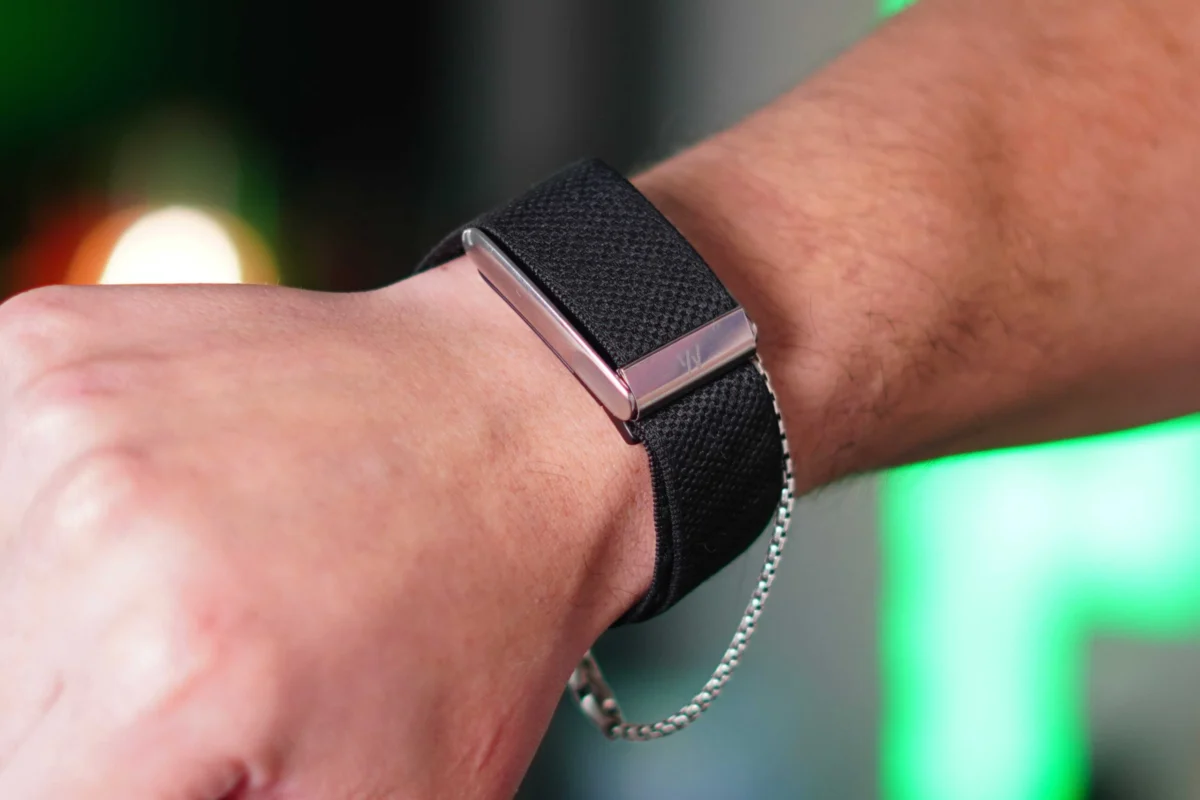


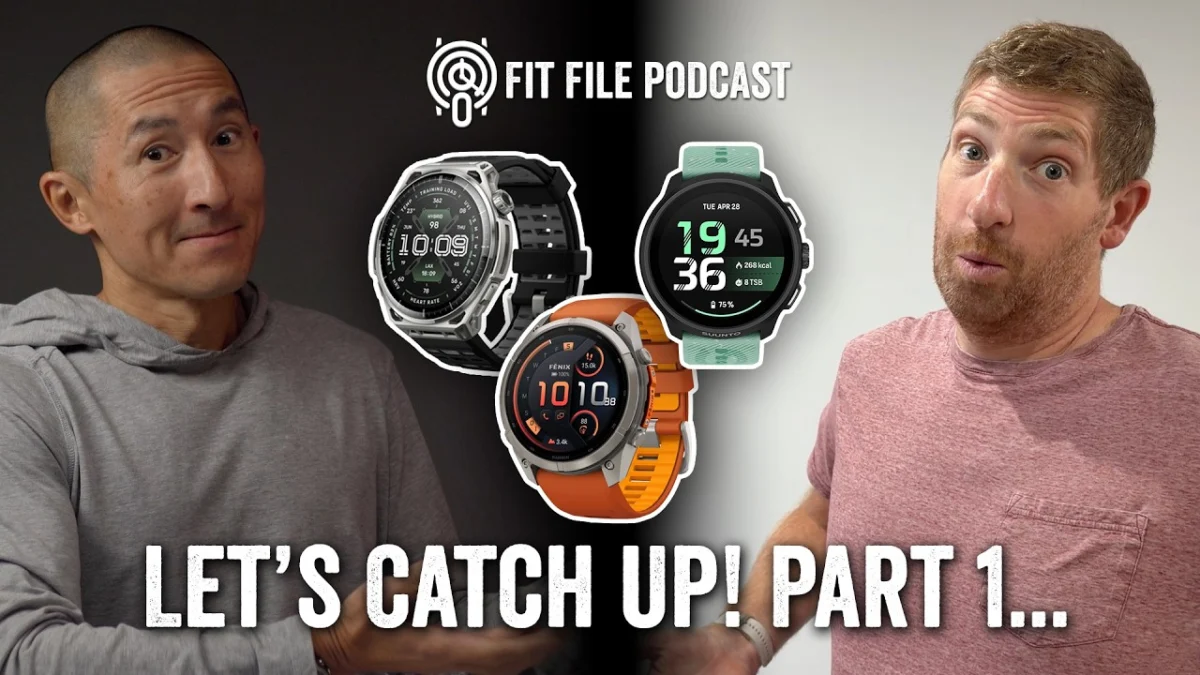
The wearable technology landscape is entering its most active period of the year, commonly referred to in the endurance sports community as "watch season." In the latest episode of The FIT File podcast, hosts break down a massive wave of announcements, software rollouts, and hardware leaks from the industry’s leading manufacturers. From heavyweight endurance titans like Garmin and Suunto to lifestyle-focused tech giants like Google, the autumn release cycle is bringing a diverse array of upgrades to runners, cyclists, and multisport athletes.
This comprehensive roundup examines the state of the sports watch market, highlighting major updates from Amazfit, Google, Garmin, COROS, and Suunto. As competition in the fitness tracking sector intensifies, manufacturers are increasingly relying on advanced mapping software, extended battery life, and granular health metrics to capture market share.
A Shift in the Wearable Market Landscape
Over the past several years, the boundary between smartwatches and dedicated sports watches has continued to blur. Consumers no longer want to choose between the seamless smartphone integration of a lifestyle wearable and the rugged durability and precise GPS tracking of an expedition watch. Brands across the board are responding by bridging this gap.
The autumn product cycle typically dictates market trends for the holiday shopping season and the year ahead. Manufacturers use this window to showcase their flagship innovations, test new software ecosystems, and respond to consumer demand for better offline mapping, more accurate optical heart rate sensors, and lighter titanium builds.
Amazfit Kicks Off the Hardware Wave
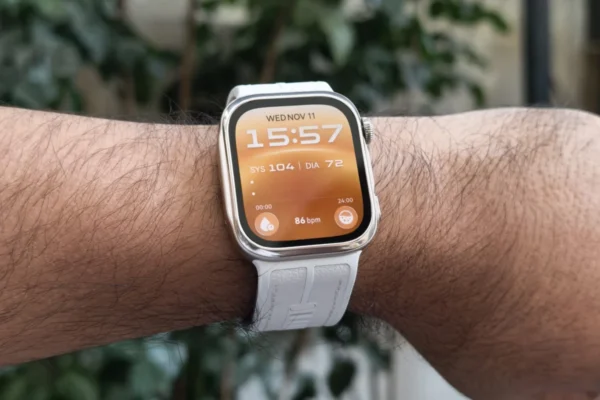
The discussion on the podcast begins with Amazfit, a brand that has steadily carved out a formidable reputation for delivering high-end hardware at competitive price points. While historically known for undercutting traditional sports watch giants on price, recent iterations have focused heavily on closing the feature gap in advanced training metrics and mapping capabilities.
In the episode, the hosts explore Amazfit’s latest additions to its robust lineup. The company has focused on refining its Zepp OS ecosystem, improving battery optimization, and expanding its dual-band GPS accuracy. For budget-conscious endurance athletes, Amazfit remains a compelling alternative to established ecosystem heavyweights, pushing competitors to justify their often-premium price tags. Industry analysts note that Amazfit’s aggressive feature deployment puts pressure on mid-tier offerings from brands like Garmin and Polar, forcing a rapid democratization of technologies that were once exclusive to top-tier devices.
Google Pixel Watch Series Expansion
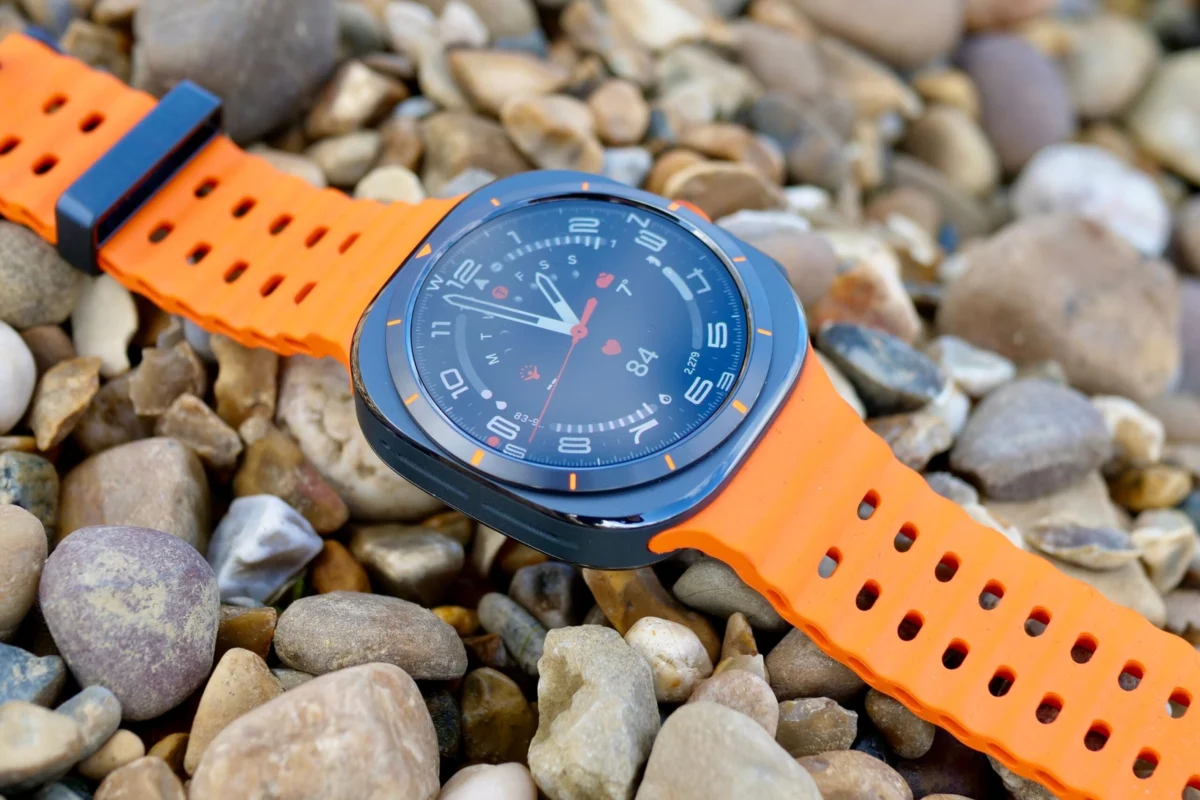
Moving into the smartwatch ecosystem, the Google Pixel Watch lineup—specifically discussions surrounding future iterations like the conceptual Pixel Watch 5—takes center stage. Google’s acquisition of Fitbit continues to heavily influence its hardware strategy, merging deep smartwatch capabilities with advanced health-tracking algorithms.
The integration of Fitbit’s robust analytics into Wear OS devices has elevated the Pixel Watch from a standard lifestyle companion into a viable everyday fitness tracker. However, endurance athletes have historically faced hurdles with battery longevity and physical durability in rugged environments. The ongoing evolution of the Pixel Watch line addresses these challenges incrementally, focusing on faster charging protocols, brighter AMOLED displays, and more efficient processor architectures. While dedicated ultramarathoners and backcountry explorers may still look toward specialized hardware, the Pixel Watch continues to capture urban runners and casual fitness enthusiasts who prioritize seamless smart notifications and Google ecosystem integration.
Garmin Fenix 9 Speculation and Market Dominance
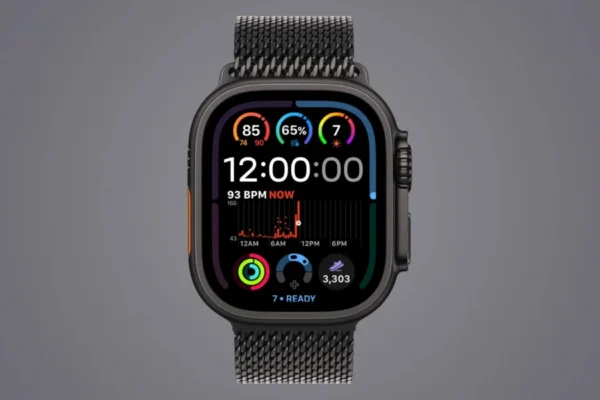
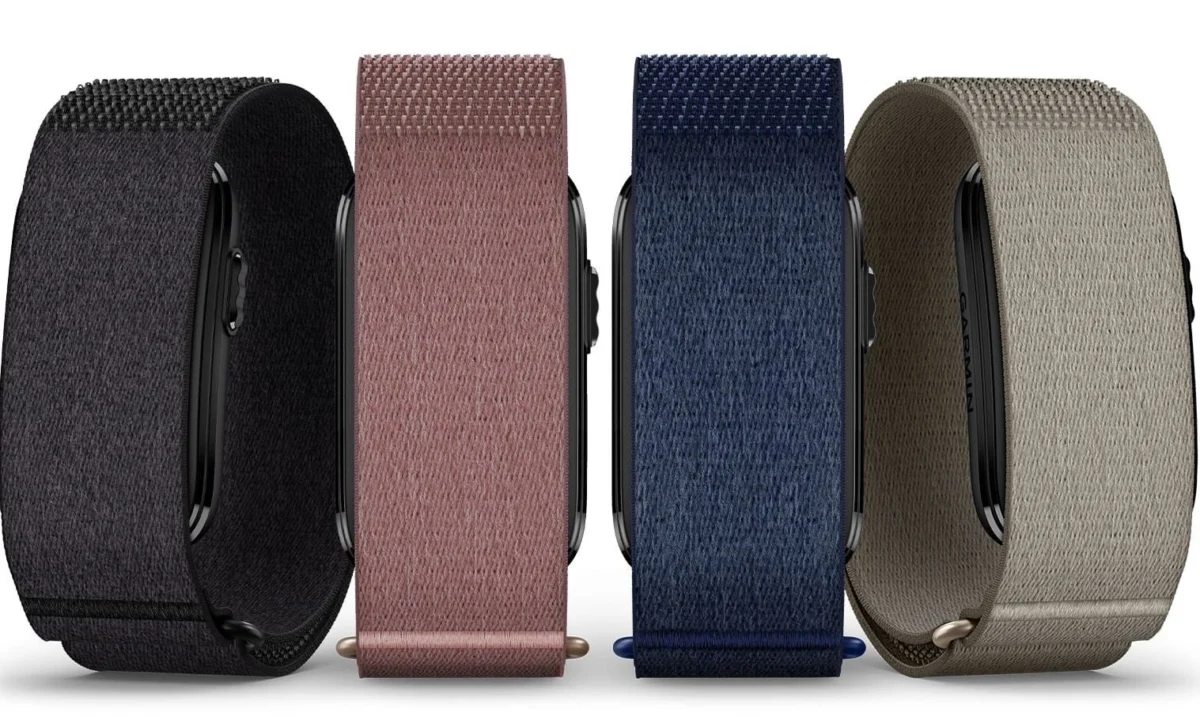
No sports watch discussion is complete without addressing Garmin, the undisputed market leader in high-end multisport GPS watches. The speculation surrounding the anticipated Garmin Fenix 9 series dominates a significant portion of the recent episode, reflecting the immense anticipation within the athletic community for Garmin’s next-generation flagship.
The Garmin Fenix series has long served as the gold standard for triathletes, mountaineers, and ultra-endurance runners. With the Fenix 8 having introduced various hardware refinements, consumers and gear reviewers are already looking ahead to what features might define the Fenix 9. Industry insiders anticipate further advancements in solar charging efficiency, microLED display technology, and even more sophisticated satellite communication capabilities for off-grid safety.
Garmin’s strategy relies heavily on ecosystem lock-in through the Garmin Connect platform, deep training load analytics, and unparalleled battery longevity. The brand’s ability to command premium pricing stems from its reputation for rugged reliability and continuous software support, even for legacy devices. As competitors strive to match Garmin’s breadth of training metrics, the Fenix line remains the benchmark by which all other outdoor watches are measured.
COROS Pace 4 and the Democratization of Free Mapping
One of the most noteworthy consumer-friendly announcements highlighted in the podcast is the evolution of the COROS ecosystem, specifically regarding free offline mapping updates for devices like the COROS Pace series. Historically, onboard topographical mapping and turn-by-turn navigation were restricted to premium, high-cost flagship models across almost all major manufacturers.
COROS has disrupted this traditional pricing tier strategy by introducing robust mapping features to lighter, more affordable options like the Pace series. By enabling users to download global offline maps without paying a subscription fee or purchasing a top-tier device, COROS is changing consumer expectations.
This move forces traditional competitors to rethink how they gate software features behind hardware tiers. For marathon runners, trail runners, and cyclists who want reliable navigation without the bulk and expense of a heavy expedition watch, the inclusion of accessible mapping on mid-range devices represents a major shift in value proposition.
Suunto Run 2 and European Engineering
Rounding out the major brands discussed is Suunto, the iconic Finnish outdoor brand known for its precision, minimalist Scandinavian design, and rich heritage in mountaineering and diving instruments. The conversation highlights the anticipation surrounding the Suunto Run 2 and how the company is positioning itself in a crowded market.
Suunto has undergone significant restructuring and technological modernization over recent years, transitioning its software backbone to offer more customizable training insights and improved smartphone integration. The Suunto Run series specifically targets runners who want a focused, no-nonsense device that excels at tracking performance metrics without overwhelming the user with unnecessary lifestyle features.
With a strong emphasis on battery life during active GPS usage, sustainable manufacturing practices, and clean user interfaces, Suunto continues to appeal to purists who value durability and aesthetic elegance. The brand’s focus on outdoor-specific routing and weather tracking ensures it remains a favorite among European trail runners and alpine explorers.
Nutrition and Hydration Strategies for Endurance Athletes
Beyond hardware analysis, the podcast underscores the vital role that proper fueling and hydration play during peak training and racing seasons. Sponsored segment partner Precision Fuel & Hydration provides essential insights into how athletes can calculate their specific sodium and carbohydrate needs.
As sports technology evolves, the integration of biometric data with real-time nutrition alerts is becoming more prevalent. Modern sports watches increasingly feature customizable data fields for hydration reminders and carbohydrate intake tracking, helping athletes avoid the dreaded "bonk" during marathons, triathlons, and ultra-endurance events. Utilizing tailored hydration plans—such as those generated by free online planning tools—allows athletes to maximize performance and accelerate recovery times.
Broader Impact and Implications for the Wearable Industry
The current wave of announcements and updates highlights an intensely competitive market where stagnation is not an option. Several key trends define the current landscape of sports technology:
- Software-Driven Longevity: Manufacturers are increasingly relying on over-the-air software updates to add features to existing hardware, extending product lifecycles and increasing brand loyalty. COROS providing advanced mapping to existing devices exemplifies this trend.
- Convergence of Lifestyle and Performance: Smartwatches are gaining advanced training metrics, while dedicated sports watches are adopting vibrant AMOLED displays and smart features, narrowing the divide between the two categories.
- Pricing Pressure at the Mid-Tier: Brands like Amazfit and COROS are challenging traditional pricing structures, forcing premium legacy brands to continuously justify the high cost of their flagship models through superior build materials, advanced satellite chips, and comprehensive training ecosystems.
As watch season progresses, consumers can expect further firmware updates, official product rollouts, and deep-dive hardware testing. For athletes looking to upgrade their gear ahead of the next racing season, understanding the nuances between these competing ecosystems is more critical than ever. Whether prioritizing battery life, mapping capabilities, smartwatch integration, or budget-friendly performance, the current market offers more diverse and capable options than at any point in sports technology history.