








The Rise of the RTX 50-Series and Next-Gen Performance
The introduction of the Nvidia GeForce RTX 50-series marks a pivotal moment for the industry. These GPUs, characterized by enhanced ray-tracing capabilities and more efficient power draw, are allowing for unprecedented frame rates in demanding titles such as Cyberpunk 2077 and Monster Hunter Wilds. While early benchmarks indicate a notable shift in raw power, the real-world impact is being felt in the integration of AI-driven upscaling and frame generation technologies.
The shift is not merely about hardware specs; it is about the evolution of the gaming laptop as a desktop replacement. For the first time, mobile GPUs are approaching parity with their desktop counterparts in a way that suggests the traditional "performance gap" between stationary and portable systems is closing rapidly. This evolution has prompted a wave of redesigns, with companies like MSI, Razer, and Alienware focusing on sophisticated cooling solutions to prevent thermal throttling in these high-wattage machines.
Top Performers and Industry Standards
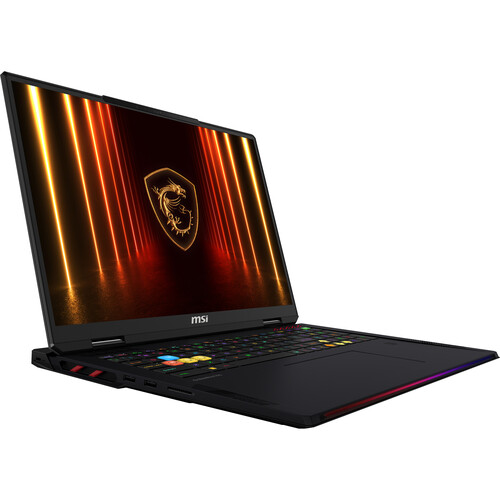
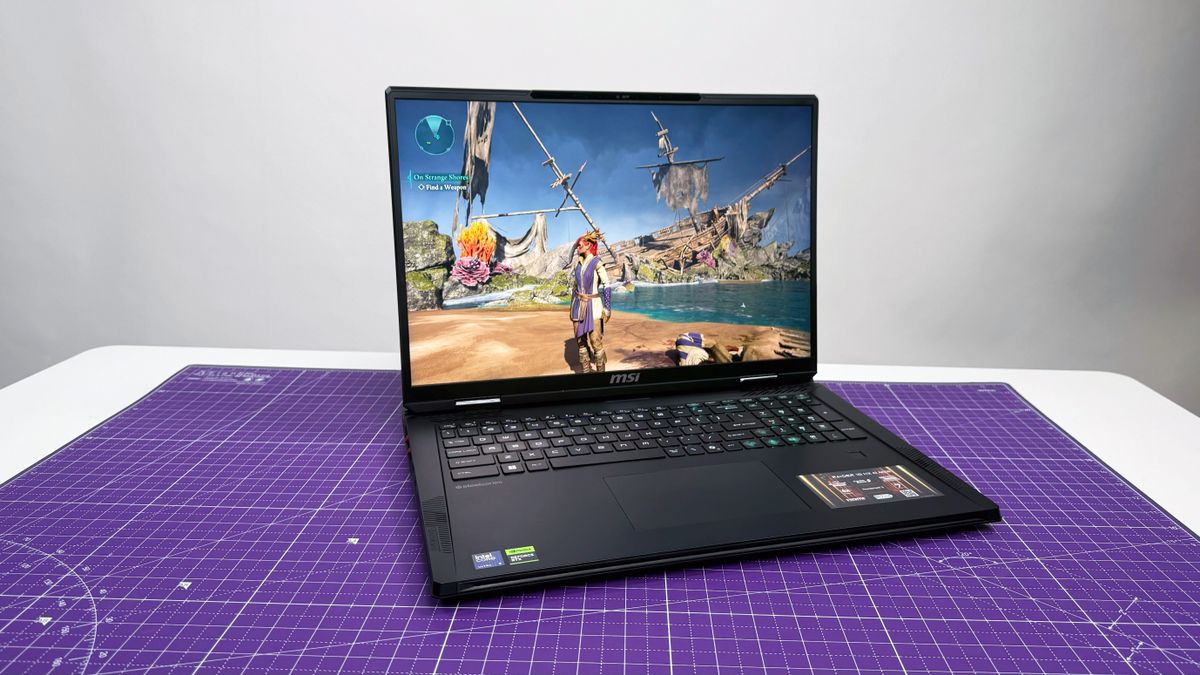
In the current market, the MSI Raider 18 HX AI has emerged as the definitive benchmark for premium gaming. Equipped with the Intel Core Ultra 9 285HX and an Nvidia RTX 5080, it sets a high bar for raw performance. Its inclusion of a MiniLED display provides a level of visual fidelity that caters to both competitive gamers and creative professionals.
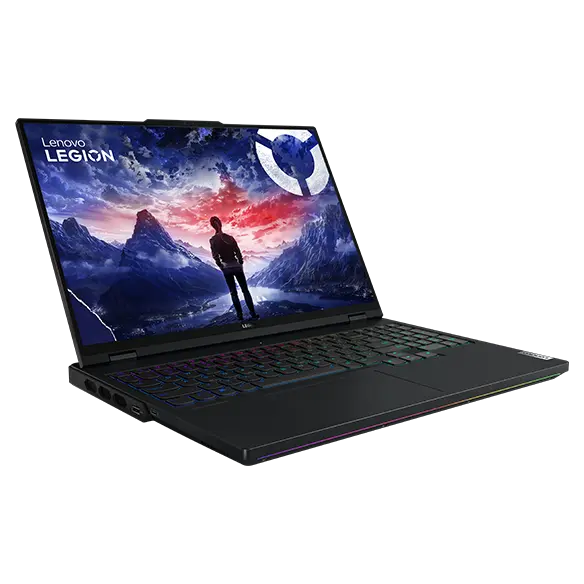
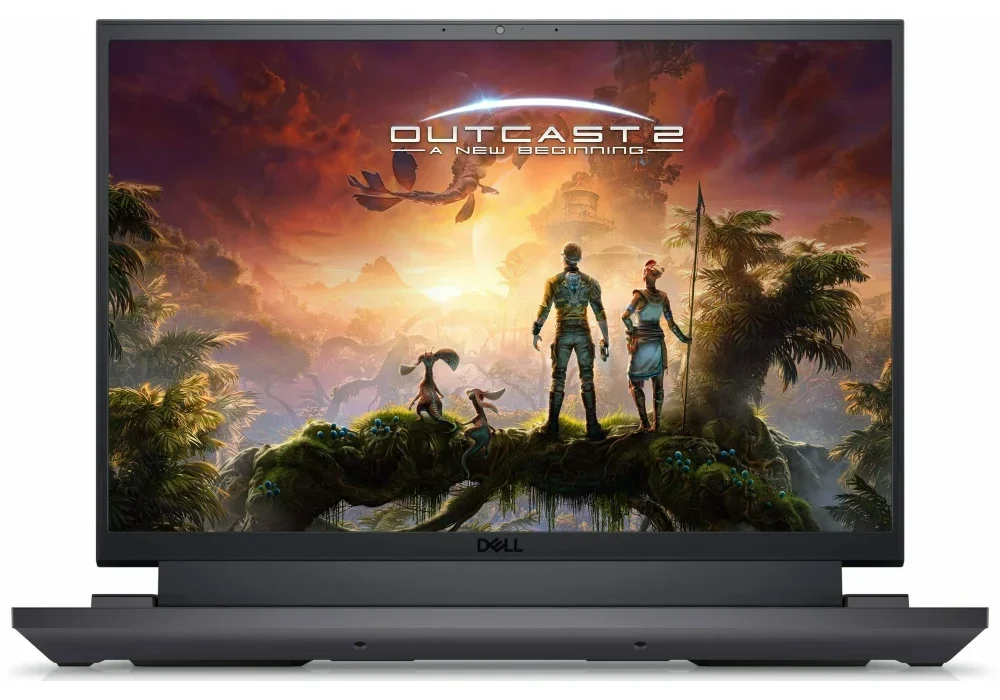
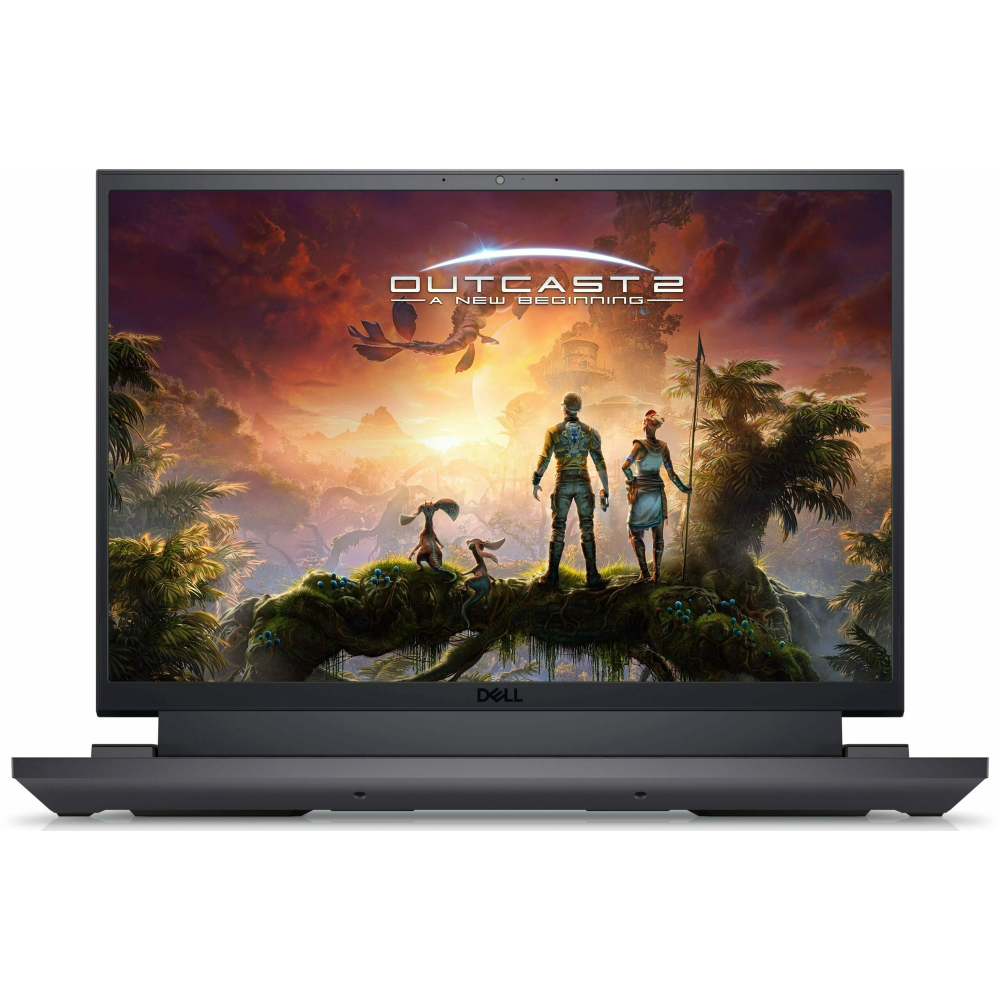
However, the market is not dominated solely by the highest-priced units. The Dell G16 (7630) continues to serve as the industry standard for budget-conscious gamers. By maintaining a sub-$1,000 price point while offering features typically reserved for premium models—such as a mechanical keyboard and a high-refresh-rate display—it highlights the growing accessibility of high-quality mobile gaming. Similarly, the Lenovo Legion Pro 7i (Gen 9) has solidified its position as the premier choice for those seeking the optimal balance of RTX 40-series performance and value, proving that the previous generation of hardware remains highly relevant in 2025.
Portability and the Battery Life Frontier
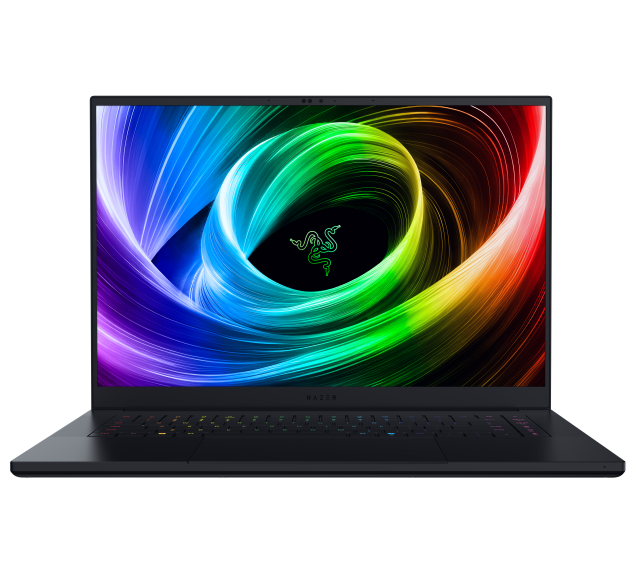
A perennial challenge for gaming laptop manufacturers has been the trade-off between power and battery longevity. The status quo was effectively challenged this year by the Razer Blade 16 (2025) and the Asus TUF Gaming A14.
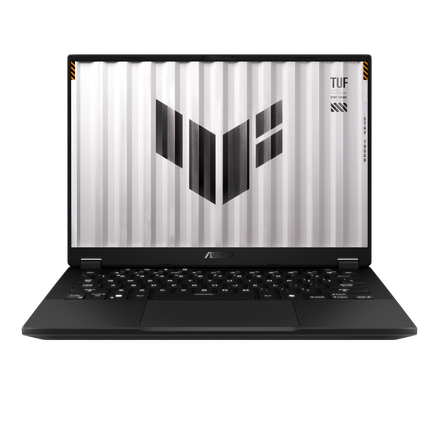
The Razer Blade 16, despite housing a top-tier RTX 5090, has demonstrated that thin-and-light designs do not necessarily require a sacrifice in battery efficiency. Achieving over seven hours of web-browsing battery life is a milestone that once seemed impossible for a high-performance gaming laptop. This shift is mirrored by the Asus TUF Gaming A14, which has set a new industry record by exceeding 10 hours of battery life. These developments are critical for users who require a machine that can serve as both a workstation for productivity and a capable gaming device.
Comparative Analysis of Hardware Benchmarks
When analyzing the performance data across current models, a clear hierarchy emerges. In synthetic tests like Geekbench 6, the high-end machines are consistently breaking the 20,000-point threshold. However, real-world gaming performance remains the primary metric for consumers.

| Model | GPU | Assassin’s Creed Mirage (FPS) | Battery Life (Web) |
|---|---|---|---|
| MSI Raider 18 HX AI | RTX 5080 | 153 | 2.33 hours |
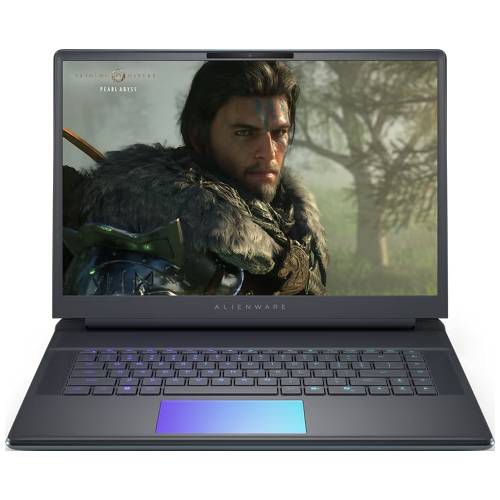
| Alienware 16 Area-51 | RTX 5080 | 149 | 4.10 hours |
| Razer Blade 16 | RTX 5090 | 120 | 7.22 hours |
| Lenovo Legion Pro 7i | RTX 4080 | 123 | 4.29 hours |
| Dell G16 (7630) | RTX 4060 | 88 | 5.04 hours |
| Asus TUF Gaming A14 | RTX 4060 | 87 | 10.04 hours |
The data indicates that while the RTX 5080 and 5090 models provide vastly superior frame rates, they often do so at the cost of battery endurance and increased thermal output. The Alienware 16 Area-51, for instance, offers a unique aesthetic and top-tier graphical performance but remains a heavy, stationary-focused device.
Broader Implications and Future Trends
The industry trend toward "AI-ready" hardware is becoming more pronounced in 2025. The inclusion of AMD Ryzen AI and Intel Core Ultra processors suggests that future gaming laptops will be expected to handle local generative AI tasks alongside traditional gaming workloads. This integration is likely to influence design choices in the coming years, with manufacturers prioritizing neural processing units (NPUs) that can manage background tasks, thereby freeing up the GPU for rendering.
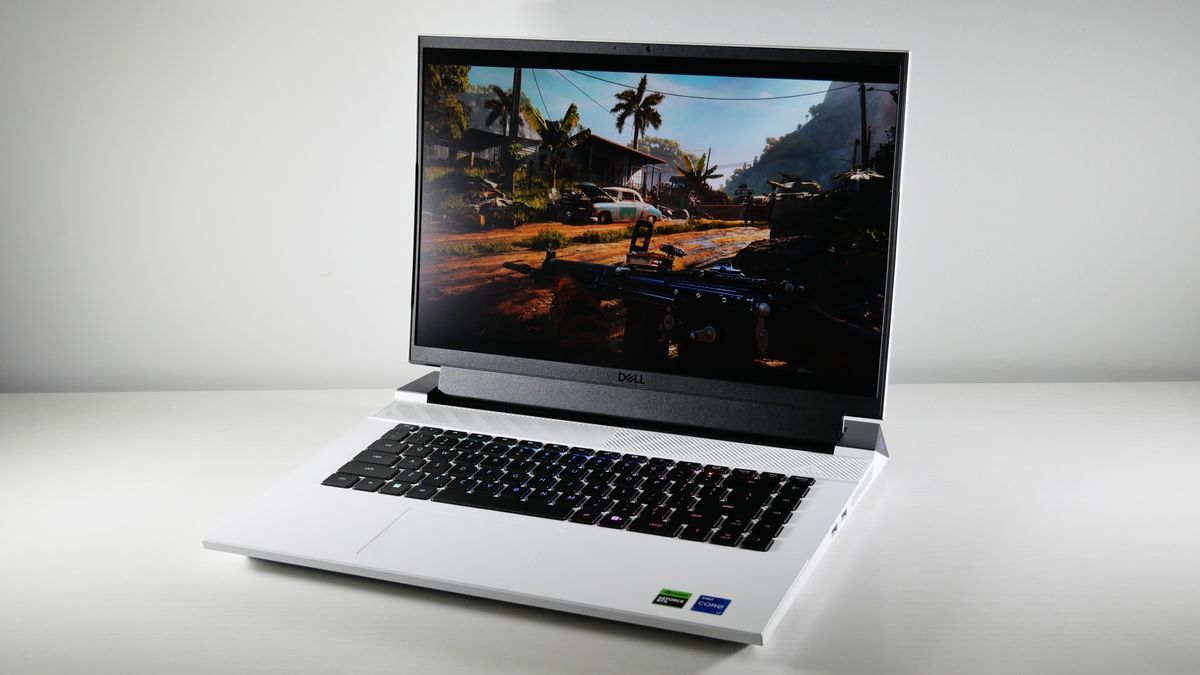
Furthermore, the shift in screen technology—from standard IPS panels to OLED and MiniLED—is no longer a luxury; it is becoming a standard requirement for premium gaming. The increased color gamut and brightness levels provided by these panels are essential for HDR gaming, which is becoming more prevalent in AAA titles.

Buying Considerations for 2025
For consumers navigating this evolving market, the consensus among industry experts is to evaluate specific needs rather than chasing the highest number on a spec sheet.

- Define the Use Case: If the laptop is primarily for travel, the Asus TUF Gaming A14 or similar ultra-portables are the most logical choices. If the machine is intended as a desktop replacement, the MSI Raider or Alienware Area-51 offer the necessary thermal headroom and power.
- The "40-series" Value Proposition: With the arrival of the 50-series, prices for RTX 40-series laptops are expected to decline. For gamers who do not require the latest DLSS 4 features, purchasing a well-regarded 40-series model represents the best "bang for your buck" in 2025.
- Resolution and Refresh Rates: A 1440p display with a 165Hz or 240Hz refresh rate is currently the "sweet spot" for most gamers. It provides a noticeable improvement over 1080p without the severe performance hit associated with 4K gaming on mobile hardware.
As 2025 progresses, the influx of entry-level RTX 50-series cards, such as the rumored RTX 5050 and 5060, will likely expand the availability of next-gen performance to the sub-$1,200 category. This will further commoditize high-end gaming performance, making it accessible to a broader demographic.

In conclusion, the state of the gaming laptop in 2025 is one of maturation. The hardware has reached a level of power where "compromise" is becoming an increasingly rare necessity. Whether the priority is raw frame rates, extreme battery life, or aesthetic design, the current generation of hardware offers a tailored solution for almost every type of user. As long as buyers prioritize thermal design, display quality, and genuine portability needs, the current crop of devices provides a robust foundation for years of gaming.