










Lucid Motors CEO Silvio Napoli recently delivered an unprecedentedly candid assessment of the luxury electric vehicle manufacturer’s internal operations during the company’s third-quarter earnings call. Reflecting on operational hurdles faced earlier in the year, Napoli revealed that as recently as this summer, the automaker frequently encountered a scenario where it "did not even know where cars were." This profound lack of supply-chain and inventory visibility meant that when prospective buyers placed orders, Lucid often required up to two weeks merely to locate the designated vehicle. Consequently, frustrated consumers walked away from transactions, resulting in squandered sales for a company striving to achieve manufacturing and financial stability in a fiercely competitive EV market.
This revelation highlights a severe structural bottleneck for an enterprise already managing substantial inventories of unsold luxury vehicles. While scaling up production is a standard milestone for automotive startups, the inability to match existing inventory with eager buyers points to deeper logistics shortcomings. Industry analysts note that similar systemic challenges are not unprecedented in the automotive sector; notably, Tesla navigated comparable growing pains during the aggressive production ramp-up of the Model 3 in 2018, though it did so while operating at a volume more than ten times higher than Lucid’s current output.
Lost Sales Amid Inventory Gluts
The admissions made by Napoli during the Q3 financial briefing underscore a disconnect between production outputs and retail fulfillment. When pressed by financial analysts regarding projected delivery trajectories for the fourth quarter, Napoli elaborated on the operational inefficiencies that plagued the company at the onset of the third quarter. He acknowledged that delays stretching up to a fortnight to deliver vehicles to already committed customers directly contributed to order cancellations and lost revenue.
To rectify these vulnerabilities, Lucid has instituted a restructured commercial framework. According to the CEO, the company has established comprehensive oversight tracking vehicles from initial manufacturing phases through shipping, warehousing, and final delivery windows. A newly formed commercial team has subsequently been deployed to market and sell units with verified availability on the exact day consumers indicate readiness to purchase.
The necessity for such corrective measures is contextualized by Lucid’s recent balance sheet figures. During the first half of the year, the automaker manufactured 3,228 more vehicles than it successfully delivered to consumers. This trend was pronounced in the first quarter, during which the company produced approximately 5,500 vehicles but recorded only 3,093 deliveries. Consequently, finished goods inventory peaked at $1.38 billion by the conclusion of June, compelling management to adjust manufacturing schedules downward to alleviate the bloated stock accumulating on distribution lots.
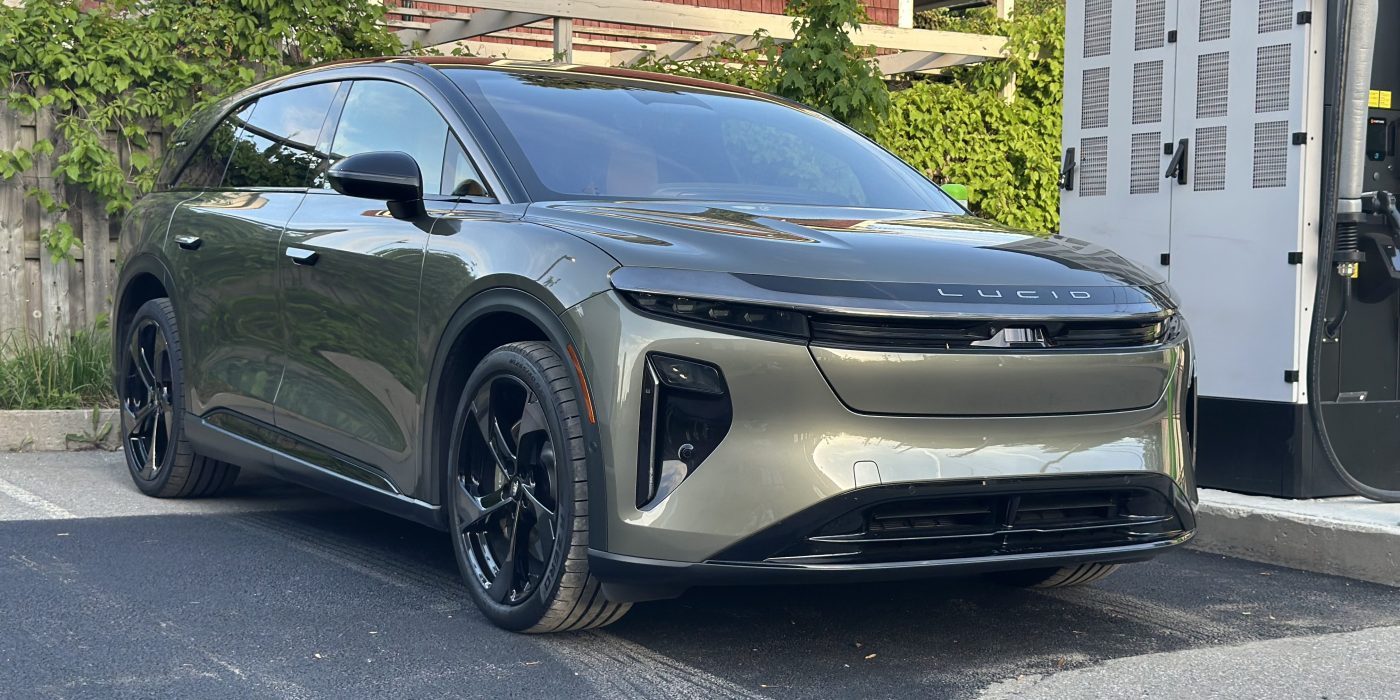
By the third quarter of 2026, the company actively moderated its production tempo to 2,954 vehicles while achieving 3,806 deliveries—representing a 7% decrease year-over-year. According to newly appointed Chief Financial Officer Alexander De Bock, this shift enabled a nearly 15% reduction in finished goods inventory over the course of the quarter, bringing total inventory value down to $1.22 billion by September 30. Despite these corrective actions, the foundational issue remains that thousands of completed vehicles spent valuable time sitting idle in transit networks or regional storage facilities while administrative delays hindered final handovers.
Parallels to Historical Logistics Crises in the EV Sector
The challenges currently facing Lucid bear striking similarities to the logistical hurdles encountered by established EV market leader Tesla during its critical manufacturing expansion phases. In 2018, as Tesla accelerated production of the high-volume Model 3, manufacturing output reached approximately 4,000 units per week—surpassing Lucid’s current quarterly volume output within a matter of seven days.
As deliveries surged exponentially across domestic and international markets, Tesla’s primary operational constraint shifted away from factory assembly lines and directly into distribution logistics. In September 2018, CEO Elon Musk publicly characterized the phase on social media, stating that the company had transitioned "from production hell to delivery logistics hell." Within a week, Musk disclosed that Tesla was confronting severe deficits in specialized car carrier trailers, prompting the company to undertake the unconventional step of constructing its own fleet of transport carriers to maintain vehicle distribution momentum. Furthermore, Tesla deployed direct-to-consumer home delivery models and mobilized corporate employees and existing vehicle owners to assist at regional delivery hubs.
The pressure intensified toward the end of 2018 ahead of reductions to federal electric vehicle tax credits. To expedite shipments across North America, Tesla acquired third-party trucking companies, secured long-term contracts with major commercial haulers, and systematically rerouted vehicle shipments eastward via truck rather than rail freight to shave weeks off aggregate transit timeframes. These aggressive interventions culminated in a then-record quarterly delivery performance of 83,500 vehicles in the third quarter of 2018, including 55,840 Model 3 sedans.
International Expansion and Port Operations
The critical importance of streamlined delivery infrastructure was further underscored when Tesla expanded Model 3 distribution into European markets in early 2019. Upon the arrival of the first cargo vessel at the port of Zeebrugge in Belgium, Tesla encountered immediate bottlenecks concerning customs clearance, vehicle inspection, and transport preparation managed by third-party logistics providers.

Demonstrating rapid crisis management, Tesla terminated its contract with the port-side preparation provider within a week of the ship’s arrival and assumed direct control over the processing operations. The strategic objective was to establish a processing velocity of 3,000 vehicles per week through a singular maritime gateway. This operational overhaul yielded immediate results; by March 2019, Tesla delivered in excess of 5,300 Model 3 units within Norway alone, propelling the sedan to the position of the nation’s best-selling passenger vehicle by a substantial margin.
Subsequent retrospectives from Tesla leadership revealed that these distribution crises nearly resulted in insolvency for the company, underscoring the reality that unfulfilled or delayed deliveries can jeopardize the financial viability of an automotive manufacturer regardless of vehicle acclaim.
Implications for Lucid’s Market Position and Future Outlook
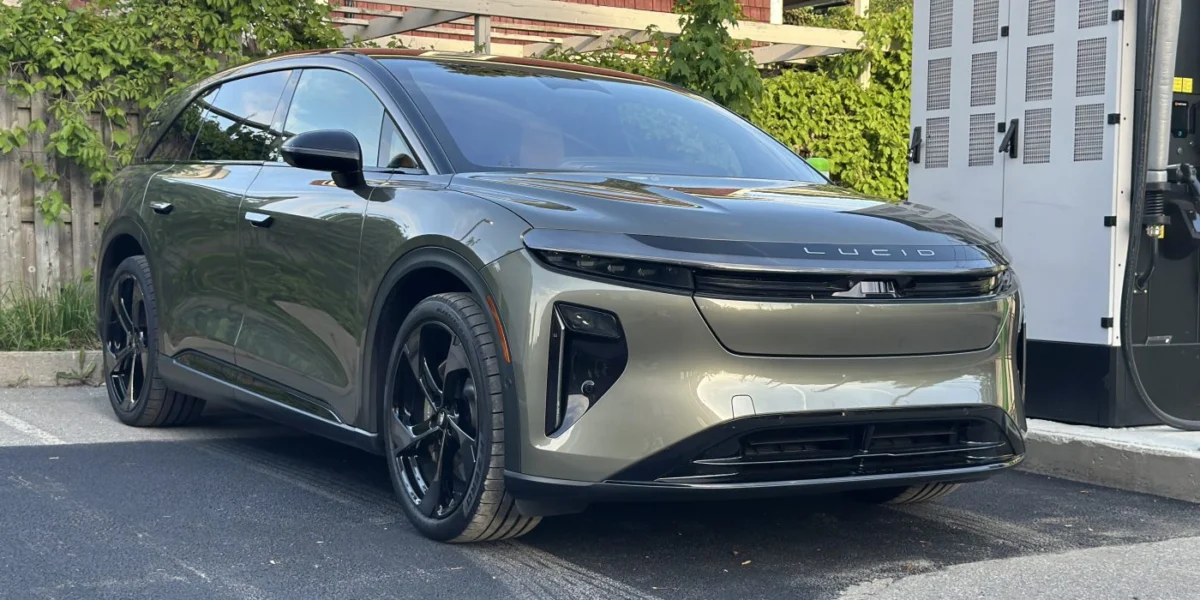
Financial analysts and industry observers have scrutinized Lucid’s recent admissions, viewing them as both a testament to executive transparency and an indicator of fundamental organizational growing pains. While products such as the Lucid Air sedan and the newly introduced Gravity SUV consistently garner critical acclaim for their engineering, powertrain efficiency, and luxury appointments, the surrounding commercial infrastructure has historically lagged behind manufacturing ambitions.
Operating at a scale where vehicle delivery numbers remain well below historical production rates of competitors during their respective ramp-up phases, Lucid faces distinct operational expectations. Industry experts note that supply chain management, inventory tracking, and retail execution are largely procedural disciplines rather than insurmountable technological hurdles. Consequently, the company’s prior inability to locate and deliver finished inventory efficiently highlights internal management vulnerabilities that leadership is now working to dismantle.
As Lucid moves forward under the guidance of Silvio Napoli and CFO Alexander De Bock, the primary imperative centers on aligning production volumes precisely with retail demand while fortifying logistics networks. Resolving these foundational inefficiencies will be essential for improving gross margins, optimizing capital allocation, and ensuring that completed luxury vehicles reach paying customers without administrative friction.