







Home Assistant has officially rolled out its latest major software update, version 2026.9, introducing a host of significant enhancements designed to streamline complex device integrations, improve accessibility, and expand privacy-focused smart home capabilities. Released in September 2026, this iteration marks a major milestone for the Open Home Foundation and its commercial partner Nabu Casa, bridging long-standing gaps in industrial hardware communication, voice recognition accuracy, and user interface management.
Modernizing Modbus for Industrial and Renewable Energy Integration
Historically, Modbus protocol integration within Home Assistant has presented a substantial barrier to entry for mainstream users. While the protocol quietly powers critical residential infrastructure—including solar inverters, heat pumps, and advanced energy meters—interfacing with these systems required manual, error-prone YAML configuration and custom register mapping.
Version 2026.9 fundamentally shifts this paradigm by modernizing Modbus support. The update introduces native, UI-driven device discovery for supported Modbus hardware, eliminating the need for hand-written register maps. By leveraging a newly developed standalone modbus-connection library built on top of the fully typed tmodbus protocol handler, multiple integrations can now securely share a single Modbus connection without session conflicts.
Initial implementations of this modernized architecture include upgraded support for Fronius solar inverters, adding granular per-string metrics such as current, voltage, power, and lifetime energy for individual MPP trackers via Modbus TCP (SunSpec). Similar native UI integrations have been deployed for Sofar Inverters and Flexit ventilation systems. This architectural shift significantly lowers the technical threshold for homeowners integrating complex renewable energy and HVAC systems into their local automation environments.
Advancing Private Voice Processing and Cloud Infrastructure
Building upon the hardware-independent vision of the Home Assistant Voice Preview Edition, the 2026.9 release introduces an upgraded speech-to-text processing engine for Home Assistant Cloud subscribers. Designed to tackle three historically difficult variables in voice automation—regional accents, ambient background noise, and non-English primary languages—the updated engine transitions backend processing to advanced providers like Soniox.
Tested rigorously across diverse linguistic environments by Open Home Foundation developers, the new processing engine maintains strict adherence to local-first privacy guarantees, ensuring that audio streams are never logged, stored, or utilized for third-party machine learning model training. Subscribers can opt into the feature via the system’s Labs interface.
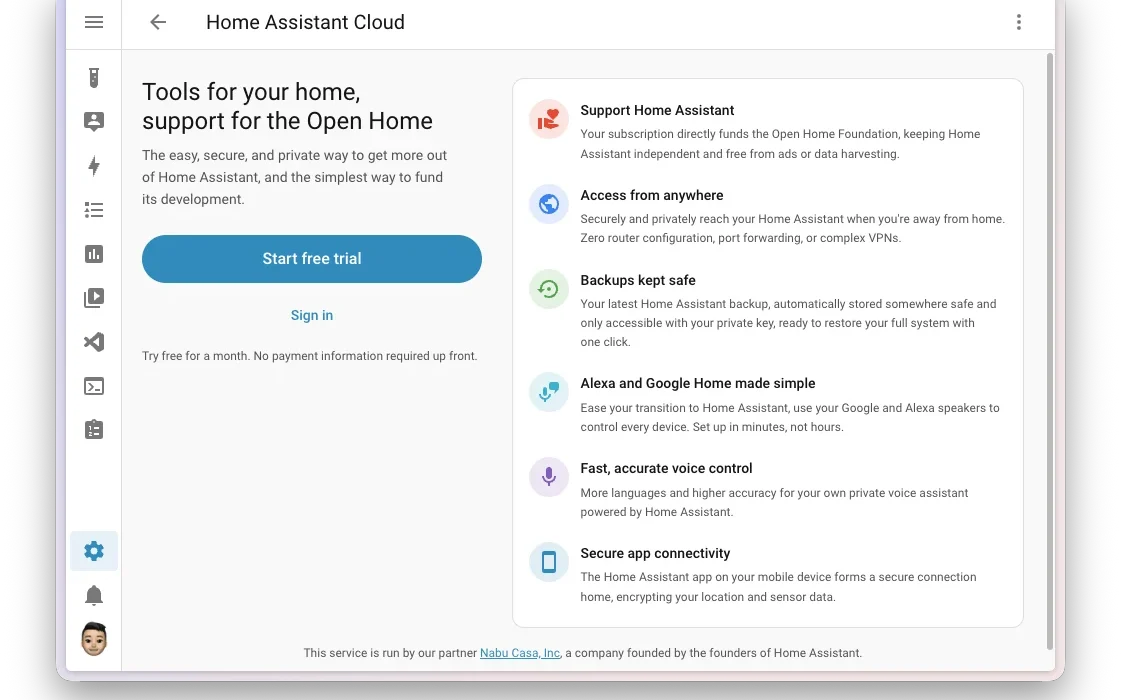
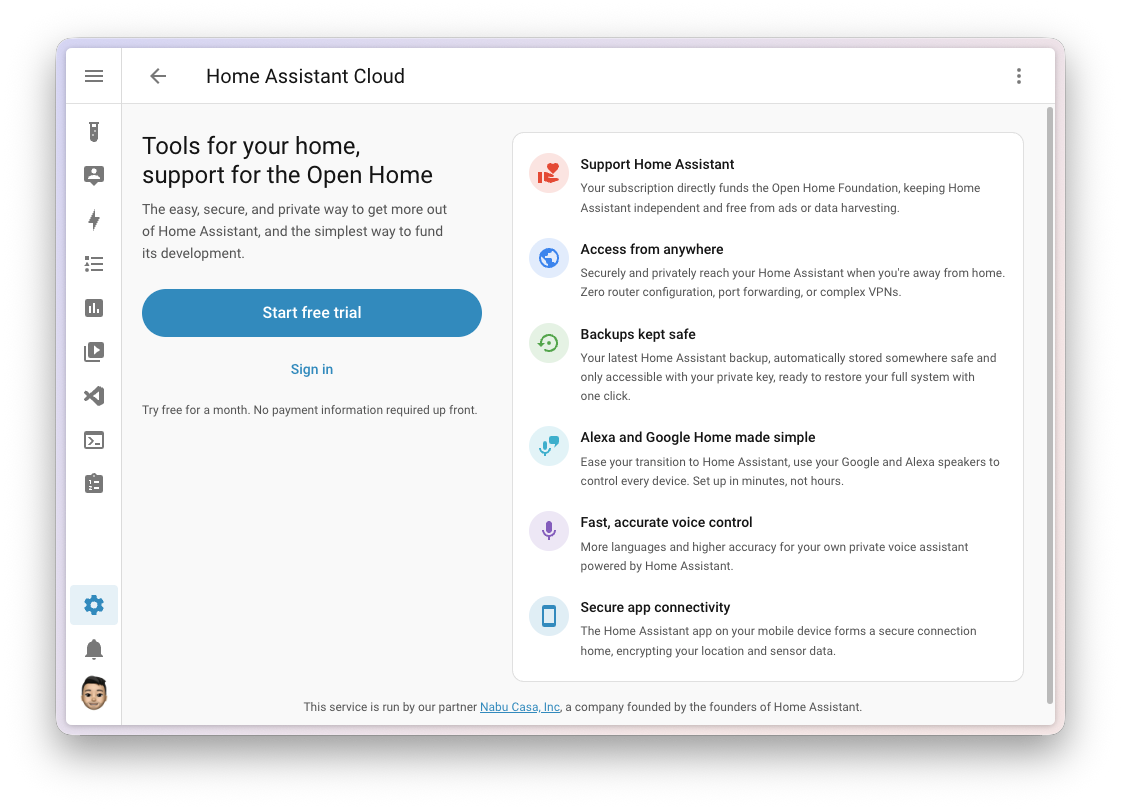
Simultaneously, Home Assistant Cloud has introduced transparent security enhancements. Authentication requests routed through the cloud service now pass through original client IP addresses rather than localized loopback addresses (127.0.0.1). This change enables more effective IP-banning strategies against malicious bot activity and brute-force login attempts, complementing the platform’s multi-factor authentication (2FA) frameworks. Furthermore, the cloud subscription onboarding process has been streamlined to feature a direct, transparent feature overview and automatic login upon email confirmation.
Dashboard Usability, Security Alerts, and Activity Auditing
User interface refinements represent a core focus of the 2026.9 update, directly addressing community-driven feature requests coordinated through the Open Home Foundation’s design roadmap.
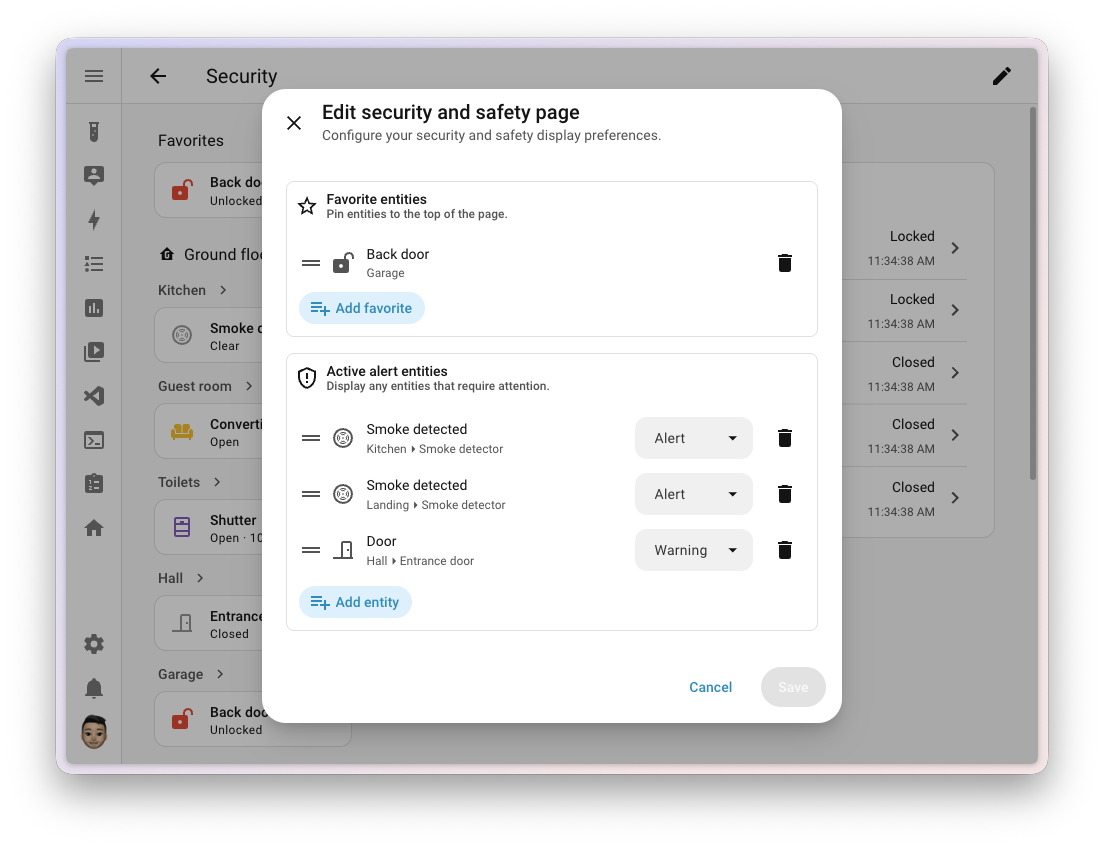
The built-in Security dashboard has been expanded to include configurable Active alerts and Favorites sections. Users can now designate critical entities—such as exterior doors, window sensors, and smoke detectors—to trigger dynamic, severity-ranked warnings. Non-critical states remain unobtrusive, while genuine security events utilize animated visual indicators to command immediate attention.
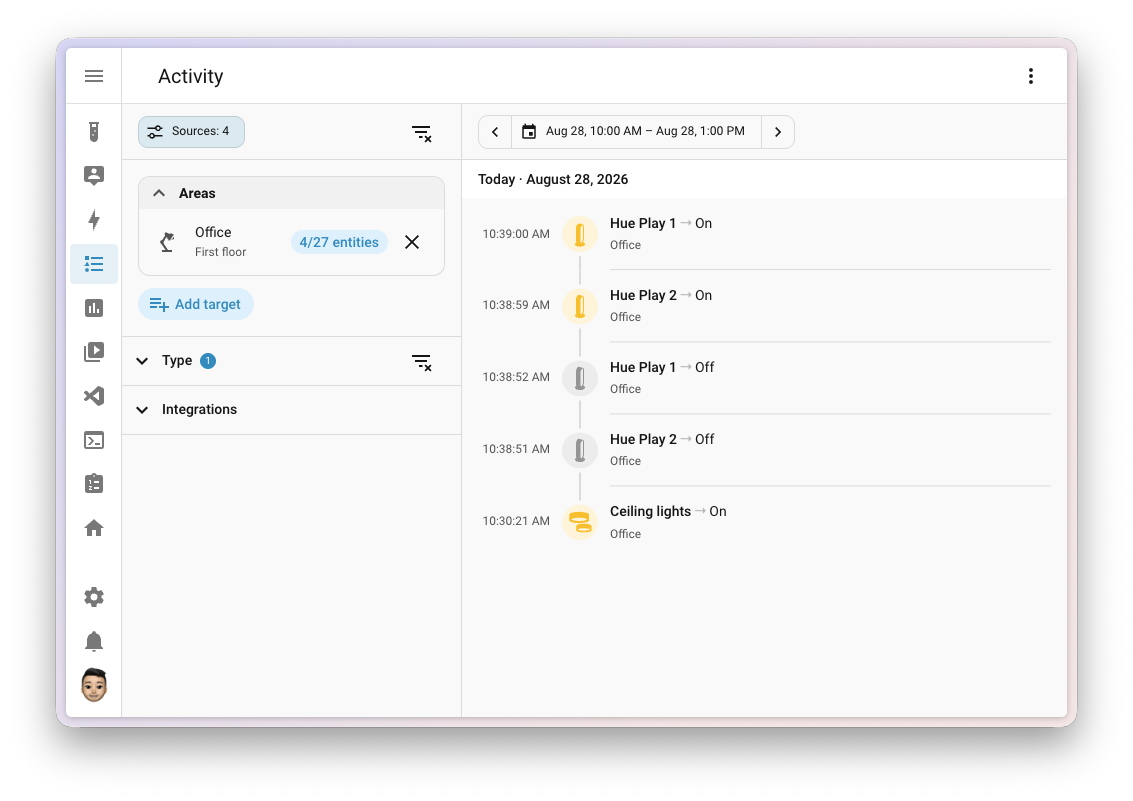
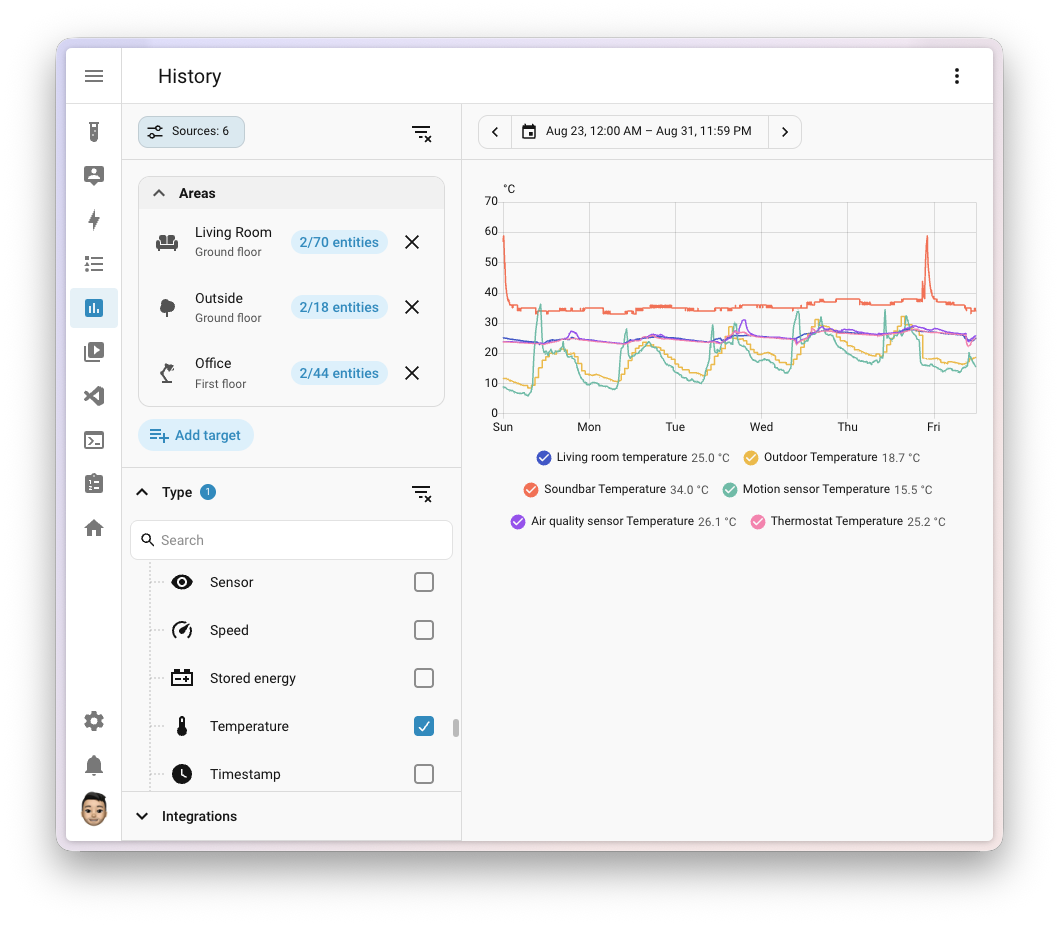
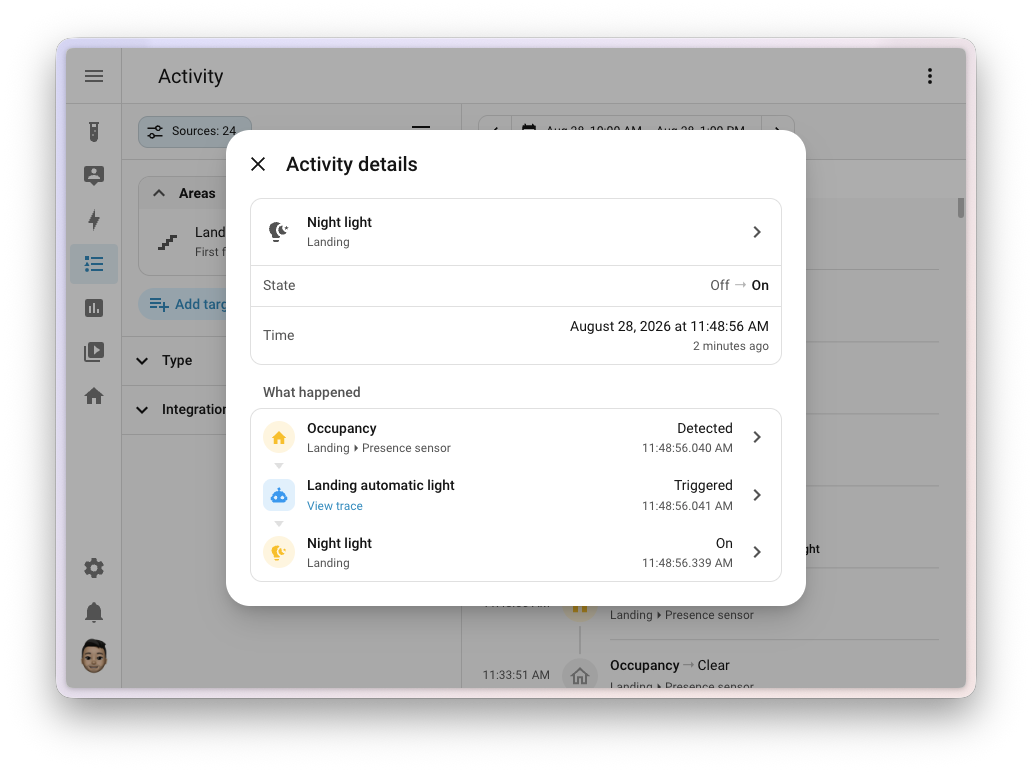
Similarly, the History and Activity interfaces have been unified under a shared left-hand Sources panel. This consolidation allows users to filter data targets by physical floors, logical areas, specific devices, or underlying integration domains. To answer the persistent question of "why" an automation occurred rather than merely "what" changed, selecting any row within the Activity log now opens a granular chronological breakdown. This trace details the root trigger—whether a human action, schedule, restart, or system event—alongside intermediate automation steps and millisecond-accurate timestamps.
Matter Network Mapping and Protocol Expansion
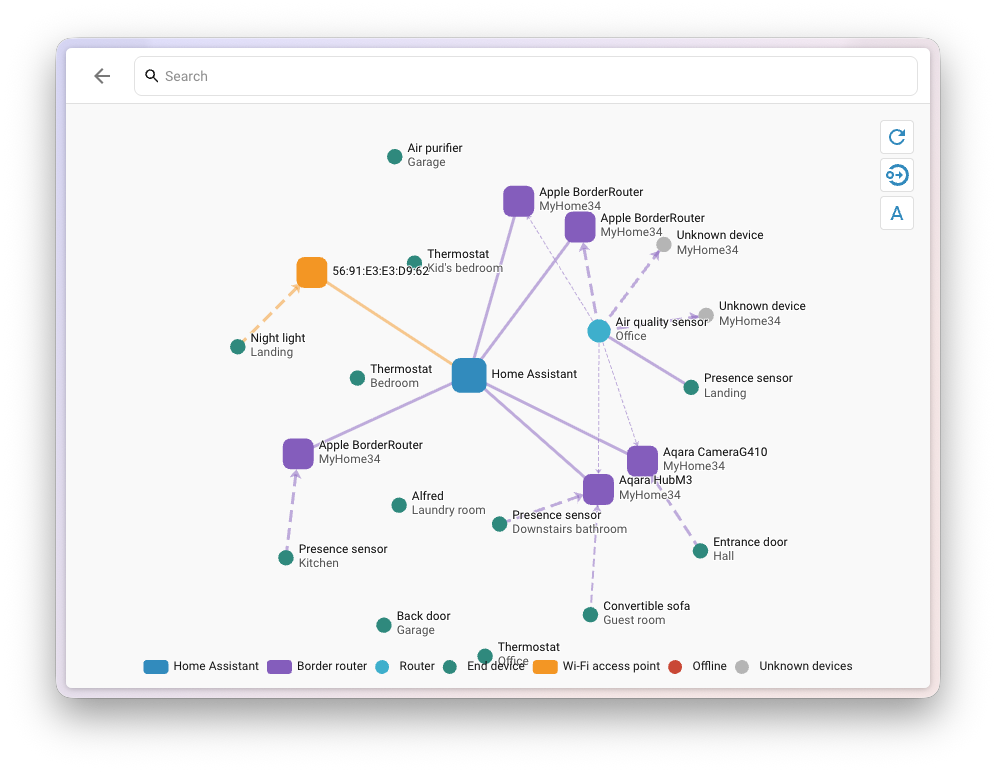
As the smart home ecosystem increasingly adopts the interoperable Matter standard, version 2026.9 brings parity to Matter network visibility. Mirroring existing mapping tools available for Zigbee (ZHA), Z-Wave, and Bluetooth, the Matter panel now features a dedicated graphical network map.
Powered by data from the underlying Matter Server, the visualization maps connections between Thread border routers, Wi-Fi access points, and battery-powered end devices. Link topology, transport type, and real-time signal strength are rendered visually, enabling administrators to diagnose mesh network bottlenecks and routing path inefficiencies directly from the UI.
In parallel, hardware connectivity management has been centralized. Following the integration of infrared and radio frequency controllers in previous updates, a new dedicated Serial panel under Settings > Connectivity inventories all physical USB dongles and serial ports. The interface categorizes ports into active, connected-idle, and missing states, providing immediate alerts regarding disconnected hardware. An updated MQTT settings panel similarly consolidates broker health monitoring, connection settings, and packet-publishing tools.
Accessibility Enhancements for Data Charts
Demonstrating a continued commitment to digital accessibility, the 2026.9 release introduces comprehensive keyboard navigation and acoustic sonification for historical charts and line graphs.
Historically, rendered chart data remained entirely inaccessible to screen reader users and keyboard-only operators. The new update transforms charts into focusable interactive elements. Users can navigate data points sequentially using directional arrow keys, triggering live speech announcements for timestamps and numeric values. Furthermore, Home Assistant introduces real-time audio sonification: as users navigate across data points, the platform generates a rising or falling tone corresponding to the data trend. This acoustic feedback allows users to audibly perceive the overall trajectory of metrics such as energy consumption or temperature fluctuations.
Backward-Incompatible Changes and Upgrades
As with any major software iteration, version 2026.9 contains targeted backward-incompatible changes designed to secure and clean up legacy codebases:
- Flexit Nordic (BACnet): The deprecated fireplace mode switch entity has been removed in favor of standard
climate.set_preset_modeactions. - KNX: Expose entities no longer automatically transmit initial local states to the KNX bus upon startup unless explicitly configured via the UI or
send_on_init: true. - LLM APIs: Large Language Model tool names are now explicitly prefixed with their originating integration domain (e.g.,
homeassistant__GetLiveContext). - Administrative Controls: Performing sensitive configuration-level actions—such as installing or skipping software updates, or managing Z-Wave lock user credentials—now strictly requires an administrator user account context.
Community Involvement and Patch Release Schedule
Home Assistant 2026.9 is available immediately for installation across all supported platforms. The development team has committed to a regular weekly patch release schedule throughout September to address emerging bug reports. Users seeking support or reporting bugs are encouraged to engage with the official community forums, Discord channels, or the core GitHub repository.
The Open Home Foundation will also showcase these updates live at IFA Berlin 2026 from September 4 through September 8, located in Hall 1.2, stand 1.2-153.