








The automotive industry is bracing for a high-stakes legal confrontation as British luxury automaker Jaguar Land Rover (JLR) takes aggressive action against Chinese manufacturing giant BYD. At the center of the dispute is the BYD Ti7, a vehicle that JLR alleges violates its protected intellectual property. This conflict escalated significantly in August, when court-appointed bailiffs conducted raids on two of BYD’s corporate offices located in the Netherlands. These raids, carried out under judicial authority, resulted in the seizure of extensive digital documentation related to the research and development phases of the Ti7. As the legal battle moves into a critical phase, a Dutch court is expected to rule later this week on whether the evidentiary basis provided by JLR is sufficient for the litigation to proceed to a full trial.
The Anatomy of the Dispute
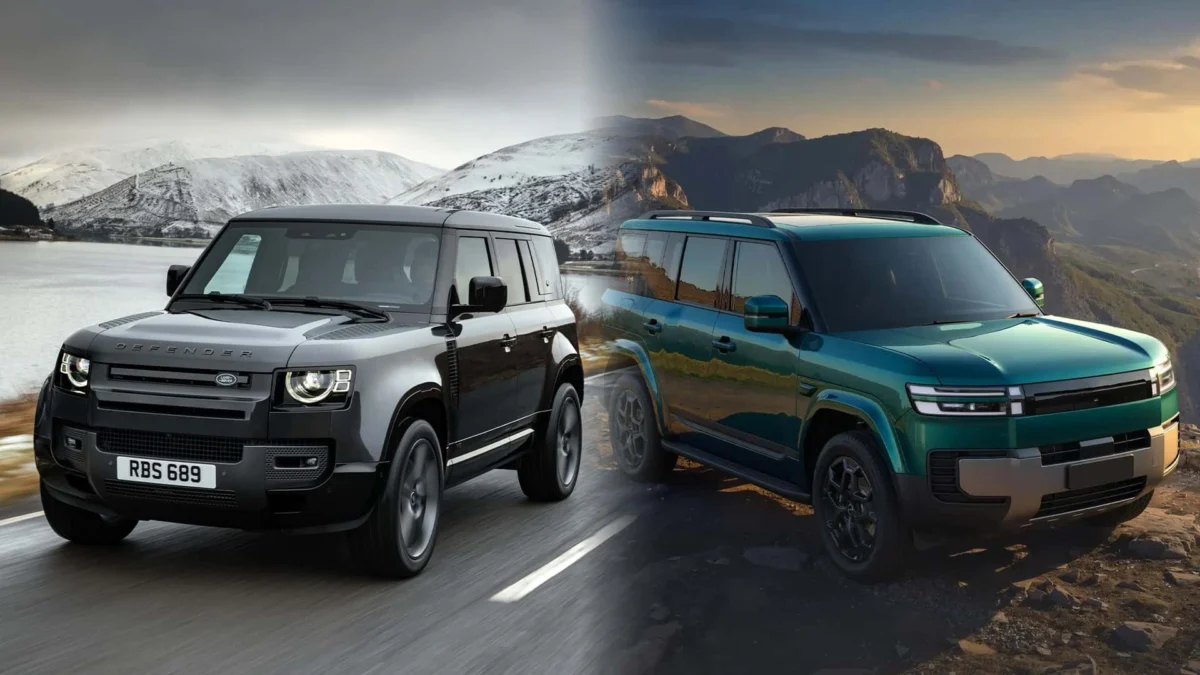
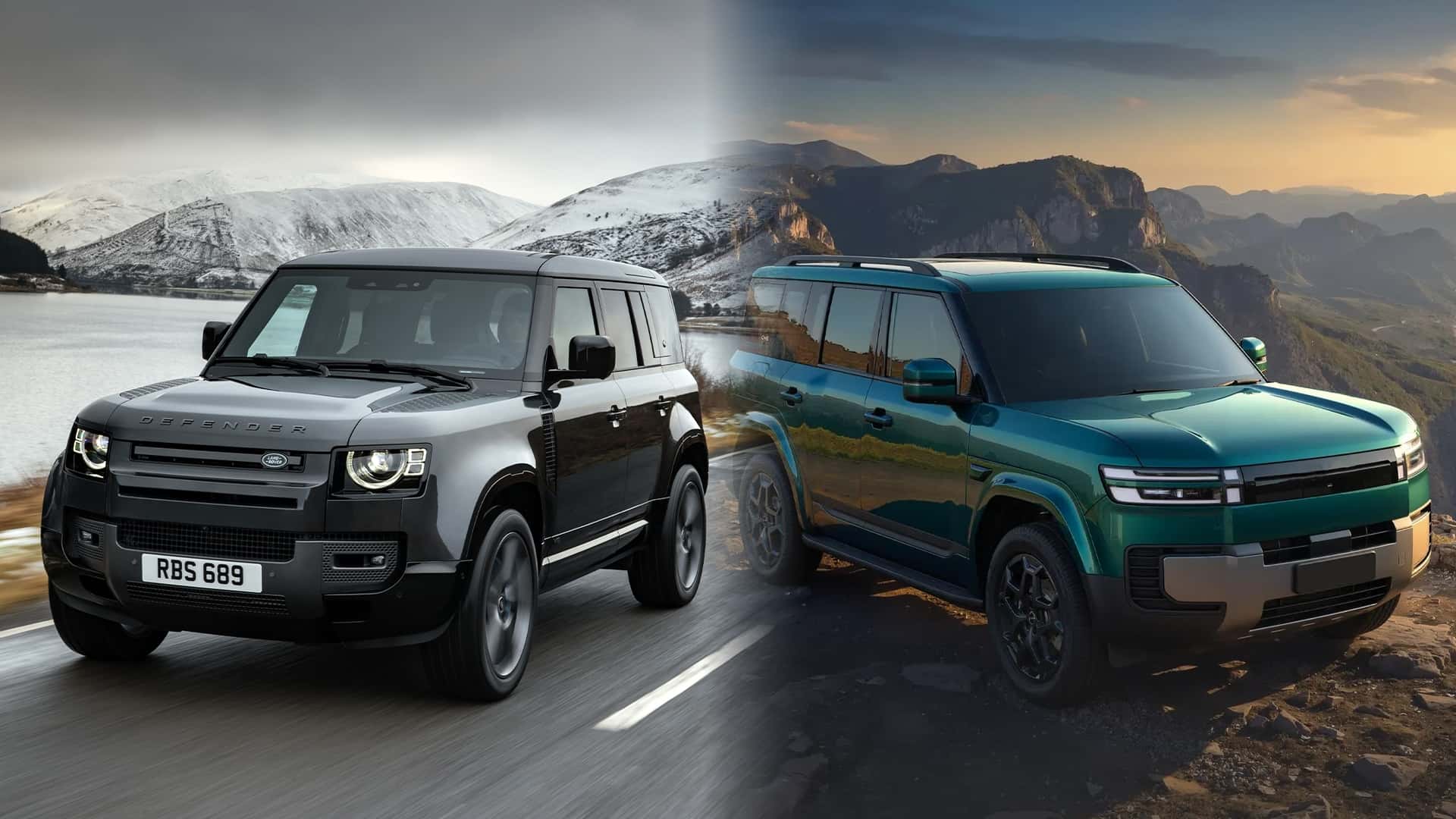
The contention primarily revolves around the design language and technical architecture of the BYD Ti7. Upon its initial public unveiling, industry observers and JLR legal teams noted striking aesthetic similarities between the Ti7 and the iconic Land Rover Defender, a vehicle that serves as a cornerstone of the JLR brand identity. While boxy, off-road-oriented aesthetics are a common trend in the current SUV market, JLR’s allegations extend beyond simple visual imitation.
According to reports from The Times, JLR’s legal representatives have presented a compelling theory: that BYD engineers potentially engaged in the systematic dismantling and reverse engineering of an authentic Land Rover Defender. While the practice of "benchmarking"—where manufacturers purchase and analyze competing vehicles to understand their technical specifications—is a standard, legally protected industry practice, the legal threshold is crossed when proprietary, patented technology is replicated in a competitor’s product. JLR alleges that BYD did not merely use the Defender as a reference point for market positioning, but rather incorporated protected proprietary technical solutions directly into the Ti7.
A Chronology of Conflict
The timeline of the Ti7’s journey to market provides context to the urgency of JLR’s legal challenge. The model was first launched for the Chinese domestic market in September 2025, quickly establishing a reputation for offering high-end features at a significantly lower price point than established Western luxury competitors. In April, the lineup expanded with the introduction of a battery-electric variant, further positioning the Ti7 as a disruptive force.
Following these domestic launches, BYD signaled its intent to aggressively expand its footprint in the European market, with initial deliveries of the Ti7 scheduled to commence as early as January 2026. The timing of the Dutch raids in August suggests that JLR was monitoring the vehicle’s progress closely, acting before the model could gain significant market share or establish a permanent retail presence in European showrooms. By intervening at this stage, JLR is attempting to utilize the judicial system to prevent a wider rollout of the model, mirroring strategies used in previous high-profile intellectual property cases.
Market Dynamics and Pricing Pressures
The economic motivations behind this dispute are clear when examining the pricing disparity between the two vehicles. In the European market, the BYD Ti7 is expected to retail at approximately $64,500. By contrast, a similarly configured 7-seater Land Rover Defender 110 carries a price tag approaching $92,000. This $27,500 differential places the two vehicles in direct competition for the same consumer demographic while offering vastly different value propositions.
For JLR, the threat posed by the Ti7 is twofold. First, there is the immediate risk of lost market share to a lower-priced, visually similar alternative. Second, and perhaps more importantly, is the long-term erosion of brand exclusivity. Intellectual property protections are designed to ensure that companies can recoup the immense costs associated with design, engineering, and testing. If a competitor can bypass these R&D cycles by utilizing another firm’s proprietary breakthroughs, they can achieve a price advantage that is inherently unfair, according to the principles of patent law.
Precedents and Legal History
This is not the first time JLR has sought to protect its design language through litigation. The company has a well-documented history of defending its IP against both domestic and international manufacturers. In one notable instance, JLR challenged the British firm Ineos, whose "Grenadier" SUV was criticized for its resemblance to the classic Land Rover Defender. However, JLR’s experience in that case was mixed, as the courts ultimately did not rule in their favor regarding the design protections.
A more successful outcome for JLR occurred in 2019, when the company won a landmark legal battle against the Chinese automaker Jiangling Motors. In that case, a court found that the Jiangling "Landwind X7" was a direct, unauthorized copy of the Range Rover Evoque. The ruling was significant because it demonstrated that foreign automakers could successfully hold Chinese manufacturers accountable for intellectual property infringement within Chinese courts, a feat that had previously been considered nearly impossible. The precedent set by the Landwind case serves as the blueprint for JLR’s current strategy against BYD.
Industry Implications and Responses
To date, both Jaguar Land Rover and BYD have maintained a policy of silence regarding the specific allegations, with both parties declining to provide official comments to media outlets. This strategic reticence is common in high-stakes intellectual property litigation, where public statements can be scrutinized and used as evidence in court.
The broader implications for the automotive industry are profound. As the global shift toward electric vehicles accelerates, the competition between established European manufacturers and rapidly ascending Chinese EV giants is intensifying. Intellectual property will remain the most significant battleground in this transition. If JLR prevails, it could establish a more rigorous standard for design and engineering compliance in Europe, potentially forcing other manufacturers to exercise greater caution when benchmarking or designing vehicles that draw inspiration from existing luxury models.
Conversely, a victory for BYD would signal a shift in the regulatory landscape, potentially lowering the barriers to entry for companies that employ aggressive "copycat" development strategies. Analysts suggest that the outcome of this case will be closely monitored by global regulators, who are increasingly concerned about the balance between fostering innovation and protecting the rights of established legacy manufacturers.
The Path Forward
The upcoming ruling in the Dutch court is merely the opening salvo in what is expected to be a protracted legal process. Regardless of the immediate decision, both companies are likely to exhaust all available appeals. The seizure of digital records during the August raids will be scrutinized by forensic data experts, who will attempt to map the evolution of the Ti7’s design against the technical specifications of the Defender.
As the industry moves toward 2026, the case of JLR vs. BYD serves as a reminder of the volatility inherent in the global automotive market. While consumers may benefit from the competitive pricing and rapid technological advancements driven by firms like BYD, the legal reality of protecting original invention remains a cornerstone of the automotive industry. The final judgment will not only impact the fate of the Ti7 in the European market but may also redefine the legal boundaries of what constitutes "inspired design" versus "intellectual property theft" in the era of global electrification. For now, the automotive world waits for the Dutch court to determine whether the Ti7 will be allowed to roll into European showrooms or if it will be sidelined by the legal weight of its own design origins.