











Published October 22, 2026, the ongoing transformation of outdoor recreation gear highlights a significant departure from traditional equipment, most notably through the rapid decline of the classic leather and high-top hiking boot. As modern outdoor athletes prioritize speed, technological efficiency, and weight reduction, the footwear landscape across long-distance trails has shifted dramatically. Industry data, retail trends, and shifting consumer preferences indicate that low-cut trail runners and lightweight hiking shoes have effectively displaced traditional boots as the dominant footwear choice for the vast majority of modern backpackers and thru-hikers.
This transition reflects a broader evolution in outdoor sports over the past two decades. While advancements in synthetic fabrics, GPS tracking, ultra-lightweight apparel, and digital mapping have revolutionized how people traverse the backcountry, they have simultaneously rendered older gear archetypes obsolete. The heavy, stiff, ankle-supporting hiking boot—once considered the undisputed uniform of the serious mountaineer and trekker—is now increasingly viewed by a younger generation of hikers as an unnecessary relic of a bygone era.
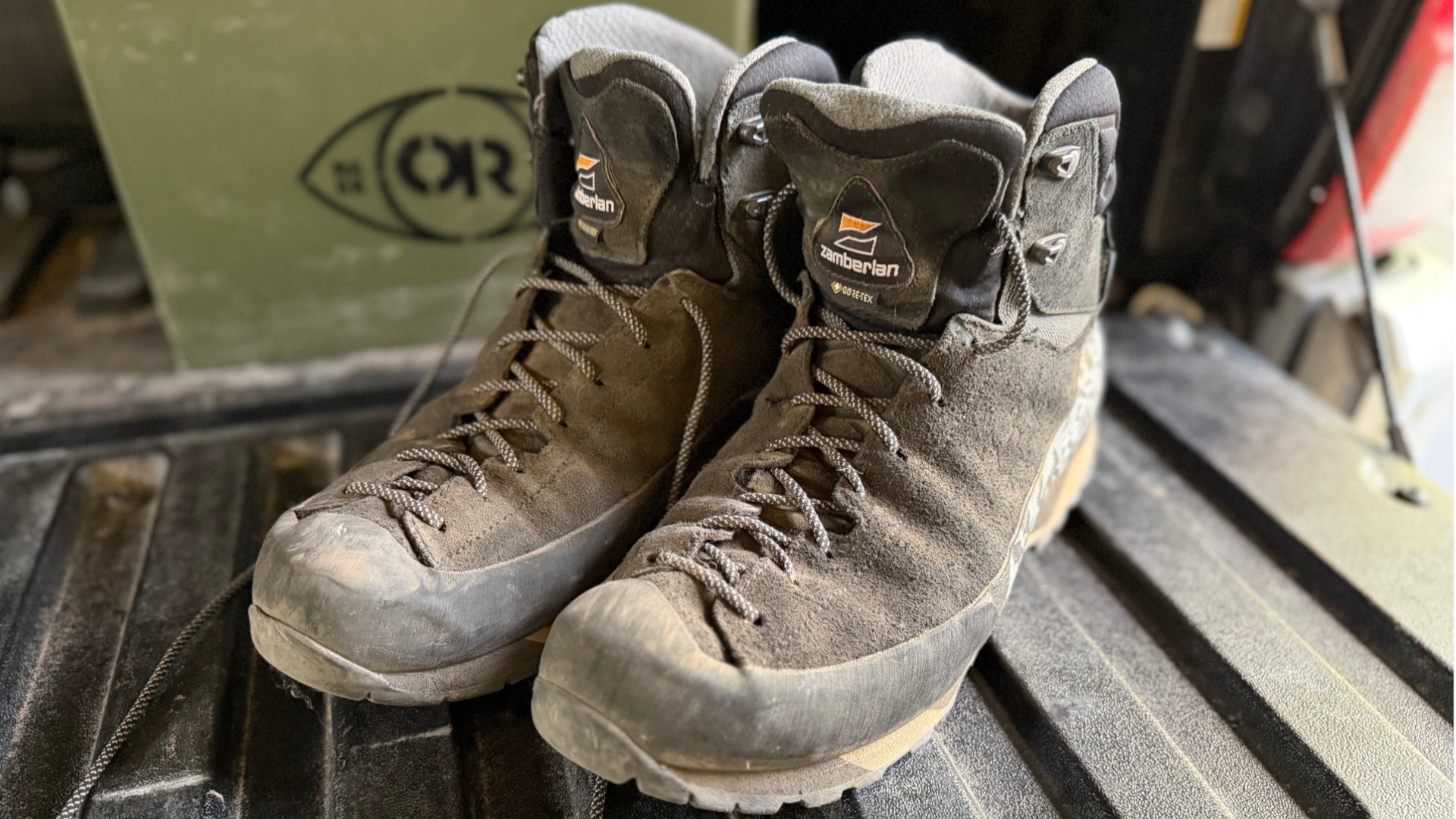
The Shift in Trail Demographics and Gear Preference
To understand the magnitude of this footwear evolution, one must examine trail-side statistics gathered by major long-distance hiking organizations and outfitters. Industry surveys along major American routes, such as the 2,190-mile Appalachian Trail, reveal a stark contrast between historical norms and current practices. Data compiled over recent hiking seasons indicates that approximately 90 percent of thru-hikers now opt for lightweight trail runners or low-cut hiking shoes. Conversely, traditional boots account for a mere 10 percent of footwear choices on the trail.
This preference is driven by clear mechanical and physiological advantages favored by modern endurance hikers. Traditional boots, while structurally robust, typically weigh significantly more than trail runners. This added weight on the foot translates to a disproportionately higher energy expenditure over the course of a day; biomechanical studies frequently note that a pound on the foot is equivalent to roughly five pounds carried on the back. Furthermore, trail runners offer superior breathability, dry out much faster when soaked, require zero break-in period, and provide immediate agility across technical terrain.
However, this transition comes with distinct trade-offs. While trail runners excel in speed and comfort, they lack the durability that defined mid-century and late-20th-century backpacking. Industry interviews with long-distance hikers reveal that elite thru-hikers can burn through as many as 12 to 14 pairs of lightweight trail shoes during a single continuous journey from Georgia to Maine. This high turnover rate has transformed lightweight footwear into a virtually disposable commodity, raising pressing questions regarding environmental sustainability and consumer waste within the outdoor recreation sector.
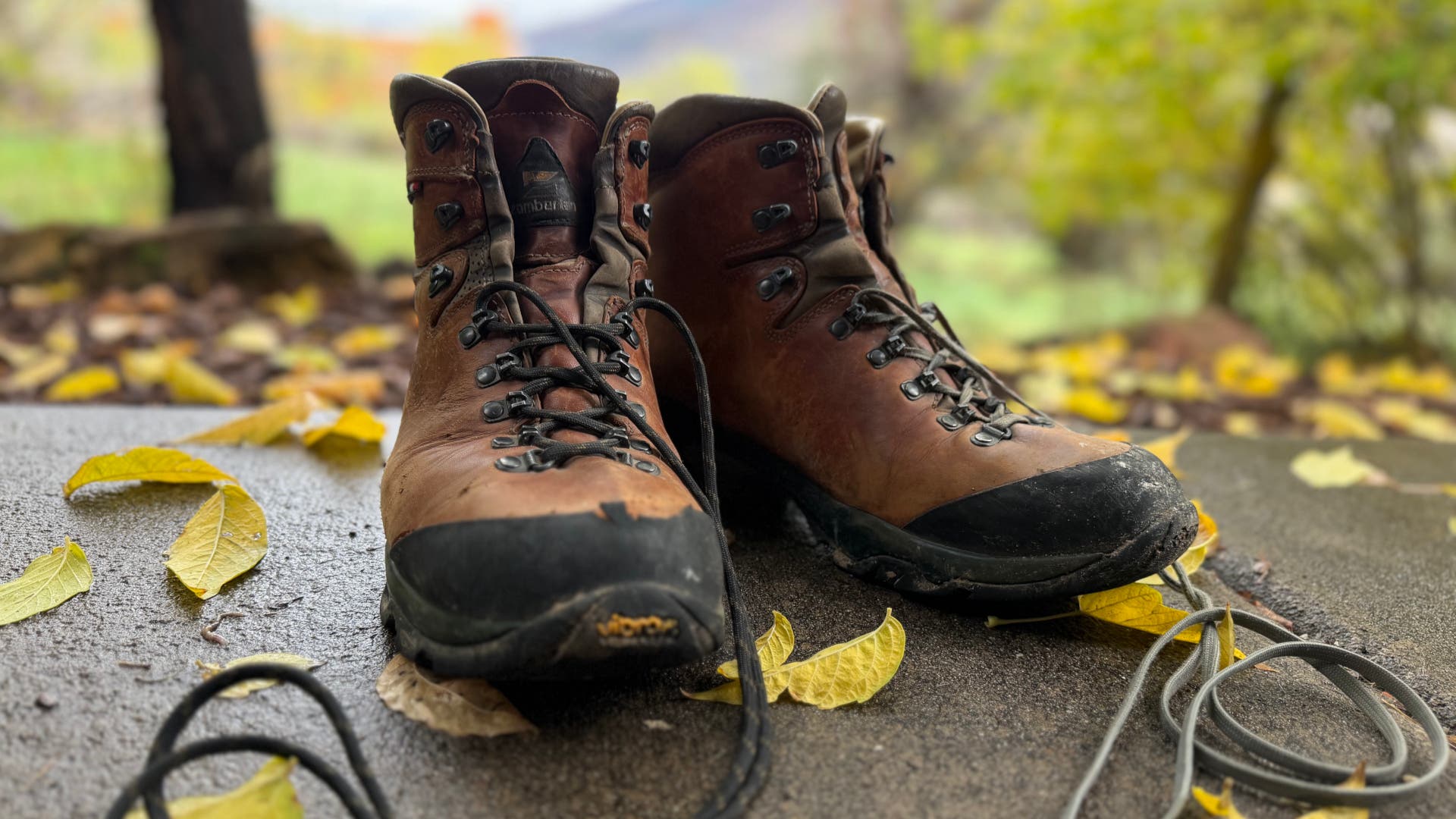
Historical Evolution of Outdoor Footwear
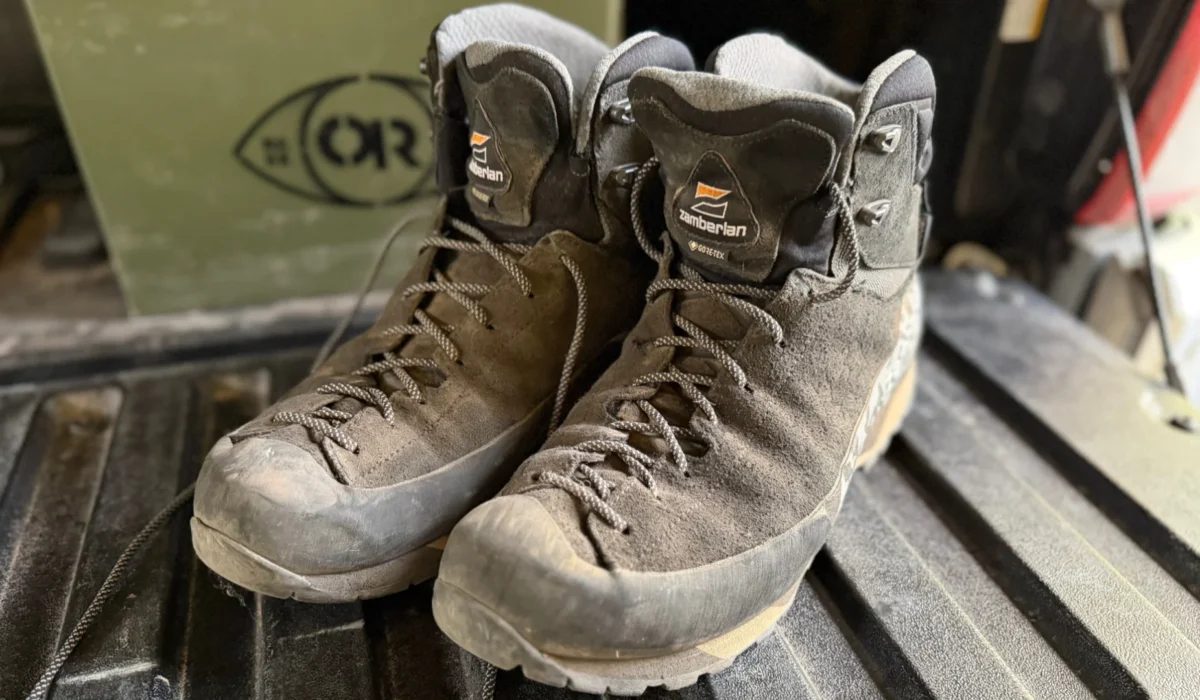
The trajectory of hiking footwear over the past century mirrors the industrialization and commercialization of outdoor recreation. In the mid-20th century, mountaineering and trekking boots were constructed almost exclusively from thick, oil-treated full-grain leather, reinforced with metal eyelets, steel shanks, and rigid rubber lug soles—most famously pioneered by Italian and European manufacturers. These boots required weeks of deliberate breaking-in, demanded meticulous maintenance involving waterproofing waxes, and were expected to last for decades, often passed down or resoled multiple times.
The 1980s and 1990s introduced synthetic fabrics like Cordura and waterproof-breathable membranes such as Gore-Tex into boot manufacturing, slightly reducing weight while maintaining ankle-high structural support. However, the true paradigm shift occurred in the early 2000s, catalyzed by the ultra-running movement. As trail running gained mainstream popularity, endurance athletes began applying lightweight, highly cushioned, mesh-upper running shoes to long-distance backpacking. Thru-hikers quickly realized that the absence of heavy leather reduced blistering, prevented joint fatigue, and allowed for unprecedented daily mileage. Consequently, traditional boot manufacturers watched their market share erode as consumers gravitated toward athletic brands specializing in soft-soled, flexible footwear.
Environmental Implications and the Microplastics Debate
The mass adoption of lightweight trail runners has introduced complex environmental challenges that researchers, manufacturers, and conservationists are only beginning to quantify. The sheer volume of discarded footwear generated by modern backpacking has accelerated landfill waste. While a well-maintained leather boot can endure years of rugged use—and can often be completely rejuvenated through professional resoling services offered by legacy brands such as Zamberlan, Danner, and Lowa—most synthetic trail runners are fundamentally unrepairable. Once the foam midsoles compress and the soft rubber outsoles wear smooth, the entire shoe is discarded.
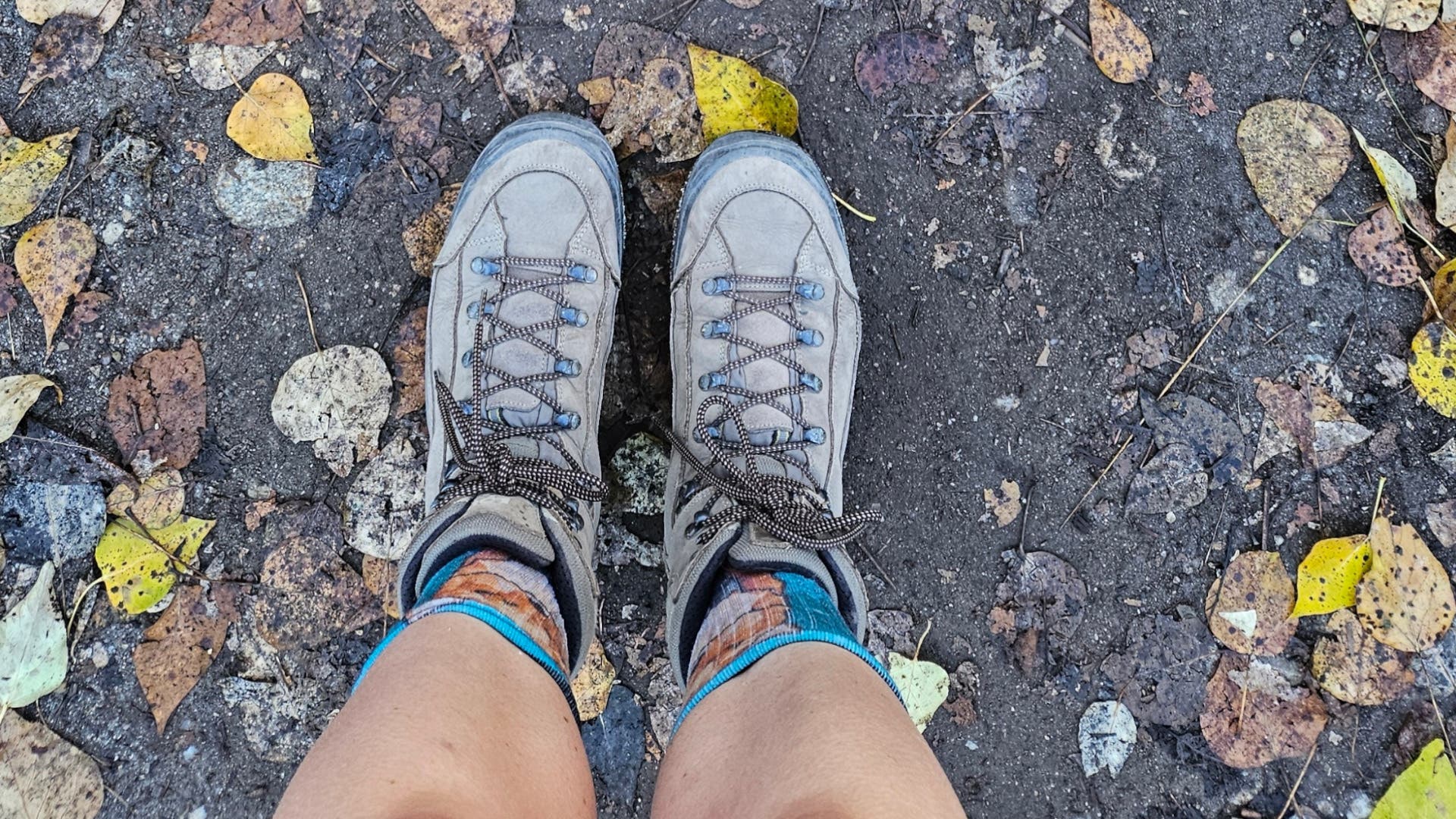
Compounding the waste issue is the emerging scientific concern surrounding microplastic pollution. Recent environmental studies monitoring remote alpine lakes, pristine creeks, and headwater streams in regions like the Adirondacks have identified soft-soled running shoes as significant contributors to synthetic microparticle accumulation. As millions of hikers traverse fragile wilderness areas, the friction between soft rubber and gritty trail surfaces sheds microscopic rubber particles directly into the watershed. In contrast, harder, vulcanized rubber soles and stitched leather construction yield lower rates of particulate shedding, mitigating direct environmental contamination in sensitive backcountry ecosystems.
Biomechanical Protection Versus Athletic Agility
From a functional standpoint, the debate between boots and shoes centers on the competing priorities of dynamic agility and structural protection. Proponents of trail runners emphasize the importance of proprioception—the body’s ability to sense its position in space—which is enhanced by flexible, thin-soled footwear. By feeling the contours of the trail beneath their feet, hikers can react more quickly to shifting terrain, theoretically reducing the likelihood of awkward falls.
Conversely, medical professionals and traditionalists point out the undeniable protective benefits of high-cut footwear. Ankle sprains and strains remain among the most common injuries reported in backcountry rescue statistics. For hikers carrying heavy expedition packs, navigating loose scree fields, or traversing snowpack, the lateral stability provided by a rigid boot collar acts as a mechanical safeguard against severe ligament damage. Furthermore, full-grain leather uppers offer robust defense against sharp rocks, snake bites, and moisture infiltration, providing a psychological and physical peace of mind that lightweight mesh shoes cannot replicate.
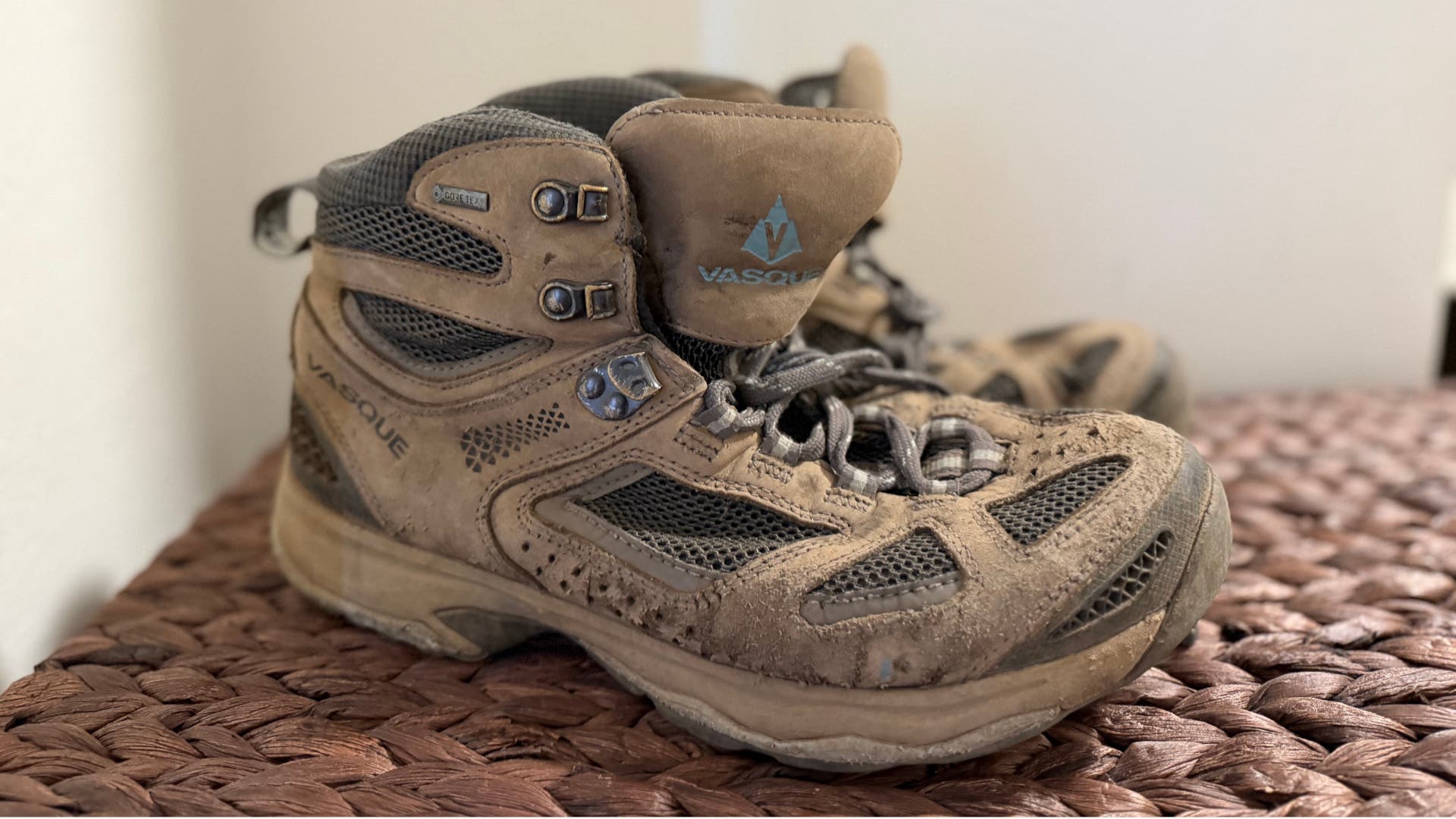
Industry Response and Future Outlook
In response to the shifting market, traditional footwear manufacturers have attempted to adapt by introducing "hybrid" models—mid-cut hikers that utilize synthetic mesh uppers and flexible EVA midsoles while retaining a slightly higher ankle collar. Simultaneously, some athletic shoe brands have begun experimenting with more durable outsole compounds and take-back recycling initiatives to address the sustainability crisis associated with disposable gear.
Despite these innovations, the cultural divide among outdoor enthusiasts remains entrenched. While speed-focused backpackers continue to break long-distance records in airy, low-profile shoes, a dedicated subset of traditionalists clings to the enduring appeal of the classic boot. As the outdoor industry navigates a future defined by technological acceleration and environmental accountability, the humble hiking boot stands at a crossroads—representing both the fading romanticism of a slower-paced era and a tactile reminder of the physical journey etched into every scuff, stain, and weathered stitch.