








The release of watchOS 27 marks a significant evolution in the Apple Watch ecosystem, moving beyond incremental health updates to provide a more cohesive and intelligent user interface. By introducing dedicated applications for Siri, Find My, and Readiness, Apple has effectively addressed long-standing user requests for better cross-device synchronization and deeper biometric analysis. This software update represents the culmination of a multi-year effort by Apple to align the Watch’s capabilities more closely with the advanced processing power of the iPhone and Mac, effectively centralizing control for the modern, connected user.
A New Era of Conversational Intelligence: The Siri App
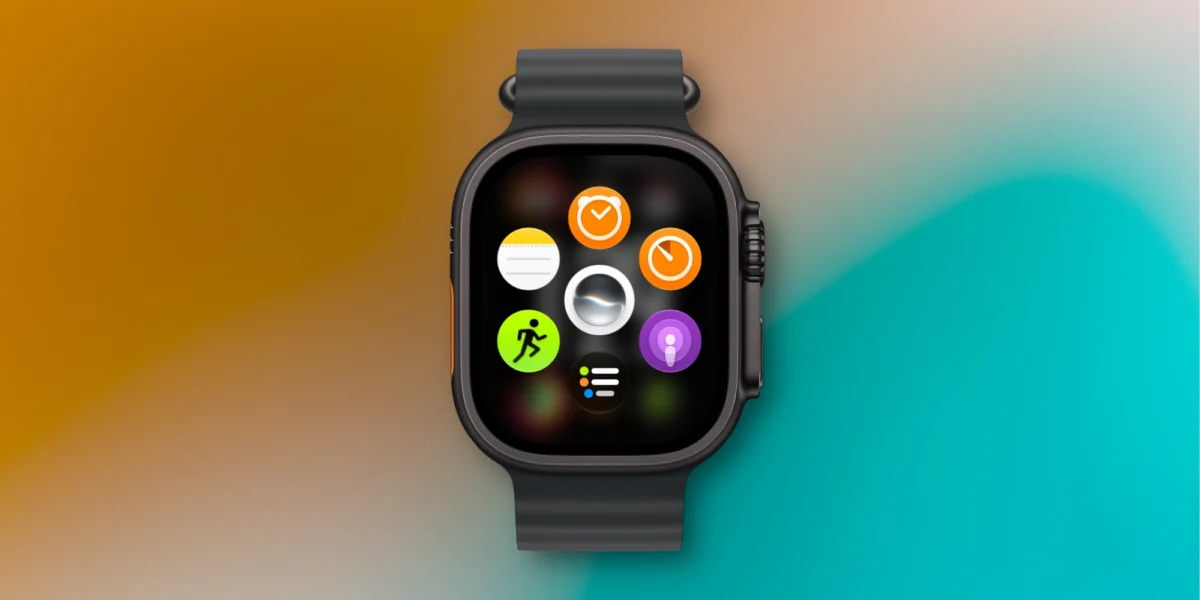
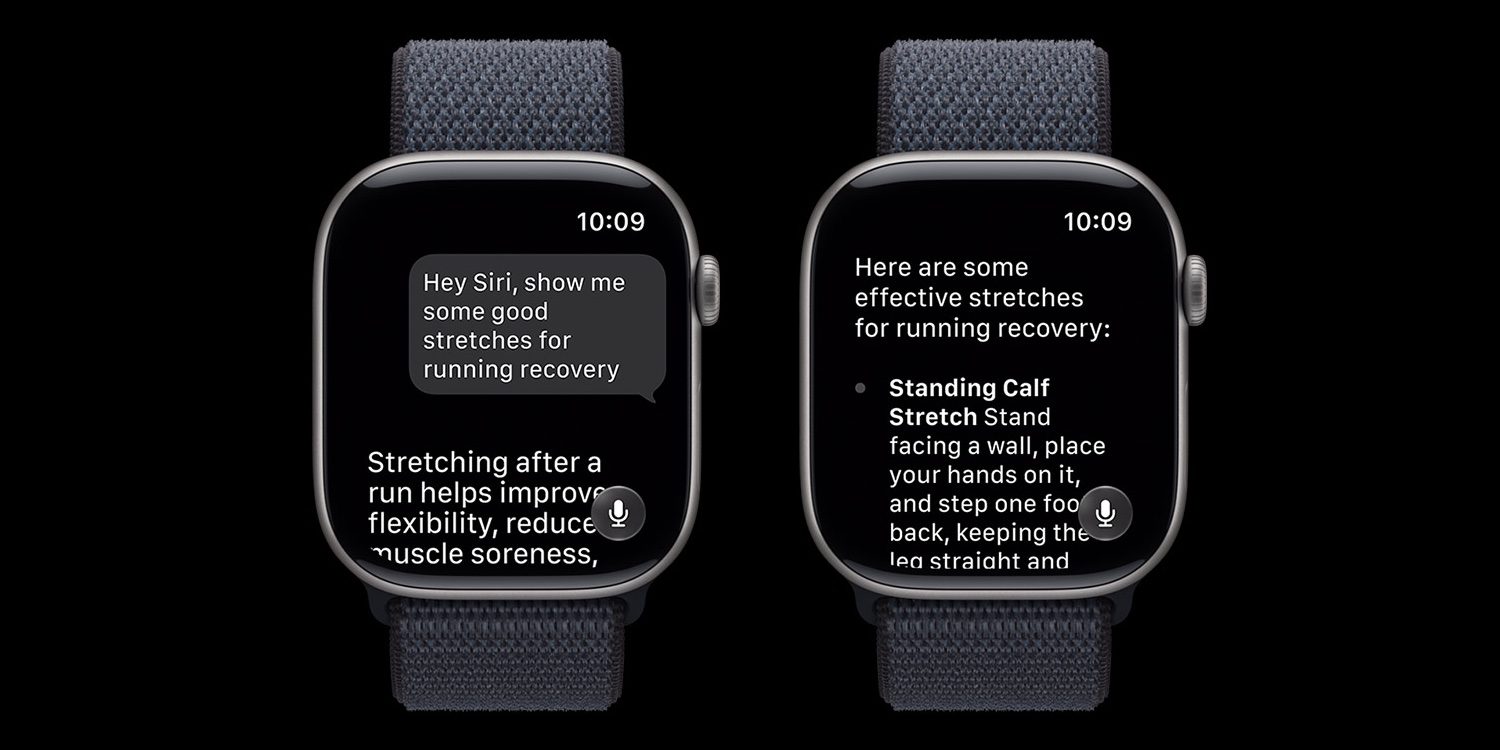
Perhaps the most ambitious component of watchOS 27 is the total overhaul of the Siri experience. Historically, Siri on the Apple Watch served as a reactive tool—a way to set timers, dictate messages, or toggle smart home devices. However, the introduction of the dedicated Siri app signals a shift toward a more proactive, conversational AI model.

In previous iterations, Siri interactions were ephemeral; once a command was executed, the context was often lost. The new Siri app changes this paradigm by maintaining a persistent history of interactions. Because Apple has integrated this system across its broader ecosystem, the Watch now functions as a mobile portal to a unified conversational stream. If a user poses a complex inquiry on their MacBook Pro in the morning, they can reference that same thread on their wrist during their commute.
This synchronization is facilitated by Apple’s latest AI backend, which emphasizes contextual awareness. The ability to browse past queries directly on the watchOS interface is a departure from previous versions where the assistant functioned primarily as a voice-to-text bridge. Industry analysts note that this change effectively turns the Apple Watch into a primary interface for generative AI tasks, rather than just a secondary notification center.
Streamlining Ecosystem Security: The Unified Find My Application
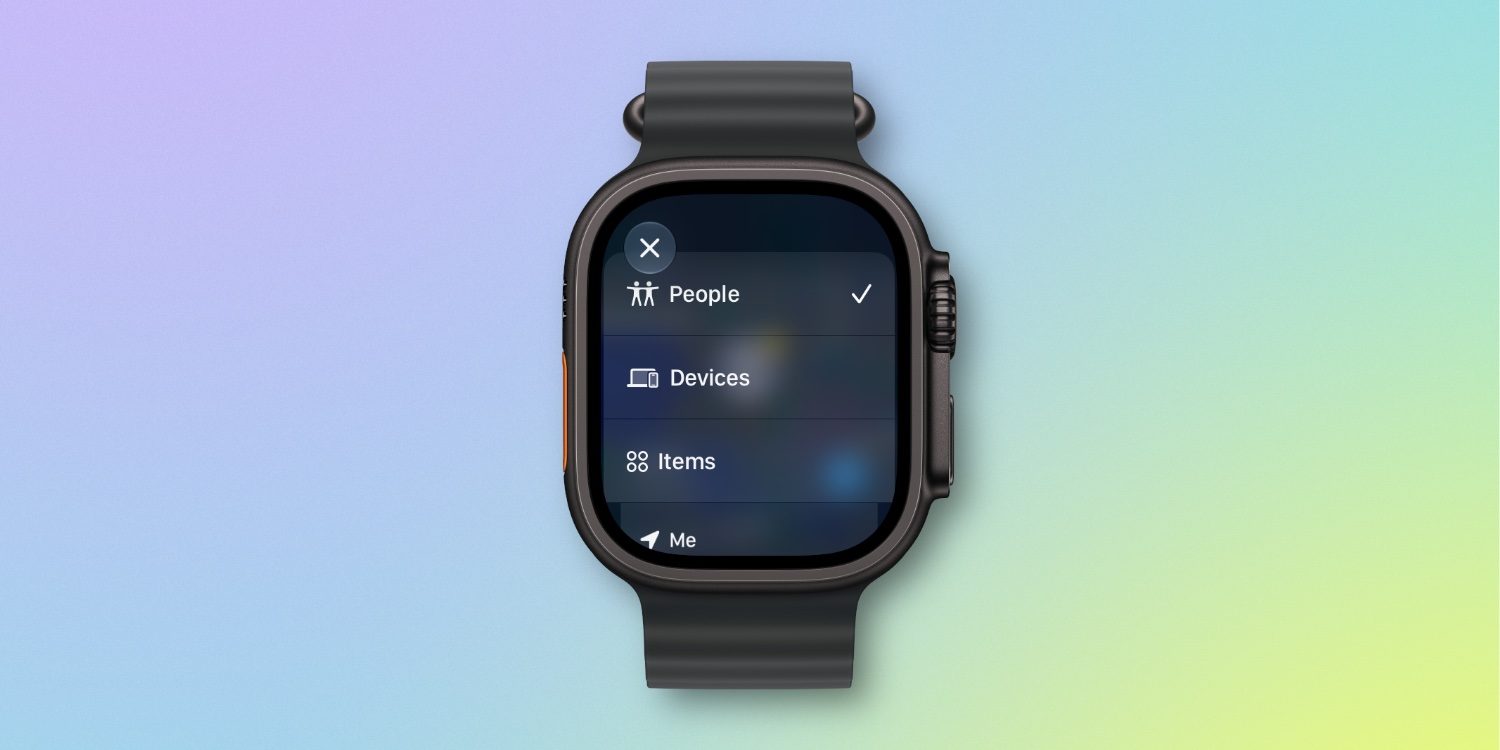
For several years, Apple’s location-based services were fragmented across the watchOS platform. In watchOS 26 and earlier, users had to navigate through three distinct silos: Find Devices, Find Items, and Find People. This design necessitated constant app-switching, which was cumbersome for a wearable device with a limited screen real estate.
The transition to a unified Find My app in watchOS 27 is a significant quality-of-life upgrade. By consolidating these services into a single, map-centric interface, Apple has optimized the user experience for high-stress scenarios—such as when a user needs to track a misplaced item or check on a family member’s location quickly. The new interface utilizes a top-left corner menu for seamless switching between device tracking, personal item monitoring via AirTags, and real-time location sharing with contacts.
This consolidation mirrors the architecture already present on iOS and macOS, ensuring a consistent user experience across the Apple ecosystem. Technically, the app leverages the same ultra-wideband and Bluetooth mesh networking that has made the Find My network a cornerstone of Apple’s privacy and security strategy. The shift to a centralized app suggests that Apple is prioritizing utility and speed, acknowledging that the Apple Watch is often the most accessible tool for immediate information retrieval.
Advanced Biometrics: The Readiness App
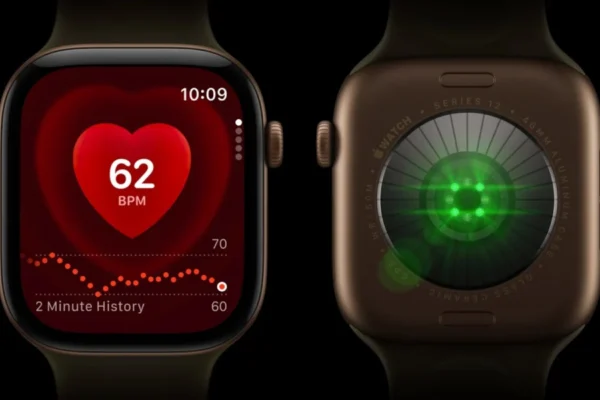
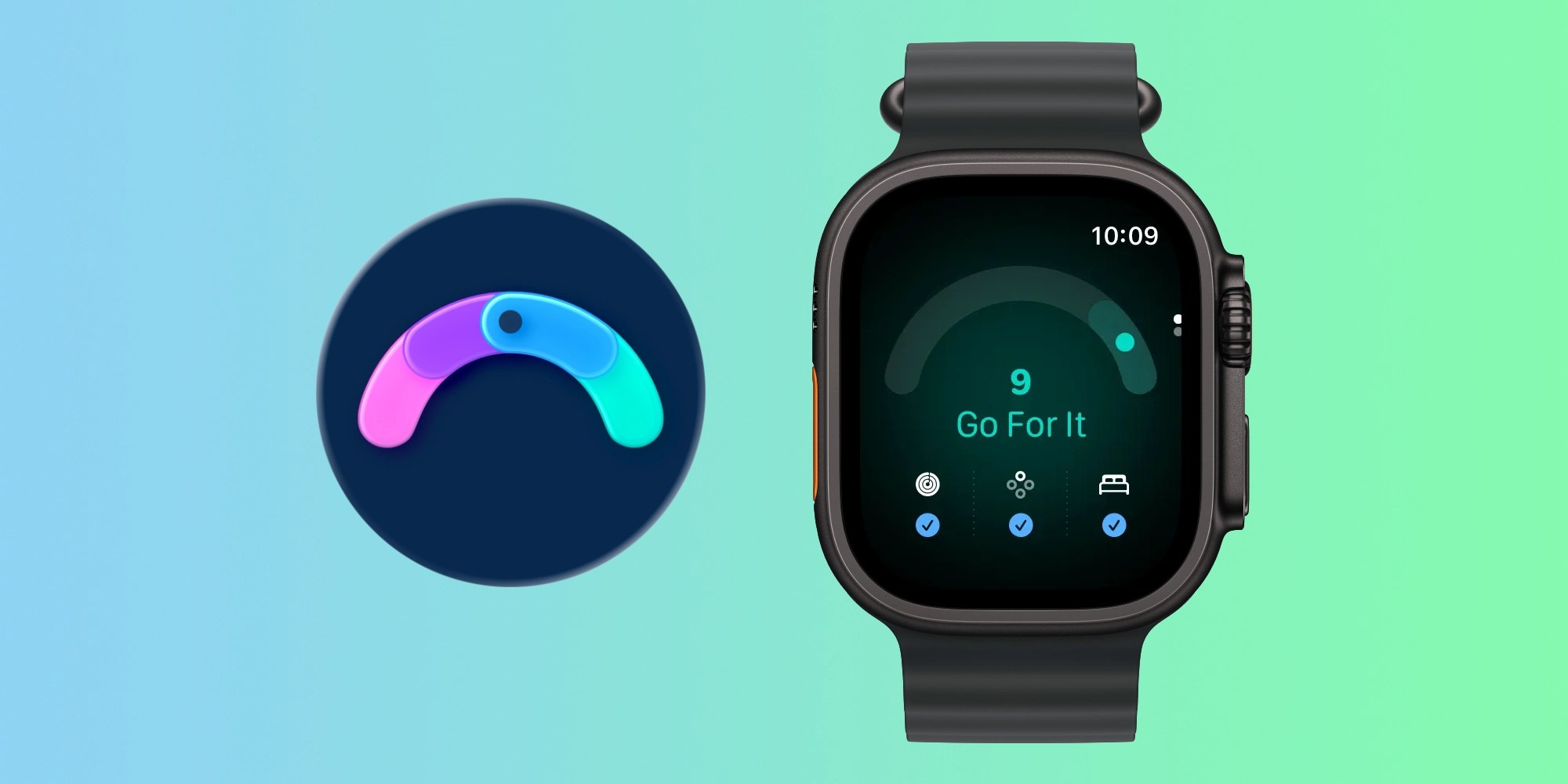
Perhaps the most medically significant update is the introduction of the Readiness app, which is exclusive to the Apple Watch Series 12 and Apple Watch Ultra 4. This application serves as a comprehensive dashboard for physical recovery, synthesizing data points that were previously buried deep within the Health app or spread across multiple third-party trackers.
The Readiness score is derived from an analysis of several critical health metrics:
- Resting Heart Rate (RHR): Fluctuations in RHR serve as a primary indicator of cardiovascular stress and recovery.
- Heart Rate Variability (HRV): This measures the variation in time between heartbeats, providing insight into the autonomic nervous system’s balance.
- Respiratory Rate: A key metric for identifying potential illness or overtraining.
- Sleep Quality: Data captured during nocturnal hours, including deep, core, and REM sleep stages.
- Blood Oxygen and Temperature Trends: These data points provide a baseline for physical exertion levels.
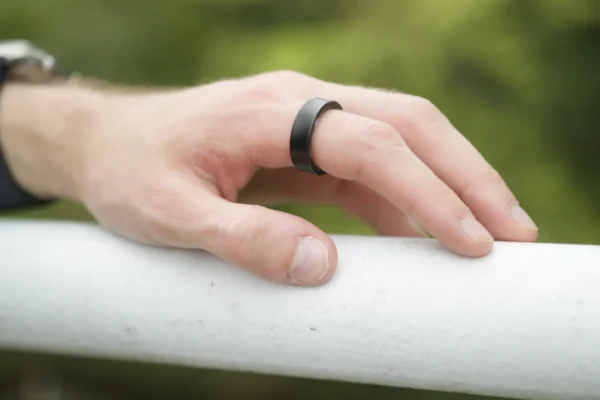
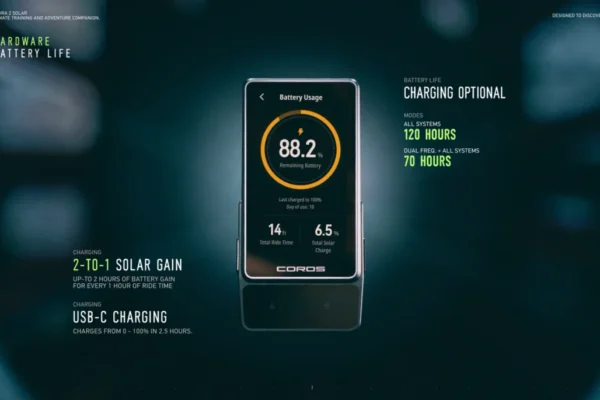
The Readiness app is designed to provide actionable insights rather than raw data. By presenting a single "readiness score," the app helps users decide whether to pursue high-intensity training or focus on recovery. This feature places the Apple Watch in direct competition with dedicated fitness wearables like Oura and Garmin, which have long championed the concept of a "body battery" or recovery score. By integrating this directly into watchOS, Apple is positioning the Watch as a holistic wellness device rather than just a notification peripheral.
The Evolution of the Apple Watch Software Timeline
The journey to watchOS 27 has been marked by a clear progression toward autonomy. When the Apple Watch launched in 2015, it was largely tethered to the iPhone for all processing tasks. Over the last decade, Apple has systematically removed these dependencies:
- watchOS 1-3: Focused on the basics—notifications, complications, and rudimentary health tracking.
- watchOS 4-6: Introduced standalone app capabilities, the App Store on the wrist, and advanced health sensors like ECG.
- watchOS 7-10: Focused on family setup, improved workout tracking, and refined UI elements.
- watchOS 11-26: Introduced sophisticated health monitoring (blood oxygen, temperature sensing) and advanced processing (on-device Siri).
- watchOS 27: Represents the current frontier, characterized by AI-driven intelligence and cross-platform ecosystem unification.
Implications and Future Outlook
The release of these three applications carries profound implications for the future of wearable technology. By emphasizing AI and unified services, Apple is attempting to solve the problem of "feature bloat." As the Apple Watch gains more sensors and capabilities, the challenge for developers and designers is to prevent the interface from becoming unusable.
The strategy of unifying apps—as seen with Find My—and introducing high-level analytical tools like Readiness suggests that Apple is prioritizing simplicity and intelligence. The "Siri App" in particular highlights Apple’s commitment to the post-search era, where users interact with technology through natural language processing rather than navigating complex menus.
Industry response to these changes has been largely positive. Tech analysts have observed that while hardware updates have become more incremental, the software improvements in watchOS 27 provide a substantial "value add" to existing devices. This software-first strategy allows Apple to extend the life of its hardware, ensuring that owners of the Series 12 or Ultra 4 feel their devices are evolving even years after the initial point of sale.

Final Thoughts
As Apple continues to iterate on watchOS, the goal is clearly to make the watch as indispensable as the smartphone. The introduction of the Siri, Find My, and Readiness apps underscores a shift in how we interact with our technology: we are moving away from manual data management and toward a future where our devices proactively organize our information and prioritize our health. Whether these features will influence future hardware purchases remains to be seen, but for current users, watchOS 27 offers the most refined and integrated experience in the history of the platform.
The transition to watchOS 27 is currently available to users with compatible hardware. As the rollout continues, developers are expected to integrate their own services with these new native apps, further expanding the utility of the Siri, Find My, and Readiness frameworks. The integration of AI and biometric synthesis is not merely a feature update; it is a fundamental shift in the role that the Apple Watch plays in the daily life of the user. By centralizing core services and embracing advanced health analytics, Apple has cemented the Watch’s position as an essential component of the modern digital landscape.