





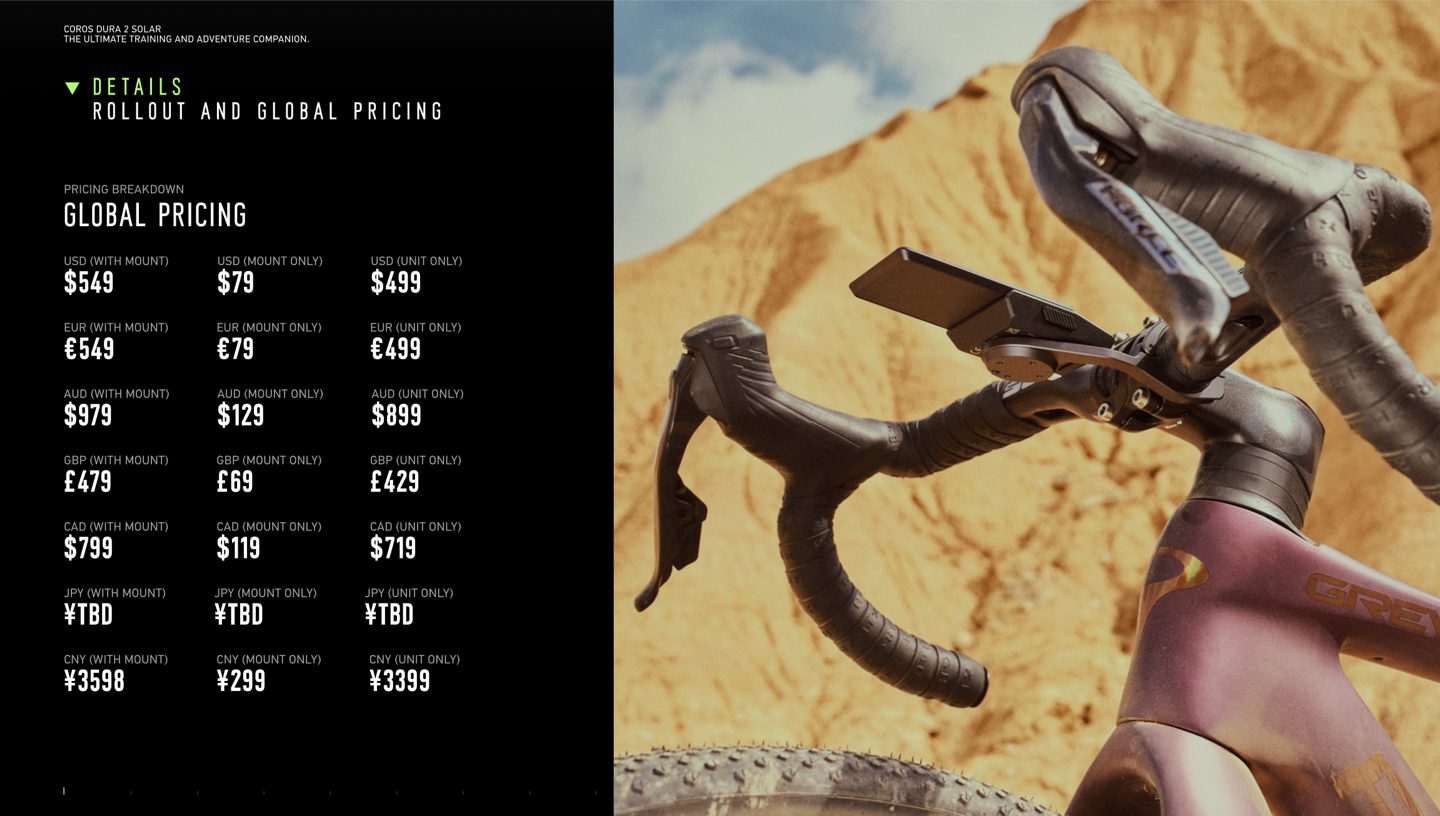
COROS has officially announced the launch of its next-generation cycling computer, the COROS Dura 2, marking a dramatic pivot in pricing, design, and market positioning for the brand. Retailing at $549 with a standard mount—or $499 for the bare unit—the Dura 2 more than doubles the price of its predecessor, the now-discontinued Dura 1, which debuted at a highly competitive $249. While the company maintains its industry-leading battery life claims and introduces a completely overhauled physical profile, the steep price hike places the device in direct competition with established high-end cycling computers from industry heavyweights like Garmin and Wahoo.

The announcement comes alongside a scheduled market release date of November 3, 2026. However, early analysis of pre-release and launch-day firmware reveals a familiar pattern of software instability, echoing the rocky rollout of the original Dura series. While the hardware introduces notable upgrades in screen real estate, display refresh rates, and sensor compatibility, early testers have flagged significant bugs in voice control, navigation re-routing, and sensor connectivity that complicate the device’s value proposition at a premium price point.
Hardware Redesign and Key Specifications
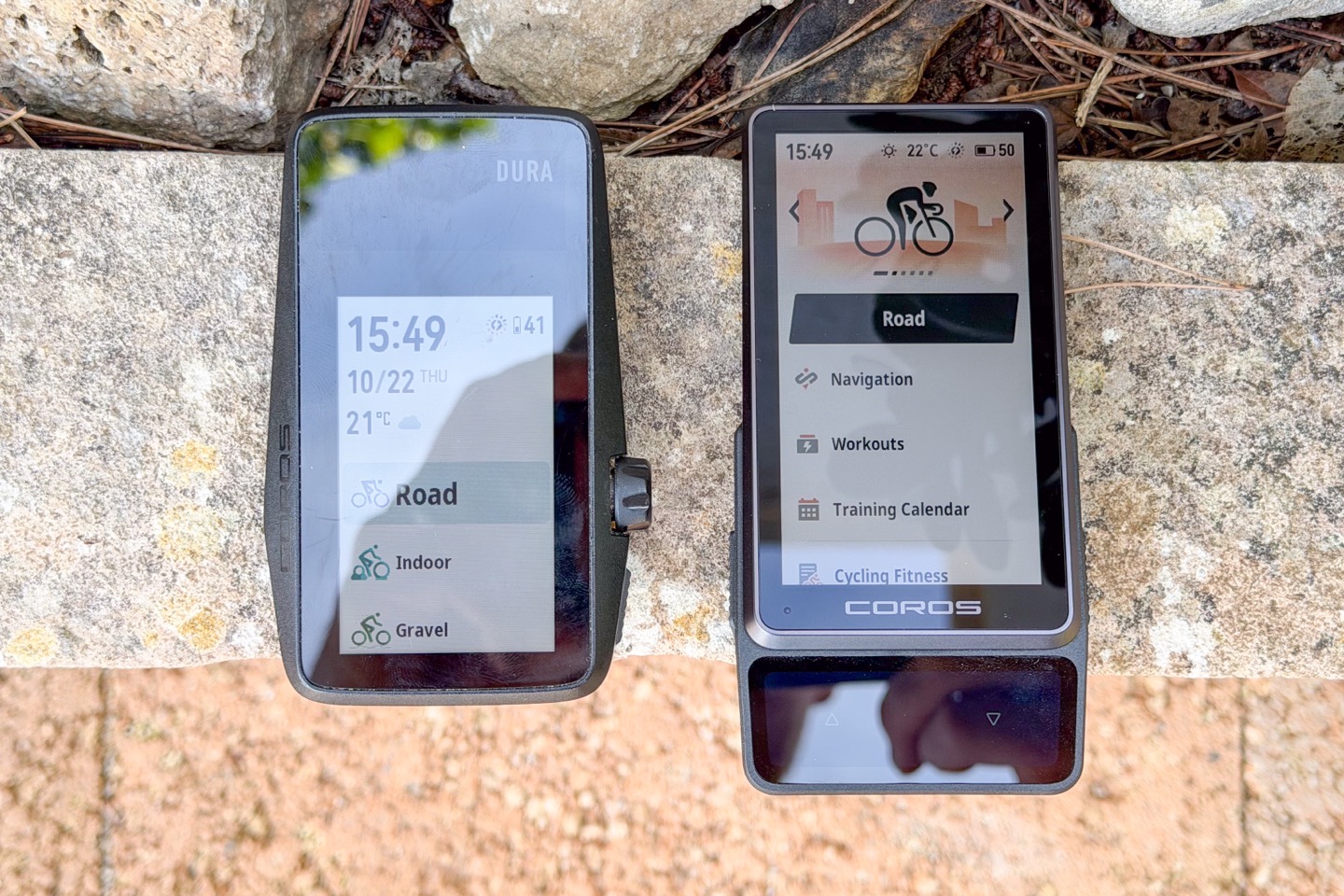
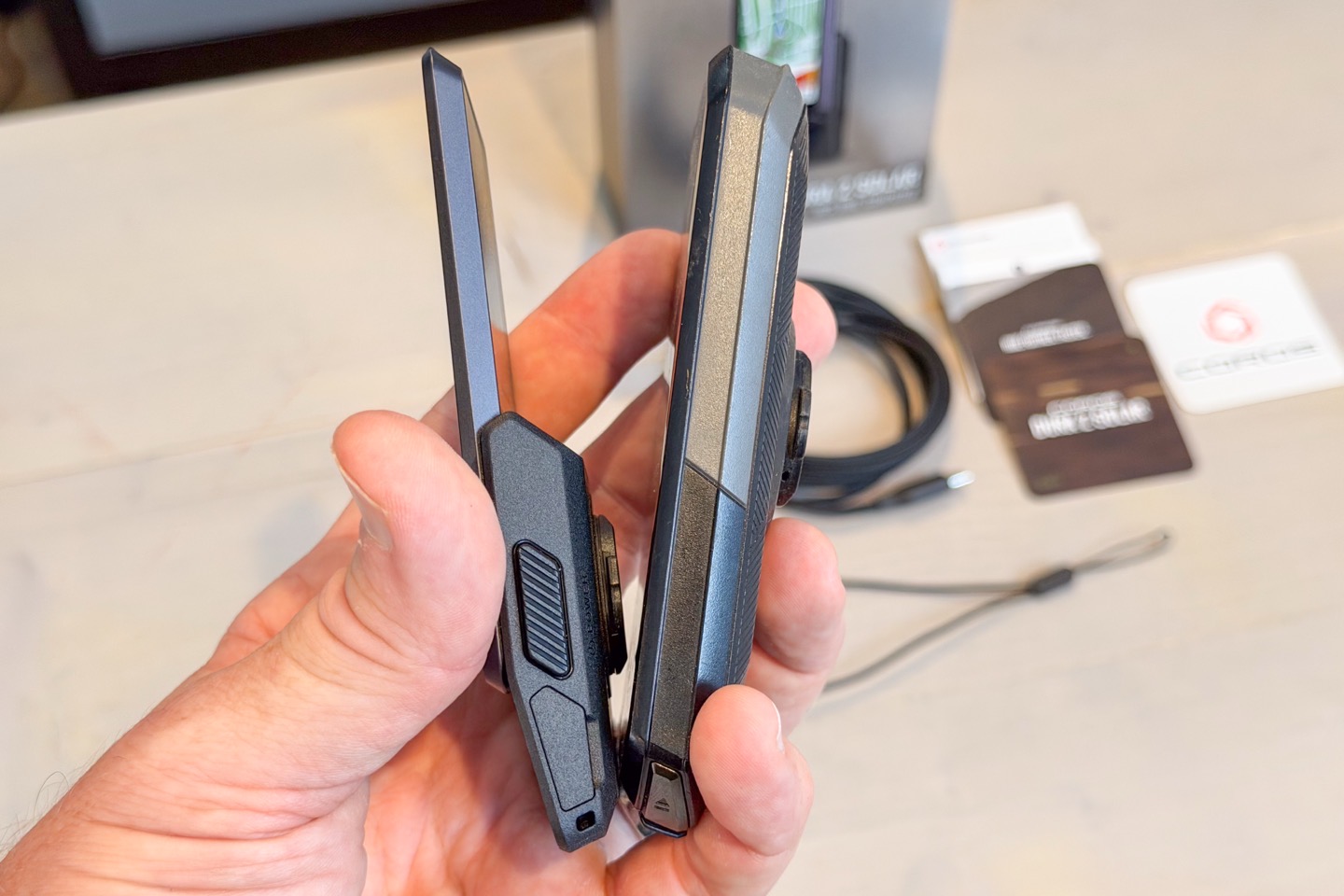
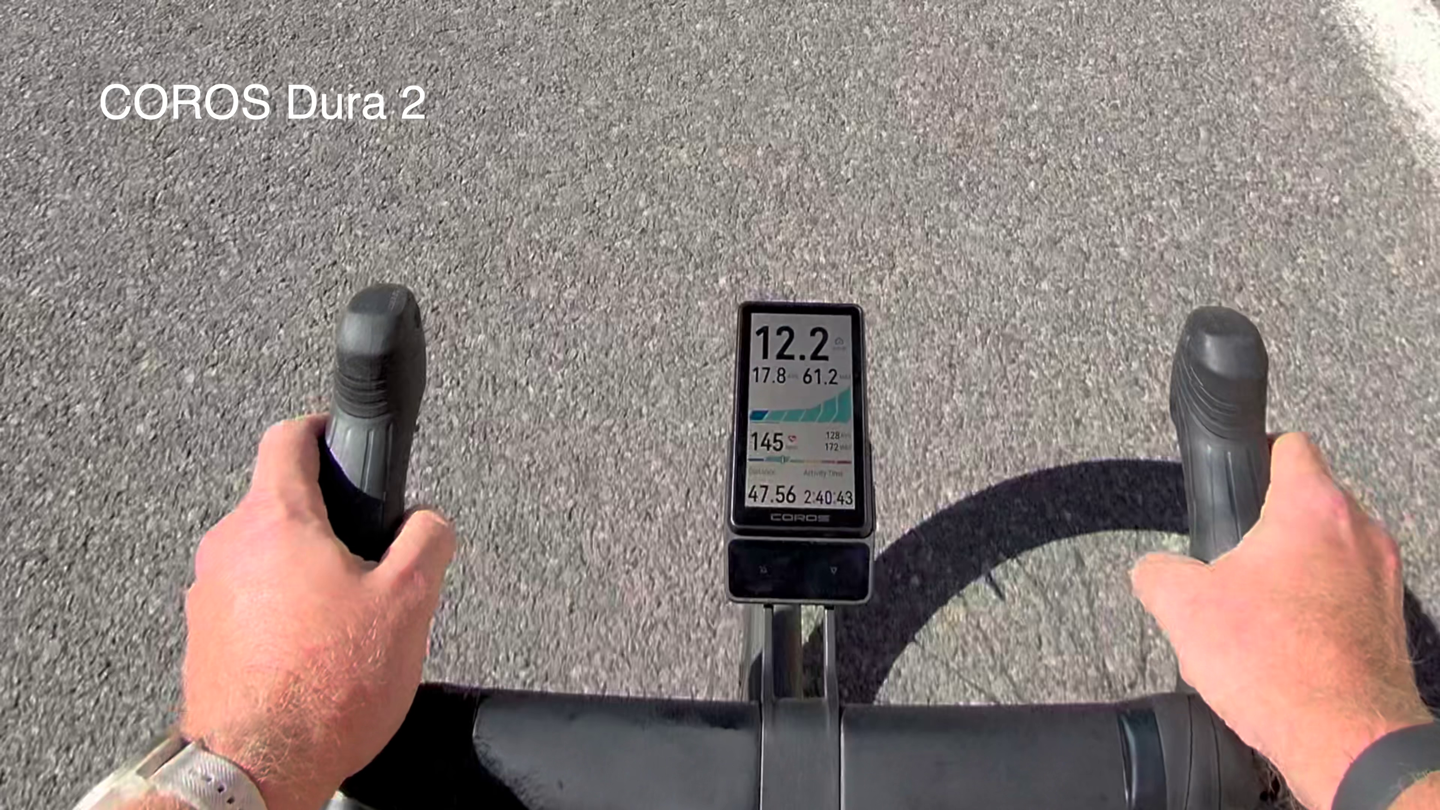
The COROS Dura 2 bears almost no physical resemblance to its predecessor. Ditching the polarizing rotating Digital Crown found on the Dura 1 and various COROS wearables, the new unit features a sleeker, modernized chassis that some industry observers have likened to contemporary mobile phone designs. The device incorporates a completely new external layout, shifting the solar charging panel from the top of the unit—which previously created a prominent "forehead" bezel—to the bottom chin.
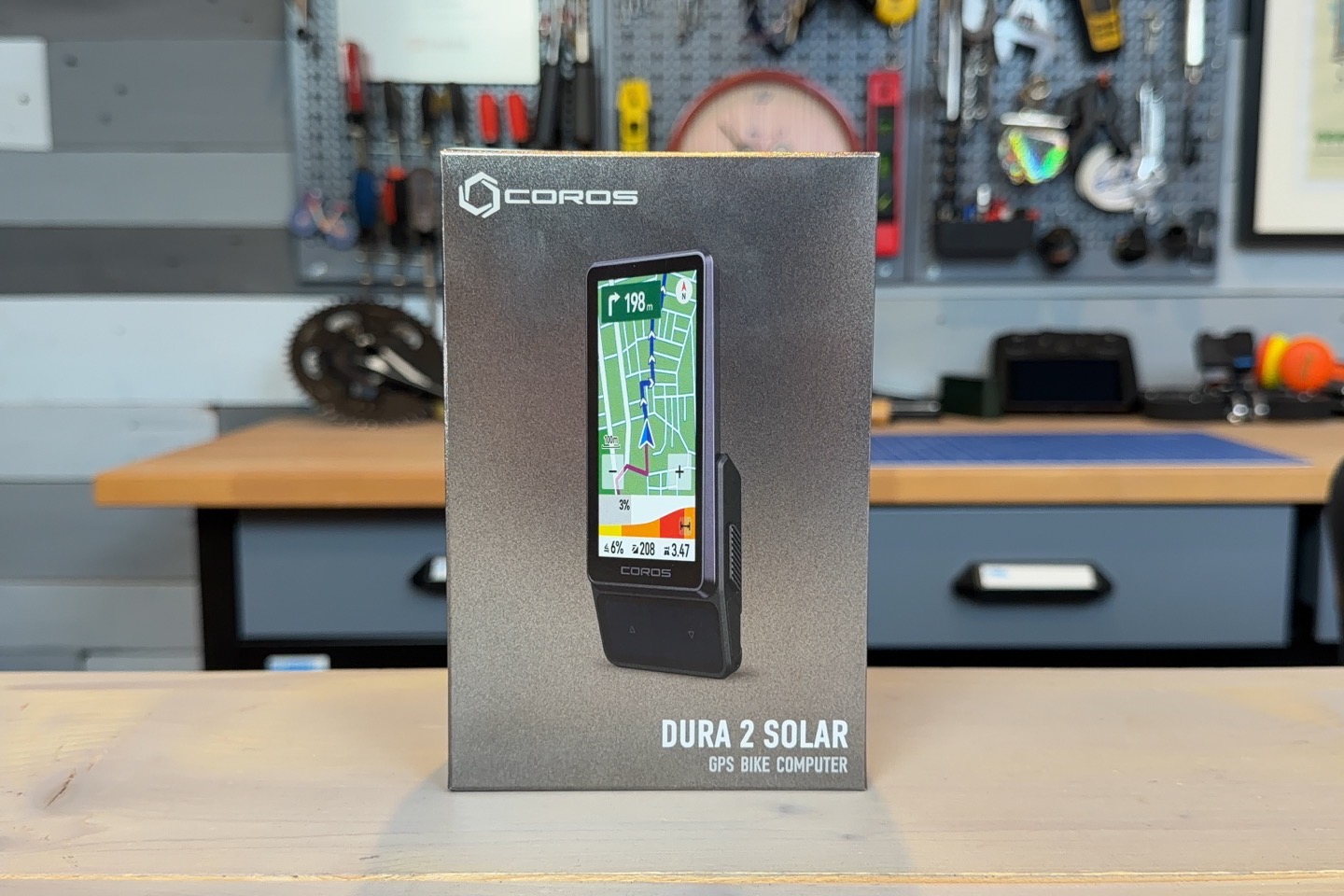
Above the relocated solar panel lie two pressure-sensitive touch areas that function as navigation and data-page-scrolling buttons. Unlike traditional capacitive touch buttons, these pressure-sensitive zones are designed to register physical force rather than electrical conductivity, ensuring reliable operation in heavy rain and while wearing full-fingered cycling gloves.
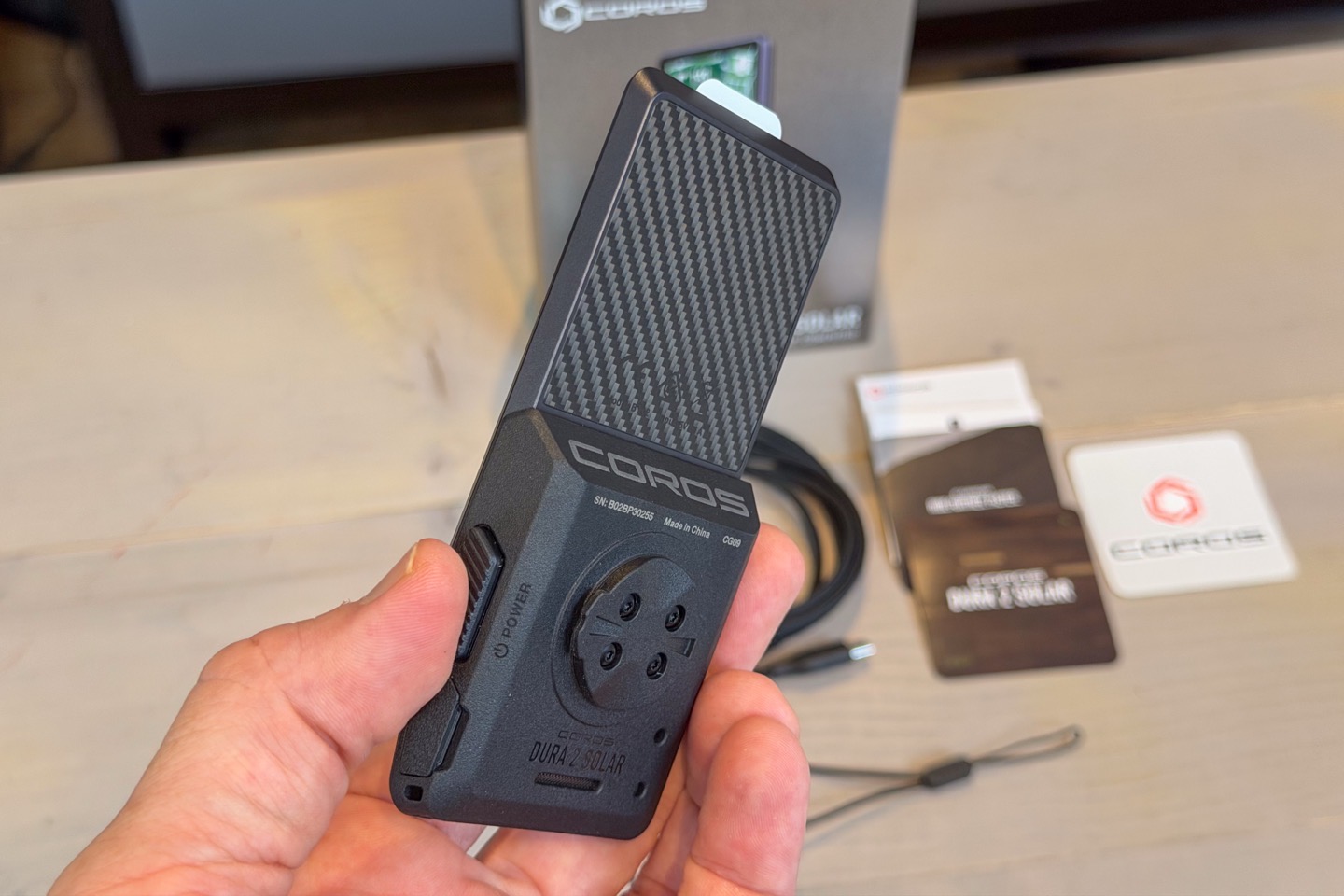
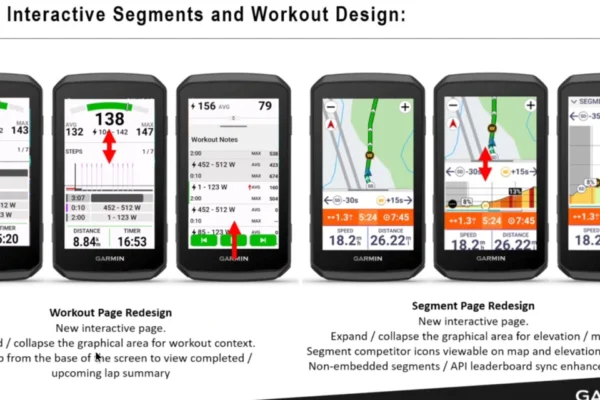
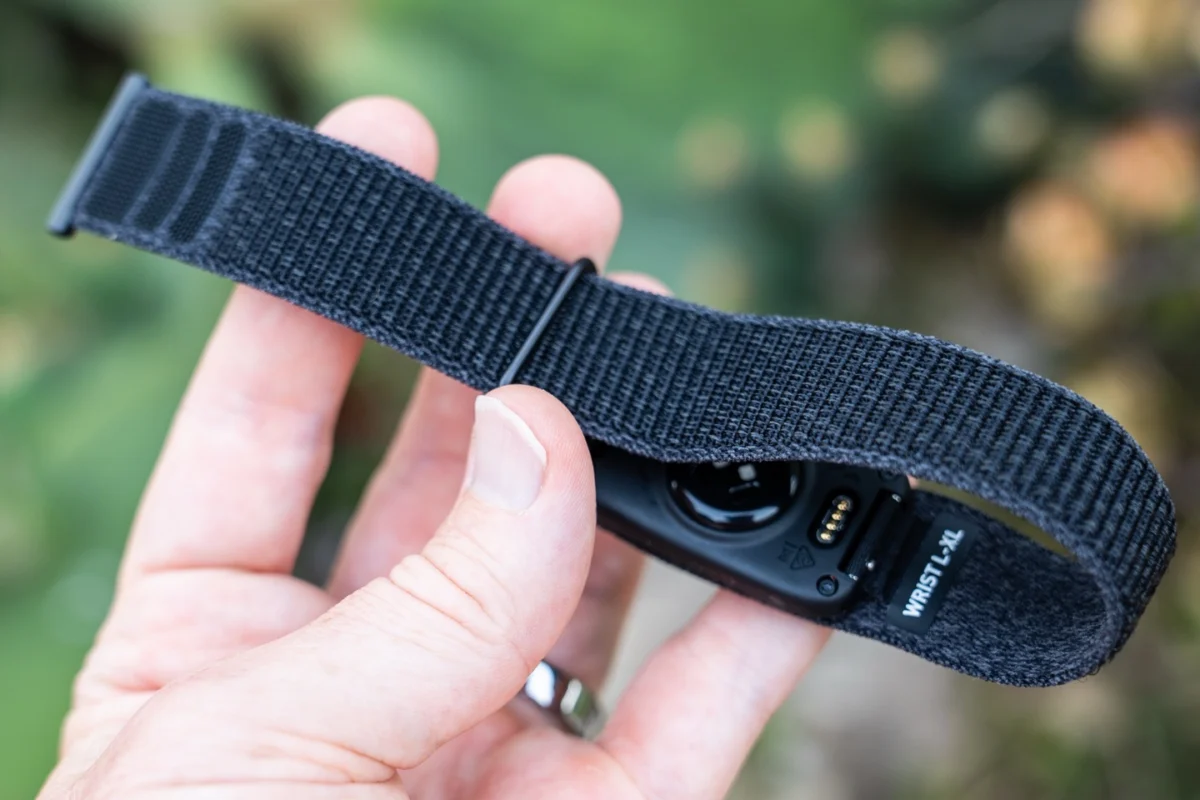
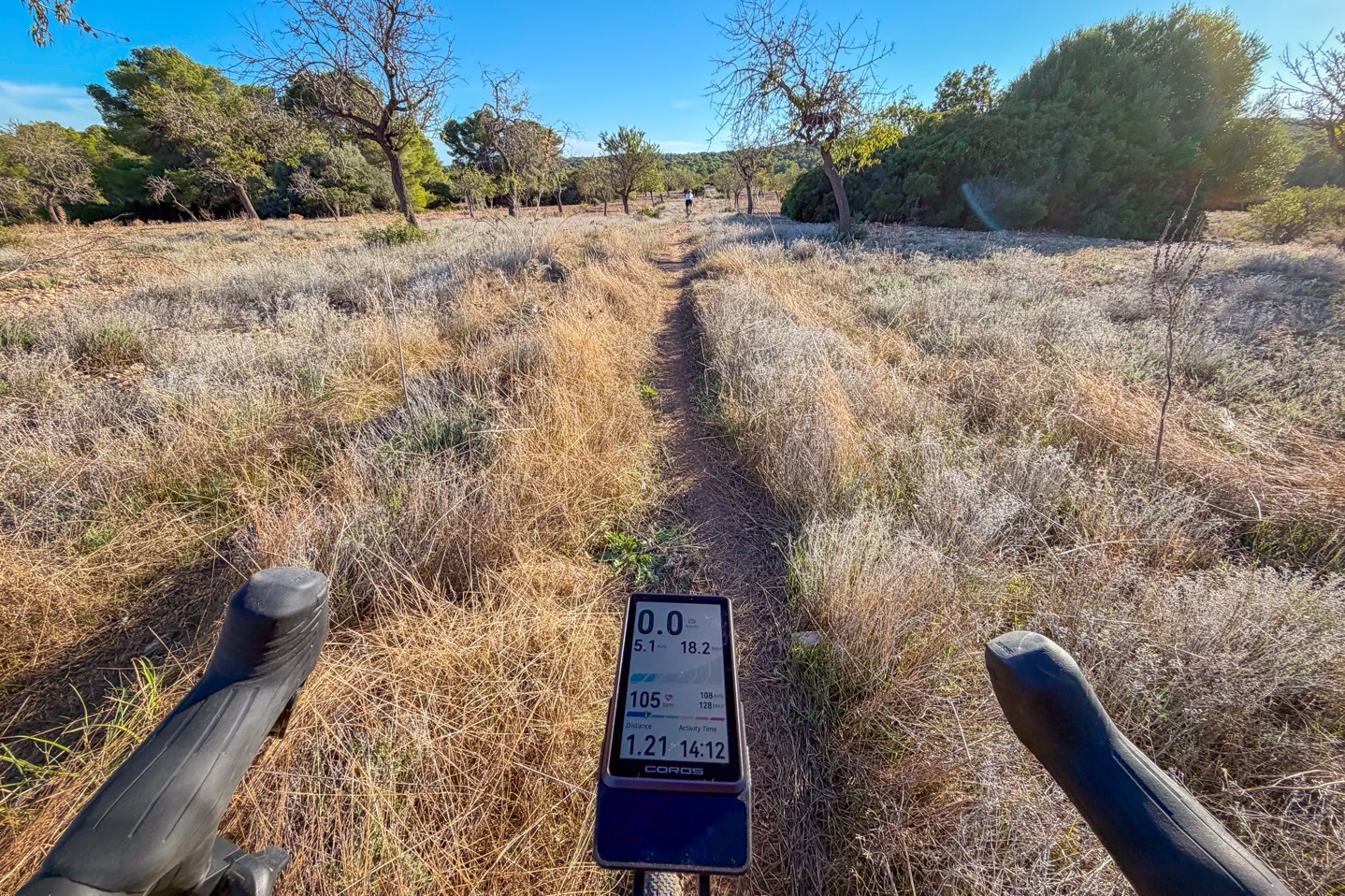
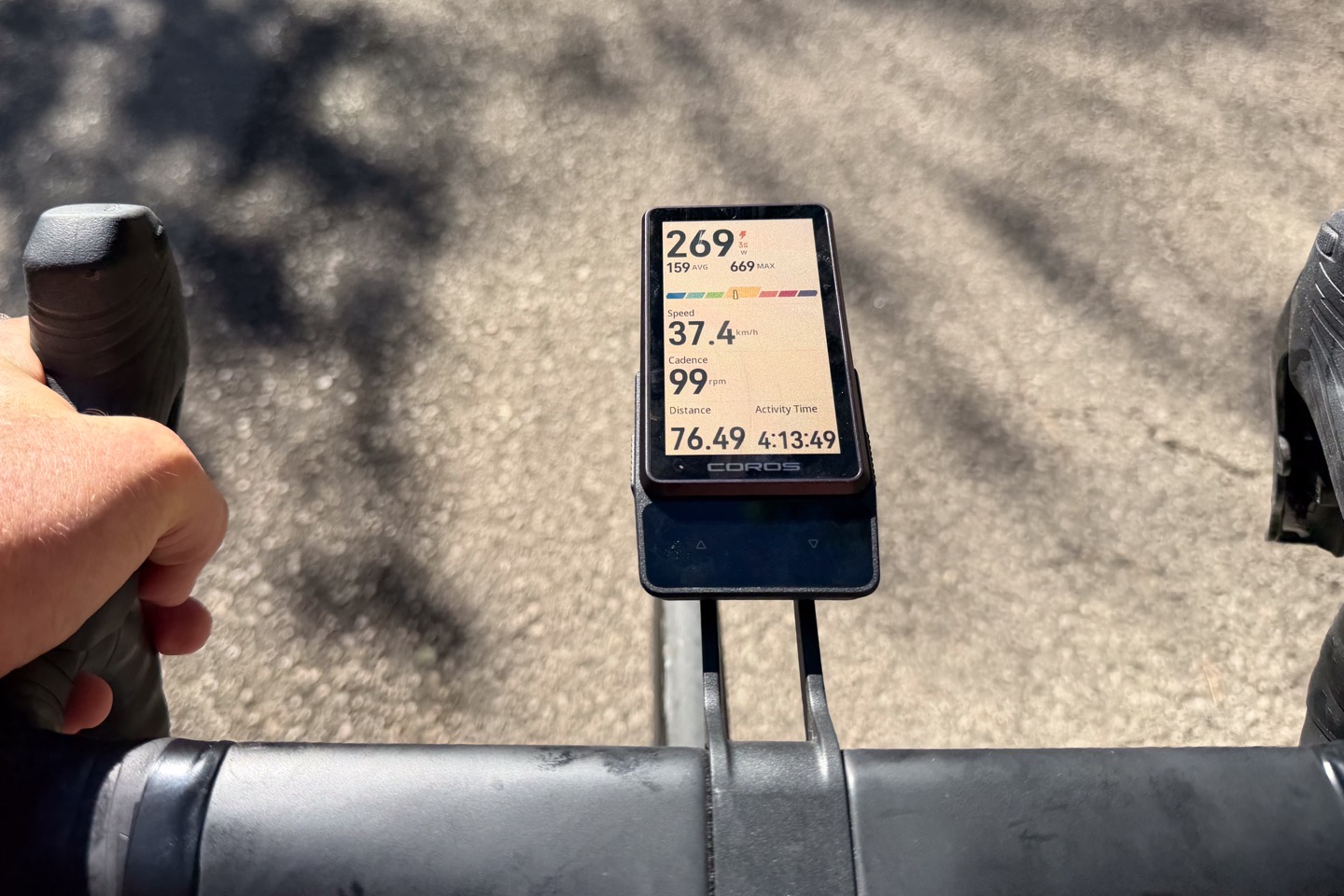
The screen size has been expanded from 2.7 inches to 3.5 inches, utilizing a Memory-in-Pixel (MIP) display with a refresh rate of 38Hz—making it one of the fastest-refreshing MIP screens currently available on the cycling market. Additional hardware additions include a built-in speaker, a microphone, a left-side lap button, an electronic bike bell feature, turn-by-turn voice prompts, and native support for tire pressure sensors. The device also features a standard Garmin quarter-turn mounting interface on the rear, which is physically removable for easy replacement in the event of breakage.
Pricing Controversy and the "Mount-Gate" Debate
The most contentious aspect of the COROS Dura 2 launch is its pricing strategy and packaging contents. At $549 with a mount (or $499 without any mounting hardware), the device has escalated from a budget-friendly alternative to a direct competitor in the premium sector.
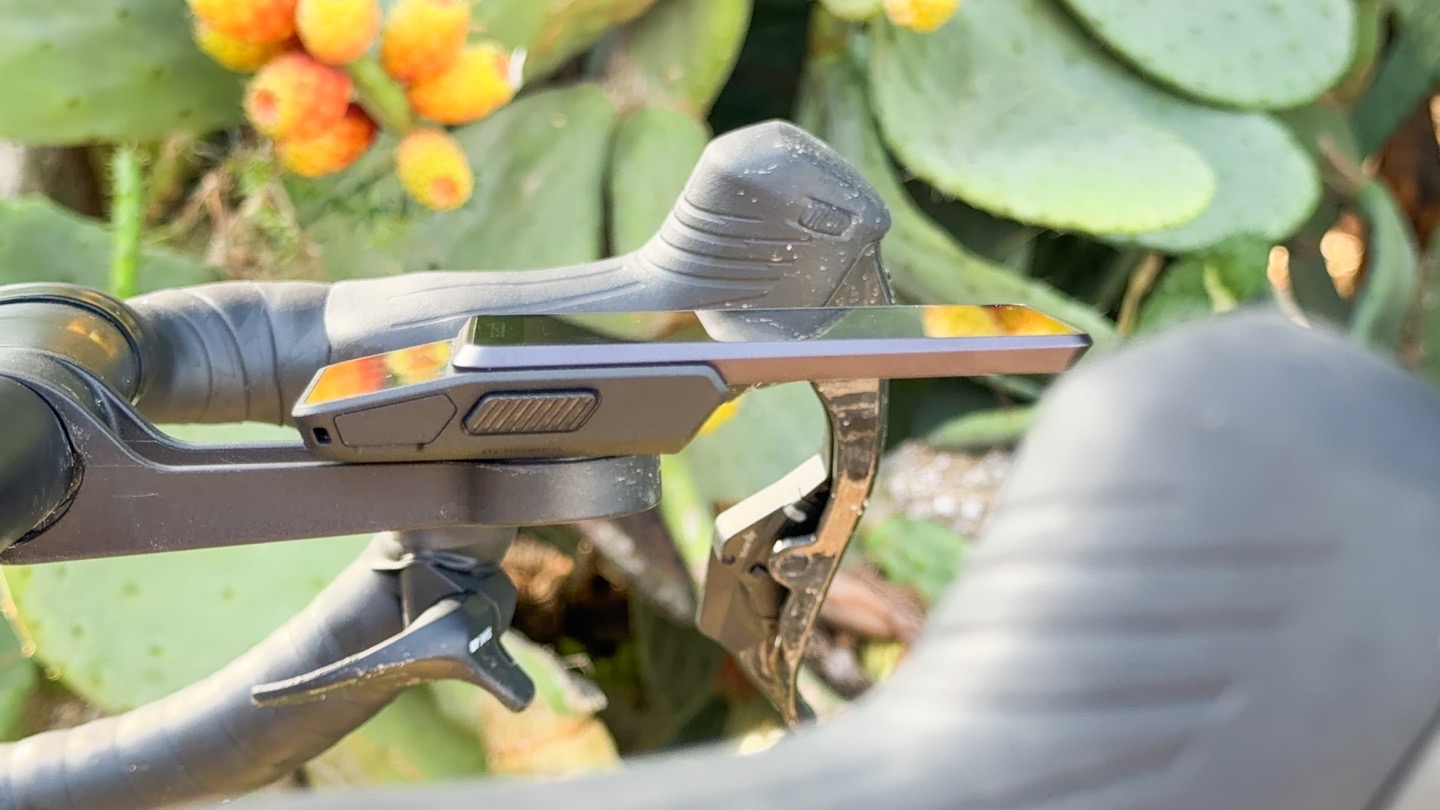
Compounding consumer frustration is the complete omission of mounting hardware in the base $499 package. Unlike virtually every other cycling computer manufacturer—who typically include basic, inexpensive rubber band handlebar mounts in the box—COROS provides zero mounting options with the standalone unit. Buyers must either purchase the more expensive bundled version or source third-party alternatives, such as Garmin-compatible quarter-turn mounts, separately. Industry analysts have criticized this decision, noting that omitting a penny-cost production item from a $500-plus electronics package creates an unnecessary friction point for early adopters.
Software Features and Phased Firmware Rollouts
In line with modern consumer electronics trends popularized by companies like Apple and Google, COROS has deferred several key features to subsequent firmware updates scheduled for release later in the year. Features slated for deployment by the end of 2026 include multi-bike profile support, expanded sensor capacity for up to 32 simultaneous ANT+ and Bluetooth connections, cycling-specific heart rate recovery metrics for interval workouts, and native support for Campagnolo electronic drivetrains.
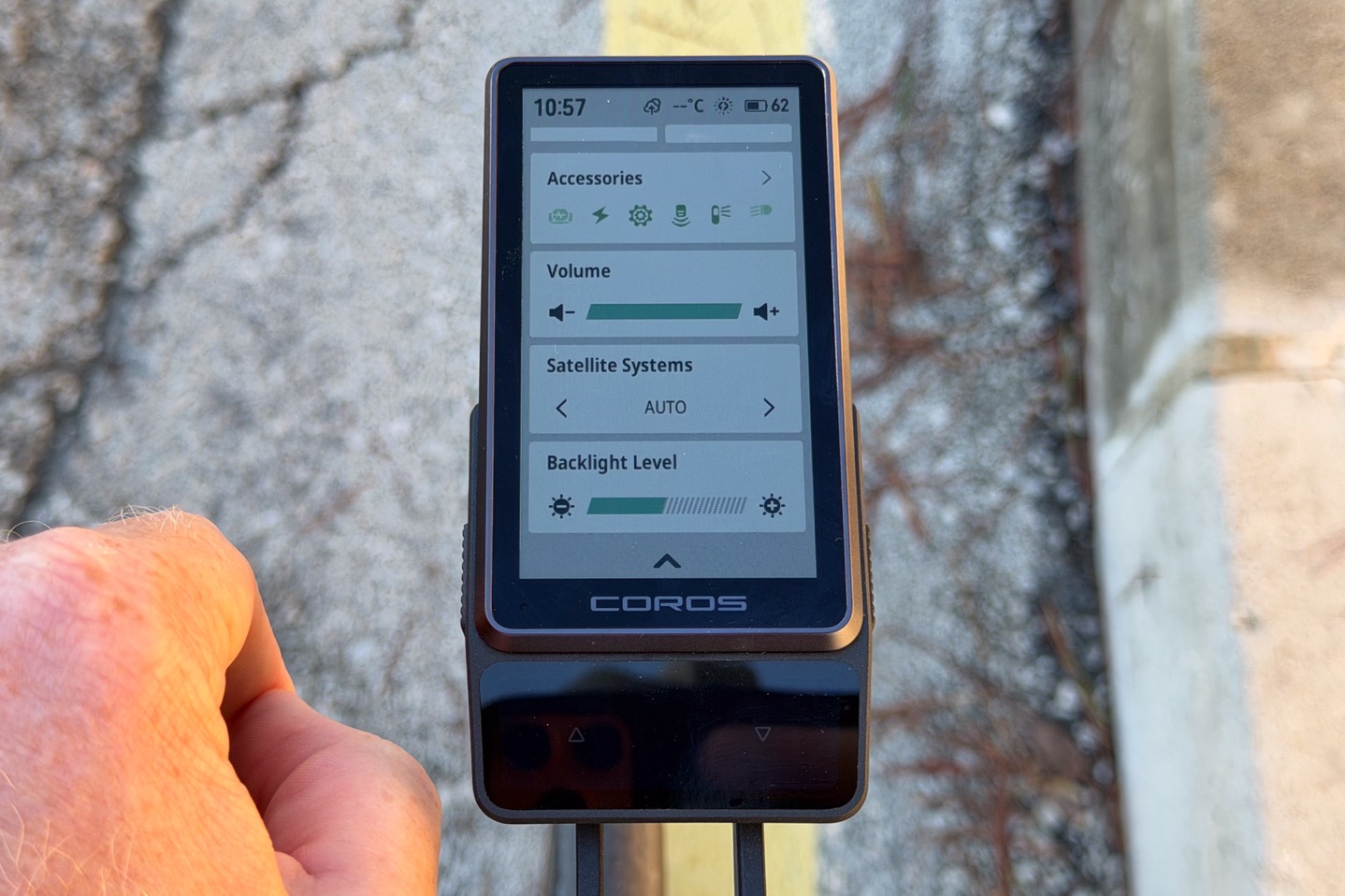
Currently, the device supports a comprehensive array of sensors, including ANT+ and Bluetooth heart rate monitors, power meters, radar systems, smart lights, e-bikes, electronic shifting systems (such as SRAM and Shimano), and Bluetooth FTMS smart trainers.
Navigation, Mapping, and Re-Routing Challenges
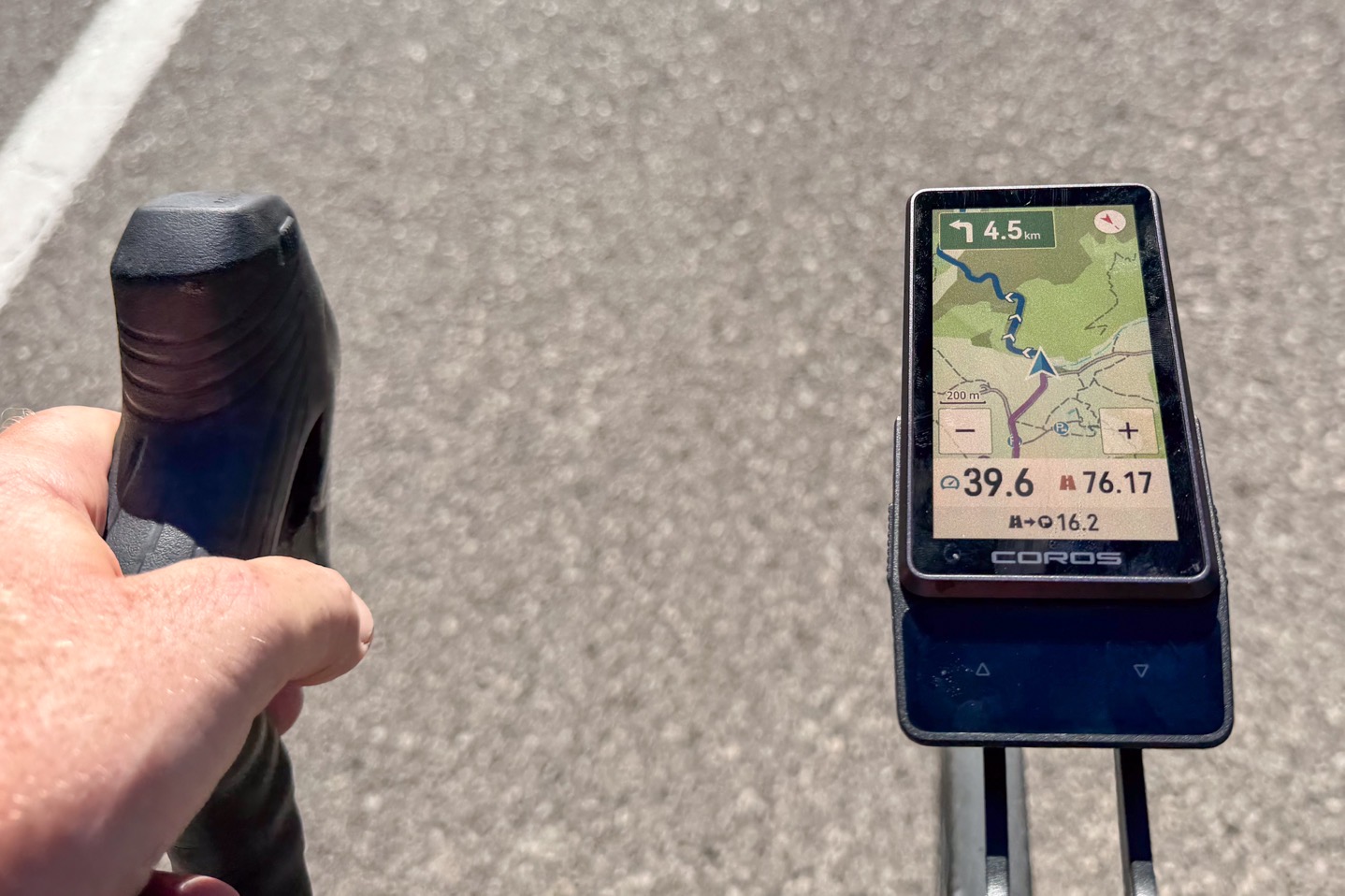
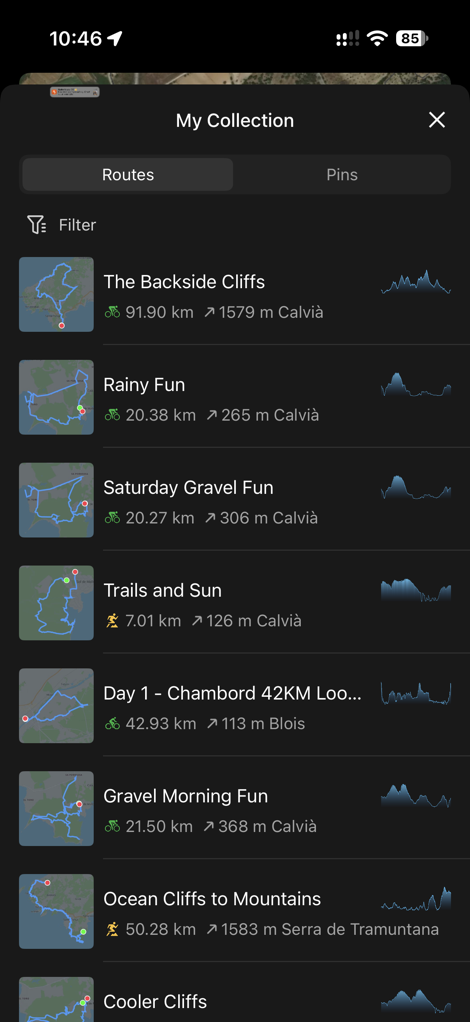
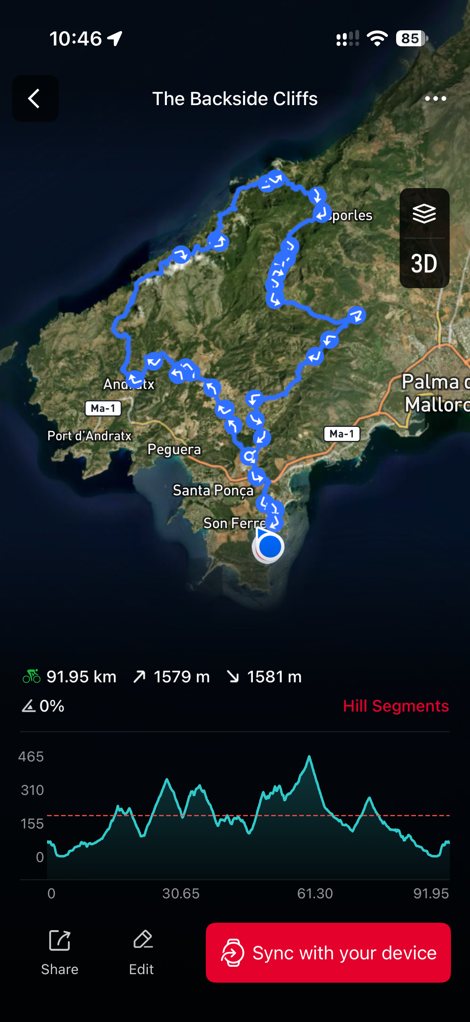
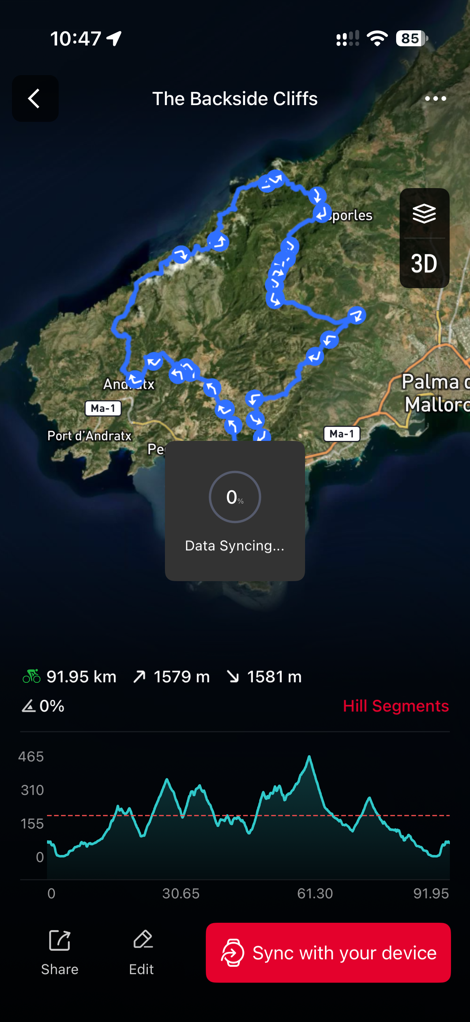
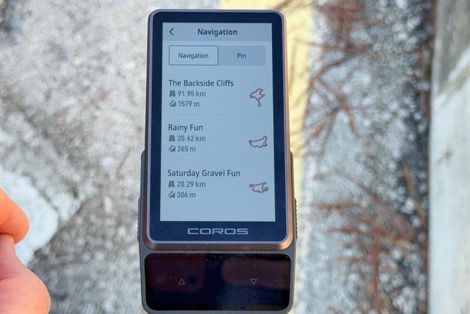
Navigation on the COROS Dura 2 relies on pre-planned routes synchronized through the COROS smartphone application, with integration for third-party platforms like Strava. While the map graphics are crisp and legible under optimal lighting conditions, the navigation software exhibits notable shortcomings in real-world testing.
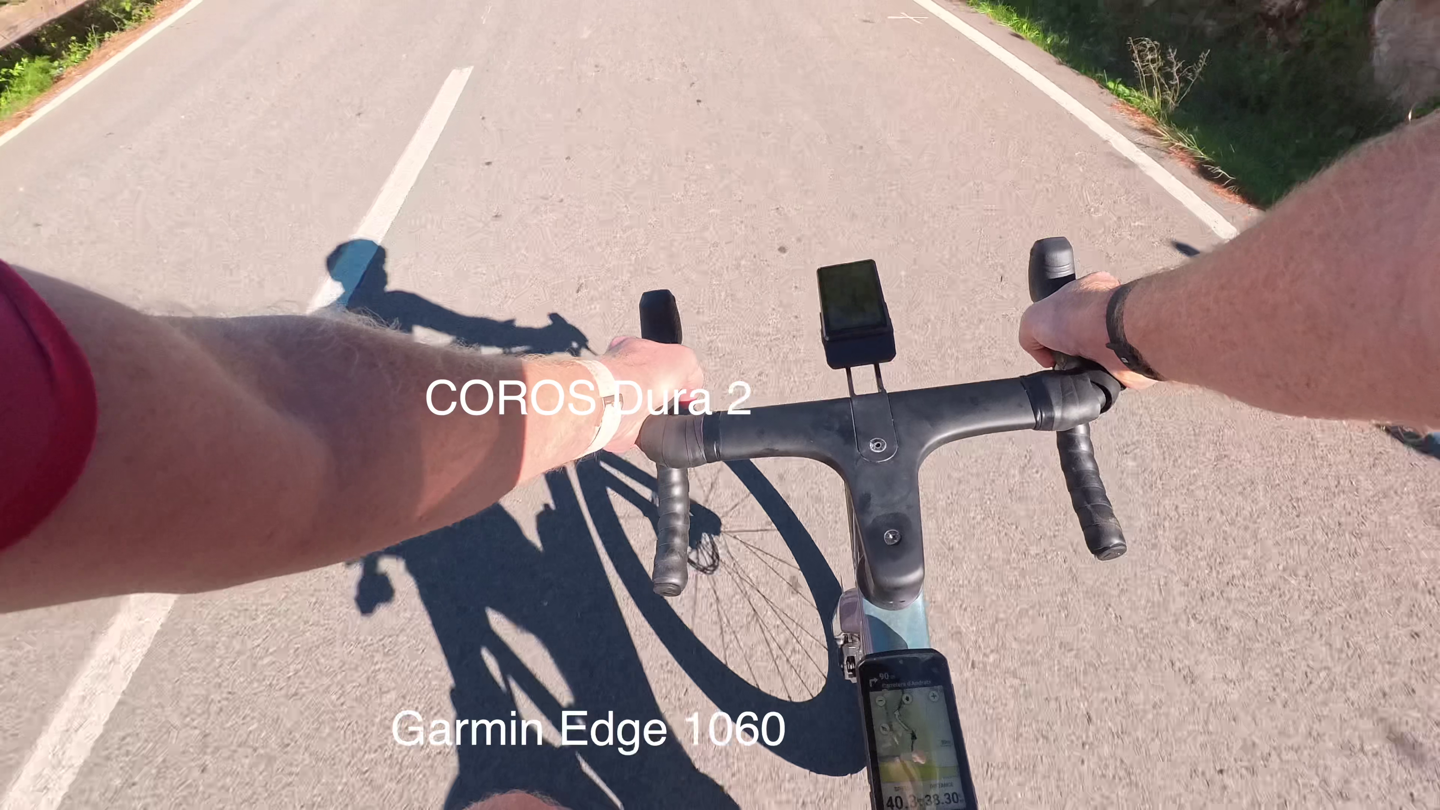
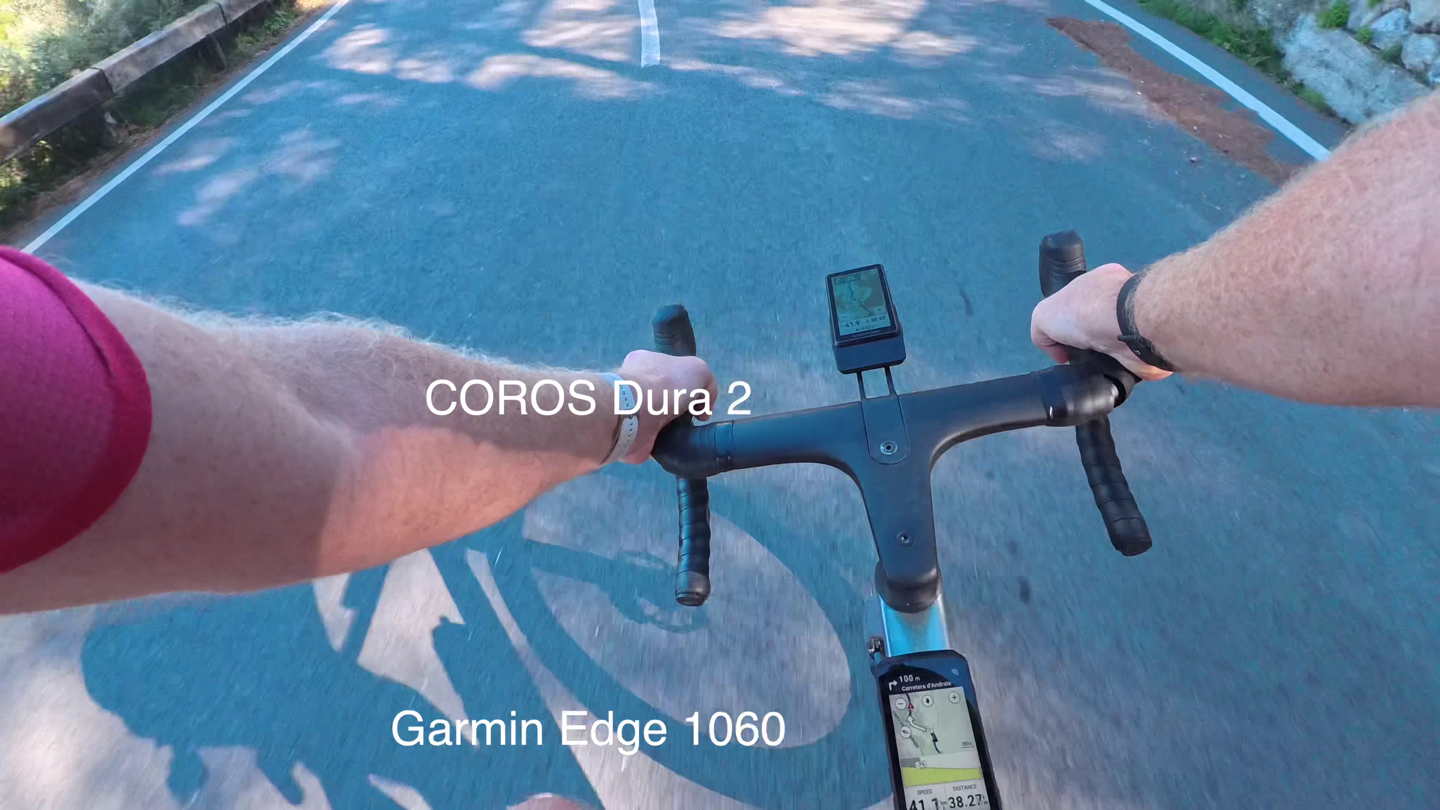
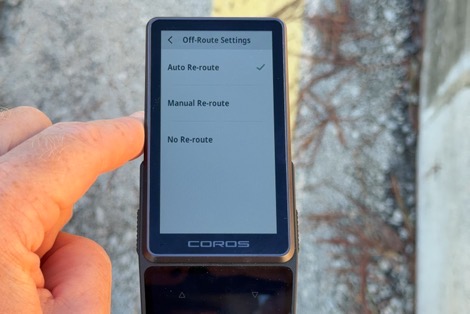
Turn-by-turn prompts are delivered approximately 100 meters prior to a junction—a distance adequate for moderate speeds, though slightly compressed compared to the 200-meter warning standard utilized by competitors like Garmin. However, the device’s offline re-routing capabilities have proven inconsistent. While basic off-route corrections occasionally function smoothly when a stable cellular and Bluetooth connection to the rider’s smartphone is maintained, complex re-routing scenarios frequently fail. In several documented test cases, the internal routing algorithm suggested impassable pedestrian paths, such as rocky cliffside hiking trails, or entered repetitive re-routing loops that failed to guide the rider back to the primary track. Furthermore, offline re-routing remains entirely dependent on an active connection to a paired smartphone, lacking the autonomous onboard processing power found in higher-end Garmin and Wahoo units.
Battery Life and Solar Performance
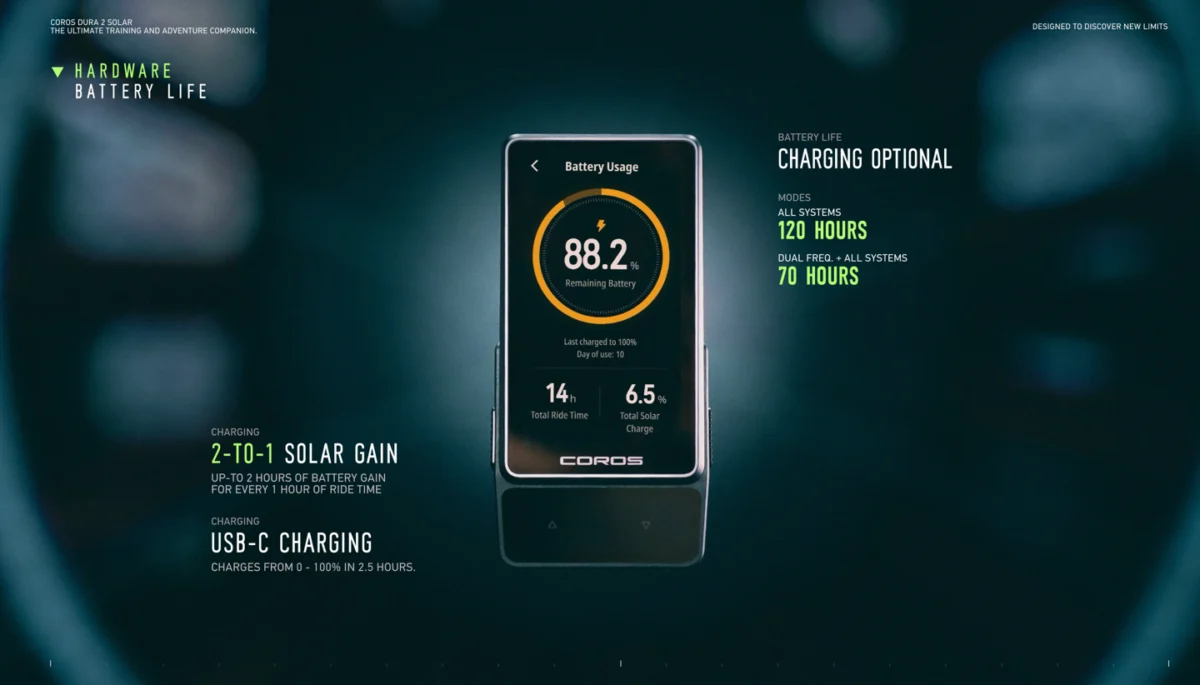
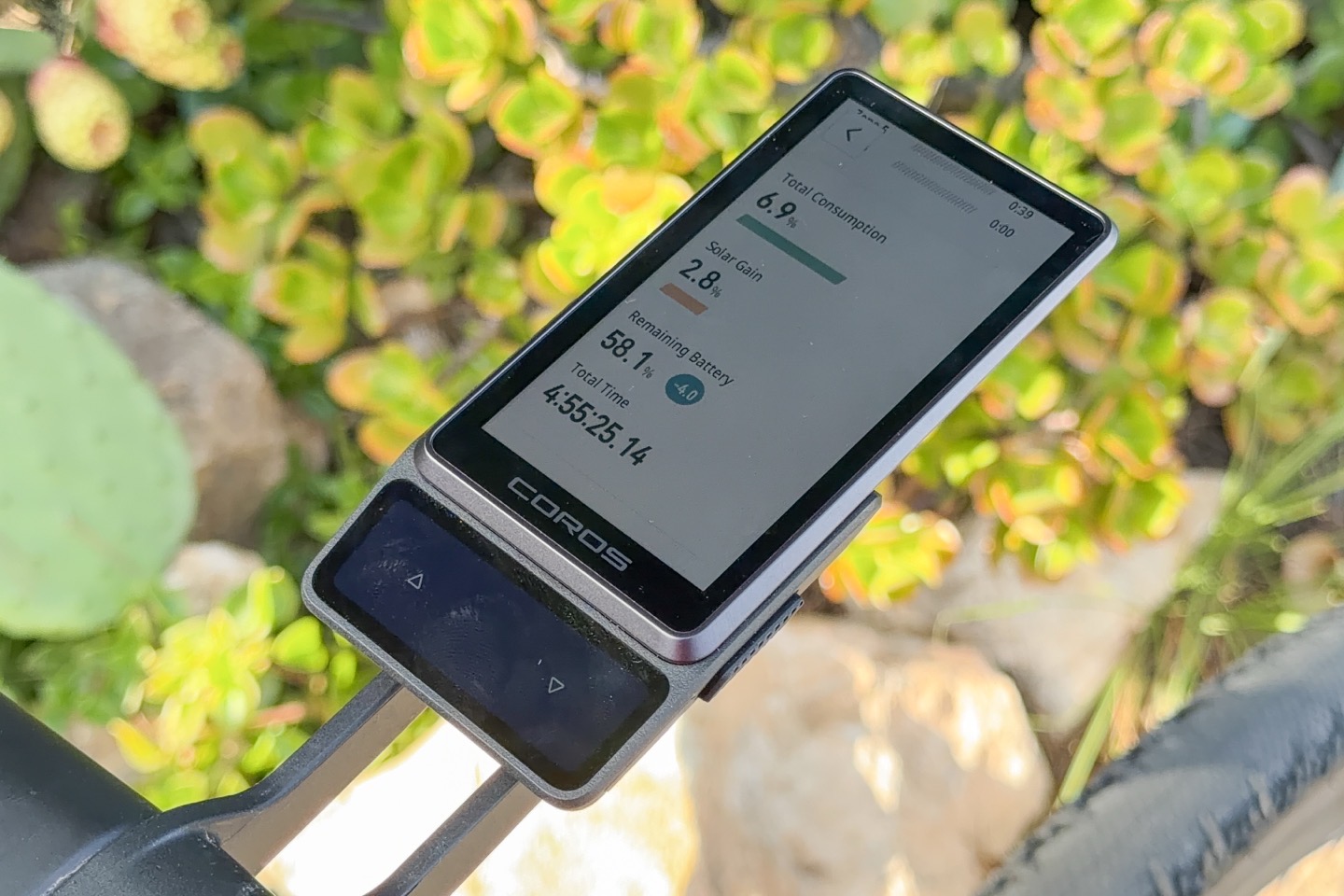
Battery efficiency remains one of COROS’s strongest selling points, though real-world performance varies significantly depending on environmental conditions and feature utilization. COROS claims up to 120 hours of battery life under optimal conditions without solar assistance, though these figures assume specific operational parameters.
The device tracks battery consumption and solar gains via a dedicated system menu and post-ride summary screens. Field testing reveals that under bright, direct Mediterranean sunlight, the solar panel can generate measurable energy offsets, extending total runtime significantly. In optimal conditions with navigation enabled, power consumption drops to negligible levels.
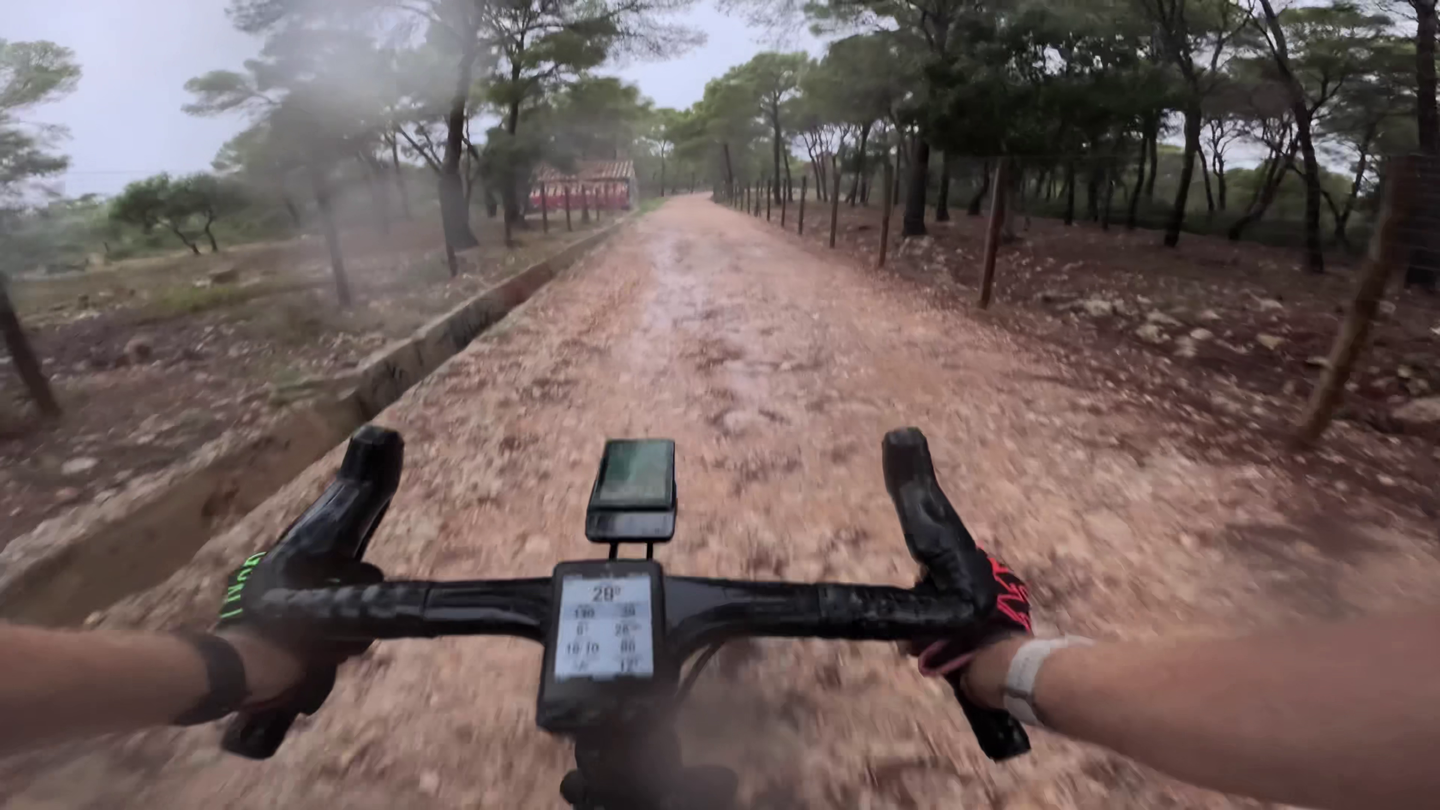
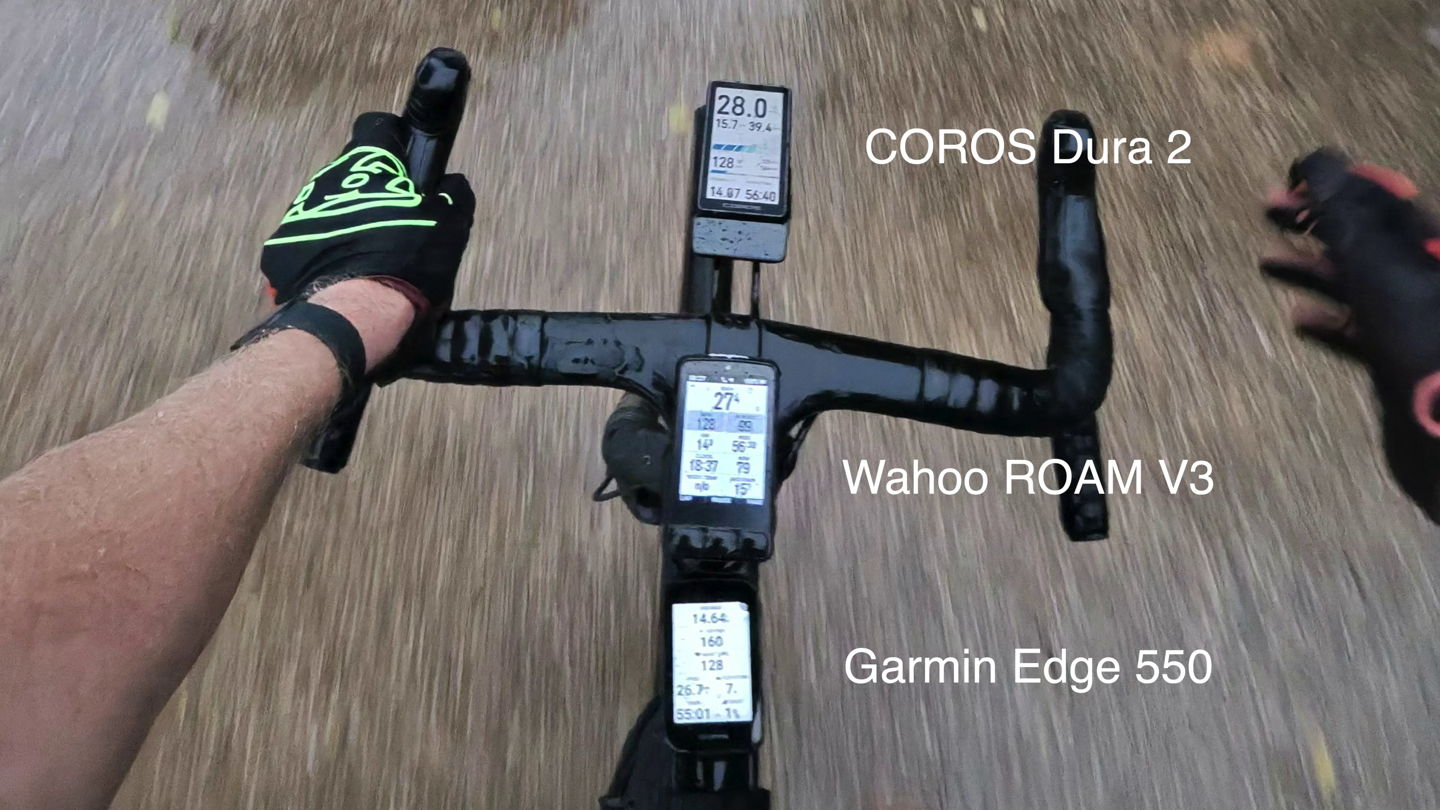
However, under overcast skies, heavy rain, or during evening rides where solar gains are absent, battery drain accelerates notably. Furthermore, there is an inherent trade-off between screen visibility and battery longevity. To preserve battery life, the COROS Dura 2 utilizes a dimmer MIP display compared to backlit competitor devices like the Wahoo ROAM V3 or Garmin Edge x50 series. While legible in direct sunlight, the screen can appear difficult to read when transitioning rapidly into shaded canopy areas or when viewed from angles obscured by the rider’s body.
GPS and Elevation Accuracy
In terms of raw data tracking, the COROS Dura 2 performs exceptionally well. Extensive field testing across complex mountainous terrain demonstrates precise GPS track recording, accurately capturing tight switchbacks and descent trajectories without noticeable drift.
Barometric altimeter performance is similarly robust. While minor elevation offsets were observed during the first 10 to 15 minutes of specific test rides—with the device reading slightly higher than baseline benchmarks—the altimeter quickly self-calibrated and maintained close alignment with control units from Garmin and Wahoo throughout prolonged climbing and descending efforts.
Persistent Software Bugs and Launch Stability
Despite the deployment of pre-launch firmware updates intended to stabilize the operating system, reviewers and early testers have reported a series of persistent software bugs. These issues echo the growing industry trend of releasing hardware dependent on iterative post-launch patches:
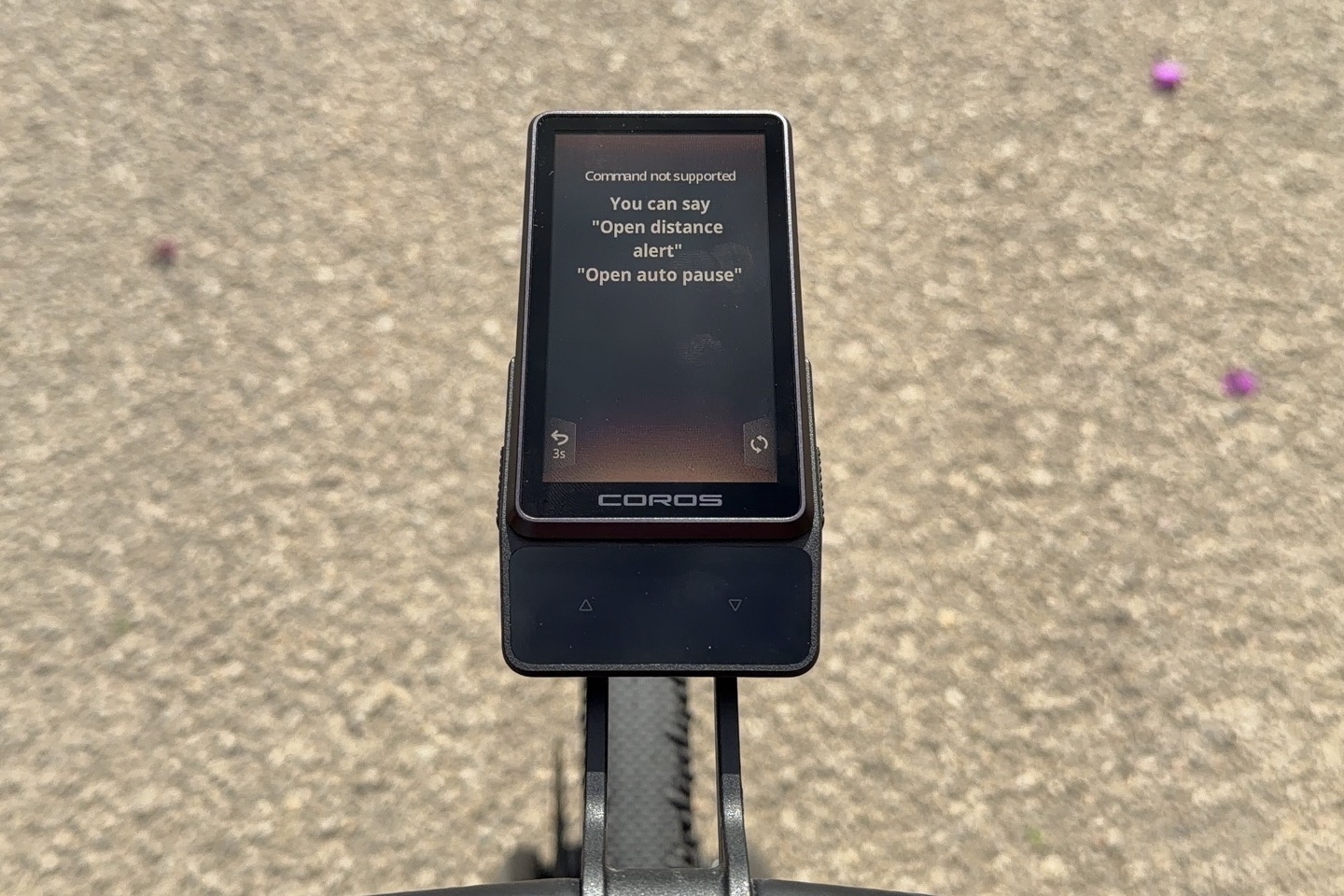
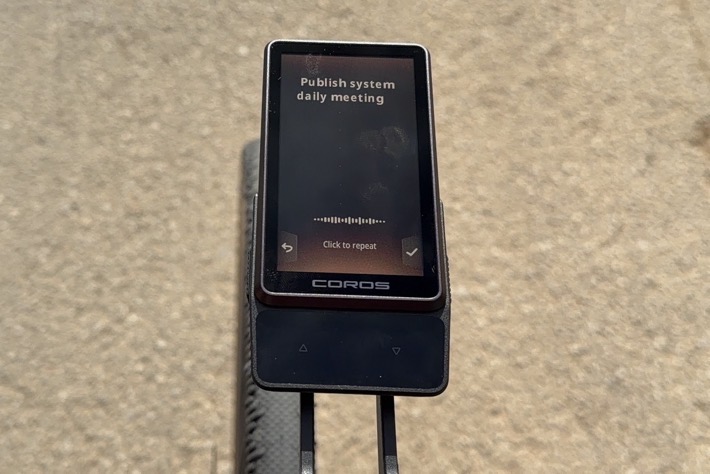
- Voice Control Inefficiencies: The voice control feature, activated by holding the lower-left physical button, struggles significantly with ambient wind noise. At riding speeds exceeding 15 km/h, the system consistently misinterprets commands, rendering the feature largely impractical on the road. Furthermore, the command vocabulary is severely limited, omitting essential cycling queries such as remaining distance or ascent to destination.
- ANT+ Sensor Dropouts: Testers observed intermittent connection drops when pairing ANT+ heart rate monitors simultaneously with Bluetooth power meters. Disabling Bluetooth connections or shifting all sensors to a uniform communication protocol appeared to mitigate the instability.
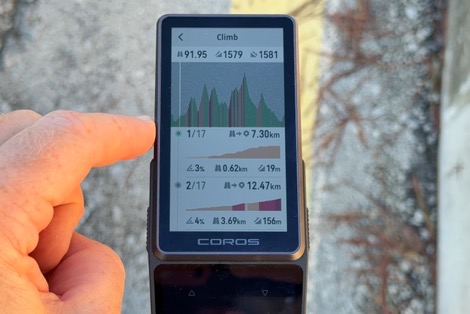
- Incomplete Climb Metrics: The dedicated climb analysis page fails to display dynamic remaining-distance metrics for ongoing climbs, instead displaying static or increasing distances relative to the start of the ascent.
- Strava Live Segments: Pre-synchronized Strava segments frequently failed to trigger automatically during active route navigation.
Broader Market Implications
The launch of the COROS Dura 2 represents a critical juncture for the brand’s hardware strategy. By pricing the device at $549, COROS has signaled its ambition to transition from a value-driven alternative into the premium tier of cycling technology.
However, market analysts suggest that hardware aesthetics and stellar battery life alone may not justify a top-tier price tag if core navigation software, system stability, and ecosystem integration lag behind entrenched competitors. For COROS to capture market share in the premium segment, future firmware updates will need to rapidly resolve the software bugs and navigation inconsistencies that currently hinder the user experience, transforming a promising hardware platform into a reliable, enterprise-grade cycling computer.