






A New Frontier in Wearable Diagnostics
Sleep apnea is a potentially serious sleep disorder in which breathing repeatedly stops and starts. According to the American Academy of Sleep Medicine, millions of adults in the United States suffer from obstructive sleep apnea (OSA), with a vast majority remaining undiagnosed due to the intrusive nature of traditional diagnostic tools, such as in-lab polysomnography. Samsung’s initiative aims to bridge this gap by leveraging the sensors already embedded within the Galaxy Ring and Galaxy Watch to monitor blood oxygen levels and breathing patterns throughout the night.

The recent update to the Samsung Health Monitor app represents a substantial leap forward from the initial iteration of the feature. While early versions primarily provided binary notifications regarding potential risks, the upgraded diagnostic software provides a comprehensive analysis of the severity of breathing interruptions. This transition from basic alerts to nuanced data reporting allows users to engage in more informed conversations with healthcare professionals. By providing quantifiable metrics rather than anecdotal observations, the device acts as a gateway to clinical diagnosis, potentially accelerating the path to treatment for those at risk.
Chronology of Regulatory Progress
The journey toward this rollout has been characterized by a rigorous adherence to international medical standards. In February 2024, Samsung achieved a major breakthrough when the FDA granted De Novo authorization for its sleep apnea detection feature on the Galaxy Watch. This marked the first instance of a commercial wearable receiving such recognition for its ability to identify signs of moderate to severe obstructive sleep apnea.

Following this initial success, the company focused on expanding the functionality to its newly launched Galaxy Ring. The summer of 2024 served as a critical window for this expansion, with the US FDA providing official clearance for the feature to function on the smart ring. Simultaneously, South Korea’s MFDS completed its own review, granting the necessary approvals to deploy the software in the domestic market. This synchronized regulatory approval across two major global markets highlights the depth of clinical validation Samsung has invested in its sensor technology. The subsequent rollout, which began in earnest following these approvals, reflects a deliberate, compliance-first approach to health tech integration.
The Technological Advantage of the Smart Ring
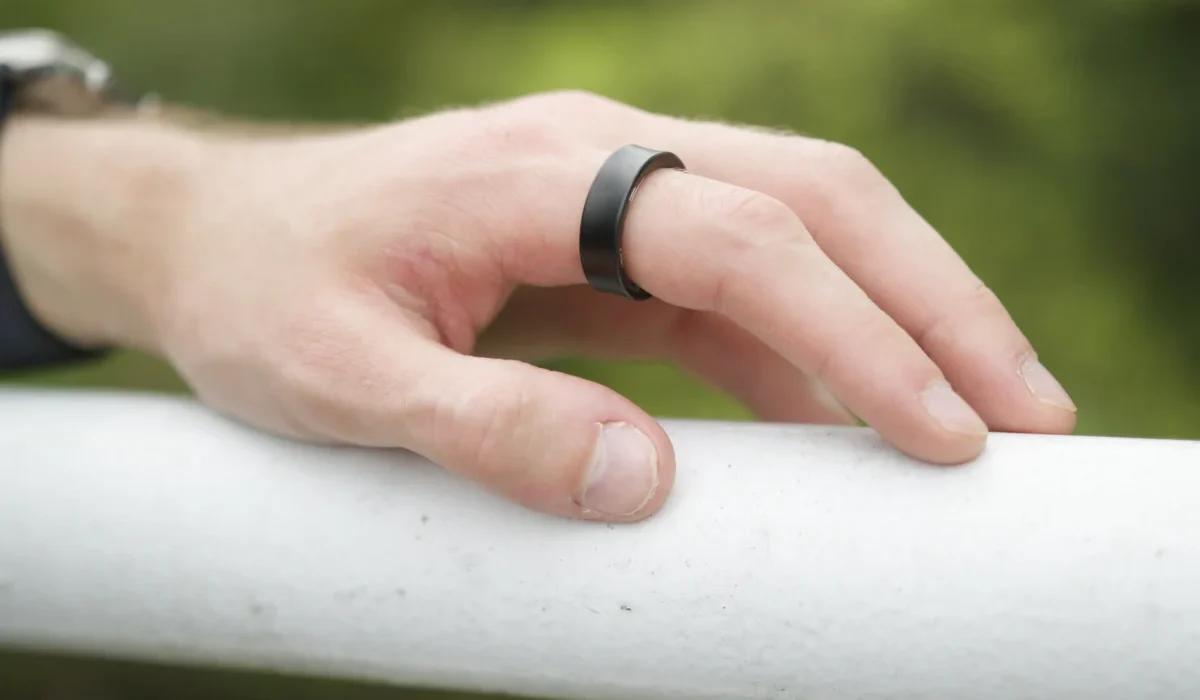
The integration of sleep apnea screening into the Galaxy Ring is particularly noteworthy due to the form factor’s inherent advantages. While smartwatches have long been the standard for wearable health data, the physical bulk of a watch can prove disruptive to sleep quality for some users. The Galaxy Ring, characterized by its lightweight, minimalist design, addresses these ergonomic challenges.

Engineered to be worn 24/7 without the physical fatigue associated with larger wearables, the ring facilitates consistent data collection. The clinical requirement for the screening is relatively modest: users must track their sleep for at least two nights over a ten-day period to generate a meaningful analysis. This low barrier to entry ensures that the data is not only accurate but also representative of the user’s typical physiological state. The convenience of the ring—combined with its long battery life and unobtrusive nature—positions it as a superior candidate for long-term sleep monitoring compared to traditional wrist-worn devices.
Official Perspectives and Health Implications
Jongmin Choi, Head of the Health R&D Group within Samsung’s Mobile eXperience (MX) Business, emphasized the company’s commitment to democratizing health insights. “We are giving people the tools to help spot possible early signs of sleep apnea and take charge of their wellbeing,” Choi noted in an official statement following the announcement. This philosophy underscores the broader trend in consumer technology: the democratization of diagnostic data.

From a clinical perspective, the implications are profound. Sleep apnea is frequently linked to hypertension, cardiovascular disease, and type 2 diabetes. By identifying these respiratory patterns early, users can seek professional medical intervention before these comorbidities exacerbate. However, it is essential to note that the Galaxy Ring is not a replacement for a clinical diagnosis. Medical professionals maintain that while consumer wearables are excellent for preliminary screening and longitudinal tracking, a definitive diagnosis of sleep apnea still requires professional oversight, including supervised home sleep tests or clinical sleep studies.
Broader Impact on the Wearables Market
The move by Samsung sets a new benchmark for competitors in the wearables space, including Apple, Garmin, and Oura. As the first company to offer over-the-counter sleep apnea screening on a smart ring, Samsung has successfully leveraged its ecosystem—connecting the ring to the Galaxy smartphone and Health app—to create a closed-loop health platform.

This development is likely to accelerate the trend of "medicalization" within the consumer electronics sector. As users become accustomed to receiving detailed respiratory data, the demand for additional diagnostic features, such as continuous blood pressure monitoring or non-invasive glucose tracking, will likely intensify. However, with this increased functionality comes the responsibility of data privacy and medical accuracy. Samsung has taken steps to ensure that data processed through the Samsung Health Monitor app remains encrypted and compliant with global privacy standards, a necessary prerequisite for any company dealing with sensitive biometric information.
Future Outlook and Expansion
While the feature is currently available in the United States and South Korea, Samsung has confirmed plans to expand the availability of its sleep apnea detection to additional global markets. The speed of this rollout will largely depend on the regulatory landscape of individual countries, as health authorities in Europe, Japan, and other regions maintain their own distinct criteria for approving medical-grade diagnostic software.

As we look toward the future, the synergy between high-fidelity sensors and artificial intelligence (AI) will likely further refine these diagnostics. By analyzing the patterns of movement, heart rate variability, and blood oxygen saturation collected by the Galaxy Ring, future updates may be able to distinguish between different types of sleep disturbances, offering users even more specific advice on how to improve their sleep hygiene.
Ultimately, the inclusion of sleep apnea screening in the Galaxy Ring serves as a reminder that the most effective health technology is that which seamlessly integrates into the user’s daily life. By removing the friction of traditional medical testing and providing actionable data, Samsung is not merely selling a wearable device; it is participating in a significant shift in how individuals interact with their own health, transforming the "quantified self" from a fitness goal into a vital component of personal medical management. As the technology matures and adoption rates increase, the potential for these devices to alleviate the burden on healthcare systems by flagging potential issues early remains one of the most promising applications of modern wearable technology.