








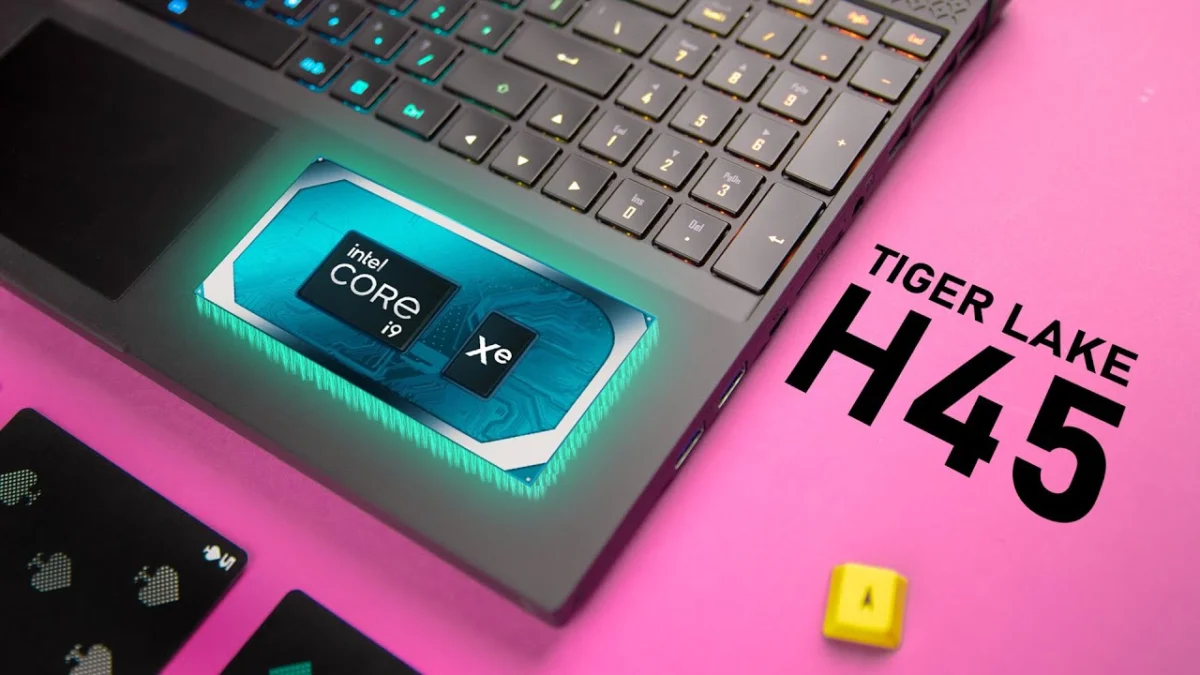
The landscape of high-performance mobile computing has faced a significant transformation with the official rollout of Intel’s 11th Generation Core H-series processors, codenamed Tiger Lake-H. For several consecutive product cycles, Advanced Micro Devices (AMD) maintained a formidable advantage in the laptop market, largely driven by the efficiency and multi-core performance of its Ryzen Mobile 4000 and 5000 series architectures. Intel, constrained by the maturation limits of its legacy 14-nanometer manufacturing process, struggled to mount an effective counter-offensive in the gaming and enthusiast laptop segments. However, the introduction of the 10nm SuperFin-based Tiger Lake-H platform signals a calculated effort by Team Blue to reclaim technological leadership, offering a blend of high clock speeds, advanced connectivity standards, and robust architectural improvements designed to challenge AMD’s current market dominance.
Background Context and Technological Evolution
To understand the significance of the 11th Generation H-series release, it is necessary to examine the trajectory of Intel’s recent architectural deployments. While desktop processors experienced mixed receptions—exemplified by the transitional nature of the Rocket Lake lineup—the mobile sector faced even steeper challenges. Competitors outfitted gaming laptops with energy-efficient, multi-core Ryzen silicon that consistently outperformed Intel’s aging 10th Generation Comet Lake processors.
Intel’s response relies on a fundamental departure from previous design paradigms. The Tiger Lake-H architecture utilizes the 10nm SuperFin manufacturing node, paired with the Willow Cove CPU microarchitecture and Xe-LP graphics technology. This represents a top-to-bottom modernization of the silicon. While lower-power iterations of Tiger Lake previously populated ultra-thin devices and the H35 tier, the new H45 lineup scales these innovations up to eight cores and sixteen threads, addressing the heavy multi-threaded demands of modern AAA gaming titles and resource-intensive productivity workloads.
Detailed Lineup and Specifications
The newly launched 11th Generation mobile portfolio is anchored by a range of 45-watt processors, configurable up to 65 watts for flagship implementations. The product stack introduces distinct tiers tailored for various performance brackets:

- Intel Core i9-11980HK: The flagship unlocked processor features 8 cores and 16 threads, capable of achieving single-core turbo frequencies up to 5.0 GHz and an all-core boost of 4.5 GHz. Designed for enthusiasts, it supports manual overclocking via Intel Extreme Tuning Utility (XTU) and automated tuning through Speed Optimizer.
- Intel Core i9-11900H and i7-11800H: Sharing the 8-core, 16-thread configuration, these models provide the primary engine for high-end gaming laptops. Notably, the i7-11800H positions itself as a competitive performance sweet spot, operating within a tight performance margin relative to the flagship SKU.
- Intel Core i5-11400H and i5-11260H: Mainstream offerings equipped with 6 cores and 12 threads. These units feature a reduced L3 cache of 12MB—compared to the 24MB found on the 8-core variants—while maintaining robust clock speeds suitable for entry-level and mid-tier gaming systems.
A notable upgrade across the entire Tiger Lake-H stack is native support for DDR4-3200 memory, improving upon the DDR4-2933 standard supported by previous generations. Furthermore, the inclusion of cTDP (Configurable Thermal Design Power) downward scaling allows manufacturers to integrate these robust processors into chassis thinner than 20 millimeters without sacrificing thermal integrity.
Platform Innovations: PCIe Gen4 and Connectivity
Beyond raw computational performance, the Tiger Lake-H platform introduces substantial infrastructural enhancements that distinguish it from prevailing market alternatives. Most notably, the architecture implements a full PCIe Gen4 interface, allocating 20 lanes directly from the CPU. Eight of these lanes are dedicated to discrete graphics, while the remaining twelve facilitate high-speed storage configurations, including RAID setups for NVMe solid-state drives.
This native PCIe Gen4 integration provides a distinct advantage in data throughput, enabling compatibility with advanced input/output frameworks such as Microsoft DirectStorage. According to internal platform metrics, single PCIe Gen4 SSD implementations yield up to an 80 percent increase in bandwidth and a 75 percent reduction in access latency compared to the legacy Comet Lake platform.
Connectivity standards have similarly been modernized. The platform incorporates native support for Thunderbolt 4, delivering bi-directional bandwidths of up to 40 Gbps, multi-display outputs, and universal device charging capabilities. Additionally, the integration of Killer Wi-Fi 6E extends wireless networking into the 6GHz spectrum, providing expanded channel width and reduced interference in congested residential and commercial environments.
Performance Metrics and Competitive Analysis
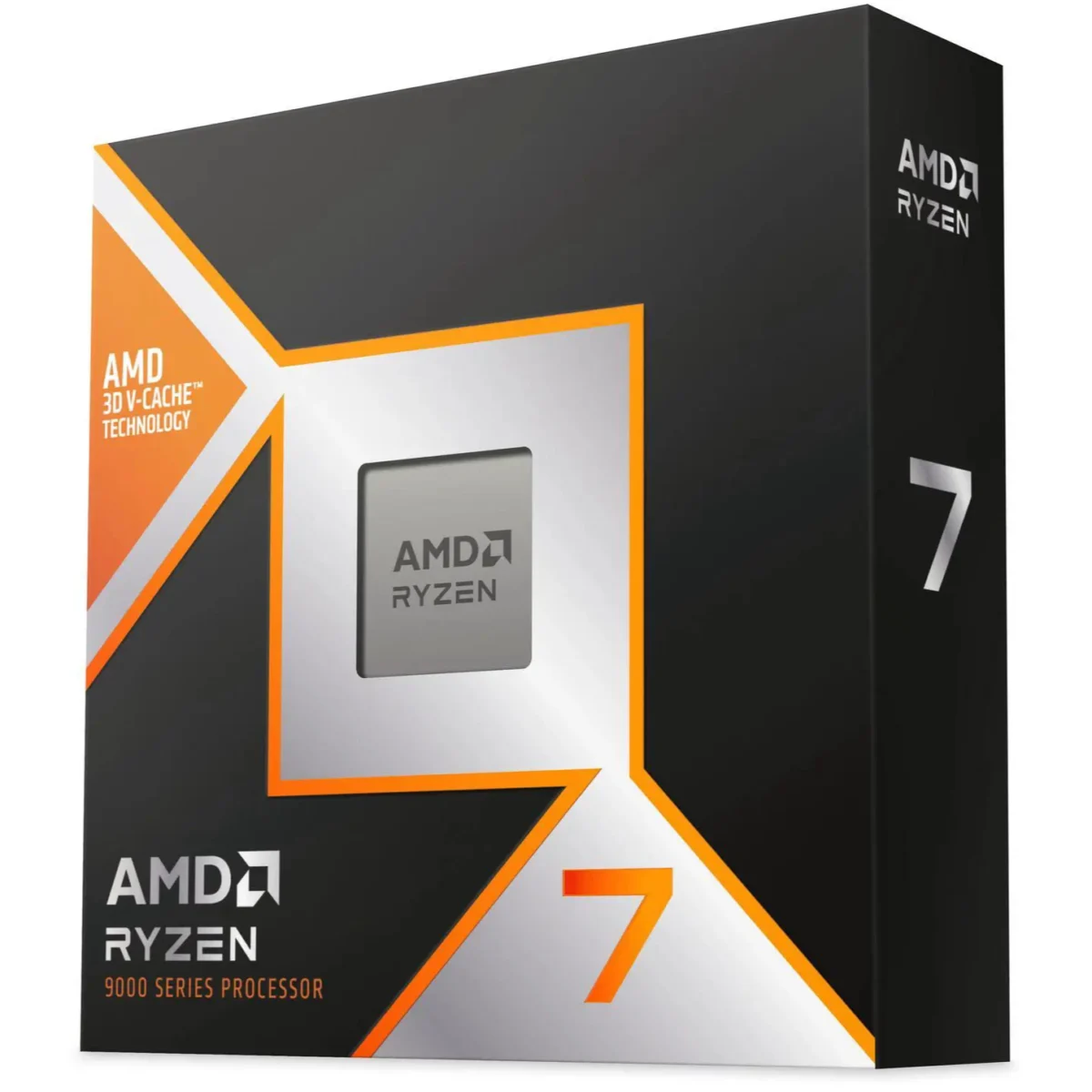
Initial performance benchmarks provided by Intel indicate competitive positioning against AMD’s Ryzen 9 5900HX and Ryzen 9 5980HX processors. In gaming scenarios paired with discrete graphics solutions such as NVIDIA’s GeForce RTX 3080 and RTX 3060 mobile GPUs, the 11th Gen H-series demonstrates parity or gains in frame-rate delivery across various titles.

For instance, performance evaluations of the Core i5-11400H suggest it can effectively contest higher-tier Ryzen 5000 hardware despite featuring fewer cores and operating within conservative power envelopes. In content creation and productivity tasks, Intel highlights consistent double-digit percentage gains over its own 10th Generation hardware, though independent third-party verification remains essential to establish definitive leadership across complex multithreaded workflows.
Market Implications and Industry Outlook
The commercial success of the 11th Generation Intel Core H-series will ultimately depend on three critical factors: pricing architecture, system design implementation, and supply chain availability.
Historically, Intel-based configurations commanded a price premium over equivalent AMD offerings. Given the maturity and competitive pricing of Ryzen Mobile hardware paired with high-end discrete graphics, original equipment manufacturers (OEMs) must carefully calibrate retail costs to avoid consumer resistance. Furthermore, thermal management and chassis engineering will dictate real-world sustained performance, as minor variations in wattage allocation can significantly alter benchmark outcomes.
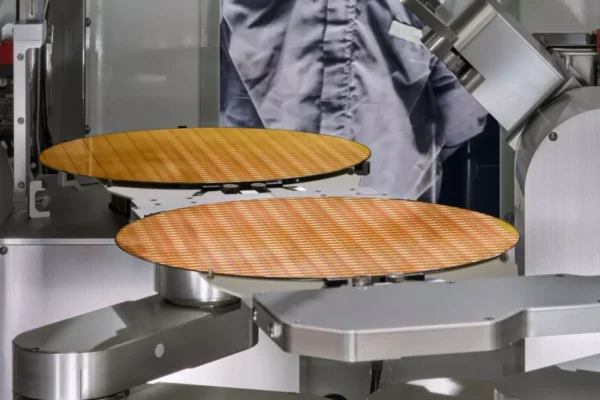
Supply chain dynamics will also play a decisive role. AMD’s expansion in the mobile sector has occasionally been bottlenecked by wafer allocations at manufacturing foundries, leading to inventory constraints for specific Ryzen laptop models. If Intel can leverage its manufacturing capacity to ensure widespread global availability of Tiger Lake-H systems ahead of peak retail seasons, the company stands to recapture substantial market share in the enthusiast notebook segment.
Ultimately, the introduction of the 11th Generation H-series reinforces the value of market competition. By forcing technological advancements in memory standards, interconnect speeds, and core architectures, the ongoing rivalry between Intel and AMD ensures that consumers benefit from accelerated innovation, refined hardware choices, and a more balanced competitive ecosystem.