









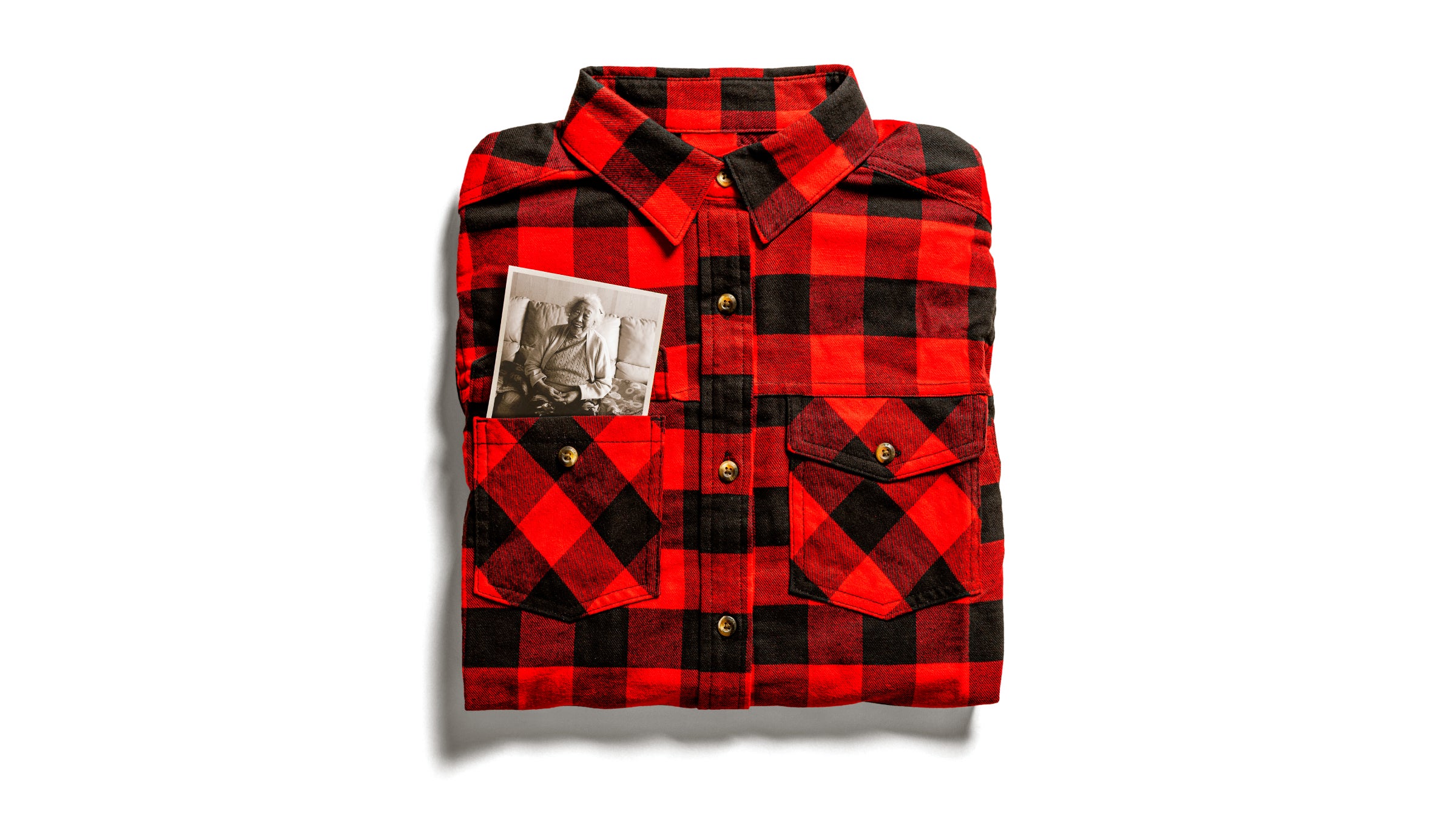
The cultural identity of the outdoor industry is inextricably linked to the flannel shirt, a garment that has transitioned from a utilitarian tool for loggers and hunters into a global symbol of rugged authenticity. Yet, the story of this fabric’s evolution contains a hidden chapter rooted in the resilience of postwar Seoul, where a visionary entrepreneur named Sonia Shin—affectionately known as Hal-money—helped pioneer the industrial production of brushed cotton flannel. Her life, which spanned the transition from Japanese colonial rule to the modernization of South Korea, reflects a broader narrative of industrial growth, gendered labor struggles, and the eventual global shift of textile manufacturing.
A Chronology of Industrial Resilience
The history of Baeekyang Gimo, the textile company founded by Sonia Shin and her husband, KwangDal Suh, is a case study in the rapid industrialization of South Korea during the 1950s. The timeline of their operations provides insight into how a small-scale repair business transformed into a significant player in the domestic garment market.
- 1928: Sonia Shin is born in Pyongyang, Korea, during the period of Japanese colonial administration.
- 1948: Following the post-WWII division of the Korean peninsula, Shin and her husband flee from Pyongyang to Incheon, navigating a perilous escape across the 38th parallel.
- 1951: Amid the chaos of the Korean War, the couple relocates to Seoul, utilizing savings from a nascent cotton candy and machinery repair business to purchase a fire-damaged textile factory.
- 1958: After years of iterative engineering, KwangDal perfects a mechanism that utilizes metal bristles to brush tightly woven cotton, creating the signature "nap" of flannel. Baeekyang Gimo begins mass production.
- 1959: The company scales to employ over 50 workers, supplying flannel to domestic wholesalers and the South Korean military.
- 1982: Following cultural conventions regarding retirement and patrilineal inheritance, the business is transferred to the eldest son, KwangDuk, leading to the eventual dissolution of the firm.
The Engineering of Comfort: The Science of Flannel
To understand the industry that Shin helped build, one must examine the mechanics of the material itself. While often conflated with wool, "flannel" is defined by the process of "napping." This industrial technique involves passing fabric through rollers equipped with fine metal bristles. These bristles lift the fiber ends of the yarn, creating a soft, fuzzy layer that traps air and provides insulation.

Historically, this process was labor-intensive and manual, originating in 17th-century Wales. By the mid-20th century, the mechanization of this process allowed for mass production. In the case of Baeekyang Gimo, the innovation was not just the production of the fabric, but the adaptation of machinery to improve efficiency in a resource-strained, war-torn economy. The success of the "White Lamb Flannel" (Baeekyang Gimo) brand highlights how local manufacturers met the high demand for durable, warm, and affordable clothing for a population rebuilding from the ground up.
Economic Shifts and the Global Outsourcing Trend
The trajectory of Baeekyang Gimo mirrors the larger, often painful, contraction of domestic textile production in the United States and elsewhere. As author Steven Kurutz notes in American Flannel, the U.S. textile industry saw a precipitous decline as labor costs and production shifted overseas. In 1980, nearly 70 percent of clothing worn by Americans was manufactured domestically; by 2024, that figure had plummeted to approximately 2 percent.

The closure of the Woolrich mill in 2018—the oldest continuously operating mill in the United States—served as a definitive symbol of this era. The relocation of manufacturing to hubs in China, Vietnam, and Bangladesh has rendered the supply chain opaque, separating the modern consumer from the physical labor and human history behind their garments. For the outdoor industry, which prides itself on "blue-collar authenticity," this disconnect represents a quiet tragedy: the loss of regional expertise and the erosion of the skilled workforce that once defined the sector.
Gender, Tradition, and the Industrial Ceiling
The history of Baeekyang Gimo is also a testament to the societal barriers faced by women in postwar East Asia. Confucian traditions exerted a significant influence on the structure of the family and business, often relegating women to secondary roles. Despite Sonia Shin’s role as the de facto CEO—managing finances, contracts, logistics, and quality control—she operated in a landscape where these duties were officially attributed to her husband.

This "hidden leadership" was not merely a stylistic choice; it was a pragmatic necessity to ensure the survival and social acceptance of the business. Analysts of the period note that while women were the backbone of the "Miracle on the Han River" (the period of rapid economic growth in South Korea), their contributions were frequently erased from the official record, favoring the traditional patrilineal narrative. When Shin stepped down in 1982, it was not due to a lack of professional capacity, but to the rigid adherence to social expectations regarding gender and inheritance.
Implications for the Modern Outdoor Sector
The outdoor industry is currently undergoing a reckoning regarding its own lack of diversity, particularly in leadership roles. For professionals of color within the industry, the narrative of Sonia Shin serves as a bridge between the past and the present. The industry has made strides in visual representation, but the structural ownership of brands remains largely homogenous.

The realization that flannel, the industry’s unofficial uniform, has a direct, albeit unrecognized, lineage connected to the efforts of immigrant entrepreneurs like Shin, changes the discourse on "belonging." It reframes the outdoor industry not as a monolith owned by a specific demographic, but as a global ecosystem built on the labor and innovation of individuals who were often ignored or marginalized by the very systems they sustained.
Reflections on Legacy
Visiting the site of the former Baeekyang Gimo factory today reveals a landscape erased by time. The building has been absorbed into the dense urban fabric of Seoul, converted into residential units. This erasure is perhaps the most accurate metaphor for the life of the industrial entrepreneur: the tangible product—the flannel—persists in the hands of millions, while the identity of its creators fades into the background.

The persistent nature of the industry’s flannel culture, however, ensures that the history of such factories is never truly lost. As the outdoor sector continues to grapple with its future, the story of Sonia Shin serves as an essential reminder: that behind every mass-produced staple lies a complex, human history of perseverance, innovation, and the quiet, often unacknowledged, building of empires. The challenge for the industry moving forward is to recognize these diverse foundations, not just as historical footnotes, but as the active agents of the global economy. By acknowledging the full history of the textiles we wear, we gain a more comprehensive understanding of the interconnectedness of global labor and the true cost of our industry’s aesthetic.