




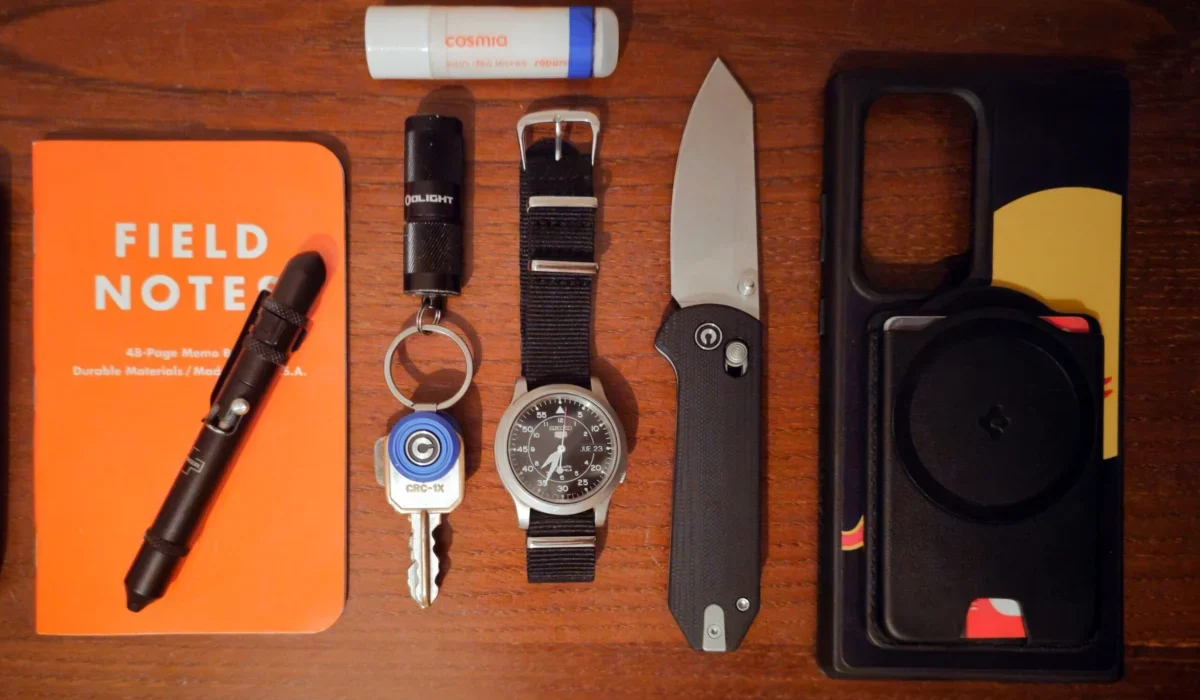
The modern practice of Everyday Carry (EDC) has evolved from a niche hobby of survivalists into a highly specialized discipline of personal efficiency, particularly among professionals working in high-stakes environments like aeronautical automation. Ruben Caeiro, an operator based in Portugal, exemplifies this shift by curating a kit that prioritizes weight reduction, functional versatility, and strategic utility. By balancing the rigors of technical work with the practical demands of daily life, Caeiro’s setup offers a lens through which to examine the intersection of modern tool design and professional preparedness.
The Anatomy of Professional Preparedness
In the professional landscape of aeronautical automation, where precision and system reliability are paramount, an operator’s equipment must adhere to a standard of high performance and low friction. Caeiro’s current configuration is built around a philosophy of minimalism, emphasizing high-value, multi-functional tools. This approach is not merely aesthetic; it is a calculated response to the ergonomic requirements of his role.
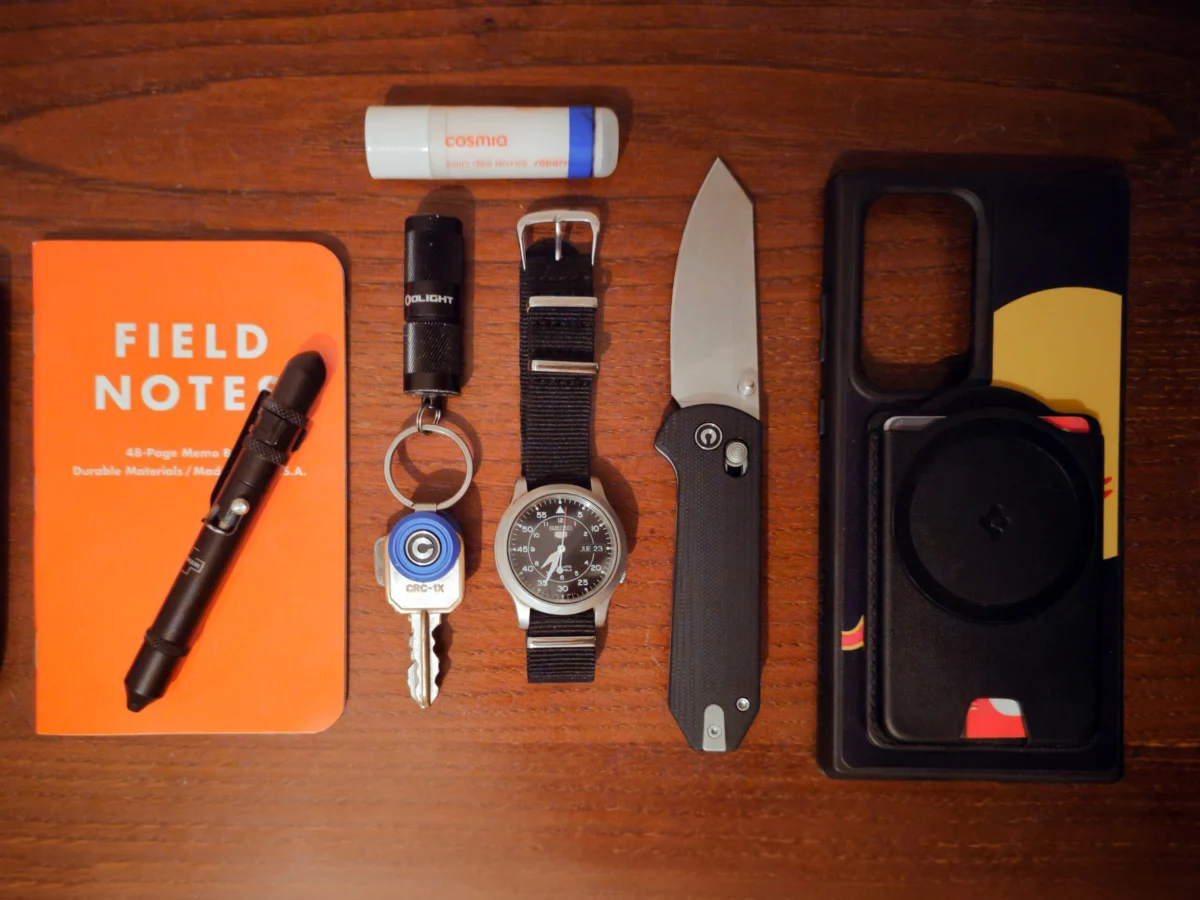
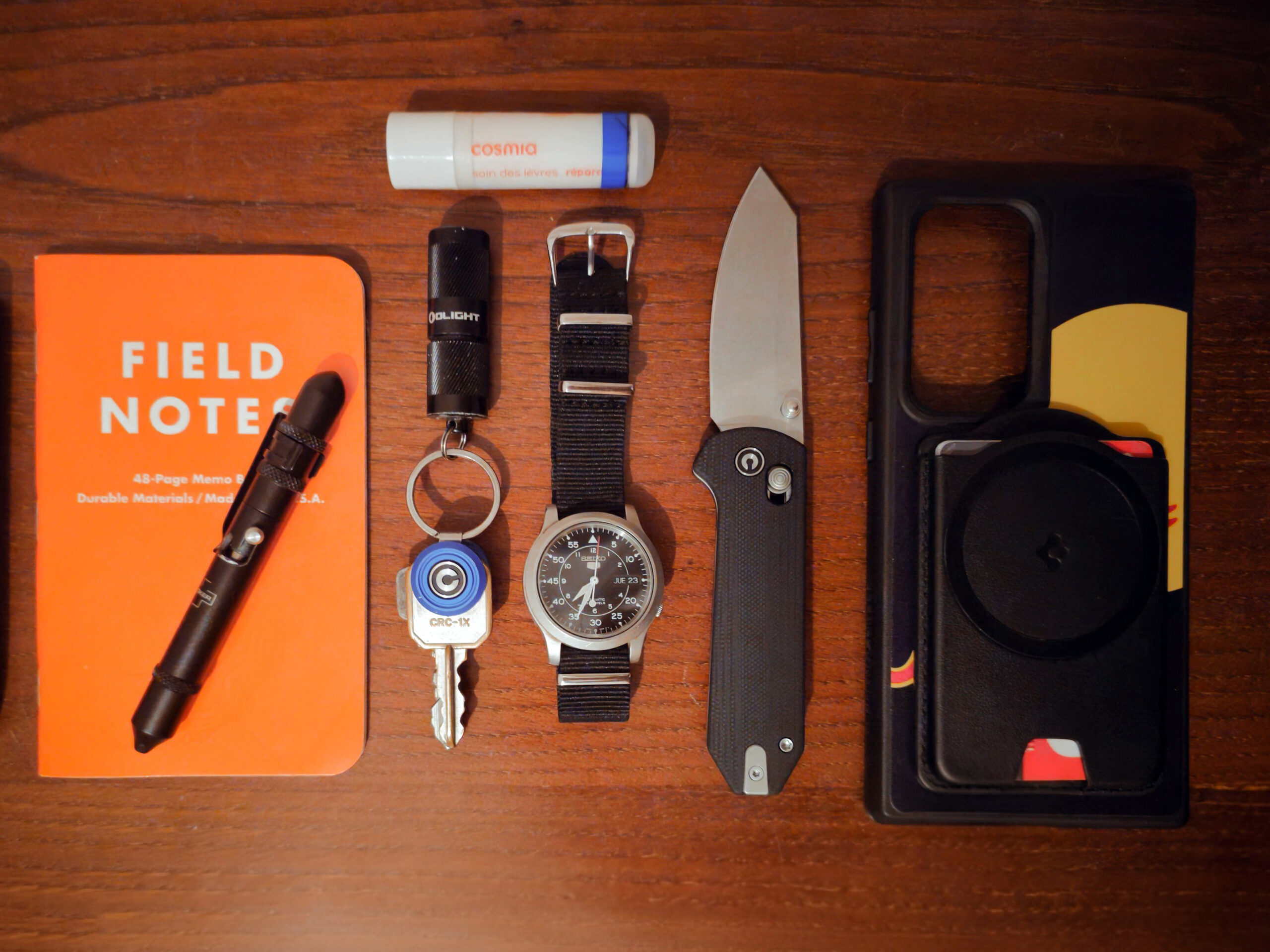
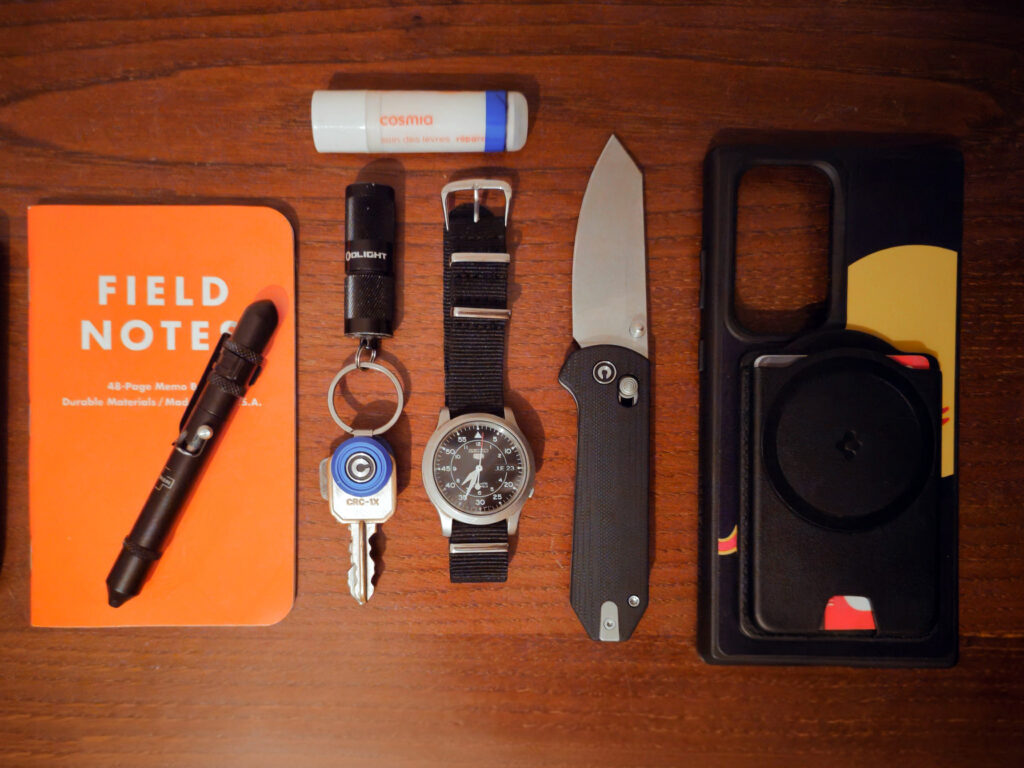
Central to his recent equipment acquisition is the CIVIVI Yonder, a pocket knife that has garnered significant industry attention. Designed by Zac Whitmore, the Yonder secured the "Best Buy of the Year" accolade at the 2024 Blade Show. This recognition is significant within the knife industry, as it highlights a shift toward high-quality, accessible tools that utilize advanced locking mechanisms—such as the crossbar lock featured on the Yonder—without the prohibitive pricing models historically associated with professional-grade gear.
Chronology of Equipment Evolution
The evolution of Caeiro’s gear reflects a broader trend among EDC enthusiasts toward iterative improvement. The recent addition of Field Notes—a staple in the stationary community—and the CIVIVI Yonder represents a refinement of his workflow. The transition from previous carry items to these specific tools illustrates a deliberate move toward compact, high-utility items that do not sacrifice performance for size.
Caeiro has expressed plans to expand his rotation to include a "dressier" set for off-duty hours, specifically mentioning the Kizer Feist and the Casio Edifice with a "Tiffany" style dial. This modularity allows the operator to maintain a consistent baseline of utility—the pen, the flashlight, the key organizer—while swapping aesthetic-heavy items to suit different social or professional contexts. The Casio Edifice line, for instance, is frequently cited for its reliability, utilizing stainless steel construction and sapphire crystal, providing a durable yet sophisticated alternative to specialized field watches.
Data-Driven Minimalism: The EDC Market Landscape
The market for Everyday Carry items has seen explosive growth over the last decade. Industry reports suggest that the global pocket knife market alone is projected to continue its upward trajectory, fueled by an increase in individual preparedness trends. The "Best Buy" designation awarded to the CIVIVI Yonder serves as a data point in a larger discussion about the democratization of high-end materials.
Historically, features such as G10 handle scales, premium blade steels, and ambidextrous locking mechanisms were reserved for "custom" or high-end production knives retailing for hundreds of dollars. Today, the influx of mass-production, high-quality manufacturing—primarily coming out of hubs in Asia—has brought these features into the sub-$100 price bracket. This economic shift allows professionals like Caeiro to maintain a high level of preparedness without the excessive financial overhead that characterized the hobby twenty years ago.
Operational Context: The Role of the Aeronautical Operator
The work environment of an aeronautical automation operator involves the constant monitoring of complex systems, troubleshooting sensor data, and managing hardware-software interfaces. In such an environment, the cognitive load is already high; therefore, the physical tools one carries must be intuitive.
A well-curated EDC kit serves as a cognitive offload. By consolidating essentials—such as a magnetic wallet attached to a smartphone, a compact key organizer, and a minimalist bolt-action pen—the operator reduces the "search time" required to access necessary tools. This is a form of workplace ergonomics. When an operator is in the field or in a facility, the ability to deploy a pen or a light without digging through a bag is not just a convenience; it is an efficiency gain.
Analytical Perspectives on Gear Selection
From an analytical standpoint, Caeiro’s kit is an example of "optimized weight." By selecting a magnetic wallet for his phone, he eliminates the need for a separate billfold. By choosing a small bolt-action pen, he ensures he always has a writing implement that is robust enough for field notes without the bulk of a fountain pen.
Industry experts note that this "minimalist, high-value" approach is the most sustainable way to build an EDC kit. Rather than accumulating a vast array of niche tools, the focus remains on high-quality items that perform multiple tasks. The Kizer Feist, for example, is noted for its front-flipper design, which offers a sleek, non-threatening profile suitable for public settings while remaining highly functional for daily cutting tasks.
Implications for Future Preparedness
The trend observed in Caeiro’s profile suggests that the future of EDC lies in the intersection of technology and analog tradition. Even as digital integration increases—with smartphones and smartwatches becoming central to the kit—there remains a persistent, perhaps even growing, demand for high-quality analog tools. The Field Notes notebook provides a tactile method for recording information that is immune to battery failure, system crashes, or connectivity issues.
Furthermore, the emphasis on aesthetics—the choice of a Tiffany-dial watch, for instance—indicates that personal style is becoming as important as functionality. As the demographic of EDC users expands beyond traditional outdoorsmen and military personnel into the professional and corporate sectors, the design of tools is pivoting toward a "professional chic" aesthetic that is suitable for both a hangar or a control room and a boardroom or social setting.
The Broader Impact of Community Sharing
The sharing of EDC configurations on platforms like Instagram and specialized community forums serves a dual purpose: it acts as a knowledge-sharing network and a feedback loop for manufacturers. When users like Caeiro share their setups, they provide real-world usage data that can influence future design iterations.
Companies like CIVIVI and Kizer monitor these trends closely. The fact that an aeronautical operator, whose primary concern is technical precision, opts for these brands validates their market position. It demonstrates that the consumer base is becoming increasingly sophisticated, valuing metallurgy, lock integrity, and ergonomics over mere brand prestige.
Conclusion: The Synthesis of Utility and Aesthetics
Ruben Caeiro’s everyday carry profile is representative of a modern professional who values precision in both his career and his personal equipment. By adhering to a minimalist philosophy, he has curated a kit that is not only highly functional but also adaptable to various environments.
As the EDC landscape continues to evolve, the focus on value, durability, and thoughtful design will likely remain the gold standard. Whether it is through the adoption of award-winning knives like the CIVIVI Yonder or the selection of reliable timepieces like the Casio Edifice, the goal remains the same: to be equipped for the demands of the day, no matter what they may bring. The integration of these tools into a daily routine is a testament to the fact that preparedness is not an event, but a continuous, iterative process of refinement. For professionals in fields as demanding as aeronautical automation, this level of attention to detail is not just a hobby—it is a reflection of a mindset that values readiness, reliability, and excellence in every facet of life.