










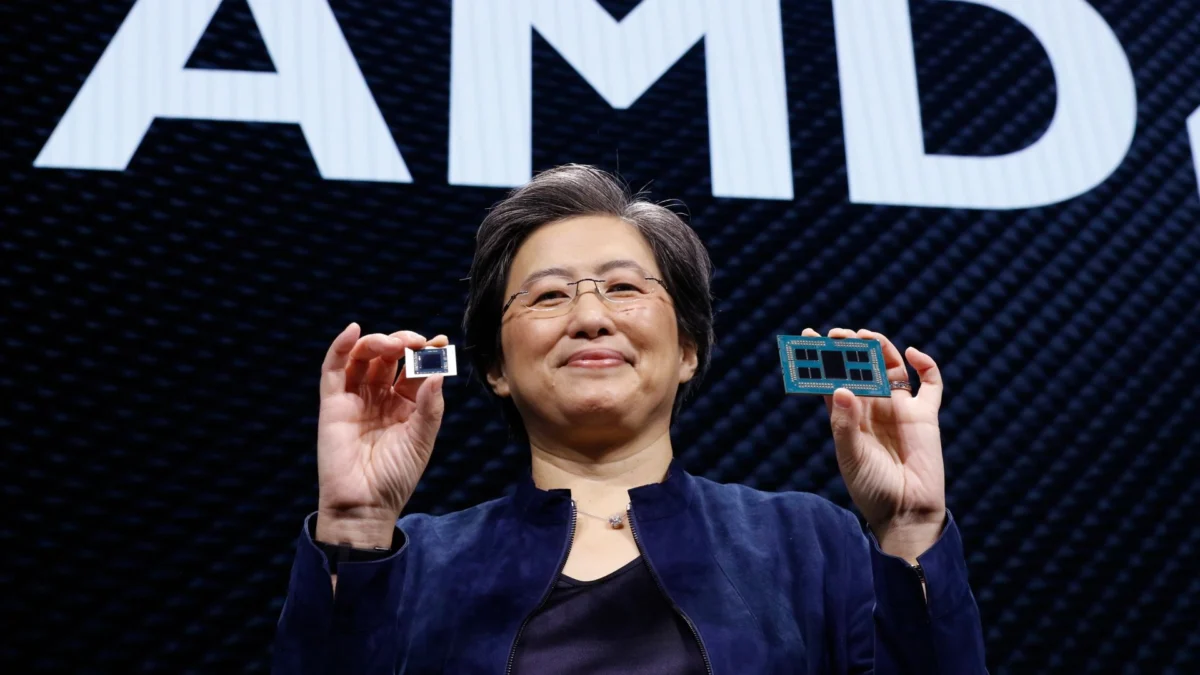
In a pivotal shift for the semiconductor landscape, Advanced Micro Devices (AMD) has formally signaled a strategic pivot away from its historical roots as a consumer-centric processor manufacturer. During a high-level interview with Yahoo Finance on Thursday, November 5, 2026, CEO Dr. Lisa Su articulated a new corporate identity for the chipmaker: that of a "data center-first company." This declaration, corroborated by disclosures made during the company’s Q3 2026 earnings call, underscores a broader industry trend where computing power is increasingly diverted toward enterprise AI infrastructure rather than consumer hardware.
A Strategic Reorientation
Dr. Su’s comments clarify the trajectory of AMD’s capital allocation and research and development focus. As the demand for Generative AI and Large Language Models (LLMs) continues to strain global supply chains, AMD has opted to prioritize the high-margin data center segment. According to Dr. Su, the company expects its data center business to experience a 50% sequential growth from the third to the fourth quarter of 2026. Looking toward the fiscal year 2027, the company has set aggressive targets, aiming to more than double its current data center revenue.
This transition is not merely a budgetary shift; it is a fundamental revaluation of the company’s purpose. "We are a data center-first company," Su stated, emphasizing that the industry’s hunger for compute power to fuel AI applications has necessitated this change. For investors and industry analysts, this serves as a clear indication that AMD views the proliferation of super-intelligence—or at least the high-performance computing required to sustain it—as the primary engine of global economic and technological growth for the next half-decade.

Chronology of the Shift
The transition to a data-center-centric model has been a multi-year effort that accelerated following the 2023 surge in interest surrounding transformer-based AI models.
- 2023–2024: AMD began ramping up production of its Instinct MI300 series GPUs, positioning them as direct competitors to Nvidia’s dominant H100 and Blackwell architectures.
- Early 2026: AMD’s quarterly earnings reports began to show a narrowing gap between traditional client-computing (PC processors) and enterprise-grade server hardware.
- Q3 2026 (Earnings Call): During this period, the company officially reported the projected double-digit percentage decline in the consumer PC sector for 2027, signaling the end of the post-pandemic hardware cycle that had briefly bolstered consumer PC sales.
- November 2026: Dr. Su’s interview confirms that the company’s long-term investment horizon (3–5 years) is now inextricably linked to the AI ecosystem, effectively de-prioritizing the consumer desktop and laptop markets in favor of cloud-scale infrastructure.
The Consumer PC Market Outlook
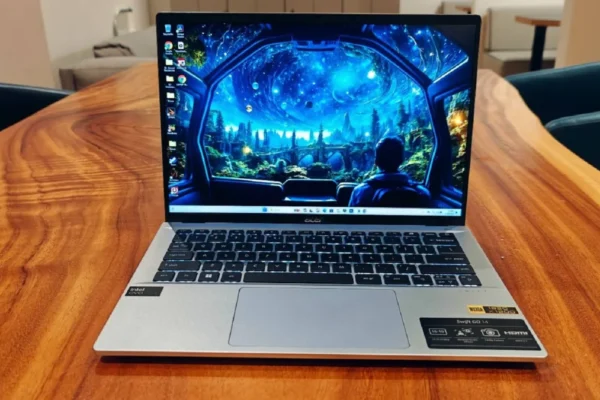
While the data center sector experiences rapid expansion, the consumer segment faces a starkly different reality. AMD’s guidance for 2027 forecasts a "double-digit" percentage slump in PC sales. This contraction is attributed to a combination of market saturation, extended upgrade cycles among consumers, and the rising cost of essential components, such as high-bandwidth memory (HBM) and advanced DRAM.
The "RAMpocalypse"—a term used to describe the persistent volatility and rising costs in memory components—has become a significant barrier for consumers. Because high-performance AI GPUs require the same advanced memory manufacturing capacity as high-end consumer PCs, the supply is being cannibalized by the more profitable data center sector. Consequently, the average selling price of consumer PCs is expected to remain elevated, further depressing demand as the utility of new hardware fails to outpace the escalating costs for the average user.
Economic Implications and Market Sentiment
The recent volatility in the tech sector, specifically regarding AI-focused valuations, has led to intense scrutiny from the financial community. Following the post-midterm election period in the United States, tech stocks saw a noticeable pullback. Dr. Su addressed this, characterizing the market’s reaction as "short-sighted."
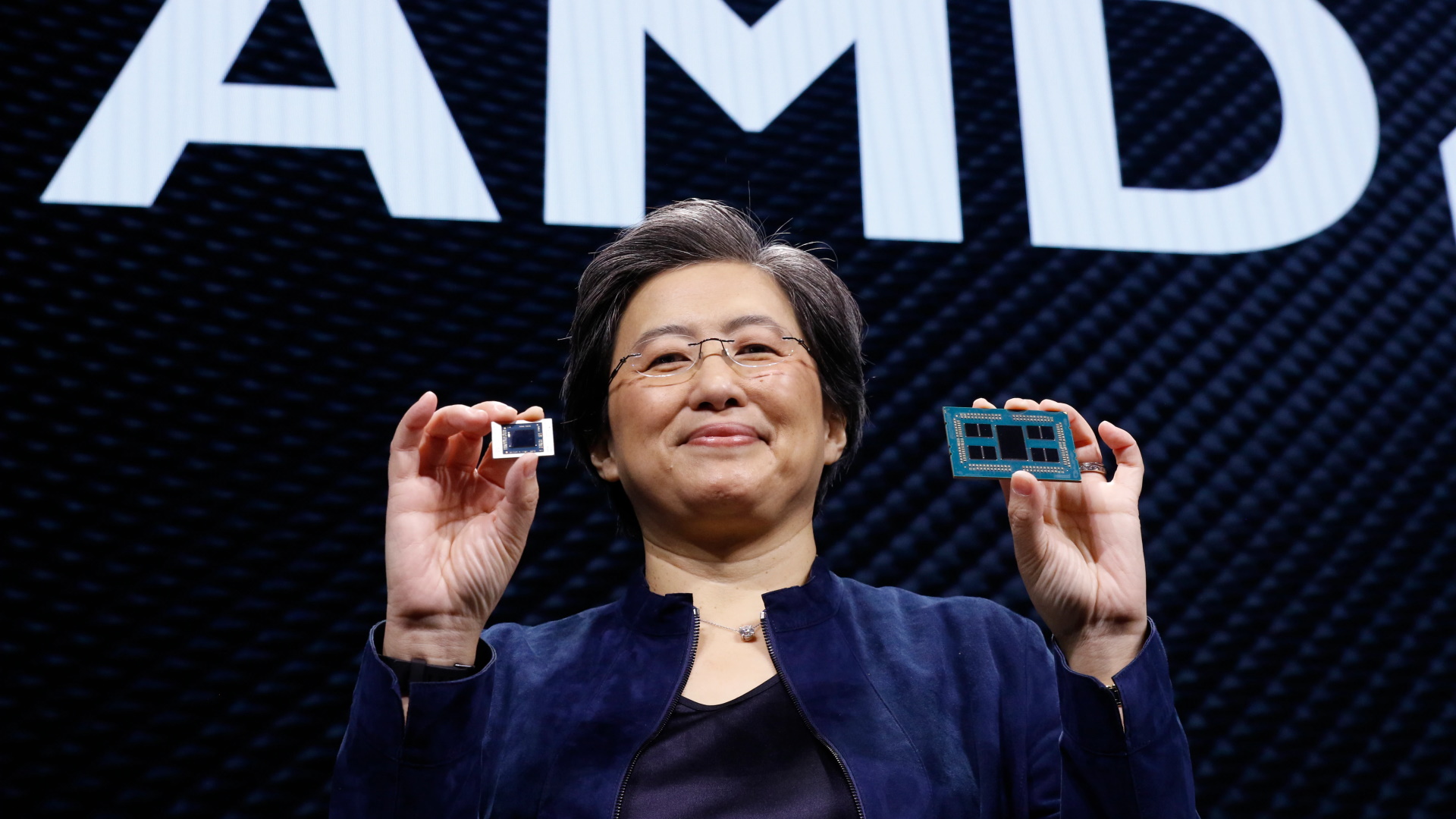
From the perspective of the executive leadership at firms like AMD, the current era of heavy capital expenditure is seen as "investing ahead of the curve." The underlying philosophy, as expressed by Su, is that "computing equates to intelligence." By this logic, the more a corporation invests in compute capacity, the more efficient and competitive it becomes in a market dominated by algorithmic problem-solving.
However, this optimism is not universally shared. Skeptics point to the high burn rate of AI startups and the lack of "killer apps" for the average consumer that would justify the massive hardware expenditures seen across the industry. There is a growing concern that the economy has become overly reliant on the continued growth of the AI sector, with significant portions of institutional capital—including pension funds and 401(k) portfolios—heavily tilted toward tech and semiconductor holdings. Should the projected returns on AI infrastructure fail to materialize, the potential for a market-wide "hangover" is high, as the capital already deployed into physical data centers cannot be easily liquidated or repurposed for consumer goods.
Analyzing the "Data-Center First" Era
The implications of AMD’s shift are far-reaching. For the gaming and home-computing industry, this suggests that innovation may stagnate or become increasingly niche. As manufacturing capacity is prioritized for enterprise-grade HBM and AI-focused silicon, the pace of advancement for consumer-grade CPUs and GPUs may slow, or at the very least, become significantly more expensive.
Furthermore, this pivot forces a conversation about the democratization of technology. If "intelligence" is strictly gated behind the massive, multi-billion-dollar data centers that AMD now prioritizes, the ability to innovate may become concentrated among the few entities—cloud providers and major tech conglomerates—capable of affording such infrastructure.

Conclusion
AMD’s decision to prioritize data centers represents a calculated risk that hinges on the long-term viability of the AI boom. By moving away from the consumer PC market, the company is betting that the infrastructure required to power the "super intelligence" of the next decade is the most valuable commodity in the modern economy. While the immediate financial metrics support this growth, the long-term impact on the consumer hardware market and the broader economic stability of the tech sector remains to be seen. As the industry moves into 2027, the success of this strategy will be measured not just by AMD’s quarterly earnings, but by the tangible impact of the AI models that these massive data centers are built to host.