





The modern laptop landscape is defined by a constant tension between raw computing power and the physical limitations of battery chemistry. As mobile professionals, creative artists, and gamers increasingly demand devices that can sustain intense workflows far from a wall outlet, manufacturers have pivoted their design philosophies. The result is a new generation of hardware where efficiency is treated with as much gravity as clock speeds, leading to a notable shift in how we evaluate portability.
Understanding how a device handles its energy consumption requires more than just reading the manufacturer’s marketing claims, which are often based on optimized video playback scenarios. To provide a grounded perspective, Laptop Mag utilizes the Battery Test 2.0—a rigorous, standardized benchmark that involves continuous web browsing over Wi-Fi at a consistent 150 nits of screen brightness. This methodology offers a more realistic assessment of daily productivity than legacy video-rundown tests, ensuring that the results reflect the actual endurance a user can expect during a typical workday.
The Evolution of Mobile Efficiency
The industry has seen a dramatic leap in longevity over the past twenty-four months, largely driven by the adoption of ARM-based architectures and more efficient x86 silicon. This shift represents a fundamental change in the "performance-per-watt" paradigm. For years, users were forced to choose between the high-performance capabilities of workstation-class machines and the thin, light profiles of ultraportables. Today, that binary choice is fading.
As of May 2025, the market hierarchy for battery endurance has been recalibrated by the arrival of high-efficiency chips, such as Apple’s M4 series and Qualcomm’s Snapdragon X Elite platform. These technologies have enabled devices to push past the twenty-hour barrier, a milestone that was largely considered aspirational just a few years ago.
Top Performers in Battery Endurance
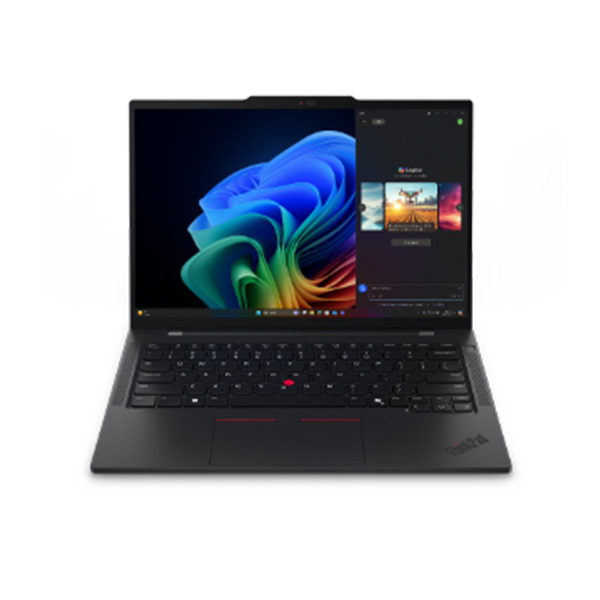
The Lenovo ThinkPad T14s Gen 6 currently holds the record for the longest-lasting battery in our testing database, clocking in at 21 hours and 3 minutes. Powered by the Qualcomm Snapdragon X Elite XIE-78-100 chipset, this device demonstrates that the "Always Connected" PC vision is finally maturing. Its success lies not just in the silicon, but in the synergy between the operating system’s power management and the hardware’s optimized thermal profile.
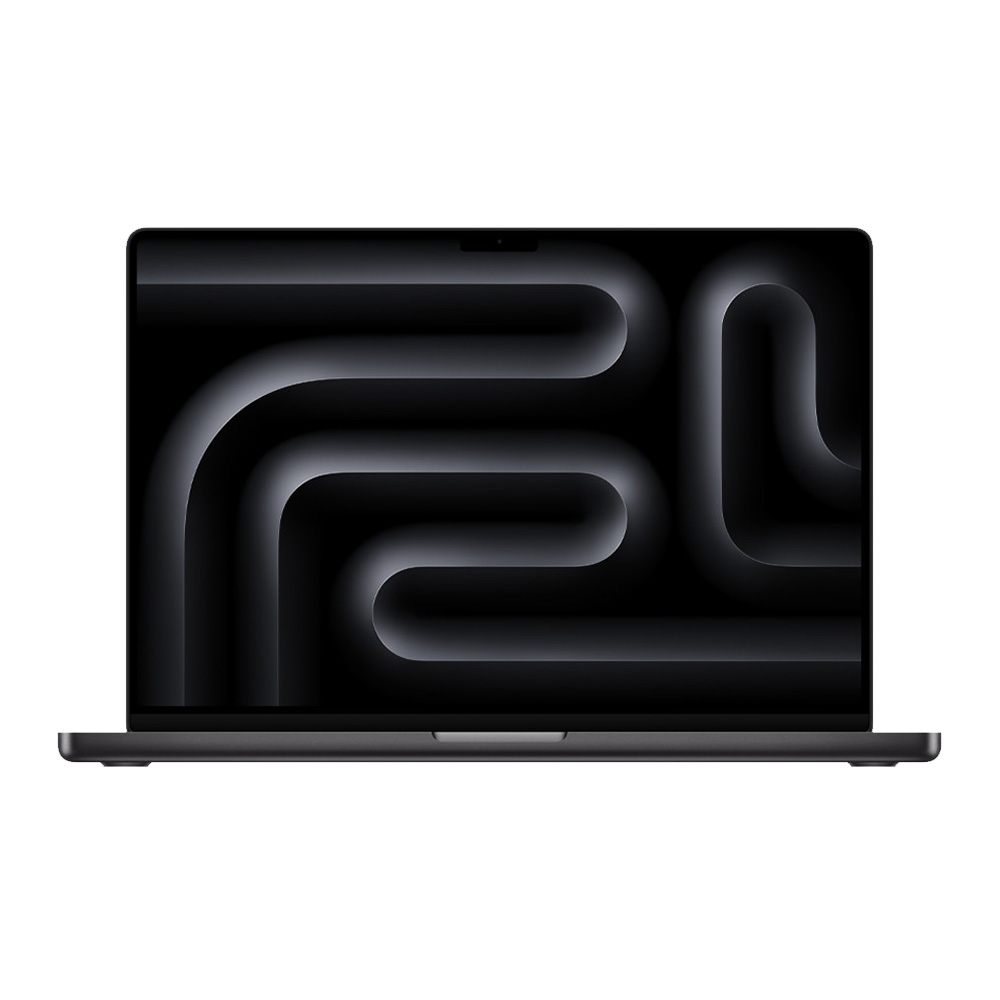
Close behind is the Apple MacBook Pro 16-inch with the M4 Pro chip, which delivered 20 hours and 46 minutes of runtime. This figure is particularly striking given the sheer graphical and computational throughput the M4 Pro architecture provides. While the ThinkPad T14s caters to the mobile business user, the 16-inch MacBook Pro targets the "power user" segment—video editors, software developers, and creative professionals who previously relied on tethered desktop workstations.
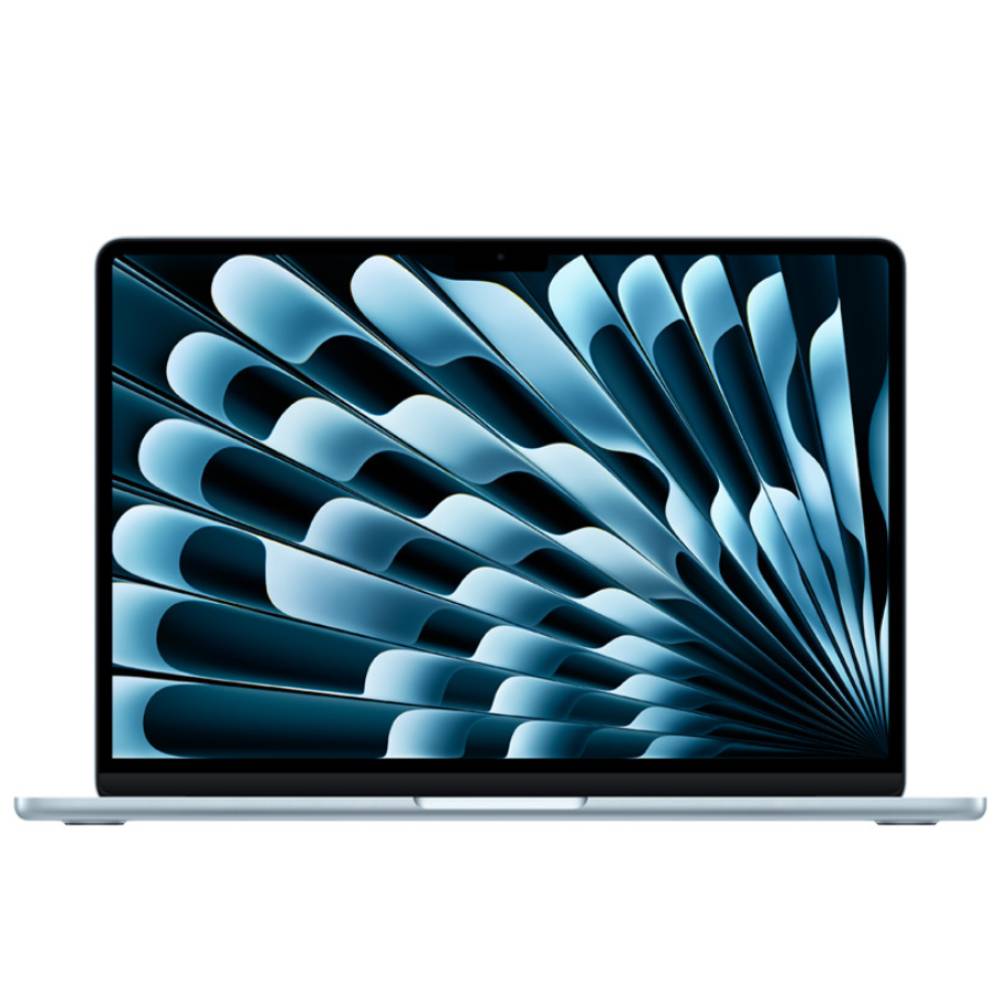
For those prioritizing value without sacrificing longevity, the 13-inch MacBook Air (M4) remains a staple. Achieving 15 hours and 30 minutes, it effectively serves as the benchmark for the sub-$1,000 segment. Apple’s decision to drop the starting price of this model by $100 compared to previous generations has created a new standard for accessibility in the high-end thin-and-light market.
The Gaming Laptop Paradox
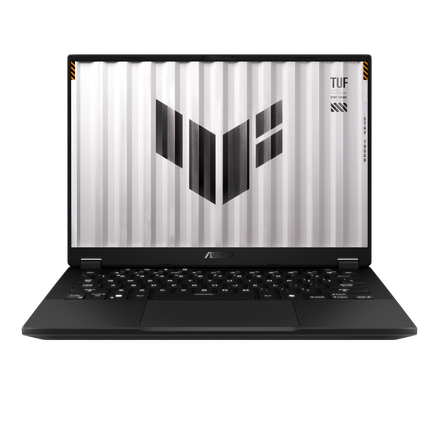
Gaming laptops have historically been the "black sheep" of battery testing, often struggling to reach the five-hour mark due to the massive power draws of dedicated GPUs and high-refresh-rate displays. However, the Asus TUF Gaming A14 has defied this trend. By balancing the power-efficient AMD Ryzen 7 8845HS processor with an Nvidia GeForce RTX 4060, the unit sustained 10 hours and 4 minutes of battery life.
While this may seem modest compared to business ultraportables, it is a monumental achievement for the gaming category. It suggests that manufacturers are finally implementing sophisticated hybrid-graphics switching technologies that allow a machine to be a high-performance gaming rig one moment and a reliable, all-day battery workhorse the next.
Technical Analysis and Benchmark Data
The disparity between these machines is best illustrated by looking at the interplay between performance scores and thermal output. The MacBook Pro 16-inch M4 Pro, for instance, leads the pack in Geekbench 6 multi-core performance with a score of 22,822. Despite this extreme computational power, it remains remarkably cool, peaking at only 90.5 degrees Fahrenheit under load. In contrast, gaming-focused machines like the Asus TUF Gaming A14, while efficient, generate more heat (up to 116 degrees Fahrenheit) as they prioritize frame rates and throughput over thermal throttling.
Note: Data reflects internal testing under controlled conditions. Real-world results will vary based on user settings, background processes, and specific software loads.
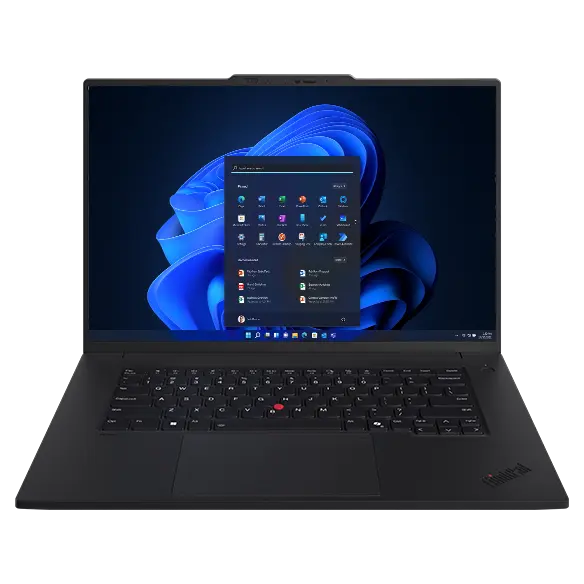
| Laptop Model | Battery Life (HH.MM) | Geekbench 6 Score | Peak Temp (F) |
|---|---|---|---|
| ThinkPad T14s Gen 6 | 21.03 | 14,486 | 107.6 |
| MacBook Pro 16 M4 Pro | 20.46 | 22,822 | 90.5 |
| ThinkPad P1 Gen 7 | 17.23 | 12,974 | 88.0 |
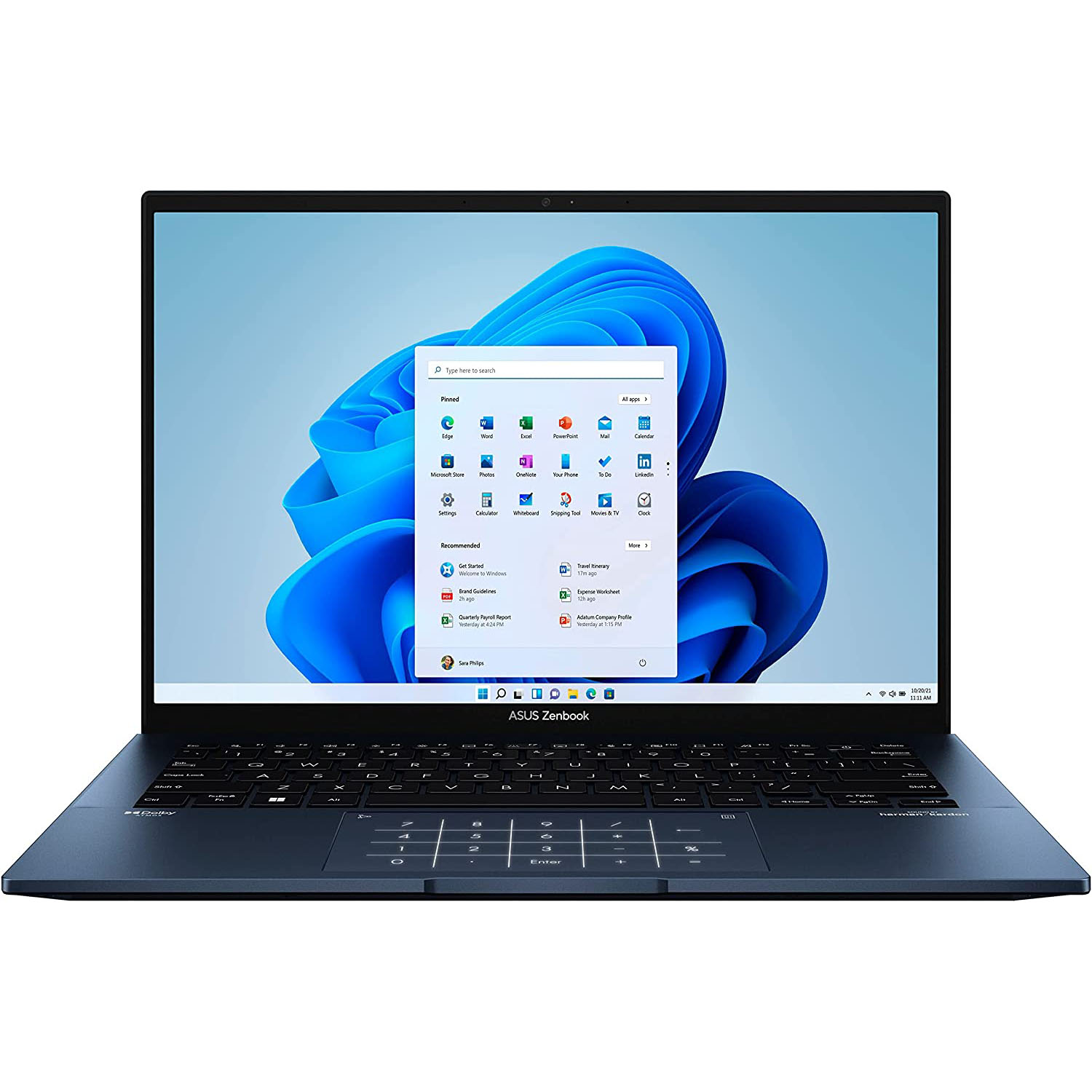
| Asus Zenbook 14 OLED | 15.52 | 12,707 | 107.5 |
| MacBook Air 13 M4 | 15.30 | 14,849 | 85.2 |
| Asus TUF Gaming A14 | 10.04 | 11,330 | 116.0 |
Implications for the Professional Market
The rise of long-endurance laptops has significant implications for enterprise IT departments and freelancers alike. The ability to work through an entire international flight or a full day of off-site meetings without a charging cable is no longer a luxury; it is a productivity necessity.
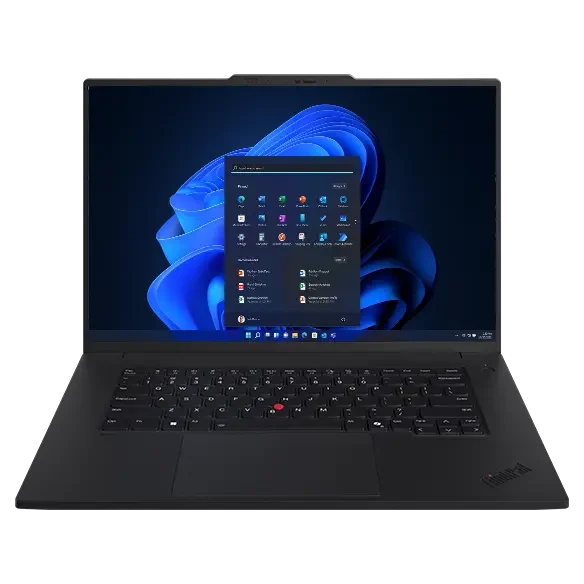
However, there is an inherent trade-off. As seen with the ThinkPad T14s, the pursuit of extreme battery life often results in a display that, while bright, lacks the deep color accuracy (70.7% DCI-P3) required by professional colorists. Conversely, machines with vibrant, color-accurate displays often suffer from higher power consumption due to the panel technology required to hit those gamut targets.
Best Practices for Battery Longevity
While hardware advancements are the primary driver of these improvements, user behavior remains a critical factor. Battery health is not static; it is a consumable resource that degrades with charge cycles. To extend the lifespan of a modern laptop, experts recommend:
- Managing Charge Levels: Avoid keeping the laptop at 100% charge for extended periods if it is always plugged into a wall. Modern operating systems, including Windows 11 and macOS, now include "Optimized Battery Charging" features that intelligently manage the final stages of the charge.
- Thermal Management: Heat is the primary enemy of lithium-ion batteries. Using a laptop on soft surfaces, like blankets or pillows, restricts airflow and forces the fans to work harder, which in turn draws more power and generates internal heat.
- Brightness Calibration: The display is frequently the largest power consumer in any mobile device. Reducing brightness by even 20% can yield a 15–20% increase in battery life in typical office lighting conditions.
Future Outlook
Looking ahead, the industry is poised to move further toward specialized hardware accelerators. As AI-integrated features become standard in OS environments, the demand on the NPU (Neural Processing Unit) will increase. The next generation of "battery-efficient" laptops will be defined by how well these chips can handle background AI tasks without waking the power-hungry CPU or GPU cores.

As we continue to monitor this sector, it is clear that the standard for a "good" laptop is shifting. In 2025, a machine that requires a charger by lunch is no longer the industry standard—it is a deficiency. Whether for the casual student, the high-powered executive, or the competitive gamer, the market now offers solutions that prioritize the freedom of mobility without compromising on the performance required to stay competitive in an increasingly digital world.