











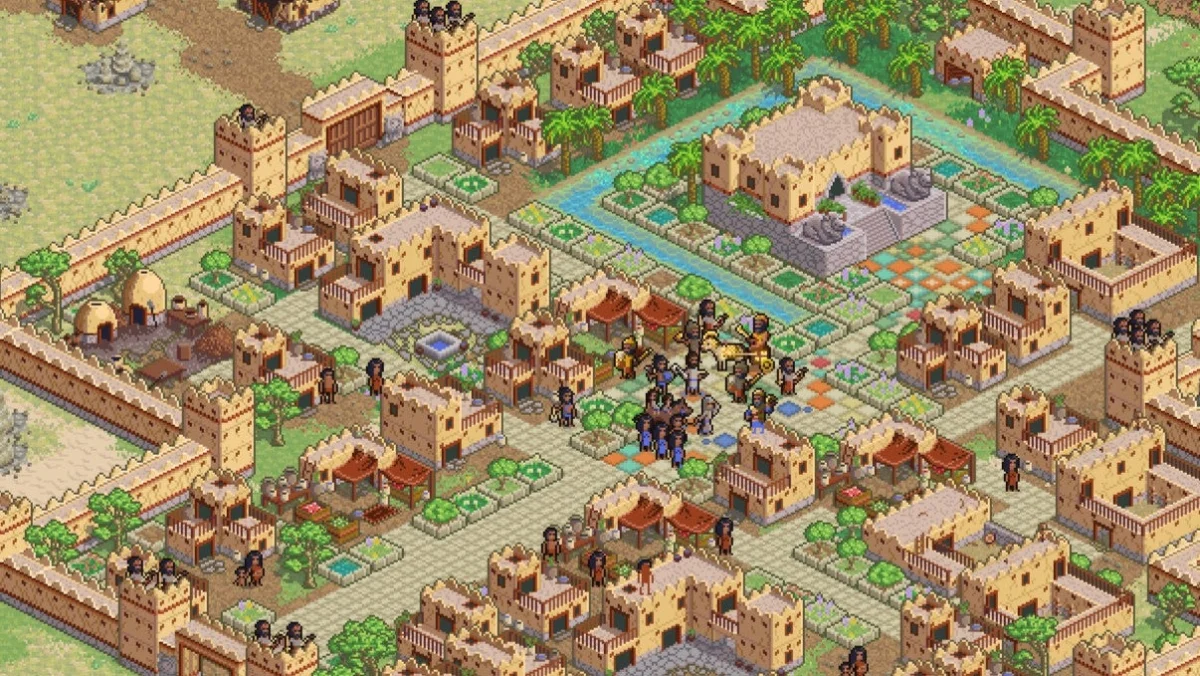
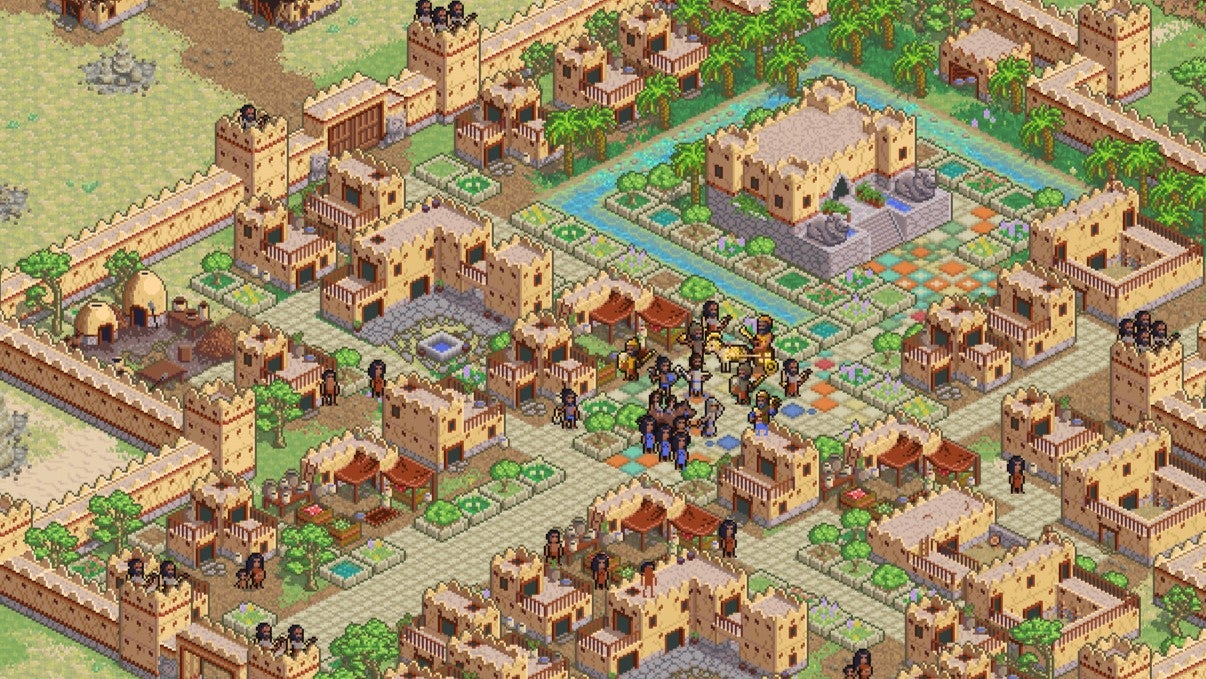
The Fertile Crescent 2: Collapse of the Bronze Age has officially transitioned from early access to its full 1.0 release, marking a significant milestone for developers Wield Interactive and publishers MicroProse. This real-time strategy (RTS) title, which draws heavy mechanical inspiration from classic genre staples like Age of Empires, challenges players to navigate the volatile political and environmental landscape of the Late Bronze Age. With the launch of the 1.0 version, the game now includes the complete single-player campaign, a robust suite of scenario missions, and a professional-grade map editor that mirrors the tools utilized by the development team during the creation of the base game.
The Historical Context: The Late Bronze Age Collapse
The game is set against the backdrop of one of history’s most mysterious and catastrophic periods. Between 1200 BCE and 1150 BCE, the civilizations of the Eastern Mediterranean—including the Hittite Empire, the Mycenaean kingdoms, and the New Kingdom of Egypt—experienced a rapid and violent disintegration. Historians often refer to this period as the Late Bronze Age Collapse.
Central to this collapse is the enigmatic group known as the "Sea Peoples," a loose confederation of seafaring raiders whose origins remain a subject of intense academic debate. While historical records from the era, such as the Medinet Habu inscriptions from Ramses III, depict these groups as a singular invading force, modern archaeology suggests they were likely a multifaceted response to systemic failures. Factors such as prolonged droughts, seismic activity, the disruption of essential tin trade routes, and the resultant famine likely drove these populations to migrate and raid. The Fertile Crescent 2 leverages this historical framework to dictate its core gameplay loop, forcing players to manage the survival of a fugitive community rather than merely focusing on the expansionist tropes common in the RTS genre.
Core Gameplay Mechanics and Economic Strategy
Unlike traditional RTS games where military dominance is the primary metric of success, The Fertile Crescent 2 emphasizes the fragility of civilization. The game’s economic engine is tethered to the availability of food, which acts as the limiting factor for both population growth and military mobilization.
The developers have implemented a design philosophy that prioritizes sustainability over unchecked expansion. In the 1.0 version, players must manage resources with precision, as every military unit recruited and every structure erected exerts pressure on the communal food supply. This creates a high-stakes environment where the risk of famine is a constant threat. As noted in the studio’s design documentation, the game aims to simulate the precarious nature of early state-building, where the transition from a nomadic tribe to an established city-state requires delicate balance.
The inclusion of the map editor in the 1.0 release is a significant addition for the community. By granting players access to the same design tools as the original creators, Wield Interactive is facilitating a long-term ecosystem for custom scenarios, allowing the user base to recreate historical skirmishes or design entirely new logistical challenges.
Launch Content and Multiplayer Integration
The full release arrives with a comprehensive package of content designed to satisfy both campaign-focused players and competitive strategists. The single-player experience spans 17 distinct missions, offering a narrative-driven progression through the various stages of the Bronze Age crisis. Players can command four major historical factions:
- The Assyrians: Known for their resilience and military adaptation.
- The Egyptians: Focused on the stability of the Nile valley and architectural prowess.
- The Babylonians: Emphasizing trade, diplomacy, and urban development.
- The Hittites: Centered on heavy infantry and control of strategic trade routes.
Beyond the campaign, the 1.0 update introduces dedicated multiplayer servers, providing a stable environment for competitive play. The inclusion of bot support ensures that the game remains accessible for players who prefer solo play or wish to practice against AI opponents before testing their skills in a multiplayer setting.
Industry Impact and Strategy Genre Evolution
The release of The Fertile Crescent 2 occurs at a time of resurgence for the RTS genre, which has seen a shift toward more complex, systems-heavy gameplay. By stripping away the "gold rush" mechanics found in many 90s-era titles and replacing them with a focus on resource scarcity and demographic stability, Wield Interactive is contributing to a broader evolution within the genre.
Industry analysts have observed that the success of games like The Fertile Crescent 2 indicates a growing market appetite for "hard" strategy simulations. These titles move away from the arcade-style combat of the early 2000s and toward simulation-based gameplay that reflects historical realities. This trend is further supported by the success of other niche historical titles that focus on the "first turns" of civilization or the management of tribal migration.
Official Response and Development Timeline
The journey to 1.0 was characterized by a transparent development cycle. Following the positive reception of the original prototype, the developers engaged in a prolonged early access period to solicit feedback on balance and the viability of the food-based economy system.
"The development process was centered on the idea that growth should come with risk," a spokesperson for Wield Interactive noted. "We wanted to ensure that when a player makes a decision to expand their army, they feel the weight of that choice. The transition to 1.0 represents the completion of that vision, providing a full historical narrative that reflects the chaotic nature of the period."
The partnership with MicroProse, a publisher synonymous with the golden age of strategy gaming, has provided the necessary logistical support to expand the game’s reach. By providing dedicated servers for multiplayer and refining the skirmish modes, the publisher has signaled a long-term commitment to the title’s lifespan post-launch.
Future Implications for Historical Gaming
The release of The Fertile Crescent 2 serves as a case study in how to approach historical themes with mechanical depth. By centering the game on the "Collapse" rather than the "Ascension," the developers have successfully differentiated the title from the crowded field of empire-building games.
As the game enters the wider market, the focus will likely shift toward post-launch support and community-generated content. Given the inclusion of the official map editor, the longevity of the game will depend heavily on the activity of its player-base. Historical strategy enthusiasts have already begun speculating on the potential for modding, which could further broaden the scope of the game beyond the initial 17 missions.
For now, the 1.0 launch stands as a culmination of years of iterative design, offering a grounded, challenging, and historically conscious experience. Whether through the lens of the Hittite collapse or the struggle of a small community to survive the migration of the Sea Peoples, The Fertile Crescent 2 forces players to confront the limitations of ancient technology and the volatility of early agricultural society. As the game transitions into the hands of the public, it offers a stark reminder that in the ancient world, survival was not merely a matter of strength, but of logistics, resource management, and the ability to adapt to a rapidly crumbling world.