






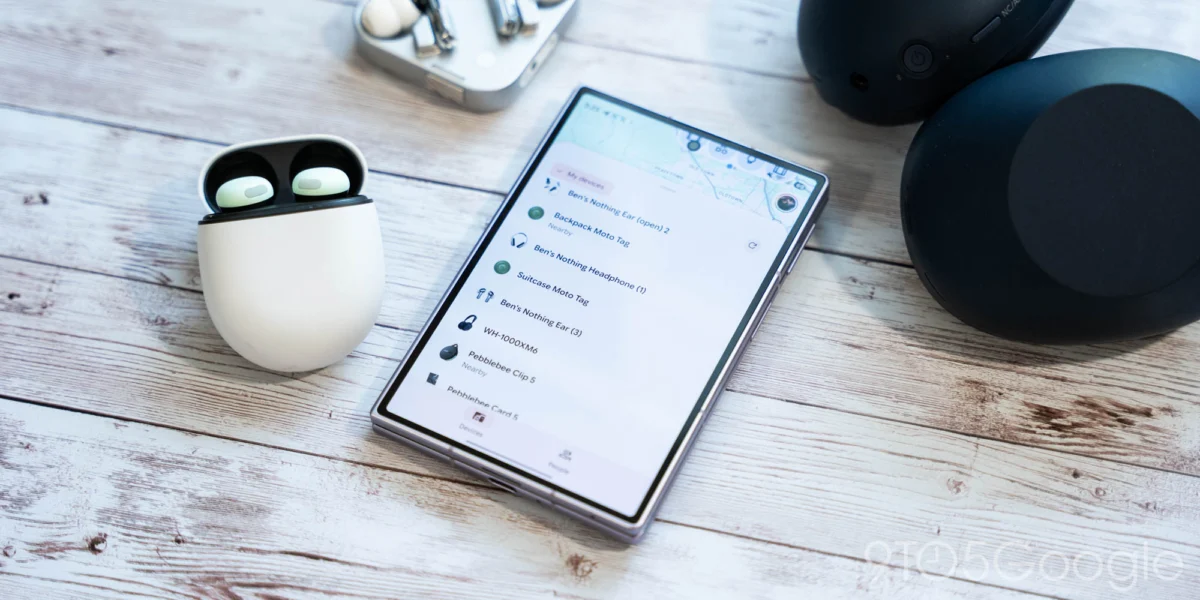
Google has officially begun the rollout of the "Notify when left behind" feature for its Find Hub network, a significant update that brings Android’s item-tracking capabilities in line with industry standards. This long-awaited functionality, first previewed by the company in October, provides users with automated alerts when a tracked item—such as a wallet, set of keys, or luggage—is physically separated from their smartphone. By leveraging the latest version of the Find Hub application (version 3.1.787-06), users in the United States and Europe can now configure their Bluetooth trackers to provide real-time location awareness and proximity warnings.
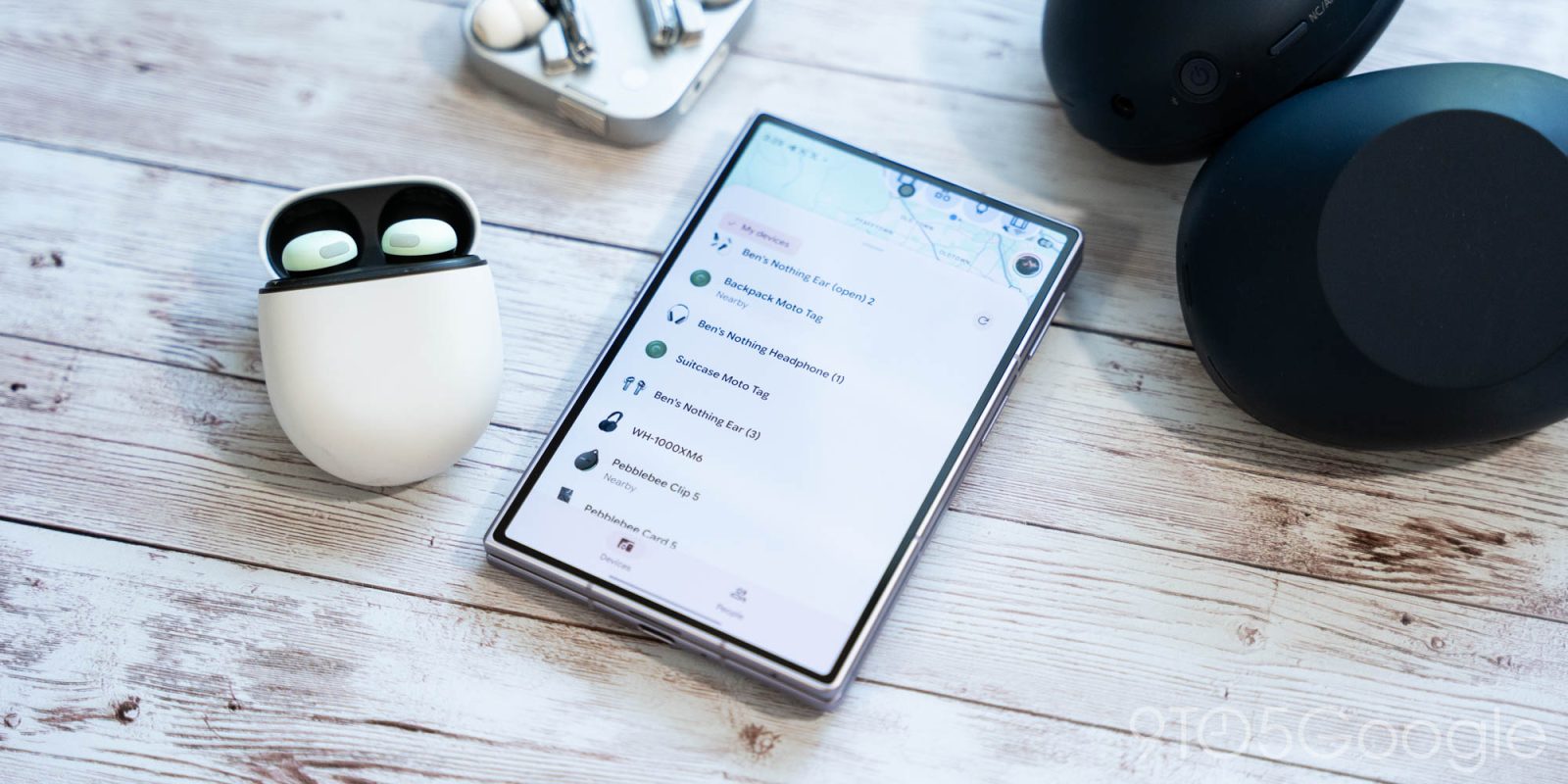
The implementation of this feature addresses a critical gap in the Google ecosystem. While competitors like Apple’s Find My network have offered "Notify When Left Behind" alerts for years, Google’s Find Hub platform has historically focused on broad location finding rather than proactive separation warnings. With this update, users of compatible third-party trackers, including the Moto Tag and various Chipolo devices, can now enable these alerts via the app’s settings menu.
How the New Alert System Functions
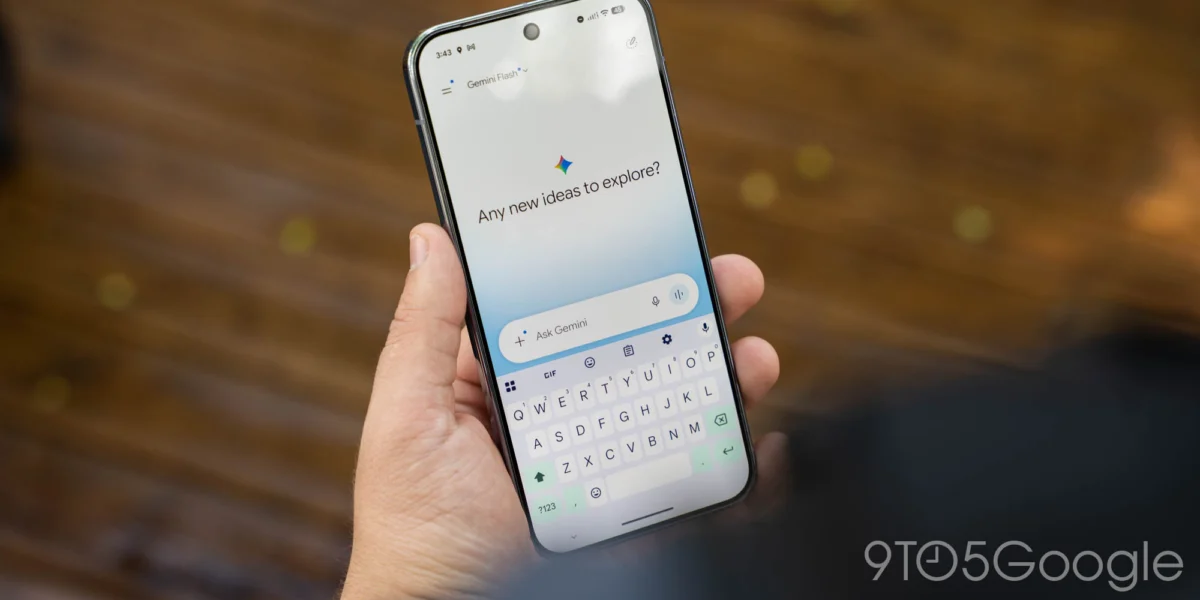
To activate the feature, users must navigate to the Find Hub application, select the specific tracker from their device list, and access the settings gear icon located in the top-right corner of the interface. Within the settings sub-menu, a dedicated "Notify when left behind" toggle is now visible. Once enabled, the application monitors the Bluetooth signal strength between the mobile device and the tag. If the signal breaks or the device moves beyond a certain range, the smartphone triggers a notification, alerting the user to the potential loss of their item.
A key design element of this rollout is the integration with Google Maps data. The system includes an intelligent exclusion zone: by default, the app will not trigger "left behind" alerts if the user is at their saved "Home" address. This prevents unnecessary notifications while the user is inside their residence, ensuring that the feature remains useful rather than intrusive. Currently, this functionality is restricted to dedicated Bluetooth trackers. According to internal reports, the feature does not currently extend to other Bluetooth-enabled peripherals, such as wireless headphones or earbuds, though industry analysts suggest this could change as the Find Hub ecosystem matures.
A Chronology of Find Hub Development
The journey to this feature release represents a multi-year effort by Google to unify and secure its device-finding infrastructure. The timeline of these developments reflects a shift toward a more robust, privacy-centric network.
- Early 2023: Google announces the expansion of the Find My Device network, emphasizing crowdsourced location data from billions of Android devices.
- May 2024: Following delays related to safety and anti-stalking measures, Google officially launches the redesigned Find My Device network, which includes support for offline location tracking.
- October 2026 (Early): Google’s release notes for Google Play services provide the first public confirmation that "Left-Behind Reminders" are in development.
- October 2026 (Late): Initial previews of the UI indicate the proximity-based alert system is nearing a public release.
- November 2026: Version 3.1.787-06 of the Find Hub app hits the Google Play Store, confirming the rollout of the feature for select third-party trackers.
This progression highlights Google’s cautious approach to rollout. The company delayed the full launch of the network for months to work alongside Apple on industry-wide standards for "unwanted tracker detection." By establishing these security protocols first, Google ensured that the Find Hub network would not be used for illicit surveillance, a criticism that has plagued other Bluetooth-tracking platforms.
Strategic Implications and Market Context
The addition of "Notify when left behind" is not merely a feature update; it is a strategic maneuver to improve user retention within the Android ecosystem. Bluetooth trackers have become a staple of the mobile accessories market, with the global market for smart trackers projected to continue its upward trajectory through the end of the decade. By standardizing these alerts, Google makes its platform more attractive to hardware manufacturers like Chipolo, Pebblebee, and Motorola.
From a technical perspective, the implementation relies on the low-energy Bluetooth protocols that form the backbone of the Find Hub network. Unlike GPS trackers, which require cellular data and significant battery power, Bluetooth trackers function by "pinging" nearby Android devices. The "left behind" alert system adds a layer of logic on the handset side: the phone keeps track of the connection state. If the connection to the tag is lost for a sustained period while the phone is in motion, the alert is triggered.
Market analysis suggests that this move creates a "sticky" ecosystem. When a user invests in a specific ecosystem of trackers, they are statistically less likely to switch mobile operating systems. By enabling these features, Google is effectively closing the competitive moat that Apple built with the AirTag and the Find My network.
Future Roadmap: NFC and Beyond
The recent update is part of a broader push to make the Find Hub experience more intuitive. Google has already confirmed that it is working on a new registration flow for devices. This upcoming update will allow users to assign category icons—such as icons for bicycles, luggage, wallets, or keys—to their trackers. This visual categorization is expected to streamline the management of multiple devices within a single user account.
Furthermore, Google has highlighted the upcoming integration of Near Field Communication (NFC) support. This is arguably the most significant technical development on the horizon for the platform. NFC will allow users to tap their phones against a lost tag to view owner contact information or, if the tag is not claimed, reset the device. This provides a "lost-and-found" utility that bridges the gap between digital tracking and physical retrieval.

According to documentation provided in the latest Play Services updates, the NFC feature will also serve as a quick-access tool for owners, allowing them to instantly pull up settings and diagnostic information by simply touching their phone to the tag. This physical interaction capability is expected to reduce the complexity of the initial setup process, which has historically been a point of friction for non-technical users.
Official Stance and User Privacy
While Google has not released a formal press release detailing every technical specification of the current update, the company has consistently maintained that user privacy is the foundational principle of the Find Hub network. The "Notify when left behind" feature operates locally on the user’s device for the most part, minimizing the amount of sensitive location data that needs to be transmitted to Google’s servers.
Privacy advocates have long monitored the evolution of Bluetooth tracking. To mitigate concerns, Google has integrated "Unknown Tracker Alerts" into the Android operating system. This ensures that even as new features like "Notify when left behind" are added, the system simultaneously scans for third-party trackers that might be following the user without their consent. The dual-pronged approach—improving utility for the owner while hardening defenses against misuse—remains the core of Google’s public messaging regarding Find Hub.
Conclusion: The Road Ahead
The integration of "Notify when left behind" alerts marks a coming-of-age moment for Google’s Find Hub. As the network grows in density, the utility of these devices increases proportionally. With billions of Android devices acting as potential "nodes" in the network, the accuracy and reliability of these trackers are set to become increasingly robust.
As we look toward 2027, the focus for the Find Hub team will likely shift toward interoperability. The goal, as stated by industry consortiums, is for any Bluetooth tracker to be compatible with any smartphone, regardless of the brand. While this goal remains a long-term ambition, the current rollout shows that Google is committed to building a feature-rich, reliable, and secure environment that prioritizes the peace of mind of its users. For now, Android users can finally enjoy the same proactive protection for their belongings that has been a staple of modern mobile convenience for years, ensuring that "left behind" no longer necessarily means "lost forever."