







The evolution of the Chromebook has been one of the most significant shifts in the personal computing landscape over the past decade and a half. What began in June 2011 as a radical, cloud-centric experiment designed for simplicity and security has transformed into a robust, high-performance platform capable of competing directly with premium Windows laptops and Apple’s MacBook lineup. As of mid-2025, the market offers a diverse array of hardware, ranging from budget-friendly educational tools to sophisticated machines featuring OLED displays and integrated generative AI capabilities.

The trajectory of ChromeOS mirrors the changing needs of the modern workforce and student body. As users migrate away from localized storage toward cloud-based ecosystems, the hardware requirements for these devices have scaled accordingly. The introduction of the Chromebook Plus initiative in October 2023 served as a pivotal moment, establishing a new hardware standard that mandates superior CPU performance—utilizing Intel’s 13th Generation and Core 100 series processors—and enhanced memory and storage capacities. This shift has not only improved general productivity but has also allowed Google to bake its advanced Gemini AI suite directly into the OS, providing users with sophisticated writing tools, image generation, and intelligent assistance.
A Chronology of Transformation
The journey of the Chromebook began with the release of the Samsung Series 5 and the Acer AC700. At that time, critics dismissed them as "glorified web browsers." For the first several years, their utility was strictly tethered to a stable internet connection. However, a series of strategic updates changed the narrative:
- 2014–2016: The integration of Android app support via the Google Play Store fundamentally expanded the utility of Chromebooks, allowing them to run mobile applications natively.
- 2017–2019: Hardware manufacturers began experimenting with premium build materials, including aluminum chassis and high-resolution touchscreens, targeting the enterprise sector.
- 2020–2022: The global shift to remote work and distance learning during the pandemic catalyzed a massive surge in demand. This era saw the rise of specialized devices, including the first dedicated "Cloud Gaming" Chromebooks.
- 2023–2025: The launch of the Chromebook Plus standard signaled a move toward premium performance benchmarks, ensuring that even mid-tier devices could handle demanding multitasking and AI-driven workflows.
Top Performers: The 2025 Industry Standards
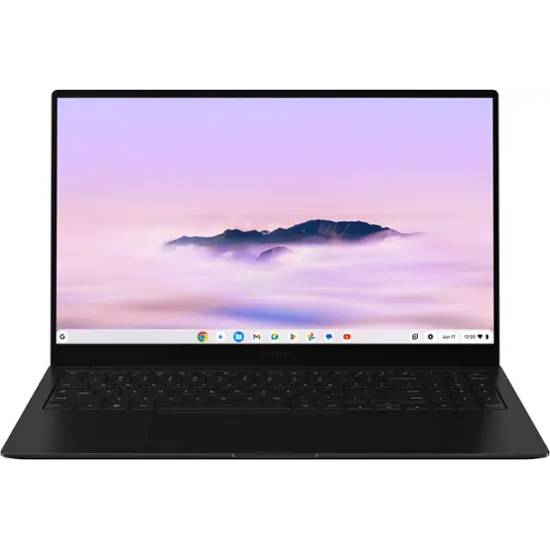
The current market is defined by specific devices that excel in designated categories. The Samsung Galaxy Chromebook Plus currently leads as the best overall choice. With a retail price of $699, it bridges the gap between premium design and accessibility. Its Intel Core 3 100U processor provides the necessary overhead for smooth multitasking, while its 15.6-inch AMOLED display offers color accuracy that rivals professional-grade workstations. A defining feature of this model is its integration of Google’s new "Quick Insert" key, which streamlines access to AI tools, reflecting the company’s current push to make Gemini an omnipresent component of the user experience.
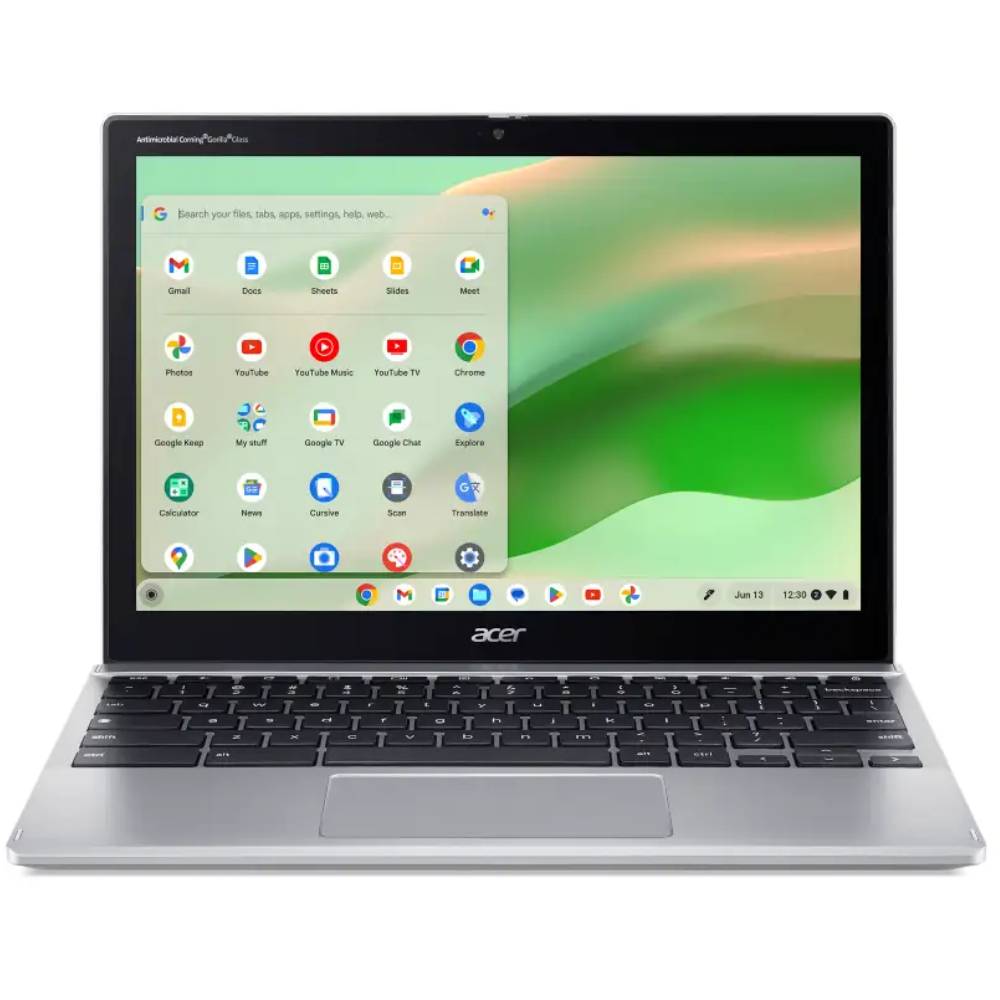
For the student demographic, the Acer Chromebook Spin 312 stands out as the premier option. Priced under $500, it addresses the core requirements of academic life: portability, durability, and battery longevity. While its performance specs are more modest, relying on the Intel Core i3-N305, it succeeds by offering a high-quality trackpad and a 2-in-1 form factor that supports stylus input, making it a viable digital notebook.
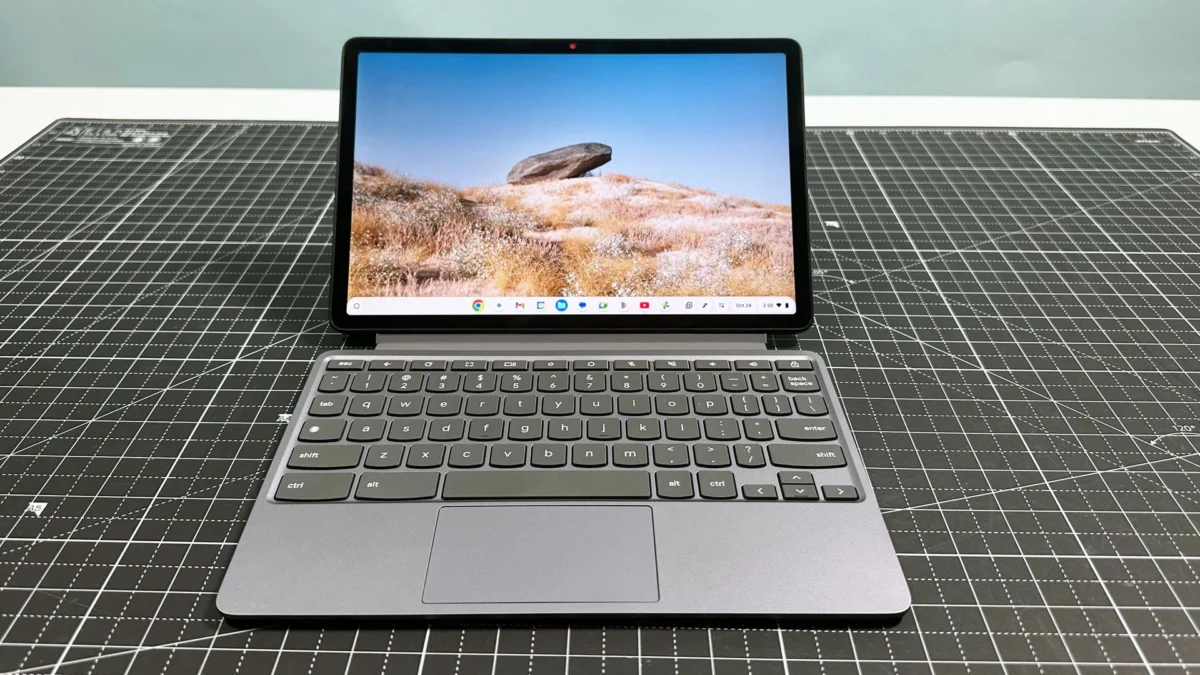
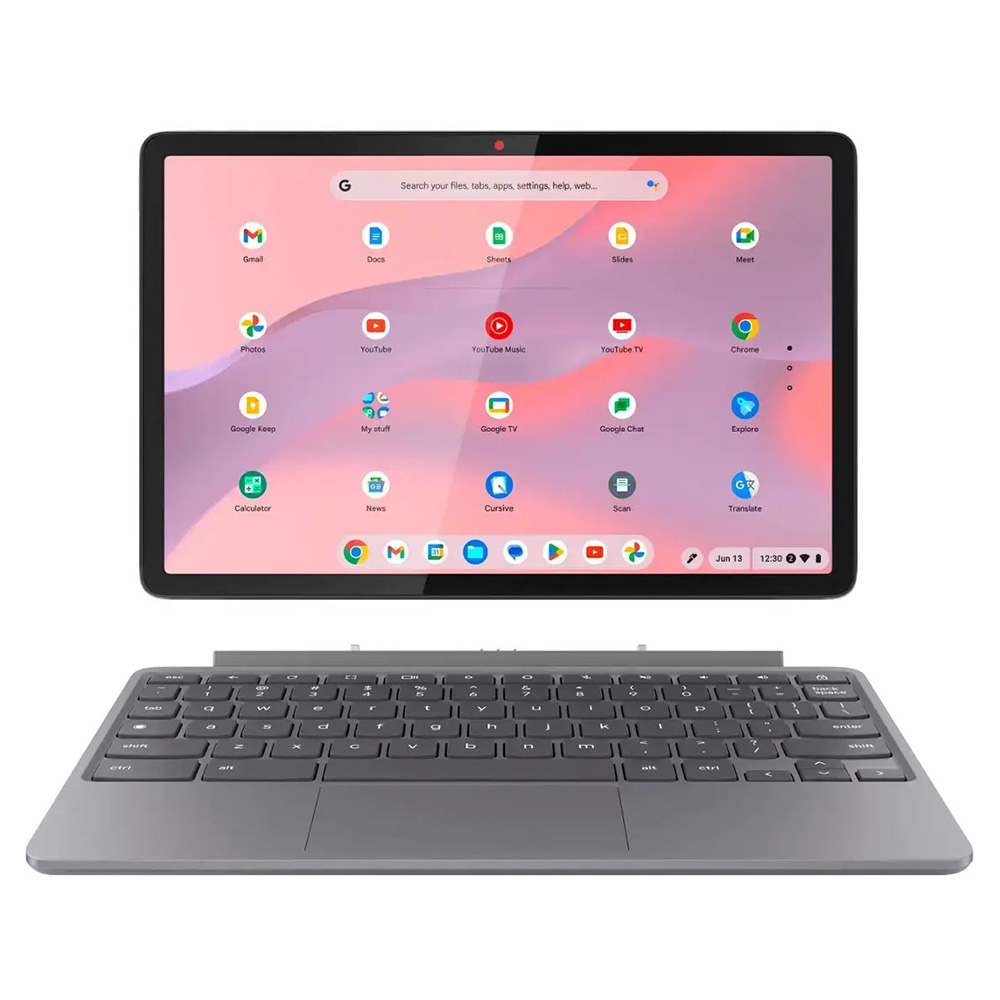
The education sector, particularly for younger children, is served best by the Lenovo Chromebook Duet 11 Gen 9. This device prioritizes portability and versatility, featuring a MediaTek Kompanio 838 processor. Its ability to function as both a tablet and a laptop, combined with an affordable $359 price point, makes it a resilient choice for a classroom environment where physical durability is as important as technical capability.
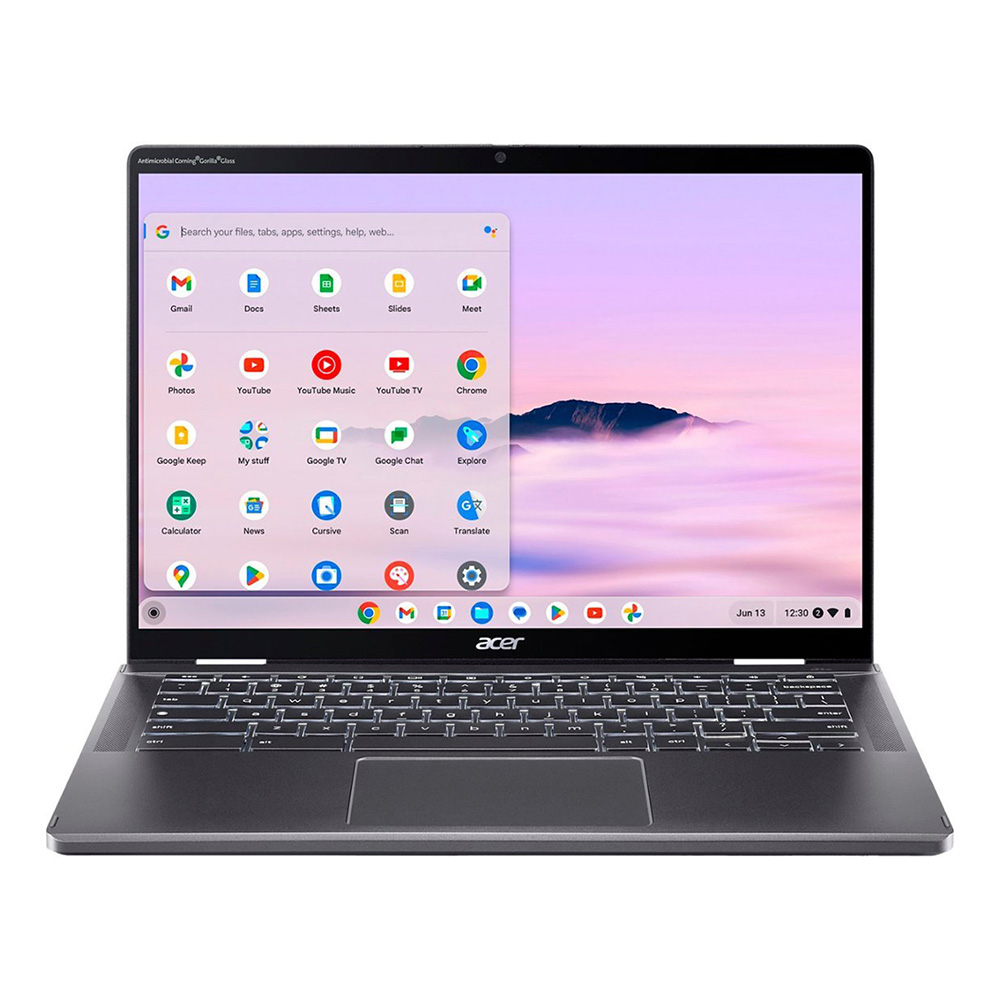
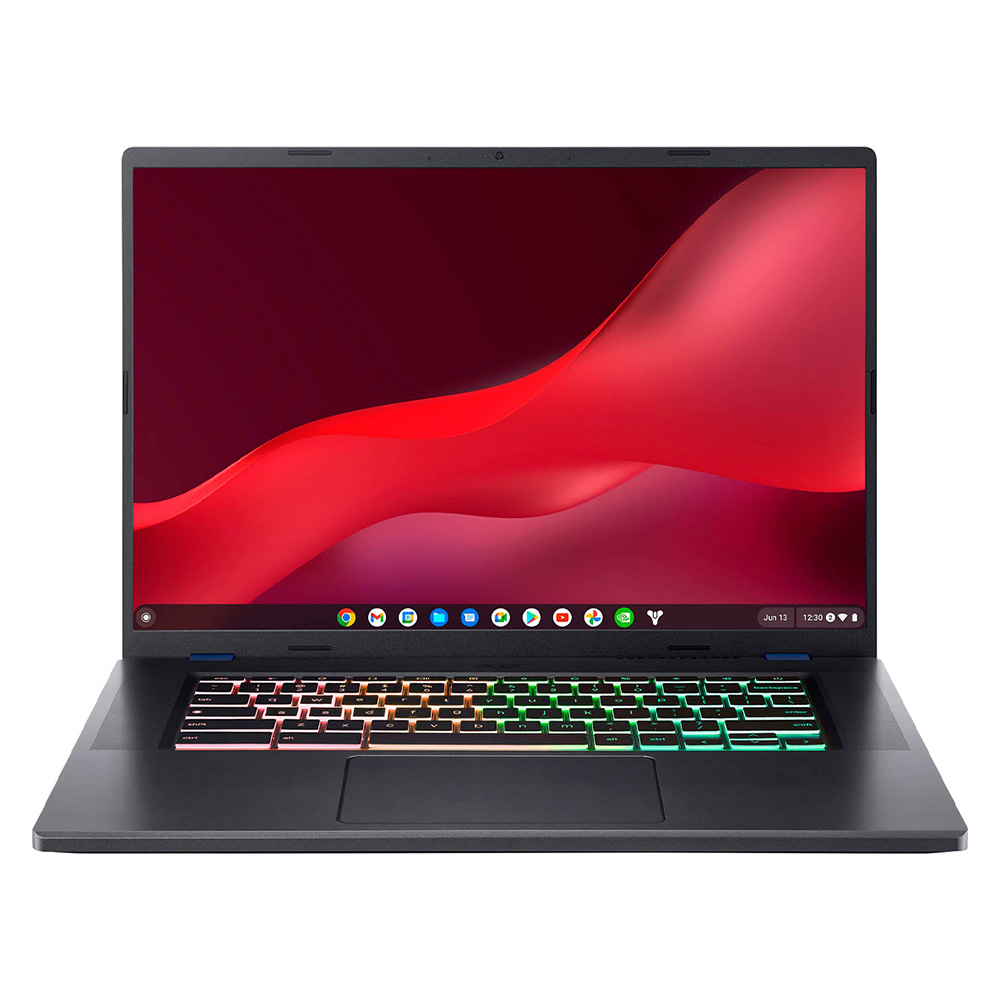
Specialized markets, such as those for power users and gamers, have also seen growth. The Acer Chromebook Plus Spin 714 has garnered attention for its superior keyboard ergonomics, an often-overlooked factor in laptop reviews. Meanwhile, the Acer Chromebook 516 GE remains the industry’s standard-bearer for cloud gaming. By utilizing a 16-inch 120Hz display and high-speed networking capabilities, it is purpose-built for services like Nvidia GeForce Now, proving that ChromeOS can handle high-frame-rate environments effectively.
Supporting Data and Performance Metrics
The performance of these devices is validated through a rigorous testing regimen. Industry benchmarks, such as Geekbench 6 and JetStream 2, illustrate the gap between entry-level processors and the newer, high-efficiency chips found in Plus-certified devices. For instance, the Samsung Galaxy Chromebook Plus achieves a Geekbench 6 score of approximately 6,015, compared to the 2,323 score of the entry-level Lenovo Duet 11.
Display quality has also become a focal point of competition. Modern Chromebooks now frequently exceed 75% coverage of the DCI-P3 color gamut, with premium models like the Galaxy Chromebook Plus reaching 109%. Brightness levels have also seen a steady increase, with average peak brightness figures now consistently falling between 350 and 400 nits, which is sufficient for outdoor and bright office environments.
Battery efficiency remains the cornerstone of the Chromebook value proposition. On standardized web-surfing tests, which involve continuous browsing over Wi-Fi, the top-tier devices consistently surpass the 10-hour mark. This endurance is critical for enterprise and educational use cases where access to power outlets may be limited throughout the day.
Implications and Future Outlook
The rise of the Chromebook Plus platform has significant implications for the broader laptop market. By standardizing performance, Google has effectively raised the floor for what constitutes an "acceptable" laptop. This forces competitors in the Windows and macOS spaces to justify their higher price points through features other than just basic performance—such as advanced GPU capability, professional software suites, or specialized industrial design.
However, challenges remain. The reliance on cloud-based infrastructure means that users in regions with poor connectivity are still limited. Additionally, while Android app support has improved, optimization issues persist, as many mobile applications were not originally designed for the larger screens and keyboard-mouse input methods of a traditional laptop. Furthermore, the 4GB RAM configuration found in some budget-friendly models is becoming increasingly insufficient for modern, resource-heavy web applications, leading to the industry-wide recommendation of 8GB as the new functional minimum for a satisfactory user experience.
Official Responses and Industry Sentiment
Manufacturers, including Samsung, Acer, and Lenovo, have publicly committed to the Chromebook Plus standard, noting that the initiative has provided a clearer roadmap for product development. Google’s ongoing commitment to security—specifically the integration of hardware-based security keys and the rapid rollout of ChromeOS updates—continues to be a primary driver for institutional adoption. Enterprise IT departments often cite the ease of deployment and the reduction in maintenance overhead as the primary reasons for switching from traditional Windows fleets to managed Chromebook environments.

As we move through 2025, the focus for the Chromebook ecosystem appears to be the seamless integration of artificial intelligence. The objective is to transition the Chromebook from a tool that allows a user to "access the web" to one that "actively assists in creation." Whether through automated document summarization, generative image tools, or real-time language translation, the hardware is being designed to support the next generation of cloud-based software.
Conclusion: Choosing the Right Device
Selecting the appropriate Chromebook requires an assessment of primary use cases. For the average professional, the Samsung Galaxy Chromebook Plus represents the best balance of aesthetic design, power, and future-proof AI integration. Students benefit more from the value-oriented, durable nature of the Acer Chromebook Spin 312, while parents looking for a device for younger children should prioritize the portability and simplicity of the Lenovo Chromebook Duet 11 Gen 9.

The industry has moved beyond the era of the "cheap" laptop. Today, a Chromebook is a sophisticated piece of technology that offers a unique value proposition: a secure, fast, and increasingly intelligent computing experience. As hardware continues to evolve and cloud-based software becomes more complex, the role of the Chromebook as a central pillar of modern personal computing is likely to grow even further, setting a standard for efficiency and accessibility that the rest of the industry is currently racing to match.