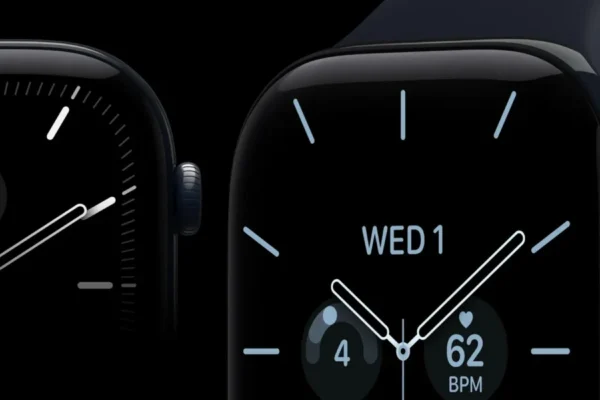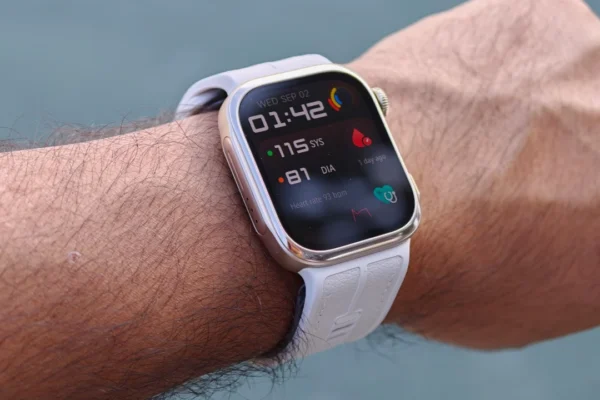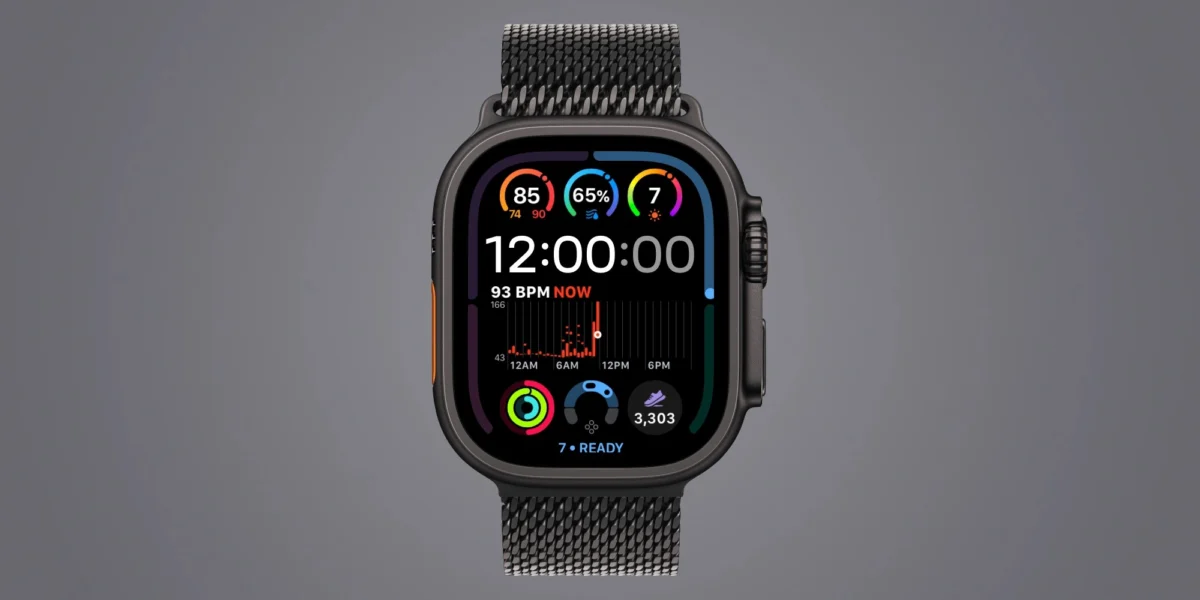











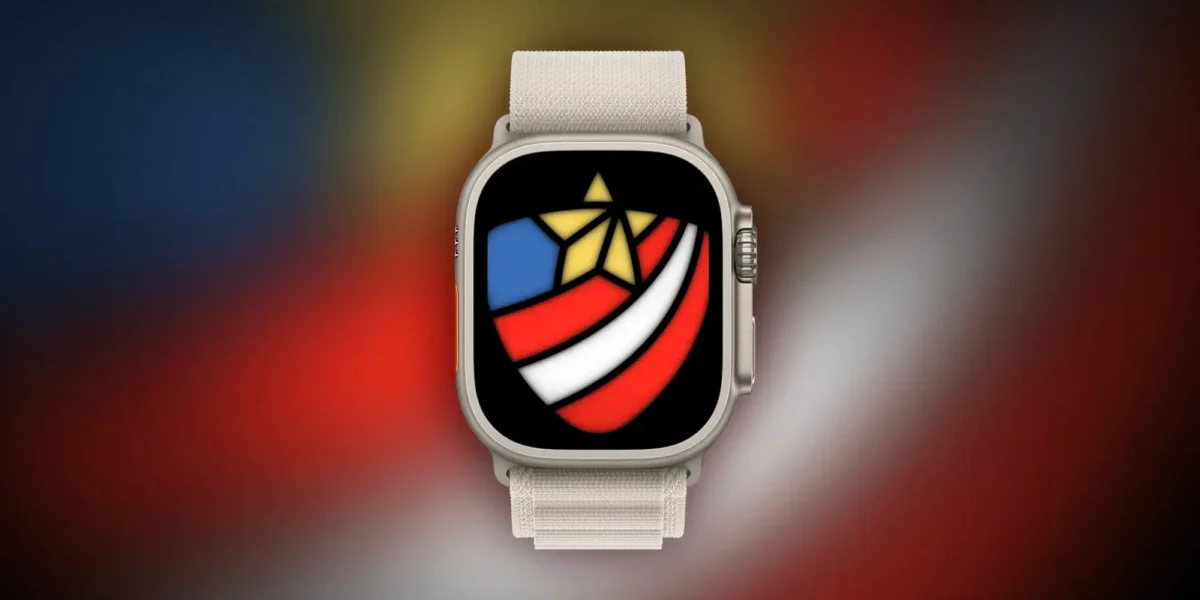
The upcoming Apple Watch Activity Challenge for Veterans Day, scheduled for Wednesday, November 11, 2026, represents the latest installment in a recurring series of fitness-based initiatives orchestrated by Apple. These challenges are designed to encourage users to engage with the health-tracking capabilities of their wearable devices while acknowledging significant calendar events. By maintaining a consistent tradition of honoring military service members through physical activity, Apple seeks to integrate its hardware ecosystem into the daily habits of its global user base.
The Mechanics of the Veterans Day Challenge
Participation in the Veterans Day challenge requires users to complete any workout lasting 11 minutes or more on the day of the holiday. The challenge is platform-agnostic in terms of the specific activity; users may choose from a wide variety of exercise types, ranging from brisk walking and running to yoga, swimming, or high-intensity interval training (HIIT).
To ensure the activity is properly credited, the workout must be recorded using the native Apple Workout application or any third-party fitness application that synchronizes data with the Health app on the user’s iPhone. Upon meeting the criteria, participants receive a digital badge within the Fitness app. These achievements are permanent records of the user’s participation, accompanied by a set of exclusive animated stickers designed for use within iMessage and FaceTime. This gamification strategy serves as both a motivational tool for health conscious users and a symbolic gesture of respect for the veterans whom the holiday commemorates.
Historical Context and the Significance of Veterans Day
Veterans Day, observed annually on November 11, holds deep historical roots in the United States. Originally designated as Armistice Day to mark the cessation of hostilities in World War I, it was rebranded as Veterans Day in 1954 to honor American military personnel who have served in all wars. The choice of 11 minutes for the Apple Watch challenge is a deliberate nod to the "eleventh hour of the eleventh day of the eleventh month" of 1918, when the Armistice was signed.
By tying this specific temporal requirement to the holiday, Apple aligns its corporate software programming with the historical significance of the date. Since the inception of the Apple Watch Activity Challenge program, the company has consistently used these events to foster community engagement. While the primary objective is fitness, the psychological impact of participating in a collective, synchronized health goal creates a sense of shared experience among millions of users worldwide.

The Evolution of Apple Fitness Challenges
The Apple Watch Activity Challenge program has expanded significantly since its introduction. Initially, these events were sporadic and focused on major international health days, such as Earth Day or Heart Month. However, in recent years, the cadence of these challenges has become more predictable. Data from the health and fitness industry suggests that these challenges drive measurable spikes in daily active users for the Fitness app.
A chronological review of past challenges reveals a pattern of increasing sophistication. Early iterations focused on simple calorie-burning goals, whereas more recent challenges have incorporated specific modalities, such as dance, core training, or mindfulness exercises. This shift reflects Apple’s broader strategy to position the Apple Watch not merely as a notification center, but as a comprehensive health management tool capable of monitoring cardiovascular health, blood oxygen saturation, and recovery metrics.
Supporting Data and Health Trends
The integration of fitness challenges into the Apple ecosystem coincides with a growing public interest in wearable health technology. According to recent market analysis, the wearable device market is projected to reach unprecedented valuation levels by 2027. Consumers are increasingly prioritizing data-driven insights into their personal wellness.
The efficacy of these challenges in promoting long-term behavioral change remains a subject of study. Behavioral scientists often cite "goal setting" and "social accountability" as two of the most effective levers for sustaining physical activity. By providing a low barrier to entry—11 minutes of activity is achievable for most fitness levels—Apple ensures that a broad demographic can participate. This inclusivity is essential for the product’s mass-market appeal, as it prevents the challenge from appearing exclusionary to those who are not elite athletes.
Official Perspectives and Corporate Responsibility
While Apple does not typically issue formal press releases for every minor software update or individual activity challenge, the consistency of these events serves as an informal statement of corporate values. By dedicating a specific challenge to military veterans, the company emphasizes its commitment to recognizing social and national milestones.
In the broader context of corporate social responsibility (CSR), companies like Apple often utilize their platform to highlight social issues. Whether it is through Apple Watch Pride bands or specific Activity Challenges, the company utilizes its massive user base to create awareness. The Veterans Day challenge, specifically, serves to keep the holiday at the forefront of the user’s mind, perhaps encouraging further engagement with veteran-related charities or commemorative events beyond the confines of the device.

Broader Implications for the Wearable Industry
The success of Apple’s activity challenges has created a template for the entire wearable technology sector. Competitors such as Garmin, Fitbit, and Samsung have implemented their own versions of "badges" or "trophies" to incentivize movement. This competitive landscape has forced a rapid innovation cycle in fitness tracking, where precision, battery life, and integration with third-party fitness platforms have become the primary metrics of success.
Furthermore, the data generated by these challenges provides valuable, anonymized insights into public health trends. If millions of users choose to engage in an 11-minute walk on a specific holiday, the aggregate data could provide researchers with a snapshot of how public awareness campaigns influence human behavior. While individual user data remains strictly private and encrypted, the macro-level data points demonstrate the power of technology to influence global movement patterns.
Future Outlook and User Engagement
As the Apple Watch approaches its next generation of hardware, the software features, including these challenges, are expected to become more personalized. Future iterations could involve machine learning algorithms that suggest specific types of activities based on the user’s historical performance, ensuring that the 11-minute goal remains challenging yet attainable for individuals with varying levels of mobility.
Furthermore, the integration of these challenges with social features, such as "Competitions" where users can share their progress with friends and family, adds a layer of social pressure that can be highly effective in maintaining activity streaks. For many users, the "close your rings" philosophy has become a daily ritual, and the added incentive of a holiday-themed badge provides a recurring "nudge" to maintain that streak.
Conclusion
The 2026 Veterans Day Activity Challenge is a testament to the intersection of technology, health, and societal recognition. By leveraging the vast reach of the Apple Watch, the company continues to weave its digital services into the fabric of daily life. For users, the challenge is a simple 11-minute commitment; for the industry, it is a masterclass in user retention and behavioral engagement.
As the date approaches in November 2026, users can expect to receive notification through their devices, serving as a reminder to take a moment of pause—and a moment of movement—to honor those who have served. Whether one views it as a fitness milestone or a digital commemoration, the challenge highlights how effectively modern hardware can bridge the gap between individual activity and collective social awareness. The continued success of these initiatives suggests that Apple will likely continue to expand its calendar of events, further cementing the Apple Watch as an essential companion for the modern, health-conscious, and socially engaged consumer.