







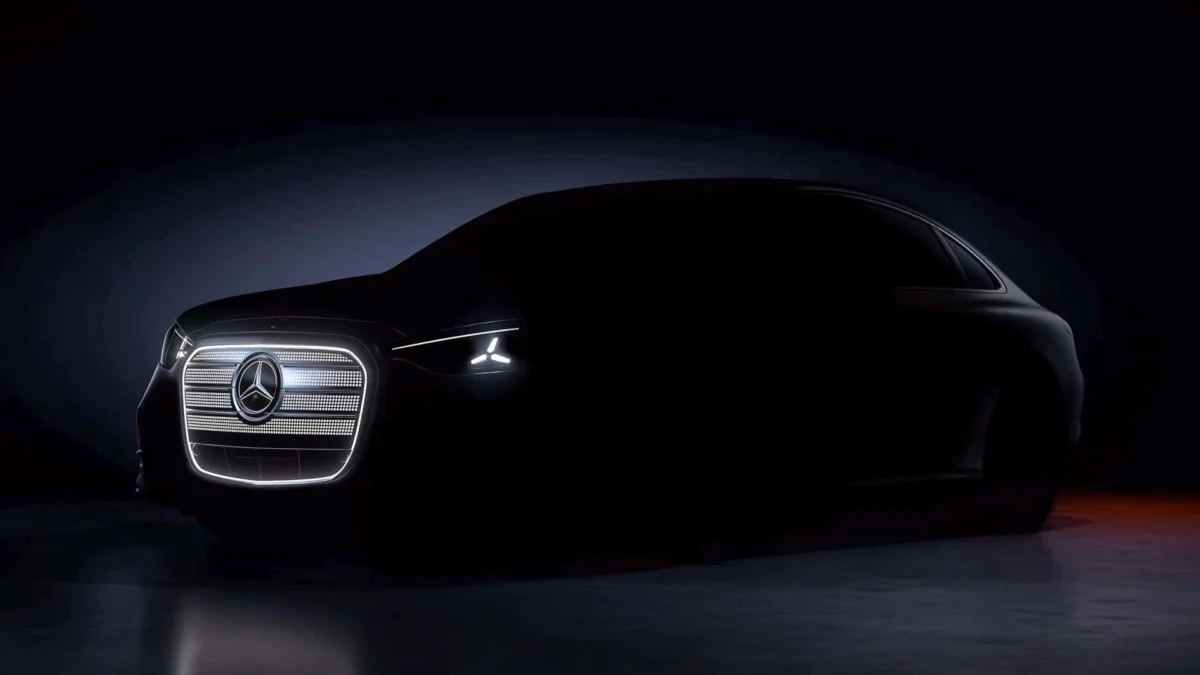
As Mercedes-Benz prepares to commemorate its historic 140th anniversary in 2026, the Stuttgart-based automaker is signaling a period of aggressive industrial growth rather than a celebratory plateau. Far from decelerating, the company has confirmed a comprehensive product roadmap that will introduce at least seven major new models by the end of 2027, with additional variants currently in the pipeline. This strategy serves as a definitive bridge between the brand’s storied engineering heritage and its transition toward a digitally integrated, electrified future.
The upcoming rollout is underpinned by a dual-track strategy. While Mercedes-Benz is heavily investing in the dedicated modular architectures required for its next generation of electric vehicles (EVs), it is simultaneously doubling down on the refinement of its internal combustion engine (ICE) technology. The company has explicitly stated that its signature six- and eight-cylinder engines will remain core components of its portfolio, albeit heavily supported by mild-hybrid and plug-in hybrid systems to meet increasingly stringent global emissions standards.
The Strategic Shift: A Balancing Act of Powertrains
The automotive landscape in 2027 will be defined by the tension between regulatory pressure and consumer demand. Mercedes-Benz’s decision to maintain combustion engines alongside its "Electric First" mandate is a tactical response to market feedback. Data suggests that while luxury buyers are increasingly interested in electrification, a significant portion of the core Mercedes demographic still values the performance characteristics, range, and convenience of traditional powertrains.
By utilizing flexible, multi-energy platforms such as the MMA (Mercedes Modular Architecture) and the upcoming MB.EA-M, the manufacturer is optimizing production costs. This allows for a commonality of parts—ranging from chassis components to interior electronic architecture—across both electric and combustion models. This efficiency is expected to improve profit margins significantly, which have faced pressure due to the high research and development costs associated with full-scale electrification.
Evolution of the Entry-Level Segment: The A-Class Transformation
The Mercedes-Benz A-Class, which for a period appeared destined for discontinuation in the European market, has received a reprieve. Industry insiders confirm that the nameplate will remain in production through 2028, with a significant design departure expected in late 2027.
Reports indicate that the successor to the current iteration will abandon its traditional hatchback silhouette in favor of a design philosophy that harks back to the first and second generations of the A-Class. This "return to roots" involves a more upright, MPV-inspired profile with increased ride height. By incorporating crossover elements, Mercedes aims to maximize interior volume and utility, addressing the market’s continued pivot toward high-riding vehicles. This model will leverage the MMA platform, ensuring compatibility with both fully electric and electrified hybrid powertrains.
The Baby G: Expanding the Off-Road Icon
Perhaps the most anticipated addition to the 2027 lineup is the "Baby G." Since its debut in 1979, the G-Class has occupied a unique space in the automotive world, balancing military-grade durability with high-end luxury. Extending this brand equity into a smaller, more accessible form factor is a calculated move to capture a younger, more urban demographic.
Unlike the full-size G-Class, which relies on a traditional ladder-frame chassis, the Baby G will utilize a modified MMA architecture. This decision is critical; it allows the vehicle to retain the signature "boxy" aesthetic and off-road capability while achieving the weight reduction and interior space efficiency required for modern city driving. Measuring approximately 14.4 feet in length—roughly 12 inches shorter than the standard G-Class—the compact off-roader will feature standard all-wheel drive and a selection of hybrid and electric powertrains. The debut, scheduled for late 2027, marks a pivotal moment for the G-Class sub-brand, which recently celebrated the production of its 500,000th unit.
Performance Reimagined: The AMG C-Class and the V8 Debate
The performance division, Mercedes-AMG, is navigating a period of intense scrutiny following the transition of the C63 model to a four-cylinder plug-in hybrid system. Recognizing the lukewarm reception among purists, AMG is preparing a corrective trajectory. The upcoming C53 AMG is set to reintroduce the six-cylinder configuration, utilizing a 3.0-liter turbocharged inline-six engine capable of producing 449 horsepower and 443 pound-feet of torque. This unit, already proven in the CLE 53, offers a more harmonious balance of sound and power delivery.
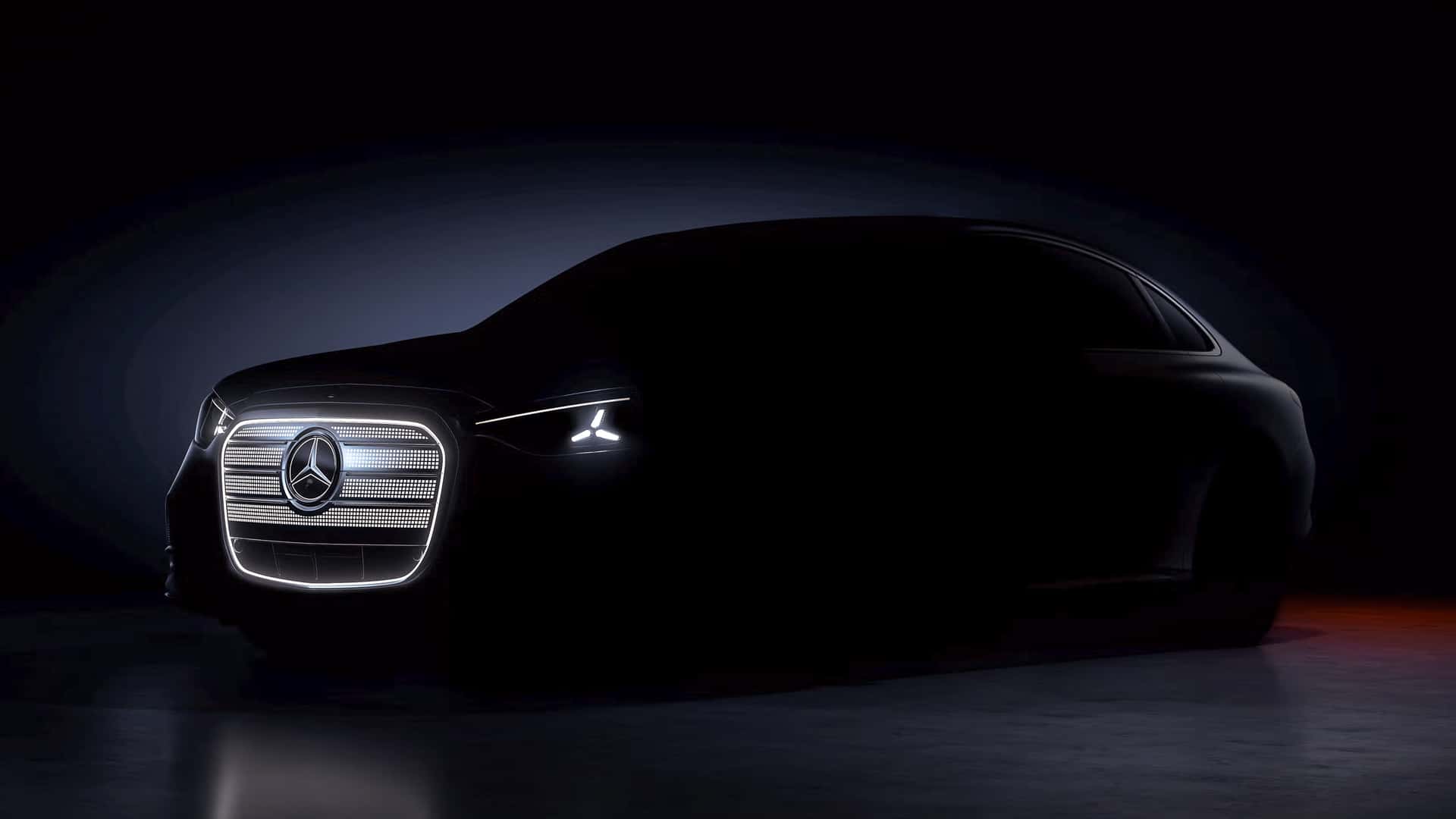
Speculation regarding the return of the V8 in the C63 remains a focal point of industry analysis. Sources suggest that Mercedes-AMG is exploring a dual-variant strategy for its flagship performance sedan: a high-output combustion-engine model and a dedicated high-performance electric variant. Whether the V8 will return as a permanent fixture remains subject to internal engineering feasibility and emission compliance, yet the mere existence of the discussion confirms the brand’s acknowledgment of the emotional value attached to multi-cylinder engines.
The E-Class and the Replacement of the EQE
In the executive sedan segment, the next-generation E-Class will serve as a bellwether for the brand’s electrification strategy. By replacing the EQE with a dedicated electric E-Class variant built on the MB.EA-M architecture, Mercedes is effectively streamlining its nomenclature. This shift signals a move away from the "EQ" branding as a distinct, separate sub-line, preferring instead to integrate electric variants directly into the core model family.
This approach ensures that the E-Class remains a cohesive product line regardless of the powertrain. Customers will choose between ICE and EV variants with nearly identical exterior aesthetics and unified interior digital environments. The flagship "Hyperscreen" technology, which replaces traditional dashboards with a seamless glass-covered display, will be standard in these high-end models, reinforcing the company’s focus on software-defined vehicles.
The G-Class Cabriolet: Niche Luxury
Proving that the brand is not solely focused on volume, the return of the G-Class Cabriolet in 2027 serves as a testament to Mercedes’ commitment to exclusivity. Expected to be produced solely in the AMG 63 trim, this model features a retractable fabric roof on the iconic body-on-frame platform. Equipped with the twin-turbocharged 4.0-liter V8, the Cabriolet is designed to cater to high-net-worth individuals in markets like the Middle East and the United States, where niche, high-performance convertibles remain in high demand.
Technical Integration and Market Implications
The breadth of this 2027 lineup reflects a significant investment in flexible manufacturing. The updated GLA Hybrid, for instance, pairs a 1.5-liter four-cylinder engine with a 22.0-kilowatt electric motor, offering three distinct power outputs (136, 163, and 190 horsepower). This modular approach to power delivery allows Mercedes to adapt its offerings rapidly to regional energy infrastructure and consumer preferences.
The GLC and its Coupe variant will follow suit, offering a comprehensive suite of powertrains:
- Mild-Hybrid Gasoline: 2.0-liter engines ranging from 177 to 258 horsepower.
- Turbodiesel: 2.0-liter engines rated at 163 or 200 horsepower, catering to European fleet demand.
- Plug-in Hybrid: Dual-output configurations (326 or 394 horsepower) utilizing a 19.5-kWh battery, providing an estimated 62 miles of electric-only range.
Future Outlook and Strategic Sustainability
As Mercedes-Benz moves toward 2027, the underlying message is one of technological pragmatism. By investing heavily in its "Electric First" platforms while simultaneously refining its combustion-engine portfolio, the company is mitigating the risks associated with the uneven adoption of electric vehicles across global markets.
The financial implications of this strategy are significant. By sharing platforms and electronic architectures, the company expects to achieve greater economies of scale. Furthermore, the focus on high-margin segments—such as the G-Class expansion and the top-tier AMG models—suggests a strategy aimed at maintaining, if not increasing, the brand’s average selling price.
Industry analysts observe that Mercedes-Benz’s ability to successfully execute this multifaceted product rollout will depend heavily on its software capabilities. The transition to the MB.OS (Mercedes-Benz Operating System) will be the true differentiator in these 2027 models. If the company can successfully integrate its digital ecosystem across both its EV and ICE platforms, it will likely secure a competitive advantage that extends well beyond the hardware specifications of the vehicles themselves.
As the company approaches its 140th year, it remains firmly committed to a vision of "The Best or Nothing." Whether this means the raw power of a V8-powered G-Class Cabriolet or the silent efficiency of an electric E-Class, the 2027 roadmap suggests that Mercedes-Benz is intent on defining the next era of automotive luxury through a combination of engineering excellence and strategic adaptability.