




The global motorcycle industry has spent the better part of the past two decades operating under a singular strategic assumption: that battery-electric motorcycles must achieve absolute parity with internal combustion engine (ICE) motorcycles in terms of price, performance, and sensory experience to compel existing riders to switch. This conventional wisdom, modeled closely after the commercialization playbook of the passenger electric vehicle (EV) market, posited that once electric alternatives became fast enough, affordable enough, and convenient enough, traditional motorcyclists would voluntarily abandon their gasoline-powered machines. However, a growing body of market analysis suggests this conversion-centric approach fundamentally misjudges the psychological attachment consumers have to two-wheeled transportation. Rather than mirroring the automotive sector, the electrification of motorcycles is poised to follow a radically different trajectory—one driven not by the conversion of legacy enthusiasts, but by the generational succession of an entirely new demographic of riders for whom gasoline is an obsolete technology.
The Divergent Psychology of Cars Versus Motorcycles
To understand why traditional conversion strategies have yielded sluggish returns in Western markets, analysts point to the fundamental difference in how consumers view automobiles versus motorcycles. For the vast majority of consumers in North America and Europe, an automobile is primarily a utilitarian tool—a depreciating asset valued for comfort, safety, reliability, and transportational efficiency. While niche automotive subcultures exist, most drivers seek frictionless mobility from point A to point B, making the transition to an electric vehicle a pragmatic choice driven by operational cost savings and environmental considerations.
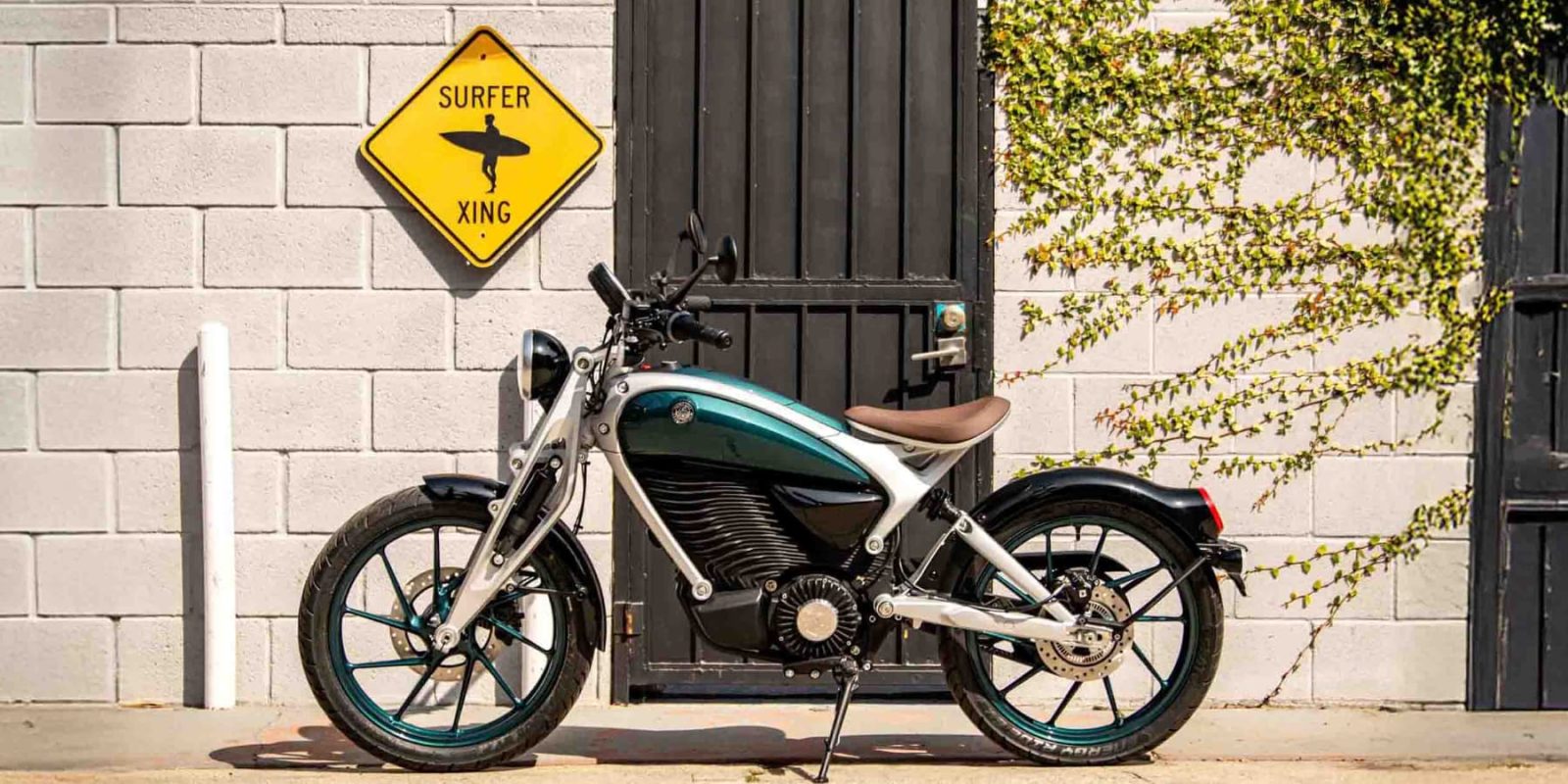
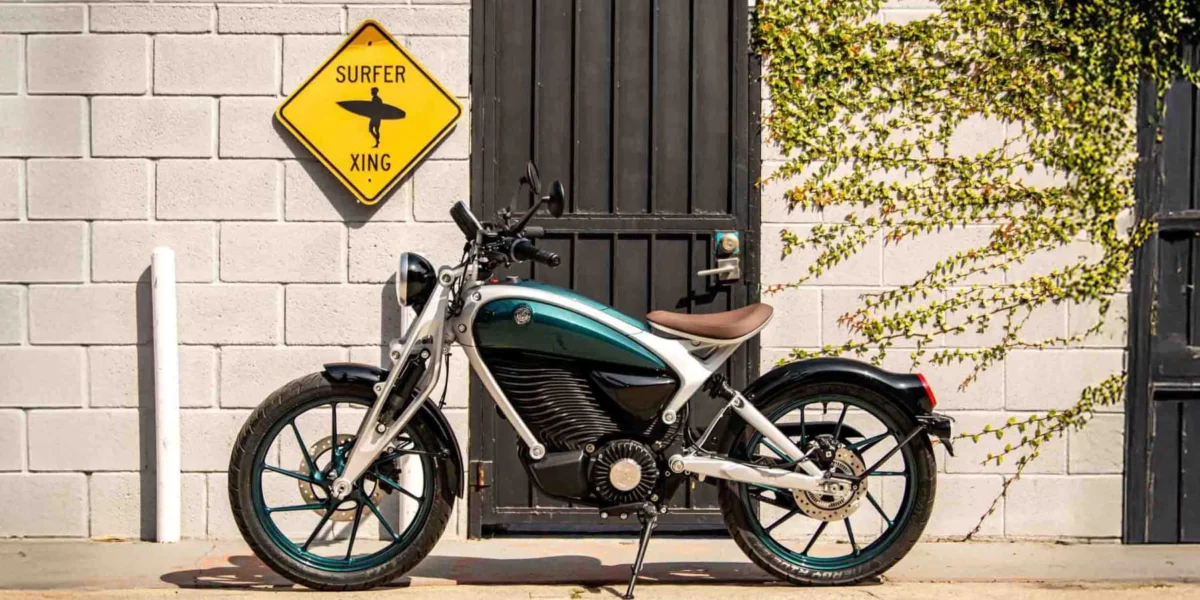
Conversely, motorcycles occupy a fundamentally different psychological space in Western markets. For the average American or European rider, a motorcycle is rarely a primary commuting tool; it is an instrument of recreation, identity, and passion. This enthusiast-driven market places immense value on the visceral, mechanical character of internal combustion engines. The audible roar of an exhaust note, the tactile feedback of engine vibration, the mechanical engagement of a multi-speed manual transmission, and the ritual of clutch operation are not viewed by traditional riders as engineering deficiencies to be resolved. Instead, these sensory traits constitute the core appeal of the riding experience.
Consequently, presenting a veteran motorcyclist with an electric alternative boasting superior torque, lower maintenance costs, and home-charging convenience frequently fails to generate commercial traction. The resistance is not rooted in a rational skepticism regarding technological capability, but in a divergence of values. For the purist, an electric motorcycle lacks the soul of its combustion-engine counterpart.
A Decade of Hard Lessons: The Legacy Manufacturer Dilemma
The realization that legacy riders are difficult to convert has taken years—and significant capital—for major manufacturers to internalize. A decade ago, legacy motorcycle giants largely dismissed the feasibility of electrification, viewing battery technology as incompatible with the demands of high-performance two-wheeled recreation. Harley-Davidson notably broke from this industry-wide consensus, investing heavily in EV development and introducing the Harley-Davidson LiveWire in 2018.

Upon its release, the LiveWire received critical acclaim from automotive and motorcycle journalists alike, praised for its blistering acceleration, sophisticated chassis dynamics, and refined powertrain. Yet, commercial sales faltered. The initial barrier to entry was formidable, with a retail price point hovering near $30,000. More crucially, despite its engineering excellence, the LiveWire could not replicate the visceral sensory feedback demanded by traditional Harley-Davidson loyalists.
The motorcycle eventually transitioned to low-volume production under the LiveWire One banner following the establishment of H-D’s dedicated electric spin-off brand. Over subsequent years, LiveWire recalibrated its commercial strategy, pivoting toward more targeted market segments with product lines such as the S4 Honcho. This evolution among early pioneers underscores a broader industry pivot: legacy manufacturers are beginning to recognize that winning over entrenched internal combustion engine enthusiasts is an uphill battle with diminishing returns.
The Rise of the Native Electric Generation
While legacy brands struggled to convert traditional buyers, a profound demographic shift was quietly taking place across suburban neighborhoods, skateparks, and off-road trails worldwide. Over the past ten years, millions of adolescents and young adults have entered the powered two-wheeler ecosystem exclusively through electric bicycles, high-performance electric scooters, and increasingly sophisticated e-motos such as Sur-Ron and Onyx platforms.

For this rising demographic, electric propulsion is not a novel alternative or a compromise; it is the default standard. These consumers have grown up experiencing the immediate throttle response, silent operation, and maintenance simplicity of electric motors. To a generation accustomed to lithium-ion power delivery, a gasoline-powered motorcycle—with its complex carburetion or fuel injection, fluid maintenance, and manual clutch management—frequently appears archaic and unnecessarily complicated.
As these younger consumers transition into adulthood, their mobility requirements evolve. The sixteen-year-old riding a 28-mph electric bicycle eventually matures into a twenty-six-year-old professional requiring a street-legal commuter capable of maintaining highway speeds of 70 to 80 mph. For this demographic, the natural progression is not a transition backward into internal combustion technology, but a step upward into full-sized electric motorcycles. This upward migration occurs organically. It is driven not by environmental activism or meticulous cost-benefit analyses, but by familiarity and continuity of user experience.
Market Implications: Generational Replacement Over Conversion
Industry analysts projecting the long-term makeup of the motorcycle parc anticipate that the shift toward electrification will be characterized by generational replacement rather than aggressive market conversion.

Current internal combustion engine enthusiasts will likely continue to purchase, maintain, and ride gasoline-powered motorcycles for the duration of their riding lives. However, as this demographic ages out of motorcycling, the market will not be replenished by a fresh wave of young combustion-engine buyers. Instead, gasoline motorcycles will experience a gradual, demand-driven contraction as their core consumer base diminishes.
Concurrently, advancements in battery chemistry—most notably the ongoing research and commercialization of solid-state battery technology—are systematically eliminating the remaining technical hurdles associated with electric motorcycles. While range anxiety and recharge times have historically limited the touring utility of electric bikes, upcoming solid-state architectures promise energy densities and replenishment speeds that will match or exceed traditional petroleum fuels.
When battery-electric motorcycles achieve absolute functional parity with combustion engines, the debate over "soul" or "character" will become largely academic for new market entrants. Just as modern consumers do not evaluate cordless power tools based on whether they feature gasoline engines, the next generation of riders will view internal combustion motorcycles as obsolete relics of a bygone era.
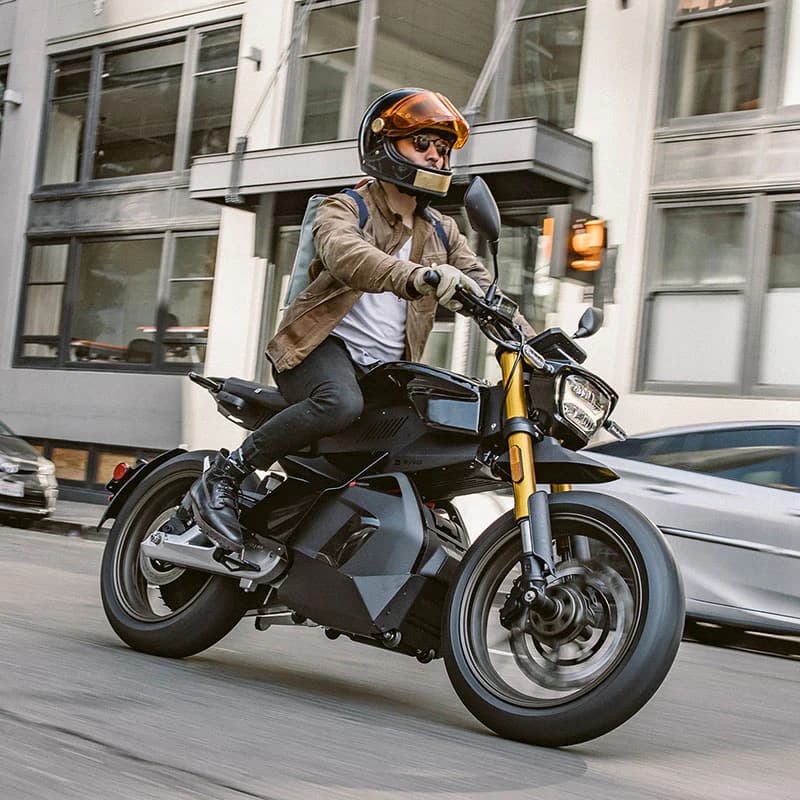
Ultimately, the transformation of the motorcycle market will not be marked by a sudden, industry-wide capitulation of traditional riders. Rather, the transition will occur quietly as a new generation of consumers claims the market, rendering gasoline-powered motorcycles a niche hobby rather than a mainstream standard.