






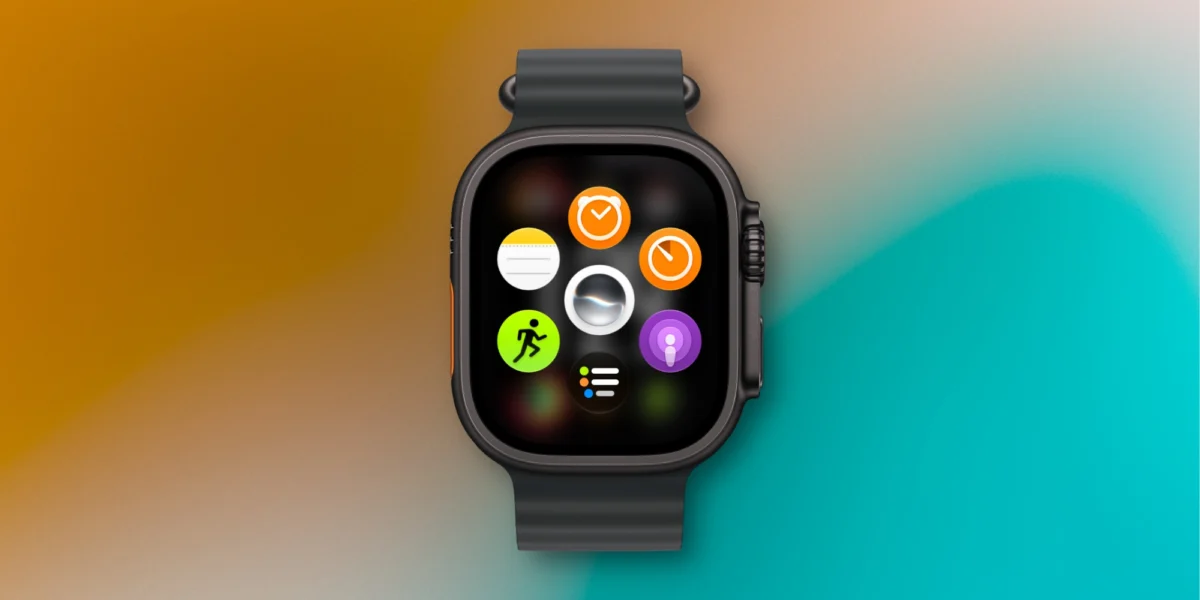
The release of watchOS 27 marks a pivotal moment in the evolution of the Apple Watch, shifting the platform from a mere companion device to a more integrated, intelligent, and proactive hub for personal health and ecosystem management. As Apple continues to refine its wearable software, the latest iteration introduces three fundamental changes to the user interface and functionality: a dedicated AI-powered Siri app, a unified Find My experience, and the introduction of the Readiness metric for high-end models. These updates reflect a broader strategic shift toward cross-device continuity and sophisticated health analytics.
The Evolution of the Apple Watch Ecosystem
Since the inception of the Apple Watch, the platform has seen a steady progression of capabilities, evolving from a notification-centric wearable to a comprehensive health and safety device. The release of watchOS 27 follows a well-established timeline of annual iterations, building upon the foundations laid in watchOS 25 and 26, which focused on widget-based interfaces and improved gesture controls. By the time of the 2026 developer conference, it became clear that Apple’s engineering teams were pivoting toward generative AI integration and internal hardware-software synergy.

The introduction of these three new applications is not merely an aesthetic refresh; it represents a functional consolidation. By streamlining how users interact with their digital lives—whether by tracking a missing device, querying an AI assistant, or measuring physical recovery—Apple is aiming to reduce the friction inherent in small-screen interaction.
Siri: The AI-Driven Conversational Shift
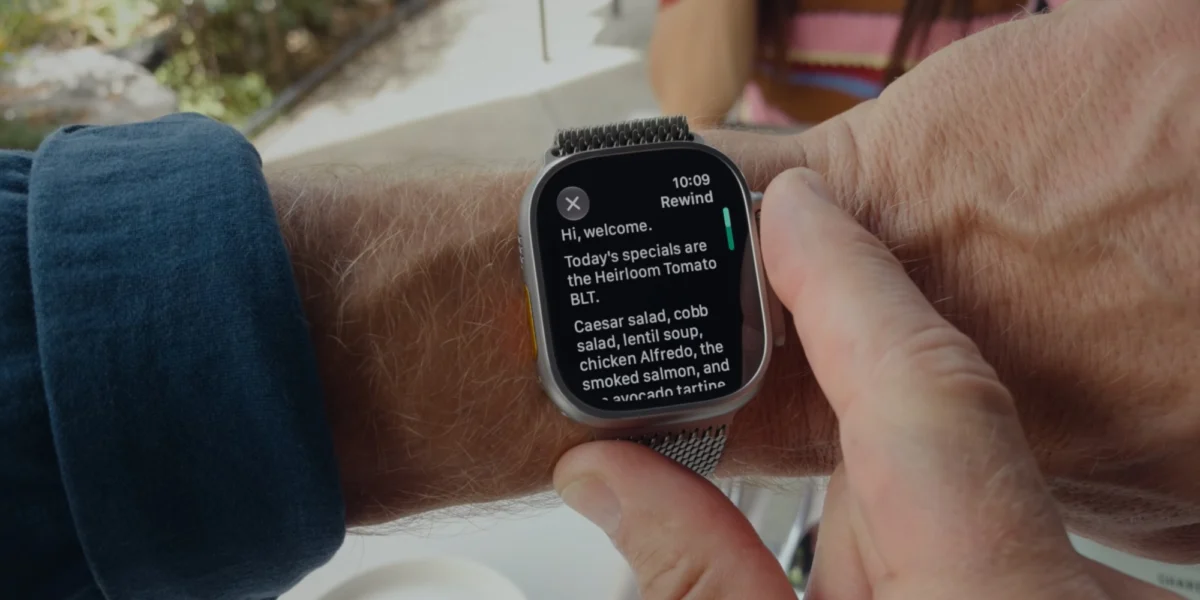
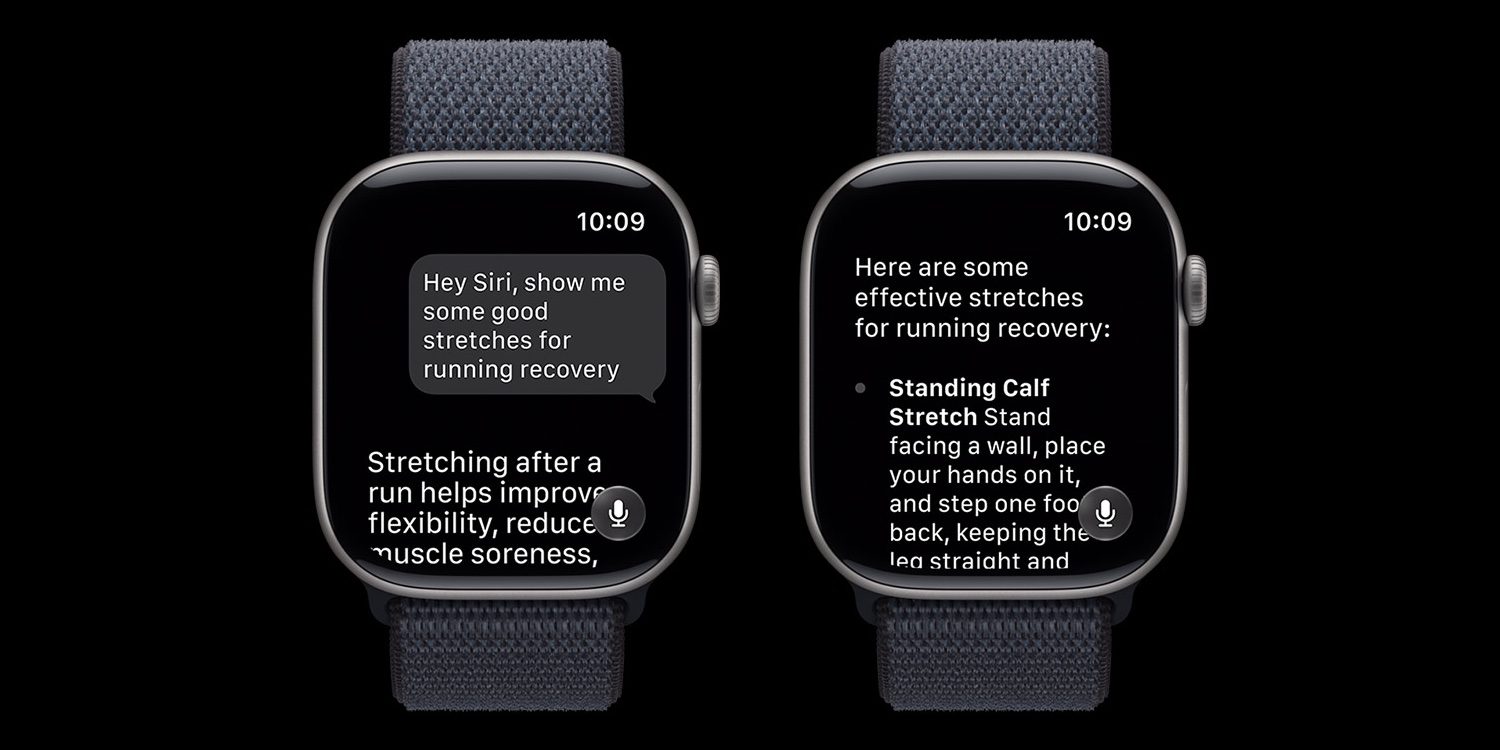
The most significant change in watchOS 27 is the introduction of a standalone Siri application. While users have long been able to invoke the assistant via the Digital Crown or the "Hey Siri" prompt, the new app architecture serves as a persistent, visual log of interactions. This change is directly tied to the broader Apple Intelligence rollout, which has sought to make the virtual assistant more context-aware and conversational.
In previous versions, Siri interactions were transient; once a command was executed, the context was often lost. With the new Siri app, users can browse past conversations across their entire ecosystem. Because the Apple Watch now synchronizes with the iPhone, iPad, and Mac, a query initiated on the Watch can be followed up on a desktop, with the full history of the conversation remaining intact. This continuity is a critical development for professional users who move between devices throughout the day. Industry analysts suggest that this "persistent context" approach is designed to increase user reliance on the assistant, effectively turning the watch into an active participant in personal productivity rather than a passive notification relay.
Unifying Find My: A Streamlined Approach
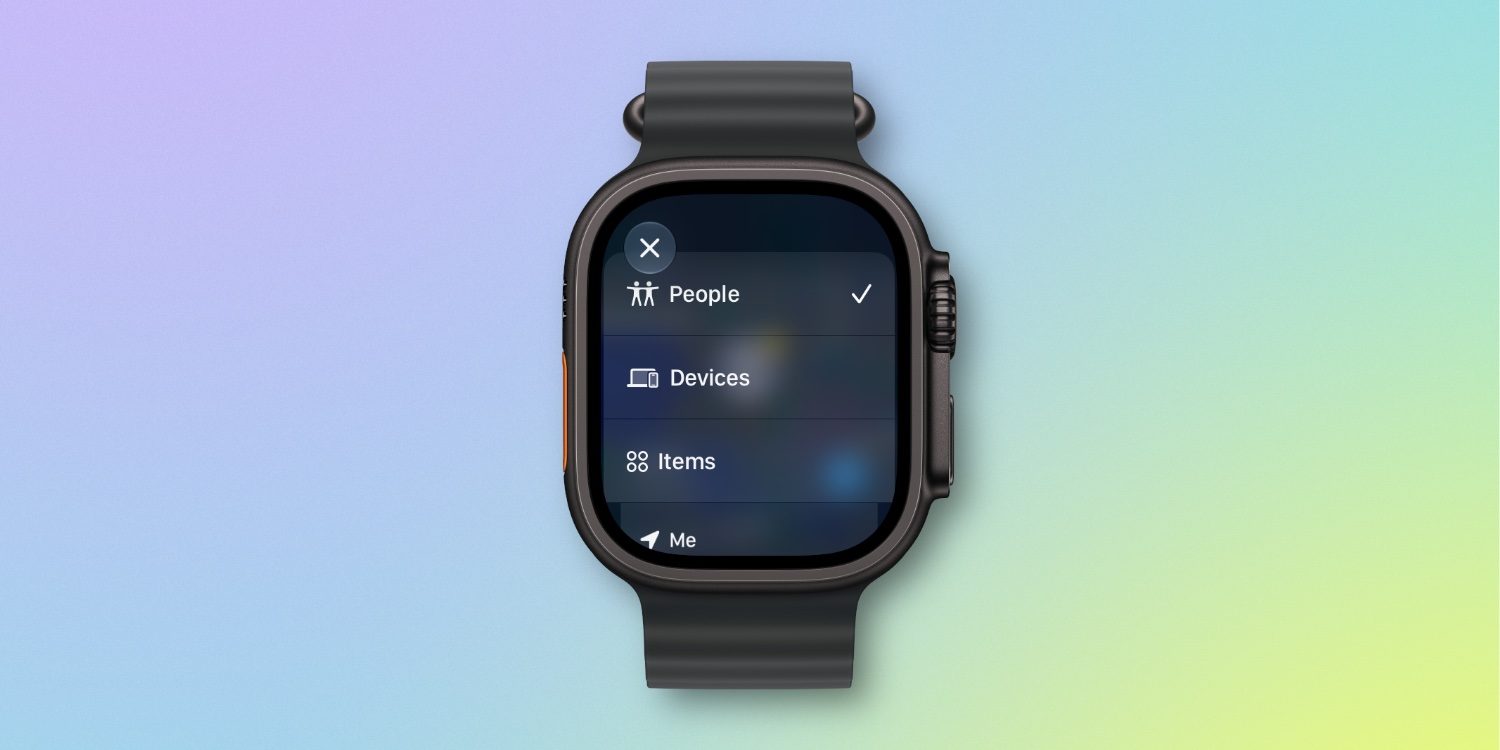
Historically, Apple’s location-tracking suite on watchOS was fragmented. Users were forced to navigate between "Find Devices," "Find Items," and "Find People." While functional, this compartmentalization was often criticized for being cumbersome, particularly during urgent situations where every second counts.
In watchOS 27, Apple has consolidated these into a singular, map-centric "Find My" application. This update aligns the Watch experience with the more robust interfaces found on iOS and iPadOS. By moving to a unified view, the user can toggle between tracking a lost set of keys (via AirTag), a family member sharing their location, or a misplaced Mac or iPhone, all within one interface. The technical implementation utilizes a top-left corner menu, which allows for rapid switching without exiting the primary map view. This design choice is aimed at reducing cognitive load, providing a more intuitive user experience that mirrors the simplicity of Apple’s broader hardware philosophy.
Readiness: The Data-Driven Health Frontier
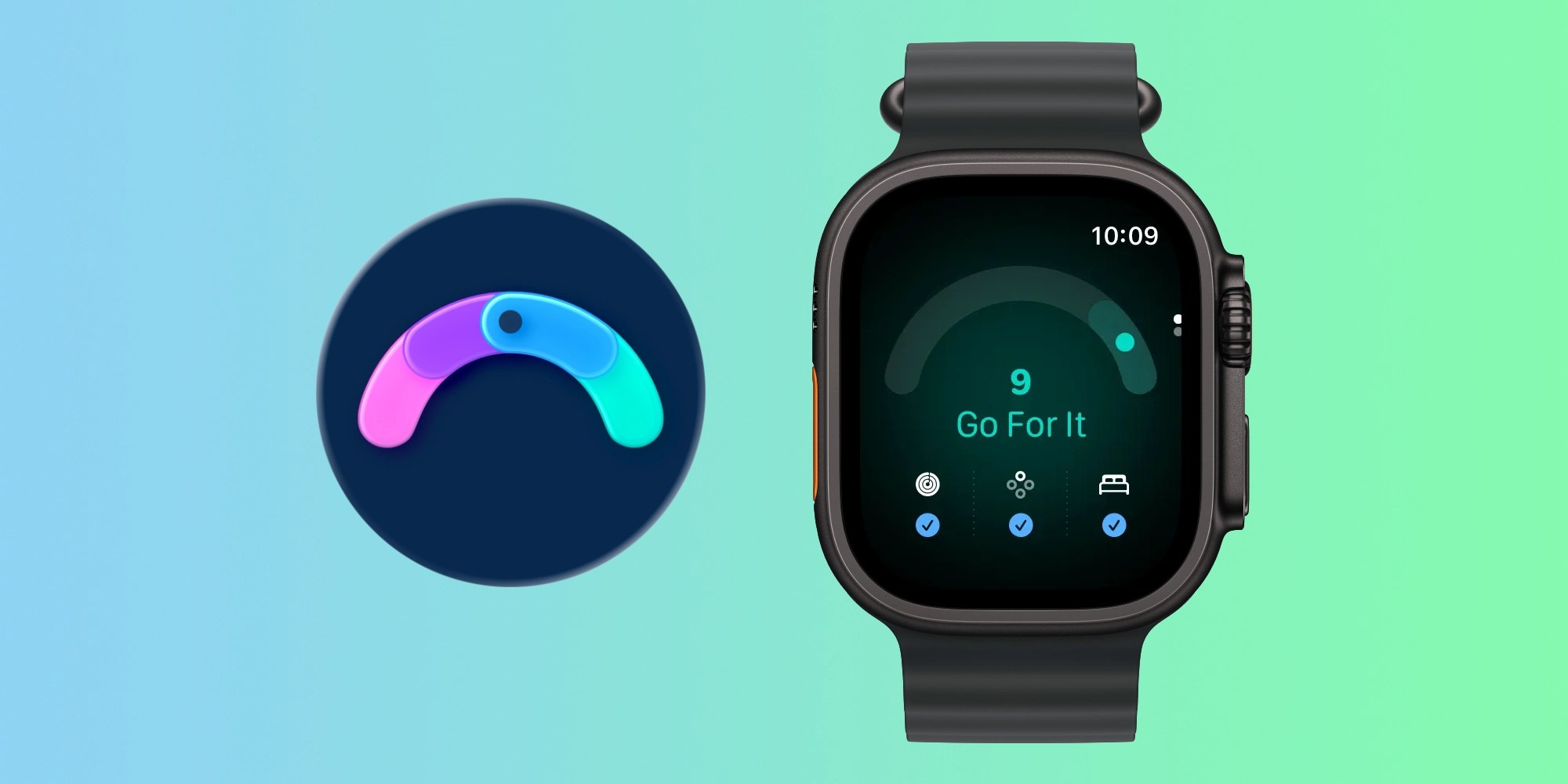
Perhaps the most hardware-dependent feature in the new update is the Readiness app. Available exclusively for the Apple Watch Series 12 and Apple Watch Ultra 4, this application signals Apple’s entry into the competitive market of recovery-focused health metrics.
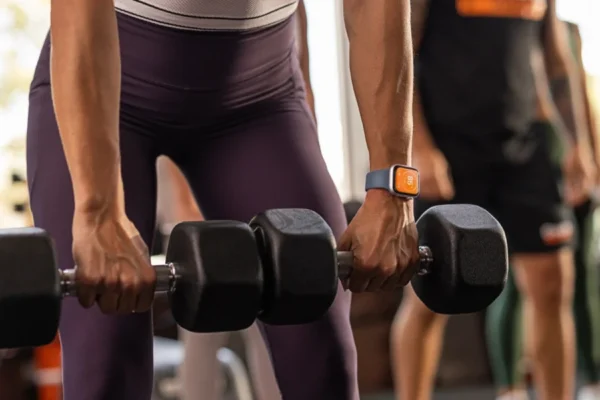
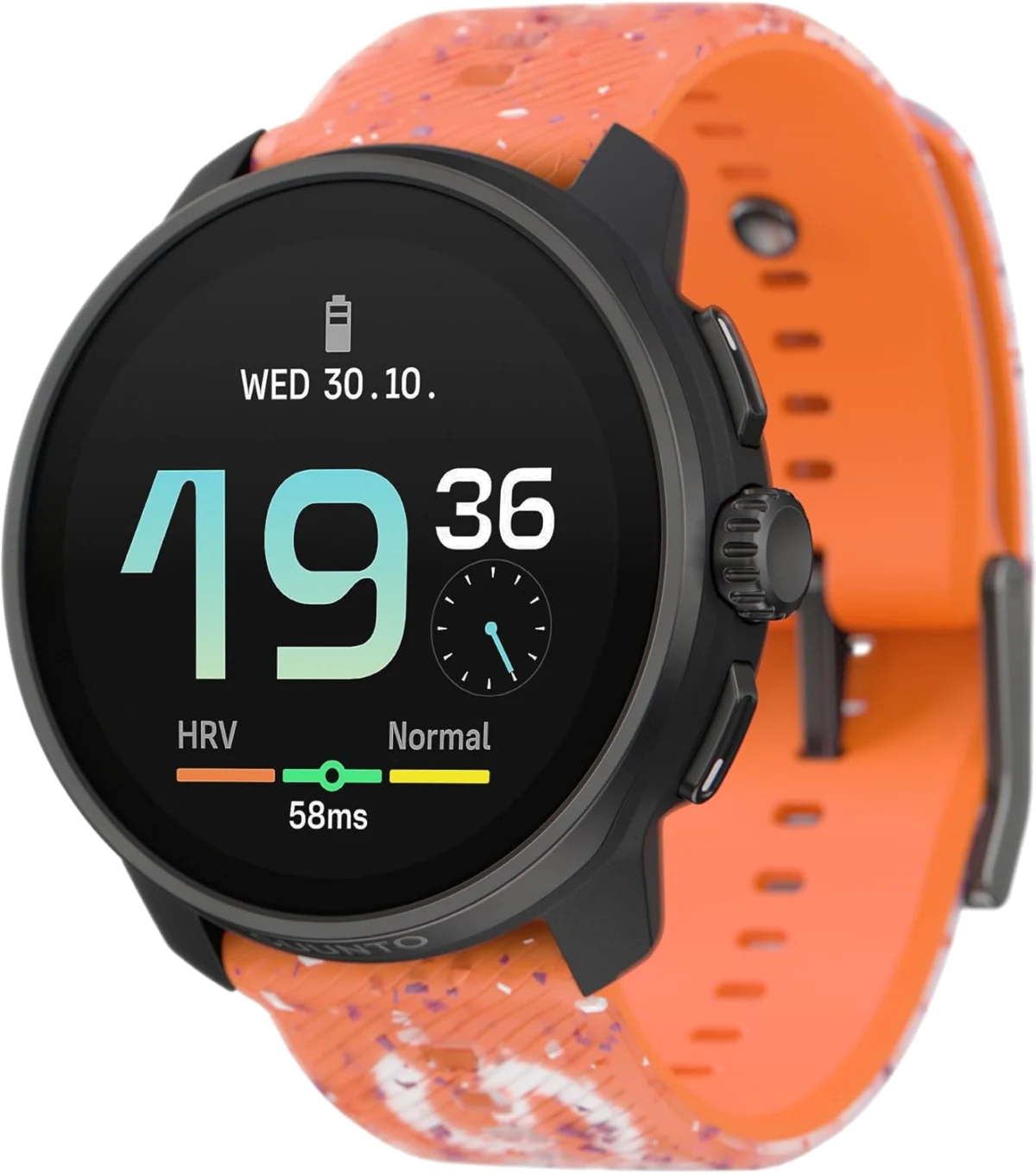
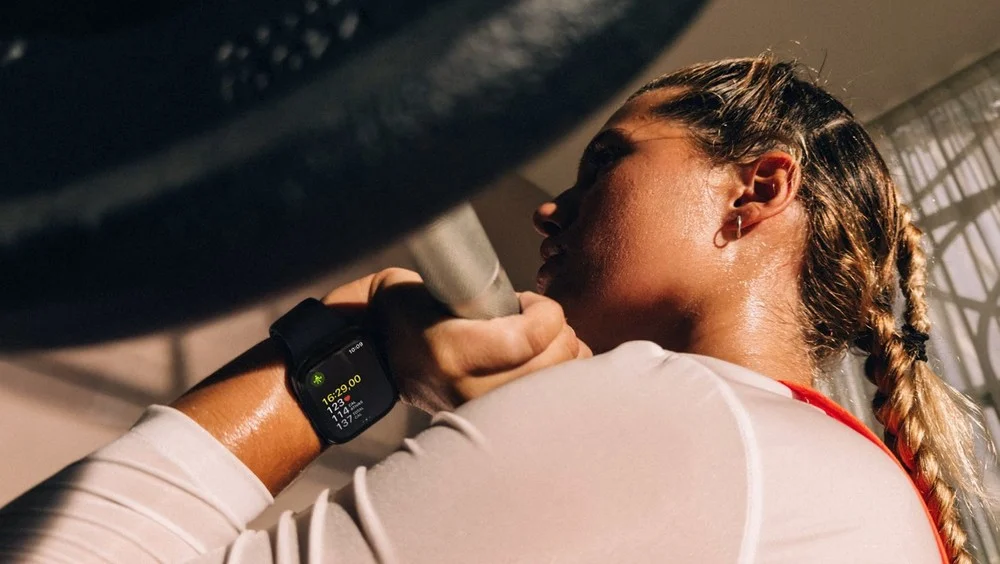
The Readiness score serves as a composite index, aggregating data points such as heart rate variability (HRV), resting heart rate, blood oxygen levels, respiratory rate, and, crucially, sleep quality metrics. By analyzing these indicators, the app provides a singular score that attempts to quantify the user’s physical capacity for the day. For athletes and health-conscious users, this represents a move toward personalized training guidance.
The science behind Readiness is rooted in the concept of autonomic nervous system balance. When the body is overtrained or under-recovered, HRV typically drops, and resting heart rate fluctuates. By distilling these complex physiological data streams into a single, actionable score, the Readiness app allows users to make informed decisions about whether to engage in high-intensity exercise or prioritize active recovery. Early performance reviews suggest that this feature competes directly with dedicated recovery trackers like Oura or Whoop, effectively leveraging the Apple Watch’s advanced sensor array to provide high-level health insights without requiring a third-party subscription.
Broader Implications for the Wearable Market
The introduction of these features in watchOS 27 carries significant weight for the consumer technology sector. First, the move toward a more integrated AI-assistant experience indicates that Apple views wearables as a key touchpoint for its proprietary AI model. As the "intelligence" of the assistant grows, the Watch must be able to handle complex, multi-turn conversations rather than simple, atomic commands.
Second, the consolidation of the Find My app reflects a commitment to ecosystem "stickiness." By ensuring that every Apple device is deeply interconnected and easily trackable, Apple increases the value proposition for users who own multiple products within the brand’s ecosystem.
Finally, the Readiness feature highlights the widening gap between entry-level and flagship wearable hardware. By gating advanced health analytics behind the newest processor and sensor configurations, Apple is creating a clear incentive for users to upgrade their hardware. This strategy not only drives revenue but also ensures that the most advanced software features are running on hardware capable of handling the associated computational load without compromising battery life.
Analysis of User Experience and Accessibility
From a design perspective, the watchOS 27 update emphasizes "glanceability." As the screen real estate on a watch is inherently limited, the shift toward a map-centric Find My app and a structured, history-focused Siri app demonstrates a maturation in Apple’s UI/UX strategy. The company has moved away from the complex "bubble" app grid that characterized early watchOS versions, opting instead for information-dense layouts that prioritize utility.

Industry reaction has been generally positive, with experts noting that the Readiness app, in particular, fills a long-standing gap in Apple’s health suite. While some users may be disappointed by the hardware restrictions, the move is seen as a necessary step in maintaining the performance standards of the operating system.
Looking Ahead
As Apple continues to develop watchOS, the trajectory suggests further integration of machine learning into the health and safety sectors. With the advent of watchOS 27, the line between the Apple Watch and the iPhone has blurred significantly. The watch is no longer a peripheral device; it is a primary, stand-alone tool for communication, location services, and physiological monitoring.
For the average user, the impact of watchOS 27 will be felt in the daily routine: a more helpful, conversational assistant that follows you from your desk to your commute; a more reliable way to locate your belongings; and a more nuanced understanding of your body’s daily needs. As these features become standard, the expectations for what a wearable can and should do will undoubtedly shift, pushing competitors to accelerate their own development cycles to keep pace with Apple’s integrated vision of the future of personal computing.