








The rapidly evolving landscape of sustainable transportation and clean energy takes center stage this week as industry leaders navigate financial hurdles, strategic partnerships, and groundbreaking technological integrations. On the latest episode of the Electrek Podcast, hosted by Editor-in-Chief Fred Lambert, the panel dives deep into the most critical developments shaping the electric vehicle (EV) market and autonomous mobility sector. From Rivian’s latest financial disclosures and Waymo’s strategic alignment with Toyota, to Ford’s aggressive bet on vehicle-to-home (V2H) bidirectional charging for the Fathom electric pickup truck, the automotive industry continues to undergo a massive, high-stakes transformation.
Rivian’s Financial Realities: Balancing Growth and Capital Efficiency
The electric vehicle startup ecosystem has faced mounting scrutiny from investors, analysts, and consumers alike as high interest rates and slowing adoption curves pressure profit margins. Rivian Automotive, widely considered one of the frontrunners in the pure-play EV pickup and SUV market alongside Tesla, recently released its quarterly earnings report, setting off intense discussions across the industry.
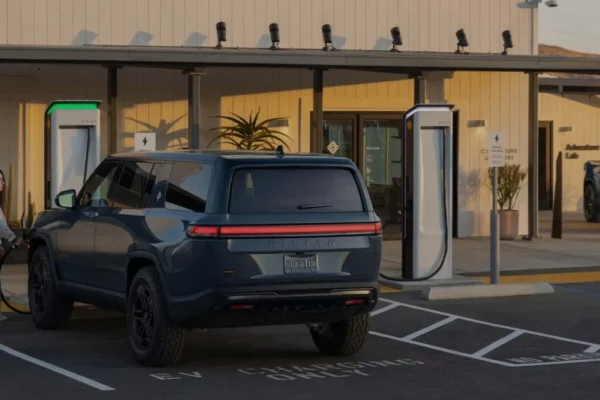
During the podcast, the panel analyzes the core metrics of Rivian’s financial health, focusing on production costs, vehicle delivery numbers, and the path to profitability. Despite pioneering robust consumer demand for products like the R1T pickup and R1T SUV, Rivian—like many of its contemporaries—has grappled with the prohibitive costs of scaling manufacturing operations at its Normal, Illinois facility. Furthermore, preparation for the upcoming, more affordable R2 platform requires substantial capital expenditure, making cash burn a primary point of discussion.
Financial analysts have pointed out that while Rivian’s technological offerings and brand loyalty remain exceptionally strong, the macro-economic environment demands stringent cost controls. The discussion explores how Rivian’s management plans to optimize supply chains, negotiate better pricing with Tier-1 automotive suppliers, and leverage its landmark joint venture with Volkswagen—which injects much-needed capital and software expertise into the company. Understanding Rivian’s financial trajectory offers crucial insights into how independent EV startups can survive and thrive in a market increasingly dominated by legacy automakers and global pricing wars.
Autonomous Horizons: Waymo and Toyota Join Forces
In the realm of autonomous driving, consolidation and strategic collaboration are proving to be the keys to commercial scalability. Alphabet’s self-driving subsidiary, Waymo, has long been a technological leader in robotaxi deployment, successfully operating commercial driverless ride-hailing services in major metropolitan areas such as San Francisco, Phoenix, Los Angeles, and Austin. However, expanding this technology globally requires robust vehicle hardware platforms that can withstand the rigors of commercial fleet usage while meeting rigorous safety and manufacturing standards.
The recent announcement that Waymo is partnering with Toyota marks a significant milestone in the commercialization of autonomous vehicles. While Waymo has historically integrated its proprietary Driver hardware and software suite into vehicles like the Jaguar I-Pace and Chrysler Pacifica, aligning with the world’s largest traditional automaker opens up entirely new manufacturing avenues.
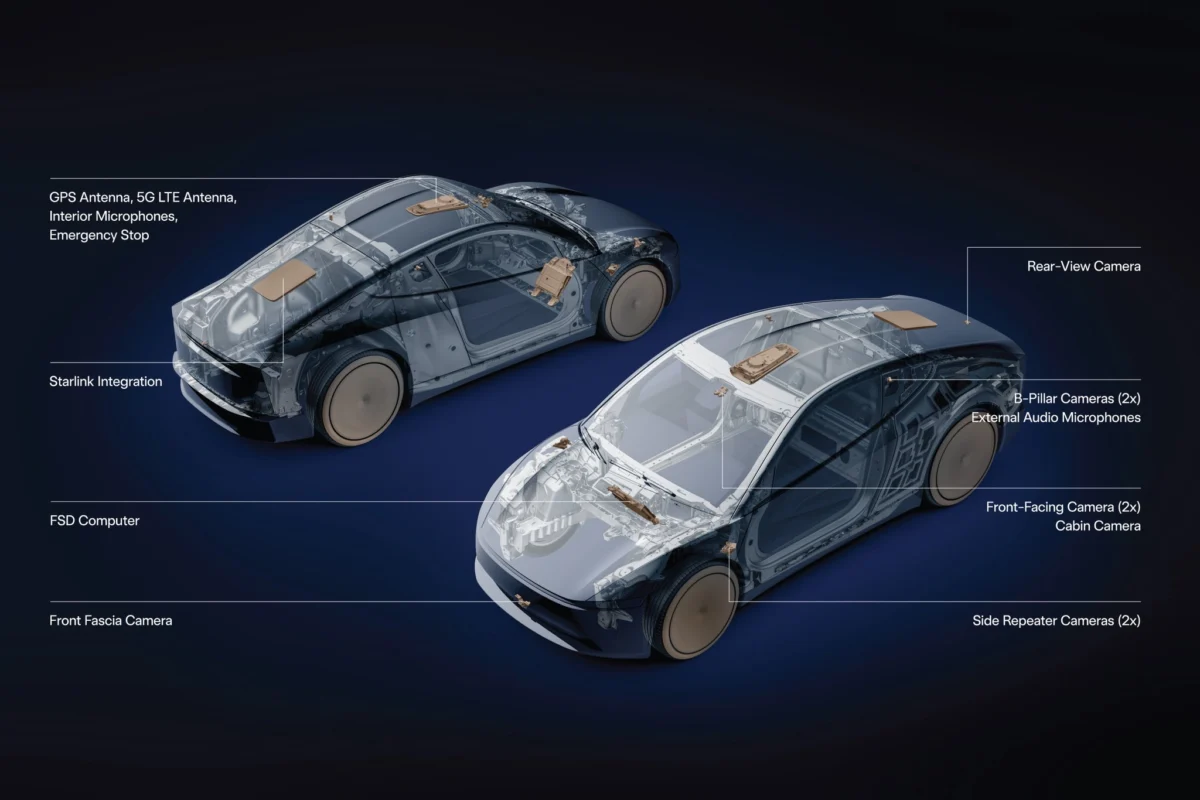
The podcast breaks down the strategic implications of this partnership. By leveraging Toyota’s world-renowned manufacturing prowess, vehicle architecture expertise, and global supply chain, Waymo could drastically accelerate the deployment of its autonomous technology into high-volume consumer and commercial vehicle platforms. The conversation addresses how this collaboration might alter the competitive landscape, putting pressure on competitors like Tesla—which relies entirely on a vision-based, driver-assist approach rather than dedicated geofenced robotaxi hardware—as well as other autonomous developers seeking scalable OEM partnerships.
Ford’s Bold Bet on V2H Technology for the Fathom Electric Pickup
Energy independence and grid resilience are becoming increasingly intertwined with vehicle electrification. As utilities face strain from extreme weather events and rising electricity demand, electric vehicles are transitioning from mere modes of transportation into mobile energy storage assets. Ford Motor Company has been at the forefront of this paradigm shift, championing bidirectional power flow capabilities across its expanding electrified lineup.
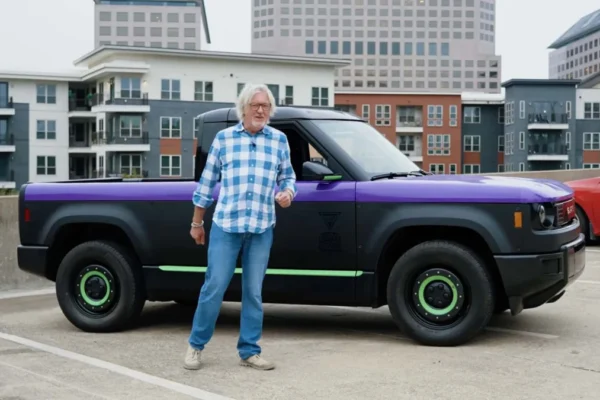
This week, the Electrek Podcast examines Ford’s strategic focus on vehicle-to-home (V2H) technology, specifically regarding the upcoming Fathom electric pickup truck. Building upon the success of the F-150 Lightning—which introduced backup power capabilities through the Ford Intelligent Backup Power system—the Fathom represents the next evolutionary step in utility-focused electric trucks.

V2H technology allows an electric vehicle to act as an emergency generator or daily energy buffer for a residential home. During peak pricing hours or unexpected grid outages, stored battery energy can be fed back into the household via a bidirectional charger, powering essential appliances, lighting, and HVAC systems for days depending on household consumption.
The discussion analyzes the consumer adoption hurdles associated with V2H, including the upfront installation costs of home integration hardware, utility interconnection approvals, and customer education. Despite these hurdles, Ford’s aggressive bet on V2H positions the company as more than just a traditional automaker, transforming it into an energy ecosystem provider. This strategic pivot mirrors broader trends where energy management and automotive engineering converge to create a more decentralized and resilient power grid.
The Broader Impact on Sustainable Transport and Clean Energy
Beyond the headline-grabbing announcements from Rivian, Waymo, and Ford, the weekly podcast serves as a comprehensive barometer for the broader sustainable transport sector. The transition away from internal combustion engines is no longer a speculative future but an ongoing industrial revolution characterized by complex supply chain dynamics, regulatory shifts, and evolving consumer preferences.
As global governments implement stricter tailpipe emissions standards and phase out the sale of new fossil-fuel vehicles over the coming decades, automakers are forced to accelerate their electrification roadmaps. However, as the panel notes, this transition is not linear. Automakers are currently navigating a nuanced market environment where early adopters have largely purchased their first EVs, and mainstream consumers demand greater affordability, improved charging infrastructure, and parity in upfront purchase costs.
The dialogue highlights the critical role that public policy, such as the Inflation Reduction Act (IRA) in the United States and stringent carbon-reduction targets in Europe and Asia, plays in shaping capital allocation decisions. Companies that successfully balance compliance, consumer demand, and technological innovation are positioned to lead the market, while those sluggish to adapt risk obsolescence.

Community Engagement and the Future of Electrek
The Electrek Podcast continues to serve as a vital interactive platform for clean energy enthusiasts, investors, and industry professionals. Broadcasted live every Friday at 4:00 p.m. ET on Electrek’s dedicated YouTube channel, the show bridges the gap between daily automotive journalism and deep-dive audio-visual analysis.
By taking real-time questions and comments from the live chat, the podcast fosters a vibrant community of stakeholders who are deeply invested in the green transition. Following the live broadcast, the full episode is archived on YouTube and distributed across all major podcast platforms, ensuring global accessibility for listeners seeking objective, up-to-date reporting on sustainable transport.
Through initiatives like its Patreon community, Electrek maintains its editorial independence, allowing the team to investigate complex corporate maneuvers, technological breakthroughs, and policy shifts without relying heavily on traditional advertising models. As the sustainable energy sector accelerates toward an uncertain yet undeniably electrified future, weekly analysis from platforms like the Electrek Podcast remains an indispensable resource for understanding the forces driving global mobility.