








The evolution of mountain biking has undergone a profound transformation over the last decade, mirroring the cultural friction and eventual acceptance that characterized the transition of music toward electrification in the 1960s. When electric mountain bikes (eMTBs) first arrived on the scene, the cycling community was deeply polarized. Traditionalists questioned the authenticity of the experience, while early adopters saw the potential for a technological revolution. Today, that friction has dissolved into a widespread acknowledgment that e-bikes have democratized the sport, extending the range of riders and opening complex terrain to a broader demographic. Leading this charge is Aventon, a brand that has consistently positioned itself at the forefront of the e-mobility movement since its inception. With the launch of the new Current series, Aventon is not merely iterating on existing designs; it is introducing a suite of high-performance machines that challenge the pricing structures and performance standards of the current market.
A Chronology of Electric Integration in Mountain Biking
The history of the modern e-bike industry is relatively short but intensely dense. In the early 2010s, electric assist was largely viewed as an experimental niche, relegated to commuters or heavy, underpowered utility bikes. By 2016, major manufacturers began integrating mid-drive motors into mountain-specific frames, marking the first real shift toward performance-oriented eMTBs. Between 2018 and 2022, the industry saw a rapid acceleration in battery density, with 500Wh batteries becoming the standard, followed by the shift toward 750Wh and 800Wh capacities.

Aventon’s trajectory within this timeline has been defined by a focus on vertical integration and consumer accessibility. By establishing a robust internal supply chain, the company bypassed many of the logistical bottlenecks that hampered competitors during the global supply chain crisis of 2020–2022. The introduction of the Current series in late 2026 represents the culmination of this development, moving away from entry-level commuter models and firmly into the specialized, high-stakes world of enduro and trail riding.
Engineering the Current Series: Performance Metrics
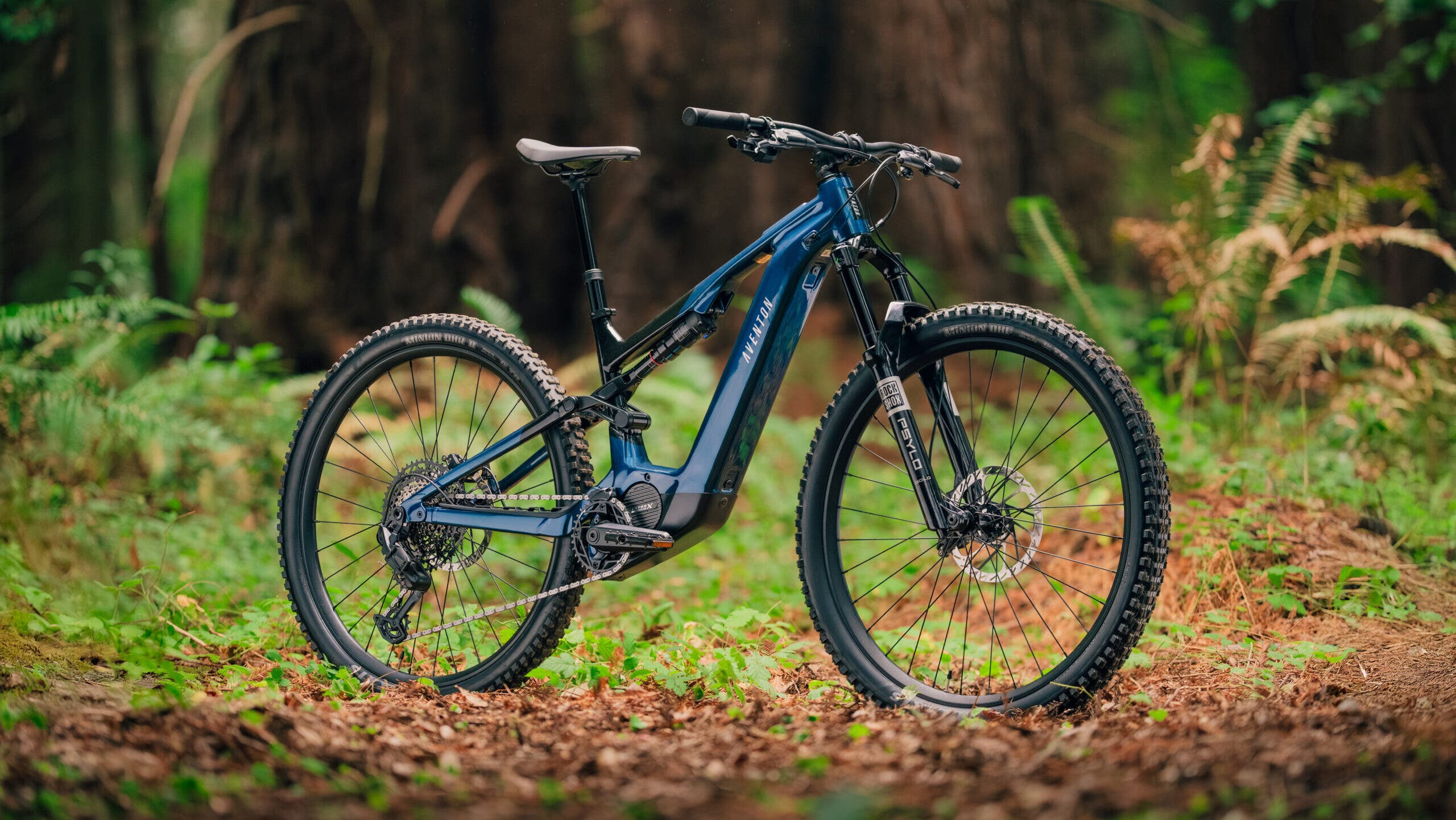
At the heart of the Current line is the proprietary Ultro X motor system. This mid-drive unit is paired with an 800Wh integrated battery, a configuration that offers a maximum range of up to 105 miles under optimal conditions. For the average mountain biker, this represents a fundamental change in ride planning. The reliance on lift-serviced parks or shuttle vehicles—often required for intense, high-vertical gain rides—is mitigated by the motor’s ability to assist through steep, sustained climbs.
The technical specifications of the bikes are designed to satisfy the rigorous demands of modern trail riding. The frame geometry features a 64.6-degree head tube angle and a 76.6-degree seat tube angle, a configuration optimized for stability during high-speed descents while maintaining effective power transfer on technical climbs. With 140mm of rear travel and a 150mm fork, the Current series provides a "do-it-all" platform capable of navigating rock gardens, root-strewn paths, and tight switchbacks.

The motor’s performance is managed by the ACU Smart Bike ecosystem. This system utilizes internal torque sensors that monitor pedal input at a high frequency, ensuring that the power delivery feels intuitive rather than mechanical. In its peak "Boost" mode, the motor delivers up to 850 watts and 120Nm of torque. Notably, the system includes a 60-second boost threshold, allowing riders to clear steep technical features with a short, high-intensity burst of power.
Data Integration and Connectivity
Modern cycling has become increasingly data-driven, and the Current series caters to this demand through full 4G connectivity. Beyond basic ride metrics, the bikes offer real-time GPS tracking and geofencing capabilities, features that have become essential in an era of high-value bicycle theft. Through the dedicated mobile application, riders can customize "overrun" settings—the duration of motor assistance after the rider stops pedaling—as well as pedal sensitivity and power output curves. For those who prefer a "set it and forget it" experience, the Auto-assist mode dynamically adjusts power output based on real-time terrain resistance and rider input, balancing battery conservation with performance needs.
Market Positioning and Economic Analysis

Perhaps the most disruptive element of the Current series is its pricing strategy. In the current market, high-end, carbon-fiber enduro eMTBs frequently command price tags ranging from $10,000 to $14,000. By positioning the Current line between $3,999 and $7,999, Aventon is effectively undercutting established premium brands by nearly 40 to 50 percent for comparable specifications.
The series is divided into three tiers:
The Current ADV ($3,999) serves as the performance baseline. Utilizing an aluminum frame, it retains the core Ultro X motor and battery technology of the more expensive models, making high-performance e-mountain biking accessible to a wider segment of the market. It effectively removes the "entry-level" stigma often associated with lower-priced mountain bikes.
The Current EXP ($5,999) bridges the gap between value and performance. It introduces a carbon front triangle to reduce weight and improve vibration damping, while upgrading the componentry to include SRAM Maven Base brakes and Rockshox Super Deluxe Select suspension. This model is marketed as a "one-quiver" bike, designed to handle the diverse demands of both local trail riding and multi-day backcountry adventures.

The Current LTD ($7,999) represents a limited-production run of only 99 units. It serves as a showcase for the brand’s engineering capabilities, featuring an array of top-tier components including SRAM XO transmission, Rockshox Ultimate suspension, and a full carbon-cockpit setup. The scarcity of this model suggests a branding strategy aimed at establishing prestige and long-term collectibility within the e-bike community.
Broader Industry Implications
The release of the Current series signals a potential shift in the eMTB market. As battery and motor technologies become standardized, manufacturers are increasingly competing on software integration, frame geometry, and, crucially, value-to-performance ratios. Aventon’s move suggests that the "premium" tax on e-bikes is beginning to shrink as manufacturing processes mature.
Furthermore, the integration of 4G and sophisticated sensor suites points toward a future where the mountain bike is treated as a connected "Internet of Things" (IoT) device. This shift has implications for the secondary market, where digital ownership and maintenance tracking (such as motor diagnostics and battery health logs) will likely become as important as the physical condition of the frame.
Environmental and Social Impact
The rise of the eMTB has sparked necessary debates regarding trail access and environmental impact. Because e-bikes allow riders to cover significantly more ground than analog bikes, land managers are increasingly forced to address the issue of trail capacity. However, proponents argue that the ability of e-bikes to keep aging or injured riders active and engaged with nature outweighs the concerns of increased trail traffic. By lowering the barrier to entry, Aventon and similar manufacturers are contributing to an increase in the total number of individuals participating in outdoor sports, which in turn provides more advocacy for the preservation and maintenance of public trail networks.
Conclusion: A New Standard
The Aventon Current series is indicative of a broader trend: the professionalization and democratization of electric mountain biking. By combining advanced, high-torque motor systems with a sophisticated digital ecosystem and an aggressive pricing model, Aventon has created a compelling proposition for both the casual trail enthusiast and the hardcore enduro rider. As the industry moves toward 2027 and beyond, the success of this series will likely be measured not just by units sold, but by the brand’s ability to influence the pricing and performance expectations of the entire mountain biking sector. The transition of the mountain bike into the electric age is complete, and with the Current series, it has officially entered its next, more accessible chapter.