







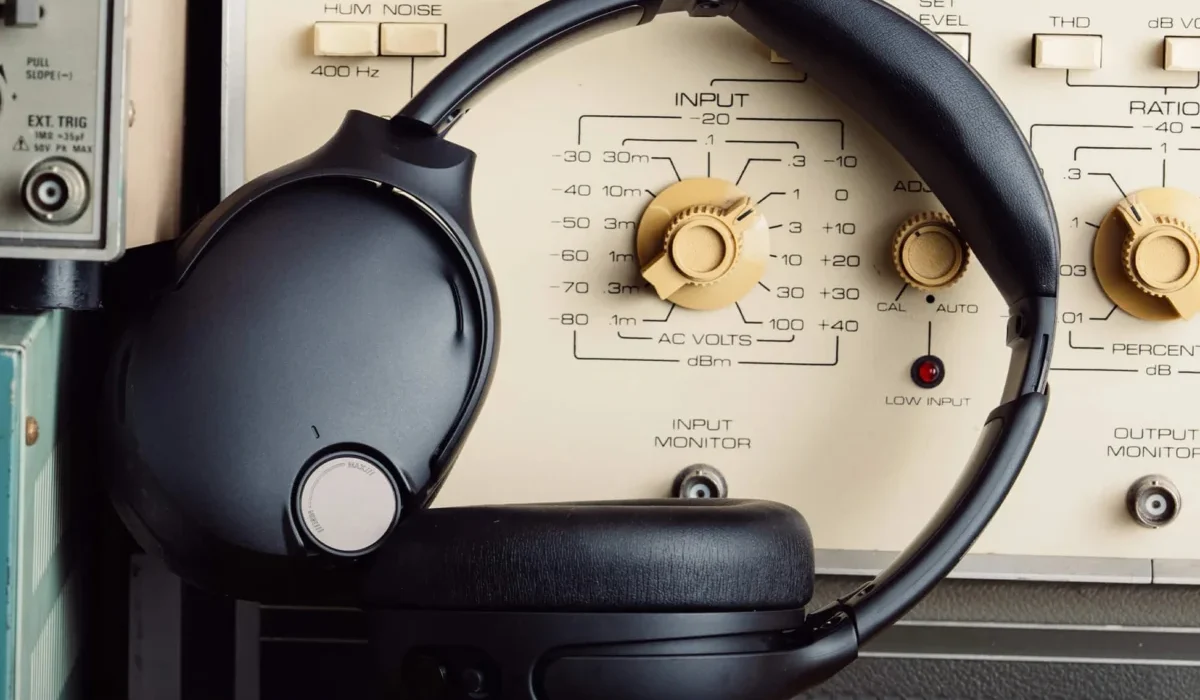
The consumer audio landscape has undergone a significant corporate realignment as Bose Corporation officially announced the acquisition of Skullcandy, a prominent lifestyle audio brand recognized globally for its vibrant aesthetics and youth-culture positioning. This strategic transaction marks the culmination of a multi-year commercial partnership that previously saw Bose audio engineering integrated into select Skullcandy hardware under a co-branded framework.
Financial terms of the privately held transaction have not been publicly disclosed by either entity. However, industry analysts view the acquisition as a calculated move by Bose to expand its demographic reach into younger, lifestyle-oriented consumer segments—including skate, snow, gaming, and fitness communities—where Skullcandy has historically maintained a dominant market share.

Evolution of a Strategic Partnership
The path toward full corporate integration was paved by years of collaborative engineering. Over the past several cycles, consumers purchasing specific high-end Skullcandy models, such as the Crusher ANC line, experienced acoustic profiles powered by Bose proprietary technologies. Marketed under the "Sound by Bose" designation, this collaboration served as a proving ground for both engineering teams.
Executives from both organizations noted that the technical synergy exceeded expectations, establishing a high degree of mutual trust that ultimately facilitated acquisition talks. Rather than an abrupt corporate takeover, the buyout represents the formalization of an alliance that has already proven successful within competitive retail environments.
Corporate Positioning and Brand Independence
A central concern among loyal consumers following mergers of this scale typically involves the potential dilution of a brand’s unique identity. Addressing these concerns proactively, leadership from both Bose and Skullcandy confirmed that Skullcandy will operate as a standalone brand housed within Bose’s premium audio division.

Skullcandy is slated to retain its distinctive design ethos, retaining the bold colorways, streetwear collaborations, and counter-culture branding that have defined its market presence for decades. At the same time, the acquisition provides Skullcandy with access to Bose’s robust global distribution networks, advanced research and development infrastructure, and deeper financial backing.
Bose Chief Executive Officer Lila Snyder emphasized that the company’s structural status as a privately held organization affords it the flexibility required to execute long-term strategic investments. Snyder noted that Skullcandy aligns seamlessly with this vision, bringing a distinct demographic footprint that complements Bose’s traditional audio engineering strengths.
Brian Garofalow, Chief Executive Officer of Skullcandy, characterized the acquisition as a definitive milestone for the brand and its consumer base. According to Garofalow, integration into the Bose corporate ecosystem unlocks unprecedented resources for product development while safeguarding the cultural authenticity that forms the foundation of Skullcandy’s brand equity.

Broader Market Implications and Competitive Analysis
The acquisition arrives at a critical juncture in the global personal audio market, which remains fiercely competitive across multiple price tiers. While Bose has historically occupied the premium and luxury tiers of the consumer audio spectrum—dominating categories such as active noise-canceling over-ear headphones and high-end home audio—its penetration into the youth, action-sports, and budget-to-mid-tier lifestyle segments has faced intense competition from brands like JBL, Sony, and Skullcandy itself.
By absorbing Skullcandy, Bose effectively secures an established foothold in these adjacent markets without the risk associated with incubating a new lifestyle sub-brand from scratch. Conversely, Skullcandy gains access to world-class acoustic engineering resources that could help bridge the historical performance gap between its stylish, feature-rich hardware and the audiophile-grade acoustic tuning traditionally demanded by high-end consumers.
Industry observers suggest that future product releases resulting from this acquisition may feature enhanced active noise cancellation, superior high-frequency clarity, and refined digital signal processing, integrated directly into Skullcandy’s signature chassis designs.

Future Outlook for Consumers
For everyday consumers, the immediate impact of the merger is expected to manifest as an elevation in acoustic performance across upcoming Skullcandy product generations, without compromising the bold visual styling and accessible pricing structures that have characterized the brand. As Bose integrates its acoustic technology deeper into Skullcandy’s product pipeline, the market will closely monitor how effectively the two entities blend high-performance engineering with youth-centric design.
As both companies move forward under the unified corporate umbrella, stakeholders across the consumer electronics sector will evaluate how this marriage of acoustic heritage and youthful design alters the competitive dynamics of the personal audio market.