











Kitchen fires remain one of the most prevalent household hazards worldwide, prompting ongoing technological innovations aimed at mitigating risks before disaster strikes. In a significant development for the smart home automation sector, fire safety innovator FireAvert has officially joined the Works with Home Assistant partnership program. This integration introduces the program’s very first category of automated gas and electric appliance shutoff devices, marking a major milestone in blending proactive life safety equipment with open-source home automation architectures.
Genesis of a Lifesaving Innovation
The origins of FireAvert trace back nearly two decades to the frontline experiences of Peter Thorpe, a career firefighter who witnessed firsthand the devastating toll of unattended cooking appliances. Year after year, Thorpe responded to residential emergency calls featuring identical scenarios: a momentary lapse in memory, an overheating burner, and a rapidly escalating kitchen fire. Recognizing that traditional reactive measures—such as smoke detectors that sound alarms only after a fire has already ignited—were insufficient to prevent property damage and tragedy, Thorpe sought a proactive solution.
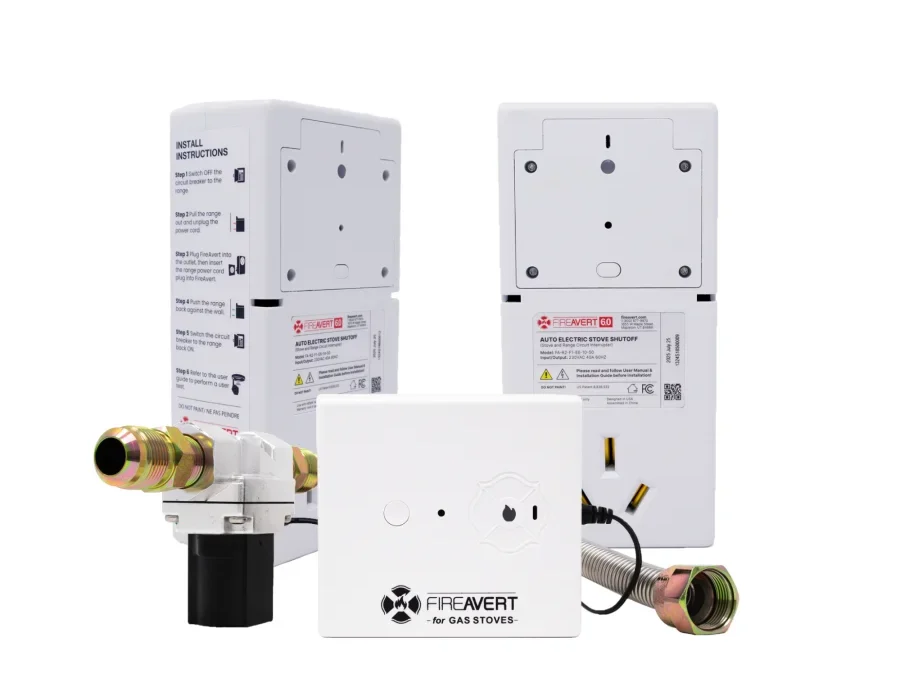
His efforts culminated in the invention of the Auto Stove Shutoff for electric stovetops. The device operates on a distinct premise: while conventional wisdom dictates that smoke follows fire, kitchen environments often produce dense smoke well before open flames emerge. FireAvert was engineered to intercept this crucial window of opportunity. By passively listening for the acoustic frequency of standard residential smoke alarms, the device automatically cuts power to the stove the moment an alarm sounds, extinguishing the heat source prior to ignition.
Following its initial market introduction, the concept garnered widespread attention, eventually leading to a prominent feature on the entrepreneurial television program Shark Tank. Over subsequent years, the company broadened its product portfolio beyond electric stoves to encompass gas-powered ranges and compact kitchen appliances, including microwaves, air fryers, and hot plates. The recent integration of Z-Wave communication protocols into their hardware suite has now bridged the gap between standalone commercial fire safety devices and comprehensive home automation platforms.
Technical Architecture and Local Control Standards
The newly certified FireAvert shutoff units operate utilizing Z-Wave, an established open wireless smart home protocol designed to facilitate seamless device interoperability across diverse manufacturers without enforcing a proprietary ecosystem lock-in. Utilizing a mesh network topology, individual Z-Wave devices actively relay signals for neighboring hardware, thereby extending wireless coverage and reinforcing network reliability throughout complex residential structures.
A core tenet of the Works with Home Assistant program is an uncompromising commitment to local control, data privacy, and hardware reliability. Unlike numerous cloud-dependent Internet of Things (IoT) products that risk functional failure during internet outages, FireAvert units are engineered for absolute autonomy. The hardware executes its primary safety functions locally, ensuring that an unexpected loss of internet connectivity or smart home server failure will not impair the device’s ability to cut appliance power during an emergency. Furthermore, the units operate independently of internal batteries, drawing continuous power directly from the wall outlet through a straightforward pass-through plug design.

Representatives from both organizations have emphasized the alignment of their operational philosophies. Chasen Tolbert of FireAvert noted the intrinsic value of combining convenience with robust safety features, stating that modern smart home ecosystems must prioritize family protection alongside automation efficiency. Similarly, leadership at the Open Home Foundation—the non-profit organization operating the Works with Home Assistant initiative—highlighted that the inclusion of safety-critical hardware establishes a new benchmark for what open-source platforms can achieve in safeguarding domestic spaces.
Rigorous Testing and Certification Protocol
To attain certification under the Works with Home Assistant banner, FireAvert hardware underwent extensive evaluation by in-house engineering teams. Testing procedures standard to the program utilize reference hardware configurations, including the Home Assistant Green Hub paired with the Home Assistant Connect ZWA-2 Z-Wave adapter, running the native Z-Wave integration architecture.
Beyond software compatibility, FireAvert’s hardware manufacturing adheres to rigorous North American safety benchmarks. All four core shutoff models are independently tested and certified to comply with Canadian Standards Association (CSA) and Underwriters Laboratories (UL) electrical safety requirements. To underscore structural reliability, the manufacturer backs these safety-critical devices with a lifetime warranty, reassuring consumers—particularly those managing households with aging relatives or individuals requiring specialized care—of the equipment’s long-term operational integrity.
Implications for the Smart Home Industry
The introduction of dedicated appliance shutoffs into the Works with Home Assistant ecosystem represents a paradigm shift from lifestyle automation toward critical incident prevention. Historically, mainstream smart home integrations focused heavily on entertainment, energy monitoring, and comfort. The incorporation of certified life-safety hardware signals a maturing market where open platforms are increasingly trusted to manage high-stakes residential infrastructure.
Industry analysts observe that open-standard ecosystems are uniquely positioned to host such innovations. By avoiding walled gardens, users retain the flexibility to create complex, multi-layered automation routines—such as simultaneously triggering smart locks, illuminating escape pathways via smart lighting, and shutting down primary energy loads—upon the detection of a localized hazard.
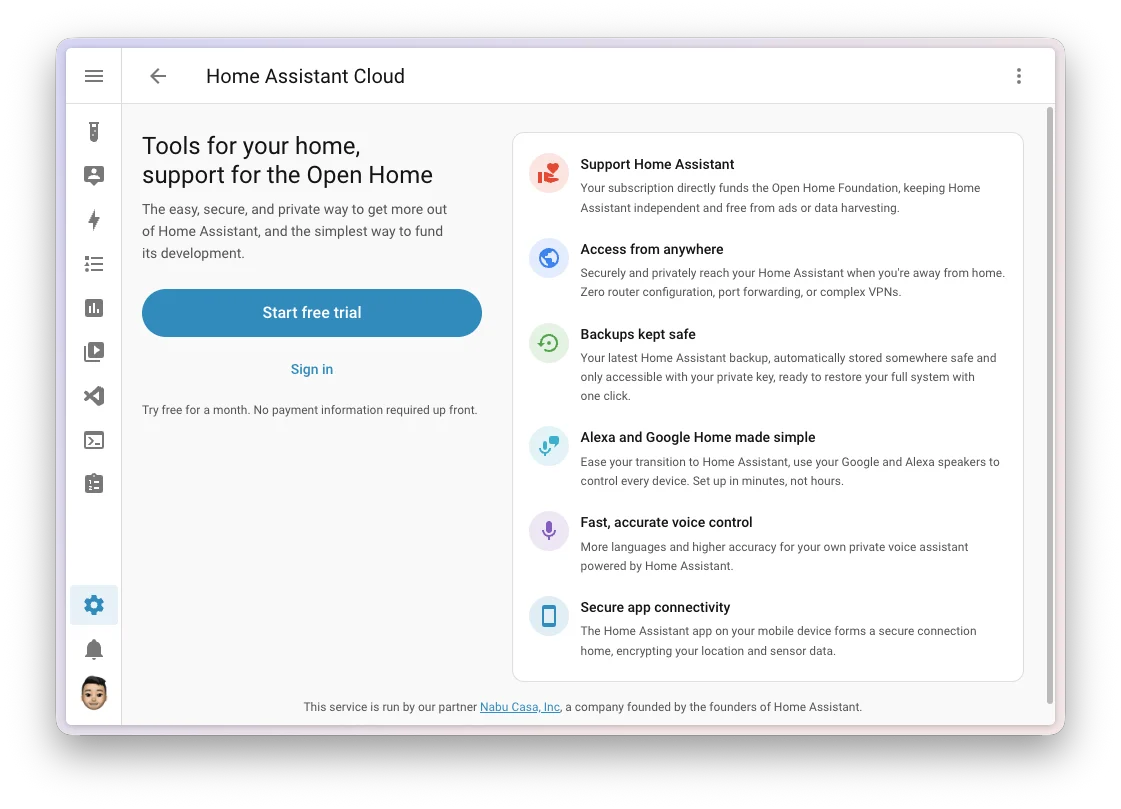
The partnership also reinforces the financial and structural model of the Open Home Foundation, which relies in part on commercial initiatives like Home Assistant Cloud and official hardware sales to sustain its rigorous certification programs. As consumer demand for private, locally controlled smart homes grows, collaborations with established safety manufacturers like FireAvert validate the viability of open-source architectures in mission-critical applications.
With the full suite of certified FireAvert shutoff devices now cataloged within the official Works with Home Assistant registry, users gain a standardized framework for integrating advanced kitchen safety into their customized domestic environments. As the ecosystem continues to expand, the integration serves as a blueprint for how independent safety engineering and open-source software communities can converge to enhance household protection.