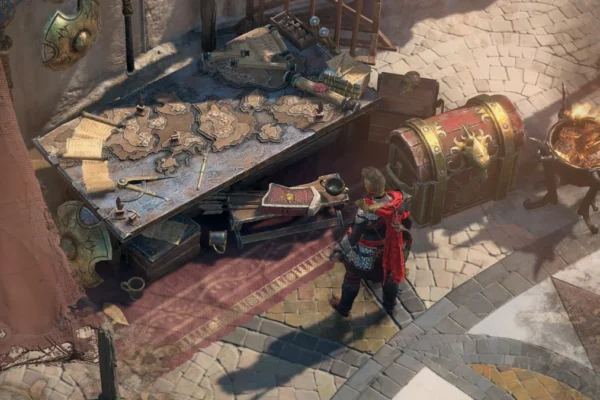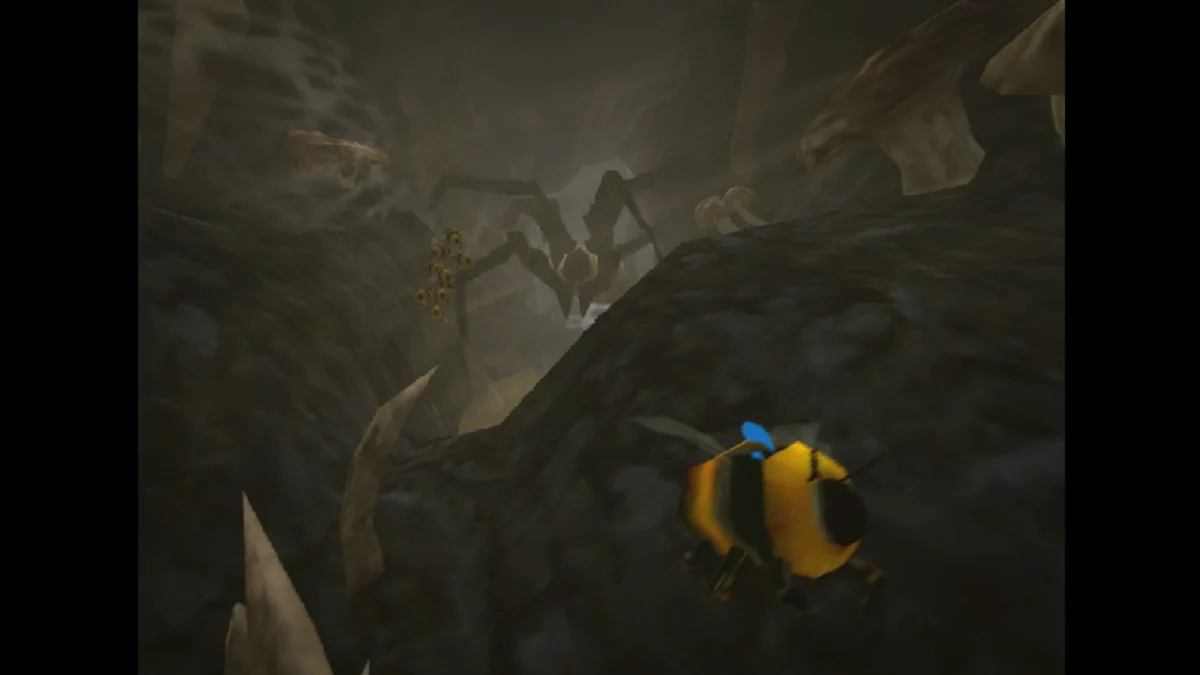











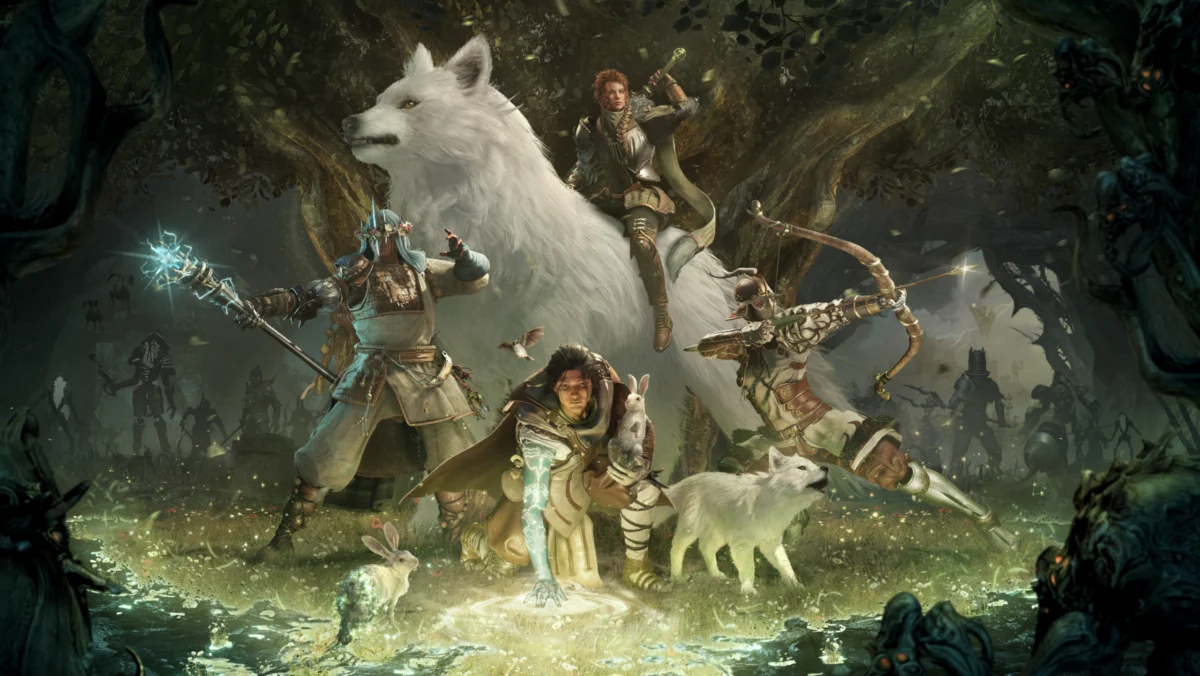
After two years of restricted access and iterative development behind a gated "prelude" key system, Digital Extremes is finally opening the doors to its ambitious fantasy role-playing game, Soulframe. Beginning November 6, the studio will transition the title into an open access phase, allowing the general public to download the client directly from the game’s official website. This milestone marks a critical shift in the development lifecycle of the project, moving from an exclusive, invitation-only testing environment to a broader, more public-facing phase that aims to refine the game’s core gameplay loops and narrative integration.
A Two-Year Journey Toward Open Accessibility
The development of Soulframe has been a calculated, gradual process since its initial announcement in 2022. Digital Extremes, widely recognized for the enduring success of its sci-fi juggernaut Warframe, opted for a conservative rollout for its second major IP. By utilizing a "prelude" key system, the developers maintained a controlled environment, allowing them to solicit feedback from a dedicated community while avoiding the pitfalls of a premature, full-scale launch.
For twenty-four months, the game has existed as a prototype of sorts, focused on establishing its distinct "faded tapestry" aesthetic and complex melee-focused combat systems. The decision to move to an open prelude model in early November indicates that the studio is now satisfied with the stability of the foundation and is prepared to stress-test its servers and progression systems with a significantly larger player base.
The Verse of the Veilands and Regional Mechanics
Coinciding with the opening of the game to the public is the release of the title’s 17th major update, dubbed "Verse of the Veilands." This update introduces a significant mechanical shift that alters the fundamental interaction between the player and the game world. Central to this update is a new region-purging system, which replaces the previous, somewhat passive exploration model with a more goal-oriented structure.
Players will be introduced to the villainous Ode faction—an antagonistic force of star-faring entities that deploy siphons across the landscape. These siphons actively corrupt the game’s environment, forcing players to engage with the world’s "votives"—the game’s term for mission-based objectives—to build the energy required to cleanse these areas. Once a region is liberated, the environment reverts to its original, more tranquil state, unlocking specific resources and activities like fishing. This systemic change serves as a narrative and structural bridge, providing players with clearer objectives that were often cited as a point of confusion during the closed alpha.
Addressing Player Retention and Guidance
The transition to a more directed experience is a response to consistent feedback from early adopters. While the open-ended nature of the initial alpha was appreciated for its discovery-based gameplay, many players reported a lack of clarity regarding progression after completing the introductory story segments, known as the "Fables."
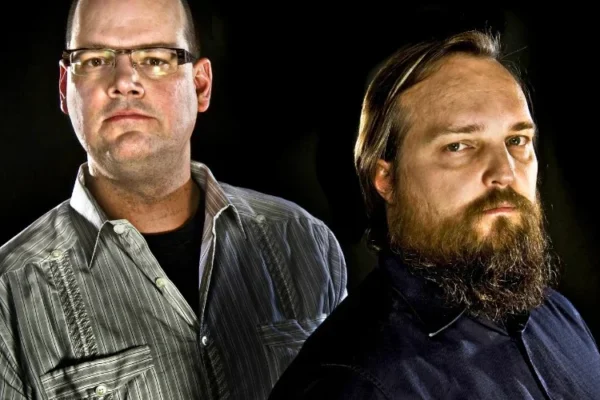
Lead designer Scott McGregor and creative director Geoff Crookes have acknowledged that the "discovery-first" philosophy, while conceptually strong, led to a high drop-off rate for new users. The integration of the votive system serves as a "breadcrumb" trail. By clearly defining objectives on the world map and streamlining the process of accepting missions from local representatives, Digital Extremes aims to lower the barrier to entry. This guided experience is not intended to remove the open-world freedom entirely, but rather to provide a structured introduction that transitions naturally into the game’s deeper, more complex systems.
Aesthetic Conflicts and Developmental Anxiety
The introduction of the Ode siphons has sparked internal debate within the development team regarding the game’s atmosphere. Digital Extremes has cultivated a reputation for creating immersive, "cosy" environments, and the introduction of corruption mechanics creates a direct tension with that established tone.
"Scott and I were just talking yesterday about, aesthetically, how nervous we are about this change," creative director Geoff Crookes stated during a recent roundtable discussion. The primary concern is that the harshness of the new corruption mechanics might alienate players who were drawn to the game’s tranquil, fairytale aesthetic. However, the team remains confident that the gameplay benefits—specifically the sense of player agency and ownership over the environment—outweigh the risks of aesthetic dissonance. The team views this as a necessary evolution to ensure the game feels like an interactive world rather than a static backdrop.
New Content: The Ode Shrike
In addition to the world-state changes, the "Verse of the Veilands" update introduces a new character archetype, or "pact," known as the Ode Shrike. Designed as a specialized poacher class, the Shrike emphasizes tactical environmental control. Its kit includes trap-based mechanics, such as spike traps and throwable bolas, designed to immobilize enemies.
A standout feature of the Shrike is its ability to utilize a balloon dart to hoist enemies into the air, a mechanic that bears a striking similarity to systems found in tactical infiltration games like Metal Gear Solid V. This addition highlights the studio’s interest in verticality and creative combat solutions, further diversifying the tactical options available to players in the game’s melee-centric combat.
Broader Implications for the Live Service Model
Soulframe occupies a unique space in the current gaming landscape. As a live-service project developed by a studio already managing one of the most successful titles in the genre, the pressure to differentiate is high. The challenge, as noted by the developers, is to "borrow Warframe’s thunder without getting lost in its shadow."
The data from the upcoming open prelude will be crucial in determining how the game competes in an increasingly crowded market. Digital Extremes has confirmed that the paid "Founders" program will remain active, and the studio intends to continue running smaller, closed preview builds alongside the public version to test experimental features. Furthermore, the introduction of a character reset feature will allow returning players to experience the evolving narrative and quest structures without being locked into their previous progress.
Strategic Outlook and Market Positioning
The transition to an open prelude is not merely a technical milestone; it is a strategic maneuver to build a sustainable player community ahead of a full commercial launch. By focusing on the "votive" mission system and the regional corruption mechanic, Digital Extremes is attempting to solve the "what do I do next?" problem that plagues many sandbox RPGs.
From an analytical standpoint, the success of this transition will depend on the balance between the "unforgiving" new challenges and the "cosy" aesthetic that defined the alpha. If the studio can successfully integrate these disparate elements, they may create a product that appeals to both the narrative-driven player and the mechanical completionist.
Furthermore, the commitment to providing a clear path for new users suggests a maturity in the studio’s design philosophy. They are moving away from the "trial by fire" onboarding common in early-access titles and toward a more polished, user-friendly approach. As of November 6, the efficacy of these changes will be put to the ultimate test when the general public begins their journey into the world of Soulframe. With the addition of rideable wolfpups—achieved through a new crafting system—and the complexity of the Shrike class, Digital Extremes is betting that the combination of charm and challenge will be the key to ensuring the game’s longevity in a competitive live-service market.
For now, the focus remains on the "Verse of the Veilands" as the standard-bearer for this new era of the game. Whether this shift succeeds in maintaining the game’s unique identity while providing the necessary structure for long-term player retention remains to be seen. However, the move represents a clear commitment from Digital Extremes to treat Soulframe as a high-priority, long-term endeavor that continues to evolve alongside its community.