






Modern computing is no longer tethered to the wall outlet. As the mobile workforce expands and the demand for high-performance, thin-and-light devices increases, battery endurance has evolved from a secondary convenience into a critical performance metric. Today, the laptop market is undergoing a significant shift, driven by advancements in power-efficient silicon from Apple, Qualcomm, and x86 manufacturers, allowing users to move between coffee shops, boardrooms, and long-haul flights with confidence.
Evaluating battery life requires more than just listening to manufacturer claims, which are often based on optimized, low-intensity scenarios. The Laptop Mag Battery Test 2.0 provides a more rigorous benchmark, subjecting units to continuous web surfing over Wi-Fi at a consistent 150 nits of screen brightness. This methodology serves as a baseline for real-world usage, acknowledging that while intensive tasks like video editing or gaming will inevitably drain power faster, the test provides a reliable metric for cross-device comparison.
The current landscape of mobile computing is dominated by two primary trends: the integration of ARM-based architectures and the increasing efficiency of x86 processors. As of May 2025, the market is seeing a surge in "all-day" performance, even among machines traditionally designed for heavy workloads.
The Evolution of Mobile Endurance
The definition of "good" battery life has changed drastically over the last five years. In the late 2010s, a device lasting eight hours was considered a top-tier performer. Today, that threshold has been shattered. The current industry leaders now consistently clear the 15-hour mark, with some specialized business and creative machines pushing past 20 hours.
This evolution is largely due to the refinement of System-on-Chip (SoC) designs. Apple’s M-series silicon has set a benchmark for efficiency, allowing the MacBook Pro and MacBook Air lines to deliver sustained peak performance without the massive thermal and power overheads of older Intel-based systems. Simultaneously, the introduction of the Qualcomm Snapdragon X Elite platform has signaled a major breakthrough for Windows-based laptops, enabling ultra-portable devices to compete directly with, and in some cases exceed, the longevity of their macOS counterparts.
Top Performers in 2025
The following devices currently stand at the pinnacle of power efficiency, each serving a specific user demographic.
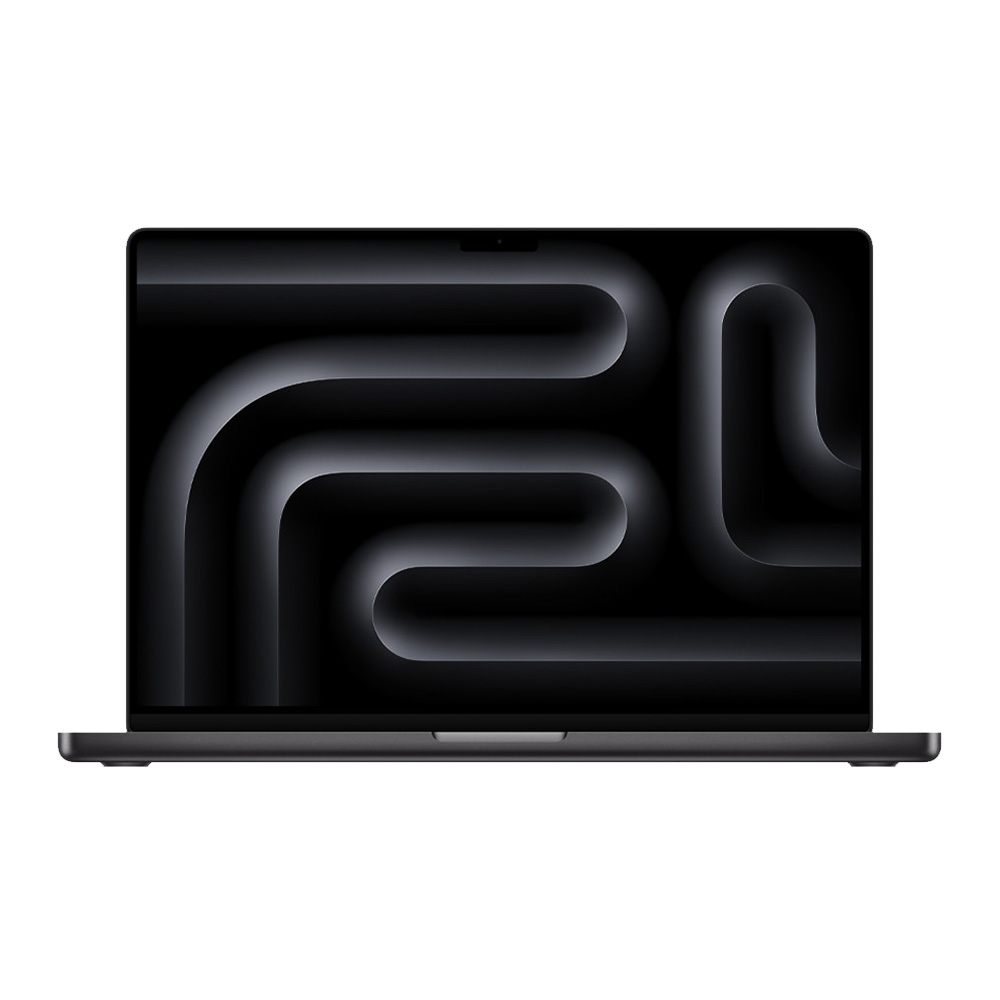
Apple MacBook Pro 16-inch (M4 Pro)
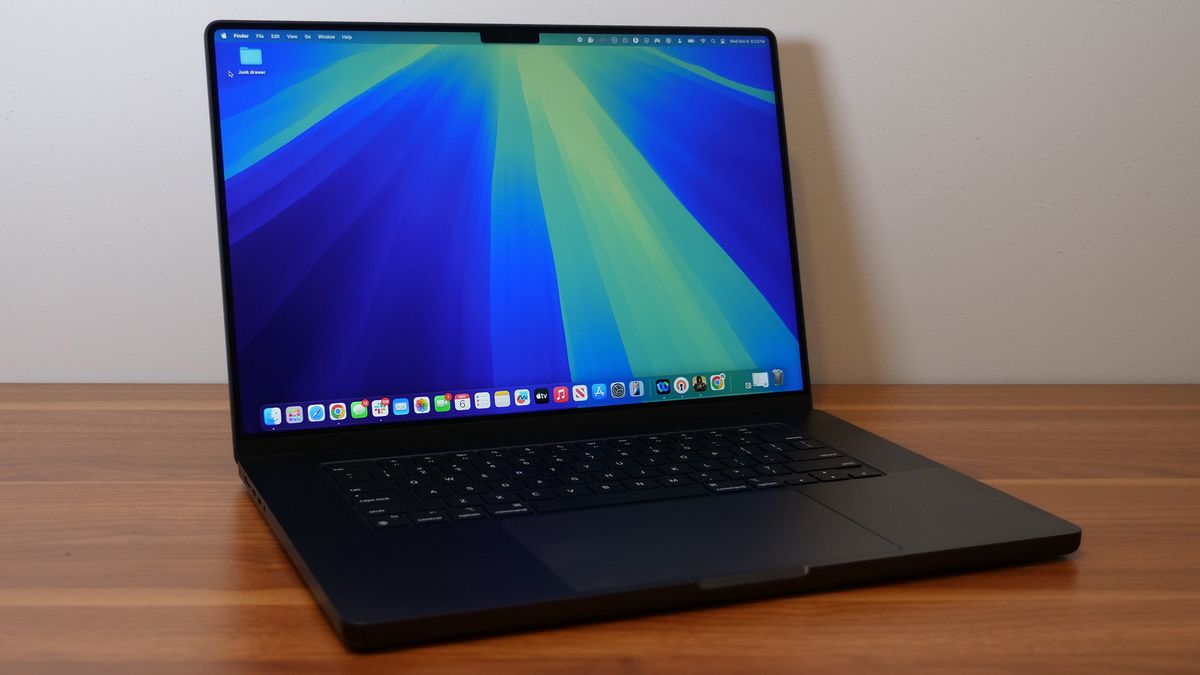
The 16-inch MacBook Pro with the M4 Pro chip remains the gold standard for professionals who require desktop-class power without sacrificing mobility. In testing, this machine achieved a remarkable 20 hours and 46 minutes of runtime. The implications for creative professionals are clear: users can perform complex 3D rendering, color grading, or high-bitrate video editing while untethered, a feat that was physically impossible on previous generations of mobile workstations. Beyond its endurance, the Liquid Retina XDR display, with its vibrant color reproduction and high brightness, ensures that the machine remains a primary tool for visual artists.
Lenovo ThinkPad T14s Gen 6
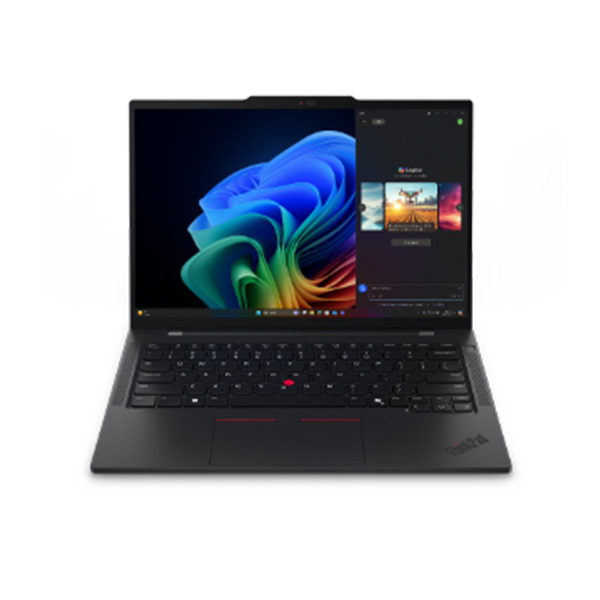
Representing the vanguard of the Windows-based "AI PC" movement, the Lenovo ThinkPad T14s Gen 6 secured the record for the longest battery life tested to date, clocking in at 21 hours and 3 minutes. Powered by the Snapdragon X Elite chipset, this laptop demonstrates that high-end business performance does not require a sacrifice in portability. Weighing only 2.7 pounds, the T14s is designed for the enterprise environment, prioritizing connectivity and reliability. Its success serves as a proof-of-concept for the viability of the ARM architecture in the mainstream professional market.
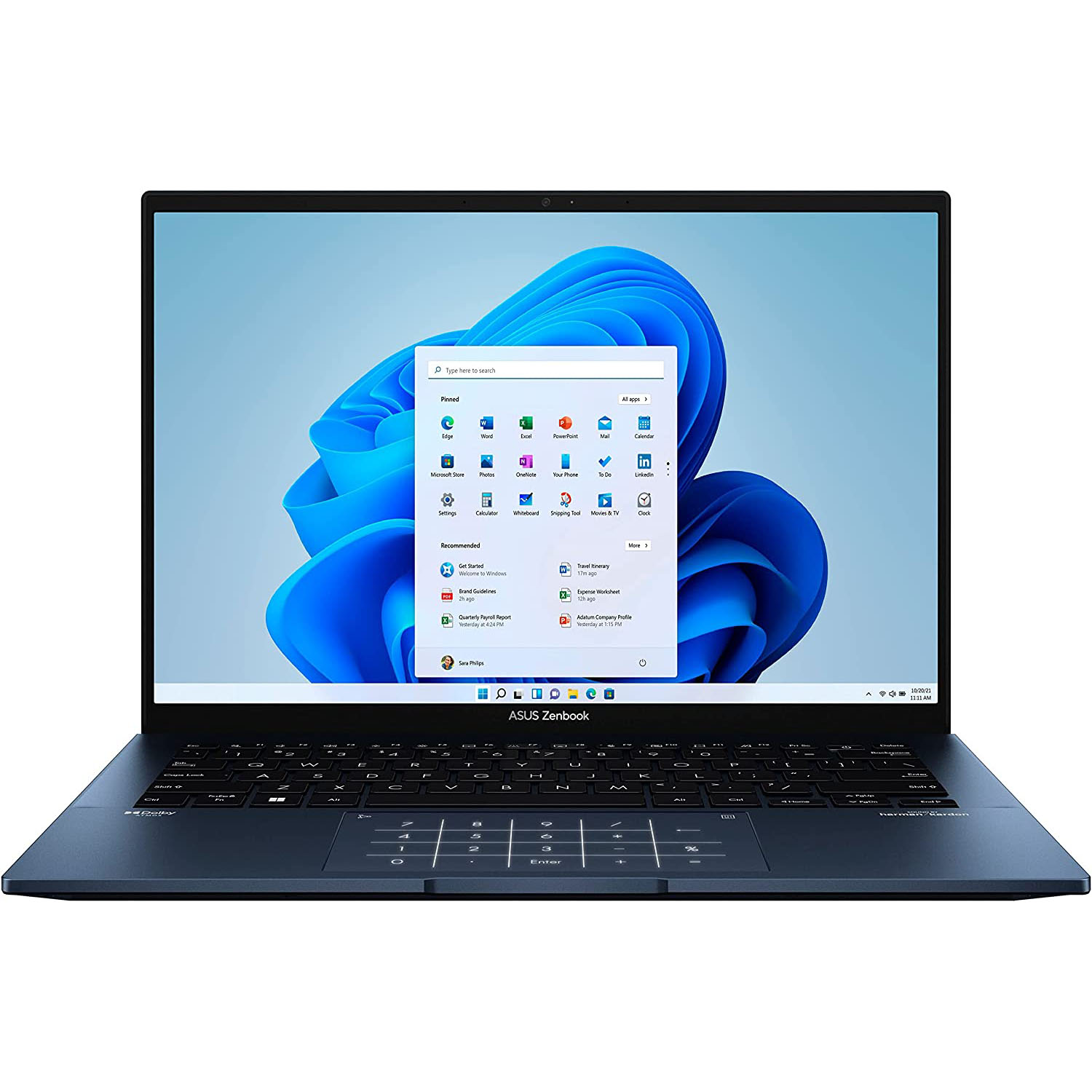
Asus Zenbook 14 OLED (Q425M)
For the budget-conscious consumer who refuses to compromise on quality, the Asus Zenbook 14 OLED remains an outlier. Achieving 15 hours and 52 minutes of battery life, it brings high-end features—such as an OLED display and a premium keyboard—to a sub-$1,000 price point. The inclusion of Intel’s Core Ultra 7 155H processor provides sufficient power for multitasking and office productivity, making it an ideal choice for students and general users who need a device that can last through two standard workdays.
MacBook Air 13-inch (M4)
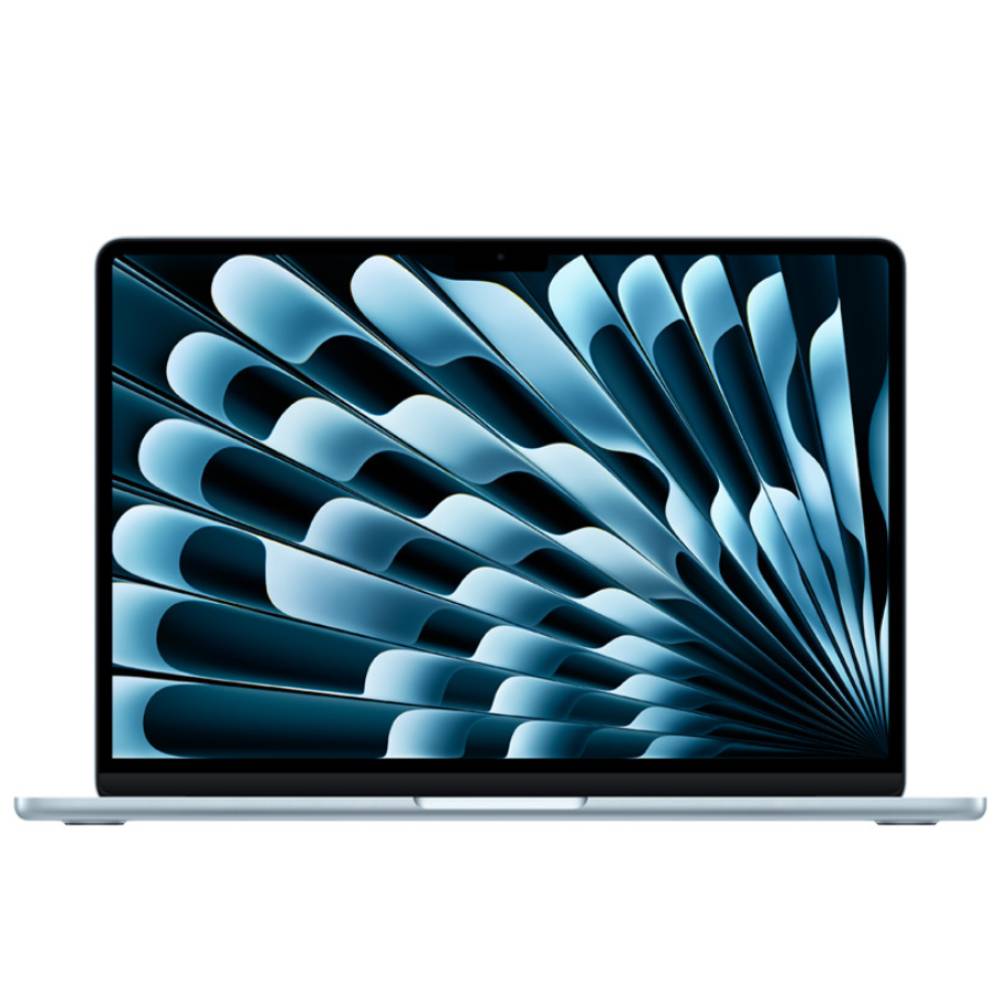
Apple’s 13-inch MacBook Air has long been the default recommendation for the average consumer, and the M4 iteration continues this tradition. By lowering the starting price to $999 while increasing efficiency to achieve 15 hours and 30 minutes of battery life, Apple has effectively created the most value-centric device in its portfolio. The fanless design and compact chassis make it the ideal travel companion, proving that extreme efficiency is now accessible to the broader market.
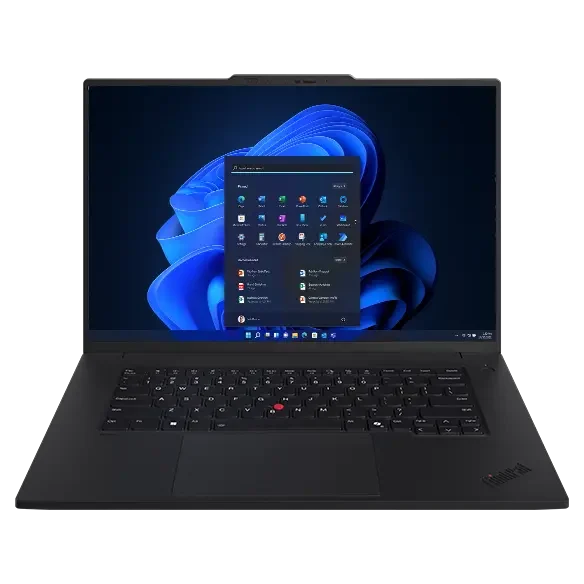
Lenovo ThinkPad P1 Gen 7
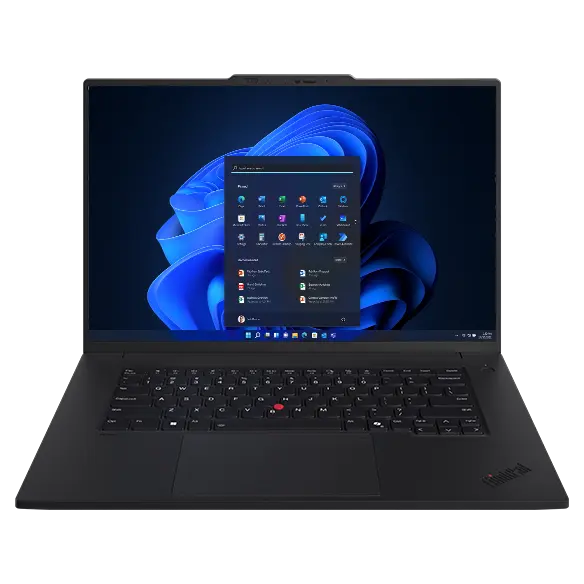
For those operating in specialized industries, the ThinkPad P1 Gen 7 serves as a high-performance workstation. It manages a 17-hour and 23-minute battery life despite housing dedicated professional-grade graphics (Nvidia RTX 1000 Ada). This is a significant improvement over previous workstation generations, which were often characterized by their reliance on power-hungry components that necessitated heavy power bricks and limited the machine’s utility outside of a fixed desk.
Asus TUF Gaming A14
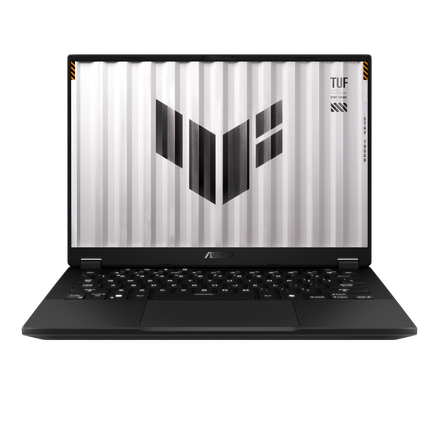
Gaming laptops have historically been the "Achilles’ heel" of battery testing, often lasting fewer than four hours. The Asus TUF Gaming A14 breaks this cycle with a 10-hour and 4-minute runtime. While gaming on battery power is still not recommended for optimal frame rates, the A14’s ability to function as a general-purpose, long-lasting laptop between gaming sessions makes it a versatile choice for users who want a single machine for work, travel, and play.
Technical Analysis: What Drives the Numbers?
The consistency in these battery improvements can be attributed to several architectural advancements:
- Heterogeneous Computing: Modern processors use a combination of performance cores (P-cores) for heavy lifting and efficiency cores (E-cores) for background tasks. This allows the OS to offload menial tasks, such as background syncing or idle web processes, to low-power cores, significantly reducing total energy consumption.
- Display Technology: The adoption of OLED panels, while previously a power drain, has seen advancements in power management. Many modern OLEDs now feature adaptive refresh rates, which scale down the screen’s power consumption when the user is viewing static content.
- Advanced Fabrication Processes: The move to 3nm and 4nm node manufacturing processes allows for higher transistor density with lower voltage requirements. This results in chips that generate less heat, which in turn reduces the demand on internal cooling fans—a major contributor to battery drain.
Implications for the Future of Work
The shift toward long-lasting mobile hardware is fundamentally altering corporate and educational environments. As battery life ceases to be a limiting factor, the "mobile-first" approach is becoming the standard. Corporations are increasingly looking at hardware that can sustain a full 10-hour workday without the need for a charging station, which simplifies office logistics and enables more flexible work-from-home or hybrid policies.
However, consumers should remain mindful of the "testing-versus-reality" gap. While our laboratory tests provide a controlled environment, real-world factors such as screen brightness, ambient temperature, background application bloat, and the health of the lithium-ion cells over time will cause variance in daily performance.

To maximize the longevity of a device, users are encouraged to monitor their battery health via system utilities, keep software updated to ensure power-management drivers are current, and avoid extreme temperatures, which can permanently degrade chemical capacity.
Conclusion: Choosing the Right Tool
Selecting a laptop with the "best" battery life requires a balance between necessity and portability. A professional who requires the immense, sustained power of an M4 Pro chip will find the 16-inch MacBook Pro to be an unrivaled investment. Conversely, a student or writer may find the 13-inch MacBook Air or the Asus Zenbook 14 OLED more than sufficient for their needs, offering a better balance of cost and endurance.
The market has reached a point where "battery anxiety"—the fear of a device dying before the end of a session—is largely a relic of the past for those who choose wisely. As manufacturers continue to refine these power-efficient designs, the future of computing promises even greater mobility, allowing the technology to fade into the background while the user focuses on the task at hand.