










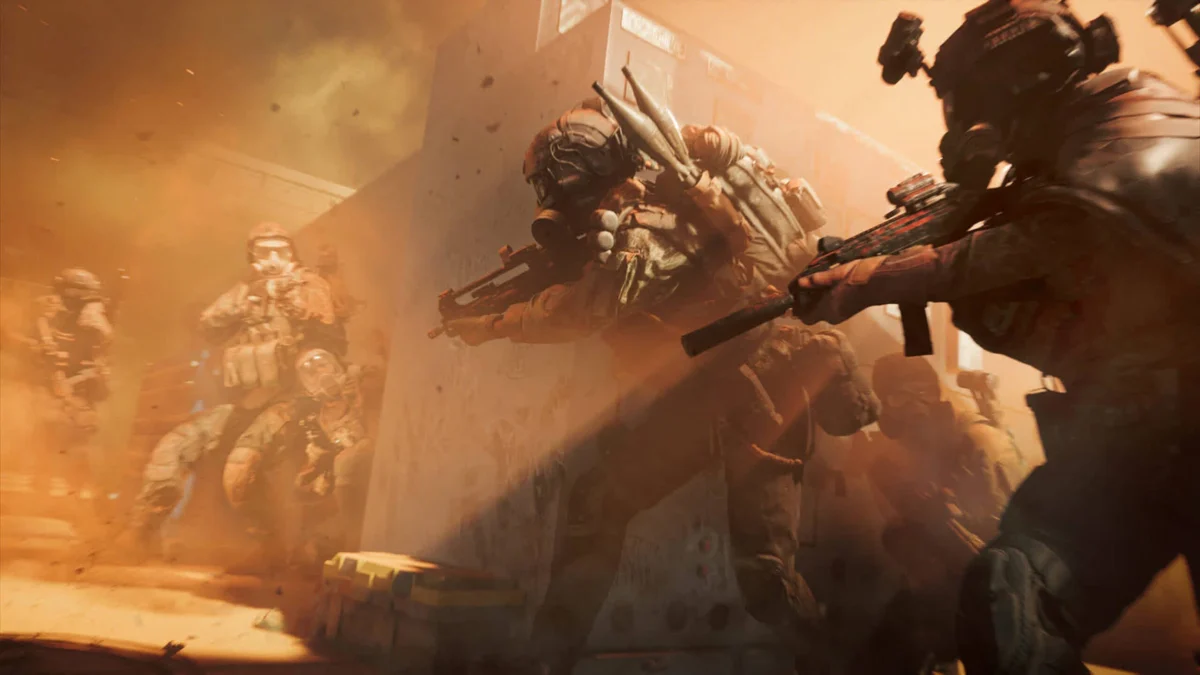
Battlefield Studios has officially unveiled its comprehensive content roadmap for Battlefield 6 throughout 2026, offering players a transparent look at the multiplayer shooter’s trajectory following months of community anticipation. Released via a detailed developer briefing titled "The Year Ahead," the newly outlined schedule maps out three distinct seasons, a major expansion into naval combat, highly requested community features, and a heavy reliance on reimagined classic maps from franchise history. While the announcement provides much-needed clarity for the player base, it also sparks discussion regarding the developer’s balance between nostalgic map redesigns and entirely original combat spaces.
Main Facts and Seasonal Breakdown
The roadmap confirms that Battlefield Studios has three major content updates lined up for the remainder of 2026, designated as Seasons 3, 4, and 5. Season 3 is slated to launch in May, followed by Season 4 in July, and Season 5 arriving later in the year. Each update is designed to introduce new gameplay modes, quality-of-life adjustments, and distinct theatres of war to keep the player retention high across both PC and console platforms.
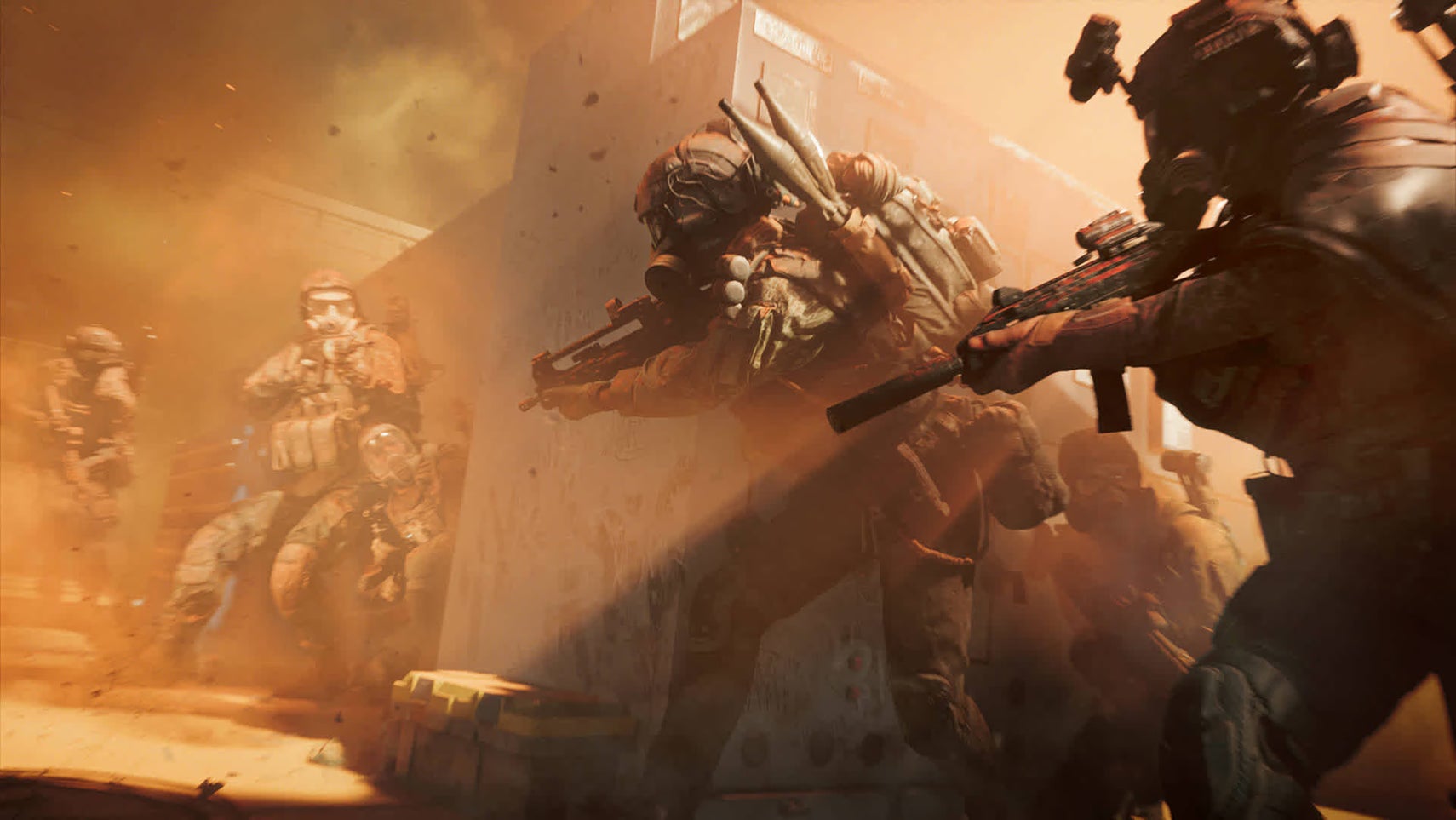
Season 3 will serve as the immediate focal point for the community. Alongside the previously anticipated remake of the fan-favorite Golmud Railway—rebranded as Railway to Golmud—players will receive a reimagined version of Battlefield 3’s iconic urban map Grand Bazaar, now designated as Cairo Bazaar. Furthermore, Season 3 addresses competitive and solo player demands by introducing solo queues for the Redsec battle royale mode, alongside the integration of dedicated ranked play playlists.
Season 4 is projected to be the most ambitious update of the year, headlined by the long-awaited introduction of full-scale naval warfare. This maritime theatre will debut across two distinct maps, most notably Tsuru Reef, a Pacific-themed environment praised by developers for surpassing Golmud as the largest playable map in Battlefield 6 history. Season 4 will also see the return of Wake Island, one of the most recognizable maps in first-person shooter history. Alongside these environments, the update will introduce a dynamic wave physics system, operational flight decks on aircraft carriers, and specialized naval vehicles designed to fundamentally alter squad dynamics.
Season 5 remains largely shrouded in mystery, though Battlefield Studios has confirmed it will buck the traditional two-map seasonal trend by delivering three maps simultaneously. However, specifics regarding themes, mechanics, and exact release windows for Season 5 are being held back for future announcements.

Chronology of Development and Community Expectations
The release of the 2026 roadmap arrives after a four-month period of sparse communication from Battlefield Studios regarding long-term post-launch support. Ever since the initial rollout of Battlefield 6, the community has routinely voiced desires for greater transparency, classic franchise features, and expanded gameplay variety.
The timeline of upcoming updates indicates a structured, deliberate cadence by the development team:
- May 2026 (Season 3): Focuses on tactical urban and railway combat updates (Cairo Bazaar and Railway to Golmud), alongside the debut of Redsec ranked play and solo battle royale modes.
- July 2026 (Season 4): Marks a massive mechanical shift with the integration of naval combat, the massive Tsuru Reef map, Wake Island, custom lobbies, and a dedicated Spectator Mode.
- Late 2026 (Season 5): Promises a triple-map drop, though narrative and gameplay specifics remain unverified.
- Ongoing 2026 Implementation: The phased return of persistent servers, custom community hosting tools, and a centralized server browser.
The Return of Legacy Features and Server Infrastructure
Beyond maps and seasonal themes, the 2026 roadmap directly addresses long-standing community grievances regarding server management and community-driven gameplay. Battlefield Studios confirmed the eventual return of persistent servers and a fully integrated server browser, mirroring the classic infrastructure that defined older entries in the franchise.

For years, modern multiplayer titles have increasingly favored strict matchmaking algorithms over community-run servers. The reintroduction of player-hosted custom lobbies and persistent server control in Battlefield 6 represents a significant pivot toward empowering clans, casual communities, and custom rule-set creators. While exact technical implementation details regarding server rentals and hosting permissions remain unannounced, the mere confirmation of the feature has been met with widespread approval from veteran players.
Analysis of Content Strategy: Innovation Versus Nostalgia
A critical point of discussion arising from the "The Year Ahead" presentation is Battlefield Studios’ heavy reliance on map remakes. A significant majority of the environments highlighted in the 2026 roadmap are reimagined classics from older titles such as Battlefield 3 and Battlefield 4, rather than entirely new intellectual properties or fictional combat zones.
While map remakes are a proven method for driving engagement and leveraging nostalgia, industry analysts note that an over-reliance on legacy content can sometimes signal conservative design choices or constrained development resources for entirely original assets. However, historical precedent within the franchise suggests that Battlefield Studios frequently alters the layout, destruction mechanics, and operational flow of classic maps to fit modern gameplay loops. Initial impressions from players interacting with earlier remakes in Battlefield 6 indicate that these reimagined spaces manage to feel distinct from their source material, mitigating some concerns regarding a lack of originality.

Broader Impact and Industry Implications
The execution of the 2026 roadmap will likely serve as a defining test for Battlefield 6’s long-term viability in an increasingly crowded tactical shooter market. By formally committing to naval warfare—a notoriously complex sandbox environment to balance—Battlefield Studios is attempting to recapture the large-scale vehicular chaos that historically separated the franchise from its competitors.
As the industry shifts toward seasonal live-service models that demand constant content delivery, player retention often hinges on the developer’s ability to balance technical performance updates with fresh gameplay experiences. With Season 3 details scheduled to drop in the coming days, the pressure is on Battlefield Studios to deliver on promises that bridge the gap between classic franchise identity and modern multiplayer expectations.