






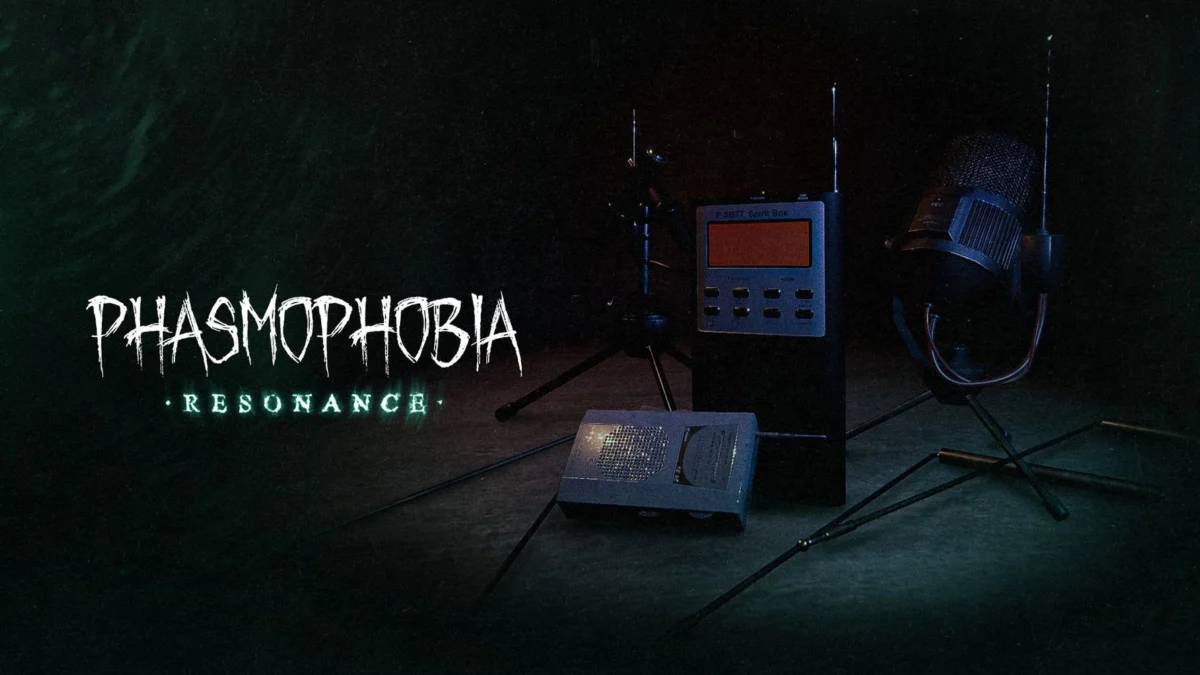
The landscape of cooperative psychological horror is set to undergo a significant transformation as Kinetic Games prepares to deploy the "Resonance" update for its flagship title, Phasmophobia, on November 24. This latest content rollout represents one of the most technically ambitious milestones in the game’s Early Access lifecycle, marking the transition of the project to the Unity 6 engine. Beyond the architectural shift, the update introduces a variety of gameplay enhancements, including the long-awaited dowsing rods, refined audio-tracking mechanics, and expanded cross-platform functionality via Xbox Play Anywhere.
A New Era of Technical Foundation
The migration to Unity 6 is arguably the most critical component of the Resonance update. For a game that relies heavily on atmospheric tension and environmental storytelling, the technical underpinnings are paramount. Daniel Knight, CEO and game director at Kinetic Games, has framed this transition as a fundamental necessity for the game’s long-term health. By moving to a more modern engine, the development team has been able to implement sophisticated lighting improvements that go beyond simple aesthetic upgrades.
Enhanced lighting models in Phasmophobia are expected to significantly alter the player experience, particularly when navigating the game’s darker corridors and abandoned structures. Improved shadows and light-source behavior contribute to a heightened sense of immersion, which is vital for a game where the player’s survival often depends on observing subtle environmental cues. Additionally, the move to Unity 6 has facilitated the inclusion of advanced quality-of-life features, such as comprehensive color-blindness settings, VR Eye Adaptation, and broader graphical configurations that allow players to fine-tune their experience to their specific hardware capabilities.
Gameplay Expansion: Dowsing Rods and Audio Sensors
The Resonance update introduces dowsing rods, a new investigative tool designed to simplify the localization of cursed bones—a task that has historically been time-consuming on larger, more labyrinthine maps like Brownstone High School. The mechanic follows the game’s established tier-based progression system. Players will find that the effectiveness of the dowsing rods scales with their tier; while entry-level rods provide general directional guidance, the Tier 3 iteration is capable of pinpointing the exact floor on which the bone is located.
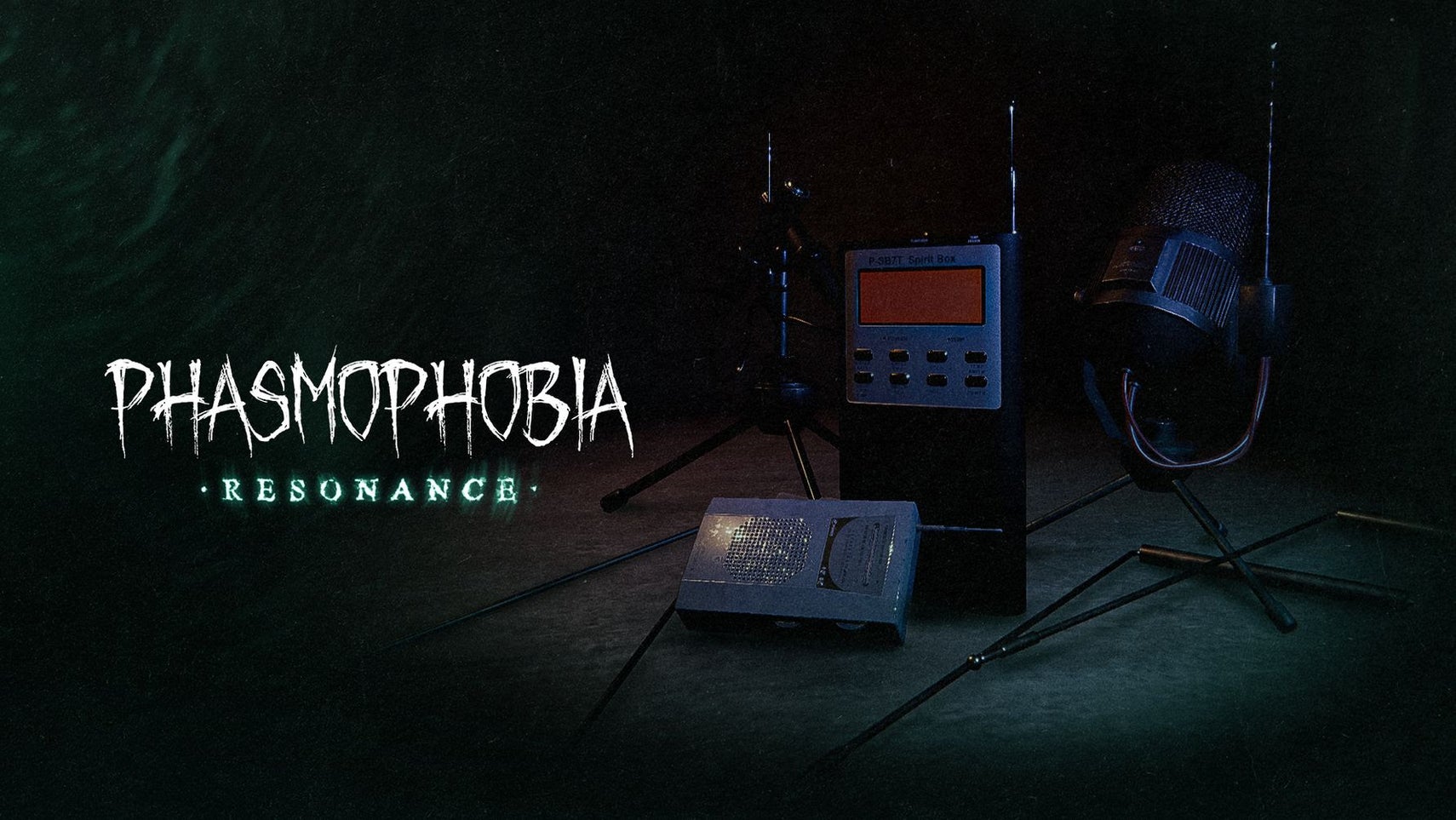
Complementing this is a comprehensive overhaul of the sound sensor system. The interface has been completely redesigned to provide more granular data regarding ambient noise. By differentiating between ongoing environmental sounds and singular, distinct events, the updated sensors allow investigators to triangulate ghost activity with greater precision. Furthermore, the integration of speed-tracking data directly onto the map screen provides a crucial clue for identifying ghost types, as movement speed is a key differentiator in the game’s complex ghost classification system.
Advanced Interaction and Player Agency
In an effort to make ghost investigations more interactive, Kinetic Games is introducing a list of specific voice commands documented within the in-game journal. Players can now solicit physical interactions from entities, such as requesting that a ghost move a door, toggle a light switch, or displace nearby objects. This shift moves the game further away from passive observation and toward a more reactive, conversational loop between the hunter and the hunted.
The update also addresses player feedback regarding map selection. To reduce the repetition inherent in randomized contracts, the developers are introducing a custom map-pool feature. This allows users to curate a specific selection of environments for random rotation. Combined with new, intuitive buttons for sorting maps by size—small, medium, or large—the update provides a more streamlined approach to contract management, allowing players to tailor their sessions to their preferred difficulty and playstyle.
Chronology and Development Context
The trajectory of Phasmophobia has been characterized by both immense success and significant public challenges. Since its initial launch into Early Access in 2020, the game became a cultural phenomenon, redefining the co-op horror genre. However, the development timeline has faced scrutiny. Earlier this year, Kinetic Games announced a major shift in its roadmap, delaying the official 1.0 release from 2024 to 2027.
This decision was not made lightly. Following the release of the "Player Character Update," which was met with a lukewarm reception and technical instability, the studio publicly apologized for missing the mark on player expectations. The decision to delay the full 1.0 launch was framed as a commitment to quality over speed. The Resonance update serves as the first major delivery of this "quality-first" philosophy, demonstrating that the studio is prioritizing the stability and refinement of its core systems—such as the engine migration—before pushing toward a full commercial release.
Community Engagement and Social Responsibility
Beyond game development, Kinetic Games has demonstrated a notable commitment to social causes. Earlier in November, the Phasmophobia community participated in a charity drive for the American Heart Association, raising over $230,000. This figure more than doubled the amount raised during the previous year’s event, highlighting the strength and dedication of the title’s player base. This level of community involvement is often cited by industry analysts as a factor in the game’s sustained popularity, even amidst the extended Early Access period.
Implications for Cross-Platform Play
The introduction of Xbox Play Anywhere support is a significant development for the game’s reach. By allowing players to purchase the digital edition on Xbox and carry that entitlement over to PC and compatible devices like the ROG Ally, Kinetic Games is lowering the barrier to entry for cross-platform play. This is particularly relevant as the game continues to expand its footprint; while currently available on Steam, PS5, PS VR2, and Xbox Series X/S, the studio has also confirmed that a Nintendo Switch 2 version is in development, though a firm release date remains elusive.

Regulatory and Stability Measures
As part of the broader effort to improve the player experience, Resonance includes a new conduct warning system. Recognizing the challenges of managing a massive, global multiplayer community, this system is designed to provide players with a clear warning before a ban is issued, provided the infraction does not involve severe violations of the game’s terms of service. This represents a more transparent approach to moderation, likely intended to reduce friction within the community and maintain a healthier competitive environment.
Analysis of the Current Landscape
From a market perspective, Phasmophobia remains a dominant force in the independent horror space. Its longevity, even without a "full" release, is a testament to the effectiveness of the live-service model when managed with transparency. The transition to Unity 6 is not merely a feature update; it is a signal of the studio’s intent to maintain the game’s relevance in an increasingly crowded market of co-op horror titles.
As the industry observes the lead-up to the 2027 1.0 release, the Resonance update will act as a barometer for player sentiment. By addressing the technical debt accrued through years of rapid expansion, Kinetic Games is positioning itself to deliver a more polished, stable, and immersive experience. The addition of refined voice interactions and improved investigation tools suggests a future where Phasmophobia is less about "finding the ghost" and more about "engaging with the supernatural," a shift that could define the next phase of the game’s evolution.
In summary, the Resonance update is a multifaceted response to the demands of a maturing player base. By balancing new gameplay mechanics with essential engine-level upgrades and a commitment to player conduct, Kinetic Games is attempting to bridge the gap between its humble beginnings and its eventual 1.0 launch. With the release scheduled for November 24, the gaming community will soon see whether these changes are sufficient to sustain the momentum built over the past four years.