






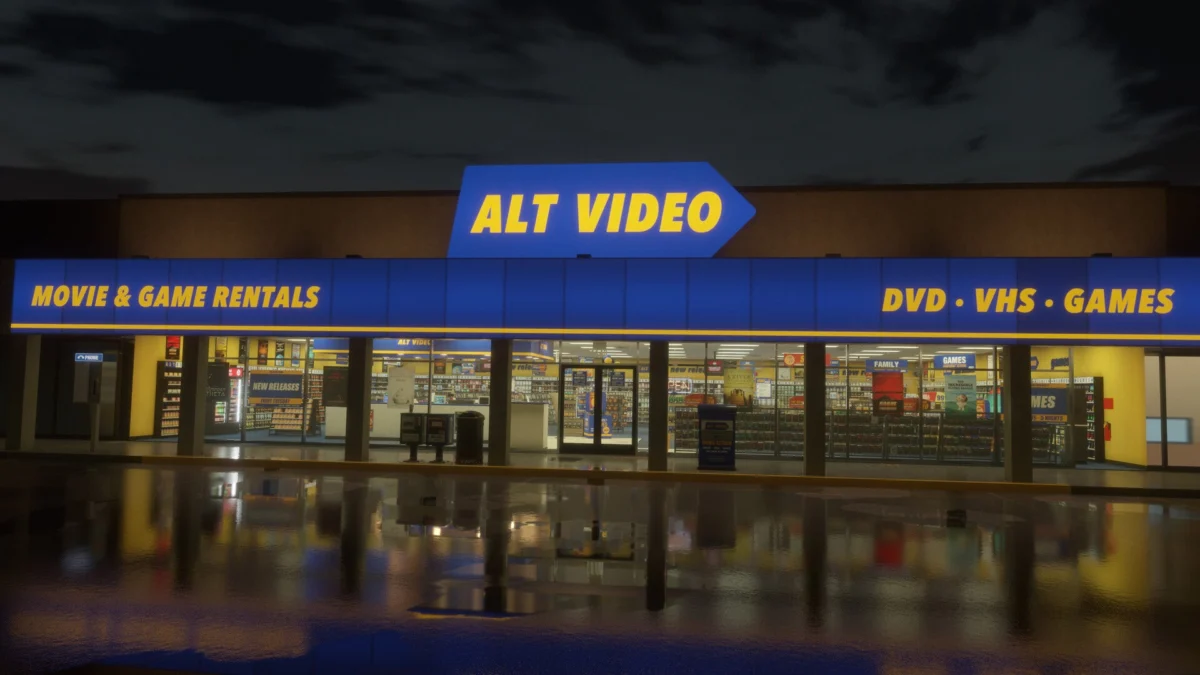
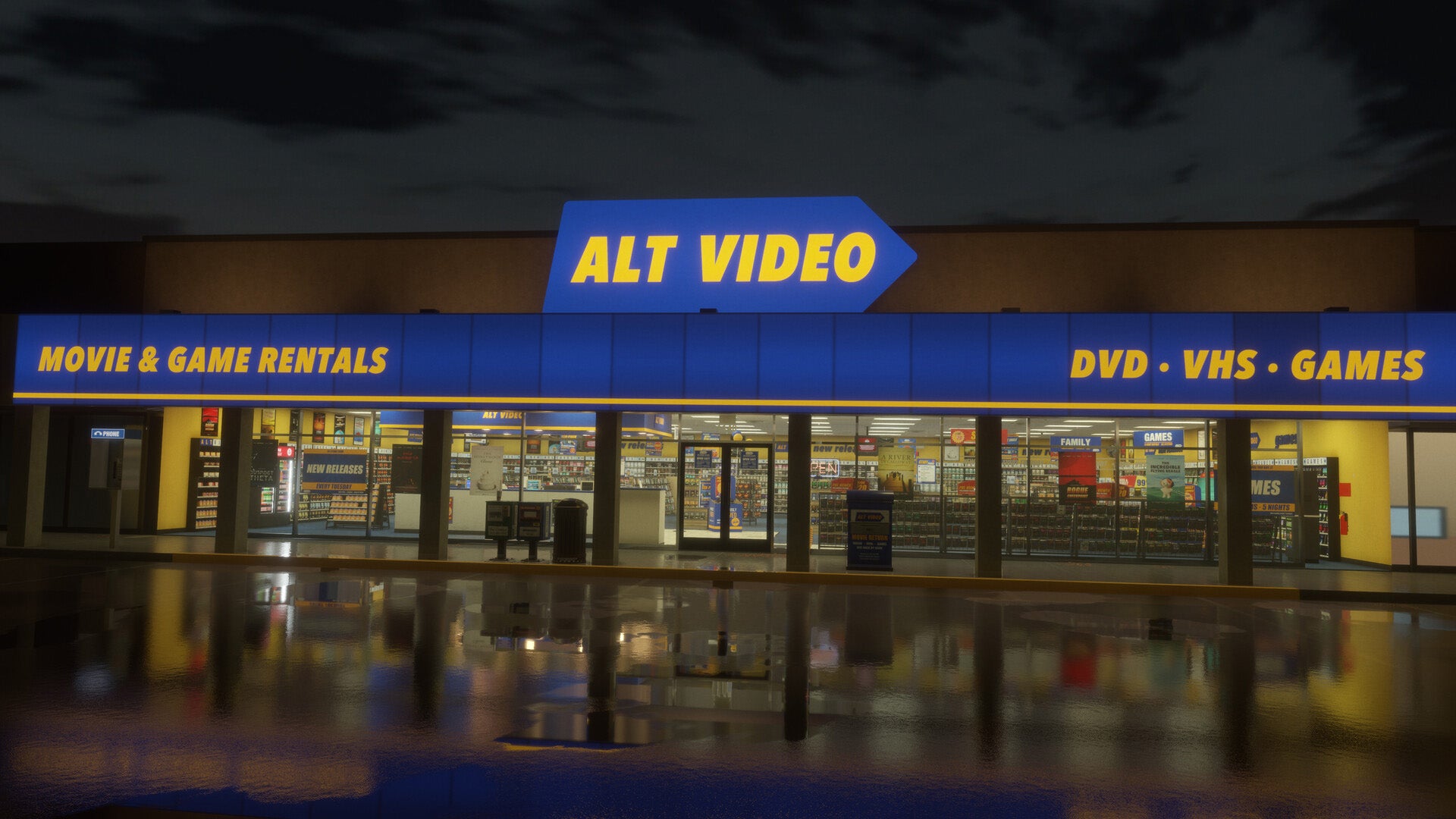
The digital revolution transformed how consumers interact with media, moving the industry away from physical ownership and toward ephemeral, cloud-based subscriptions. As physical media collections have increasingly migrated to server-side platforms like Plex, Jellyfin, or social tracking databases like Letterboxd, the tactile experience of browsing a video rental store has largely vanished. Developers are now attempting to bridge the gap between modern digital convenience and nostalgic physical aesthetics. Enter Alt Video, an upcoming software title slated for early access release on November 24th, which allows users to render their digital movie and television libraries as a fully navigable, retro-inspired video rental store.
Developed by WestonBDev, Alt Video serves as both a digital media manager and an atmospheric simulation. By integrating with established third-party services, the software populates a virtual storefront with physical-style DVD and Blu-ray cases that correspond to the user’s actual digital collection. The application is designed to function as an immersive front-end for media enthusiasts who crave the visual satisfaction of a shelf-lined collection without the spatial requirements of physical hardware.
The Mechanics of Virtual Cataloging
The core functionality of Alt Video rests on its ability to interface with existing data silos. For users of Letterboxd, the popular film-tracking social network, the software provides a streamlined import process. By exporting data from a user’s profile, the application populates the store shelves with titles that the user has previously logged. A notable design detail is the inclusion of user ratings; these are rendered on the reverse side of the virtual DVD case, effectively mirroring the "critic’s choice" style stickers once found in brick-and-mortar stores.
For those who prioritize high-fidelity local streaming, the integration with media server software such as Plex or Jellyfin offers a more functional layer. Unlike the static Letterboxd integration, connecting a Plex or Jellyfin server enables the "cinema room" feature. This space allows users to playback their own media files directly within the virtual environment. To further enhance the experience, the software includes multiplayer support, allowing users to invite their Steam friends to participate in "watch parties" within the virtual theater, replicating the communal experience of a movie night in a controlled, atmospheric space.
Technical Specifications and Design Philosophy
The development trajectory of Alt Video aligns with the growing "cozy simulation" genre, which has recently seen titles like Boxroom gain popularity for their focus on personalizing digital spaces. The software is built with high-fidelity visual elements, including a dynamic day-night cycle and weather systems that alter the aesthetic of the shopfront. Users are provided with multiple environments, including a 1990s-style bedroom and a family living room, both designed to evoke the specific "CRT-era" nostalgia that characterizes current retro-gaming trends.
Beyond the aesthetic, the software provides granular control for power users. While the primary draw is the automated import of data, the developer has included manual override capabilities, allowing users to add specific titles to their shelves regardless of their status in an external database. Furthermore, for users seeking total immersion, the software includes full virtual reality (VR) support, allowing individuals to physically walk the aisles of their own collection.
Market Context and the Shift in Media Consumption
The launch of Alt Video arrives at a critical juncture in the media landscape. Over the past decade, the rise of streaming platforms has led to "subscription fatigue," prompting a renewed interest in digital ownership and local media hosting. Data from industry analysts suggests a plateau in the growth of major streaming services, which has historically coincided with a resurgence in physical media sales.
According to a 2023 report by the Digital Entertainment Group, while physical media remains a niche segment, it has shown remarkable resilience among collectors who value the permanence of ownership. Alt Video occupies the middle ground of this trend: it acknowledges the reality that most modern media consumption occurs through digital files, but it provides the psychological comfort of a curated, physical-adjacent display.
By creating a bridge between decentralized platforms like Letterboxd and server-side software like Plex, Alt Video is positioning itself as a "meta-layer" for media consumption. It does not replace the source of the content, but rather enhances the user experience of interacting with that content.
Chronology of Development
The project has moved through several development milestones since its inception earlier this year. WestonBDev began publicizing the project through social media channels and developer diaries, emphasizing the community-driven aspect of the store’s features. The decision to launch in early access on November 24th was announced to allow for iterative feedback, particularly regarding the planned expansion of the software’s "job simulator" elements.
- Early 2024: Initial development of the database integration logic and basic 3D asset implementation.
- Mid-2024: Implementation of the cinema room and multiplayer sync features for Plex and Jellyfin.
- Late 2024: Optimization for VR environments and refinement of the day-night weather engine.
- November 24, 2024: Scheduled early access release on Steam.
Future Roadmap and Implications
While the initial release focuses on browsing and media playback, the developer has outlined an ambitious roadmap for the early access period. Future updates are expected to include actual store management gameplay, where the user can simulate the duties of a clerk. This would involve organizing inventory, handling customer recommendations, and managing the store’s layout.
The implications for this software are twofold. First, it demonstrates the maturation of "virtual room" software as a viable niche for PC users. As hardware capabilities continue to improve, the demand for virtual spaces that mirror physical hobbies will likely increase. Second, it highlights the potential for cross-platform utility in media management. By turning a social media list (Letterboxd) into a spatial object (a DVD case), the software changes the way users interact with their own historical data.
However, the software is not without its limitations. Reliance on third-party APIs and the requirement for users to have an existing library means the software is inherently targeted at power users—those who already curate their own media. Whether the platform can sustain interest beyond the initial novelty phase will depend on the frequency of content updates and the stability of the integrations with Plex and Jellyfin.
As of late November 2024, the developer has confirmed that the software will be available via Steam, with the community Discord serving as the primary hub for bug reporting and feature requests. For a generation of film enthusiasts who grew up in the era of physical rentals, Alt Video represents more than just a media player; it is an attempt to preserve the ritual of the browse, ensuring that even as media becomes entirely intangible, the feeling of "owning" a collection remains intact.