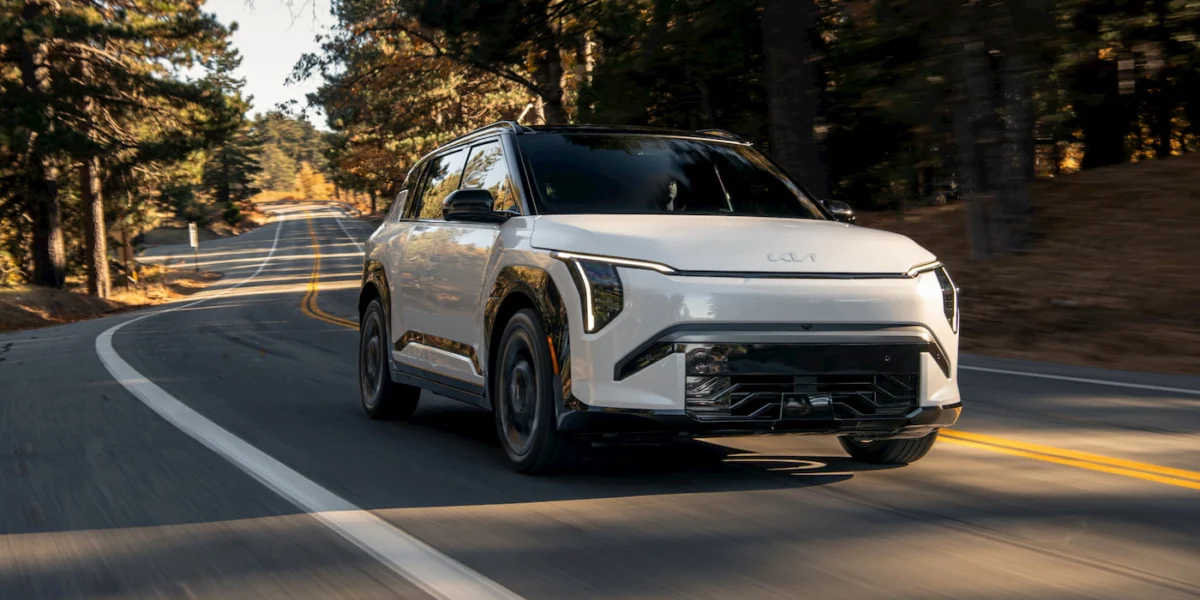
The automotive landscape is undergoing a massive structural shift toward accessible electrification, and the official introduction of the 2027 Kia EV3 in the United States marks a pivotal milestone for budget-conscious consumers looking to transition to zero-emission driving. With a starting manufacturer’s suggested retail price (MSRP) of $29,890 before destination fees, the highly anticipated compact electric SUV has officially landed on dealership lots across the country. As prospective buyers weigh their options in a rapidly expanding market of affordable battery-electric vehicles (BEVs), attention has quickly turned toward the newly announced lease incentives, financing promotions, and comprehensive trim-level pricing structures that dictate the true cost of ownership.
Market Context and the Evolution of Affordable EVs
For years, automotive analysts and everyday consumers alike have pointed to high upfront vehicle costs as the primary barrier to widespread electric vehicle adoption. While early-market BEVs often targeted luxury segments with six-figure price tags, legacy automakers and EV startups have gradually shifted focus toward high-volume, mainstream segments. The sub-$30,000 price point has long been considered the holy grail of mass-market automotive sales.
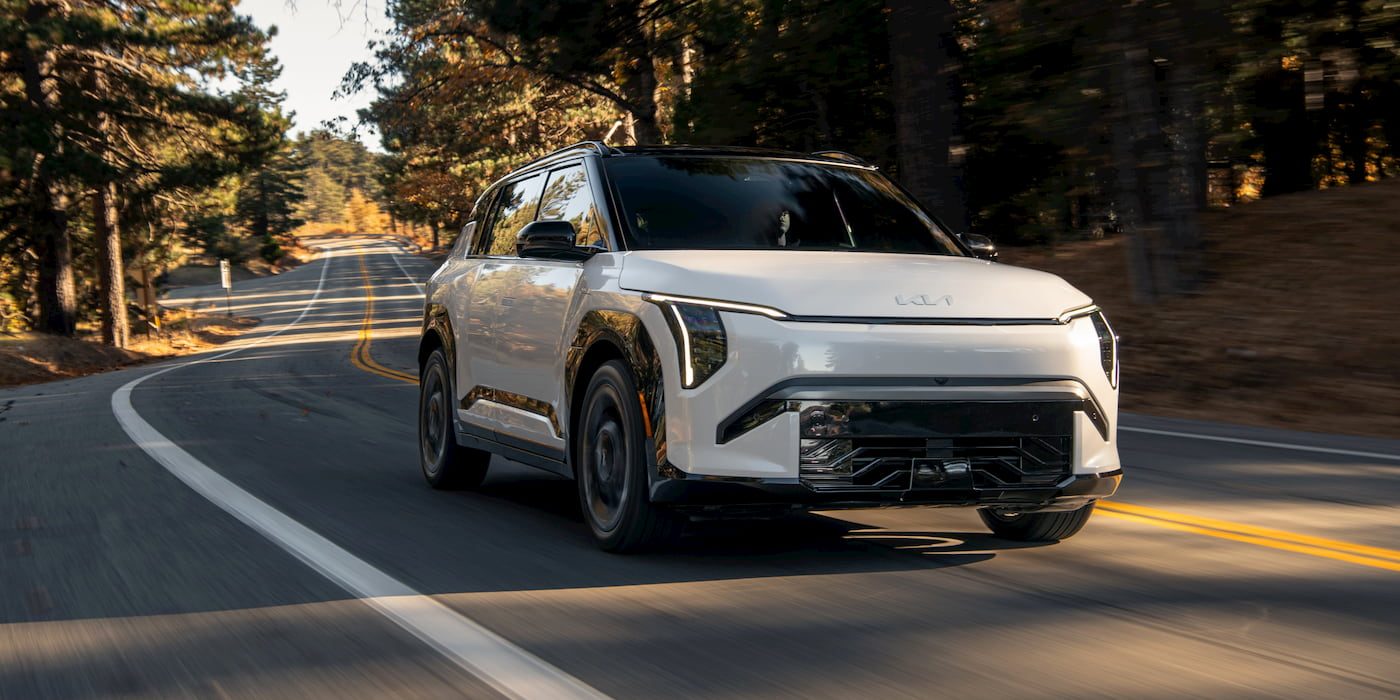
Kia’s entrance into this space with the EV3 is not happening in a vacuum. It arrives alongside newly redesigned competitors such as the Chevrolet Bolt and the Nissan LEAF, both of which have historically dominated the entry-level electric market. However, the EV3 distinguishes itself by packaging long-range capabilities, modern platform architecture, and a utility-focused SUV silhouette into a footprint that appeals directly to urban commuters and small families. By capturing the title of America’s most affordable long-range electric vehicle with over 315 miles of EPA-estimated driving capability—a crown it recently wrested from the Chevrolet Equinox EV—Kia is strategically positioning itself to capture a dominant market share in the sub-$40,000 segment.
Comprehensive Trim Lineup and Powertrain Specifications
The 2027 Kia EV3 is structured across a diverse five-tier trim hierarchy: Light, Wind, Land, GT-Line, and the range-topping performance-focused GT model. This tiered approach allows buyers to tailor their vehicle investment precisely to their daily driving habits and regional climate requirements.
At the foundation of the lineup is the EV3 Light FWD, which carries a base MSRP of $29,890 (excluding the standard $1,495 delivery fee). Equipped with a 58.3 kWh battery pack, the Light trim delivers a respectable EPA-estimated driving range of 221 miles, making it an ideal candidate for city dwellers and short-distance commuters who do not require ultra-long-range capability.
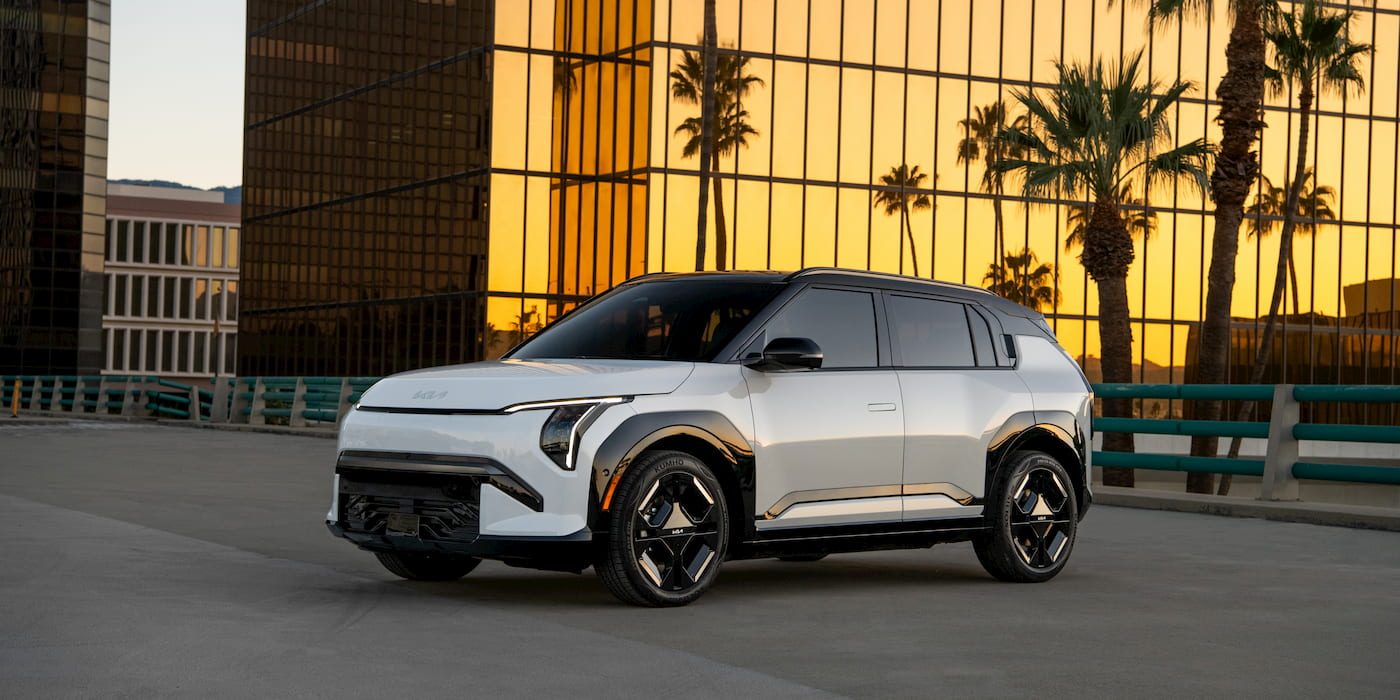
Stepping up to the Wind, Land, GT-Line, and GT trims introduces a significantly larger 81.4 kWh battery pack. This high-capacity energy storage system extends the vehicle’s driving range up to an impressive 321 miles on front-wheel-drive configurations. For front-wheel-drive variants, propulsion is handled by a single electric motor producing 201 horsepower. Buyers requiring enhanced traction in inclement weather can opt for an all-wheel-drive (AWD) configuration on select trims. For a $3,200 premium, Kia adds a secondary rear electric motor, boosting total system output to 261 horsepower, though the added weight slightly reduces the EPA-estimated driving range to 280 miles.
At the pinnacle of the lineup sits the $46,000 EV3 GT. Designed for driving enthusiasts who still demand crossover utility, the GT variant bumps total power output to an exhilarating 288 horsepower while incorporating exclusive exterior and interior design elements that set it apart from its tamer stablemates.
Charging Infrastructure and In-Cabin Technology
Beyond raw performance and range metrics, the 2027 Kia EV3 integrates advanced charging architecture designed to streamline long-distance travel. In a major win for consumer convenience, every EV3 trim level comes equipped with a native North American Charging Standard (NACS) port straight from the factory. This design choice eliminates the need for clumsy aftermarket adapters, allowing EV3 drivers to seamlessly utilize Tesla’s sprawling Supercharger network without friction.
When plugged into a DC fast-charging station, the vehicle demonstrates efficient thermal management and power draw capabilities. The smaller 58.3 kWh battery can replenish its state of charge from 10% to 80% in approximately 29 minutes, while the larger 81.4 kWh battery accomplishes the same feat in roughly 31 minutes, minimizing downtime on road trips.
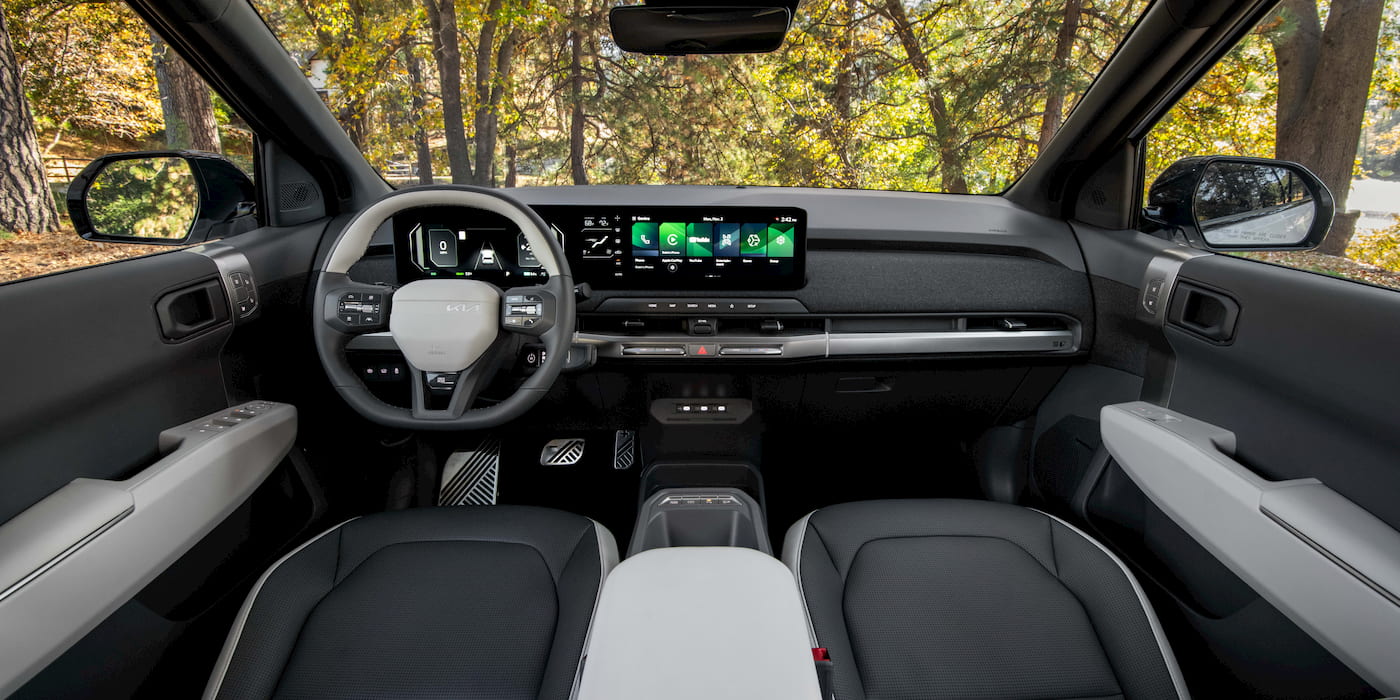
Inside the cabin, Kia has eschewed the traditional budget-car aesthetic in favor of a futuristic, high-tech command center. All models incorporate the automaker’s advanced ccNC (connected car Navigation Cockpit) software suite, offering standard wireless connectivity for both Apple CarPlay and Android Auto. The dashboard is dominated by a sprawling layout spanning nearly 30 inches of combined screen real estate. This includes a dual 12.3-inch configuration housing the digital instrument cluster and infotainment touchscreen, seamlessly integrated alongside a dedicated 5-inch climate control display panel.
Official Lease Rates and Promotional Financing Offers
With pricing details fully established, consumer interest has naturally shifted toward monthly affordability. Kia has rolled out an aggressive promotional lease and financing structure designed to entice buyers away from traditional internal combustion vehicles and rival electric crossovers.
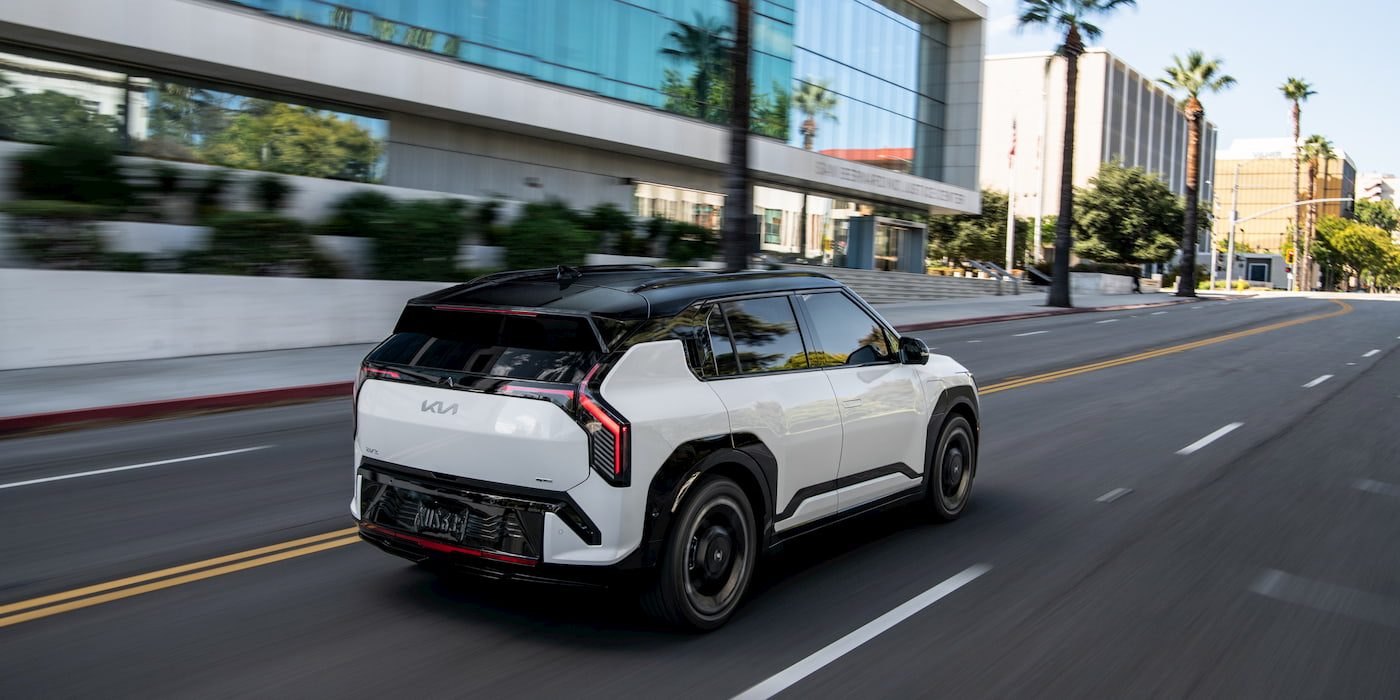
The promotional lease campaign is anchored by the popular EV3 Wind FWD trim. Qualified lessees can secure a 24-month term starting at $349 per month, backed by a $3,999 down payment due at signing. Alternatively, Kia offers a slightly longer 34- to 36-month lease term for the Wind FWD priced at $359 per month with the same $3,999 due at signing.
For consumers requiring all-wheel-drive traction, the EV3 Wind AWD is featured in a promotional lease tier set at $399 per month for a 24-month duration, or $409 per month for a 36-month term, both maintaining the consistent $3,999 initial down payment requirement.
While the entry-level EV3 Light FWD does not feature heavily advertised national promotional lease rates, localized manufacturer payment calculators estimate monthly obligations hovering around $352 for a 24-month agreement and $350 for a 36-month term, assuming the standard $3,999 upfront capital investment.
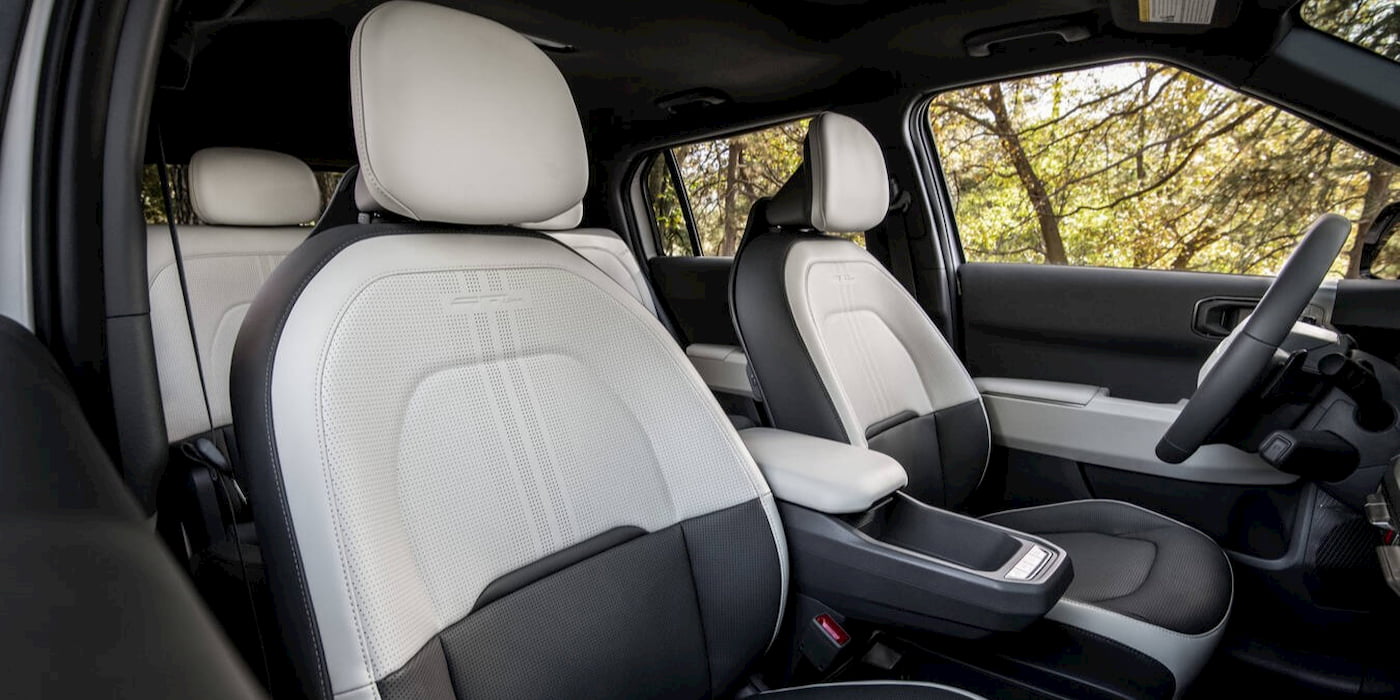
To sweeten the purchase process further, Kia is offering a nationwide $1,500 customer cash discount applicable across the entire 2027 EV3 product lineup. For buyers interested in traditional vehicle ownership rather than leasing, promotional financing rates as low as 0.90% APR for terms up to 48 months are currently available through Kia Finance America for well-qualified buyers.
Competitive Landscape: How the EV3 Stacks Up
The entry-level and compact electric SUV segments are fiercely contested, forcing manufacturers to continuously sharpen their value propositions. When evaluated against direct market rivals, the EV3 holds a distinct financial advantage.
Consider the newly updated Chevrolet Bolt FWD LT, which carries a promoted lease rate of $419 per month for 36 months, paired with a steeper $5,119 due at signing. When factoring in the total cash outlay amortized over the lease term, the Bolt commands an effective monthly cost of approximately $561. By comparison, the EV3 Wind FWD operates at an effective monthly cost of roughly $515, making the Kia significantly cheaper to park in the garage despite offering a more expansive feature set and comparable or superior driving range.

However, internal competition within the broader Hyundai-Kia corporate umbrella remains robust. The popular Hyundai IONIQ 5 continues to represent a formidable alternative for consumers willing to stretch their budget slightly. Backed by manufacturer incentives offering up to $5,000 in total customer savings, IONIQ 5 leases start at $319 per month for 24 months with $4,999 due at signing. When fully calculated, the effective monthly cost of the larger IONIQ 5 sits at approximately $527—just a marginal $12 premium over the Kia EV3. This close pricing margin gives consumers a compelling dilemma: choose the smaller, purpose-built, longer-range EV3, or scale up to the slightly more spacious and powerful IONIQ 5 for a negligible monthly difference.
Industry Implications and Future Outlook
The arrival of the 2027 Kia EV3 underscores a maturing electric vehicle market where automakers are no longer relying solely on novelty to drive sales. Instead, success is being dictated by relentless refinement in pricing parity, battery supply chain localization, charging standardization, and interior technology integration.
By delivering a sub-$30,000 entry point alongside a 321-mile long-range variant that undercuts domestic and foreign competitors alike, Kia has established a high benchmark for what consumers should expect from an affordable modern crossover. As dealerships continue to populate their inventory with the new EV3 and promotional financing incentives remain active, industry observers will closely monitor whether this aggressive pricing strategy succeeds in accelerating mainstream consumer conversion from gasoline-powered vehicles to electric mobility on a mass scale.