The corporate landscape of the 1990s was defined by aggressive expansions, high-stakes negotiations, and occasionally, personal rivalries that spilled over into the public eye. Few executives embodied this era quite like former Nike CEO Phil Knight. During the height of his tenure, Knight was rarely seen without a pair of Oakley sunglasses, famously gracing the cover of Sports Illustrated wearing the brand’s iconic M-Frame shades. This public endorsement was more than a personal preference; it was an unspoken alliance between two titans of athletic gear. However, this alliance fractured when Oakley founder Jim Jannard rebuffed multiple buyout offers from Knight. Stung by the rejection, Nike made a pivotal strategic decision: if it could not buy Oakley, it would build its own eyewear division to crush it. This move ignited a fierce corporate feud that would influence sports optics for decades to come.
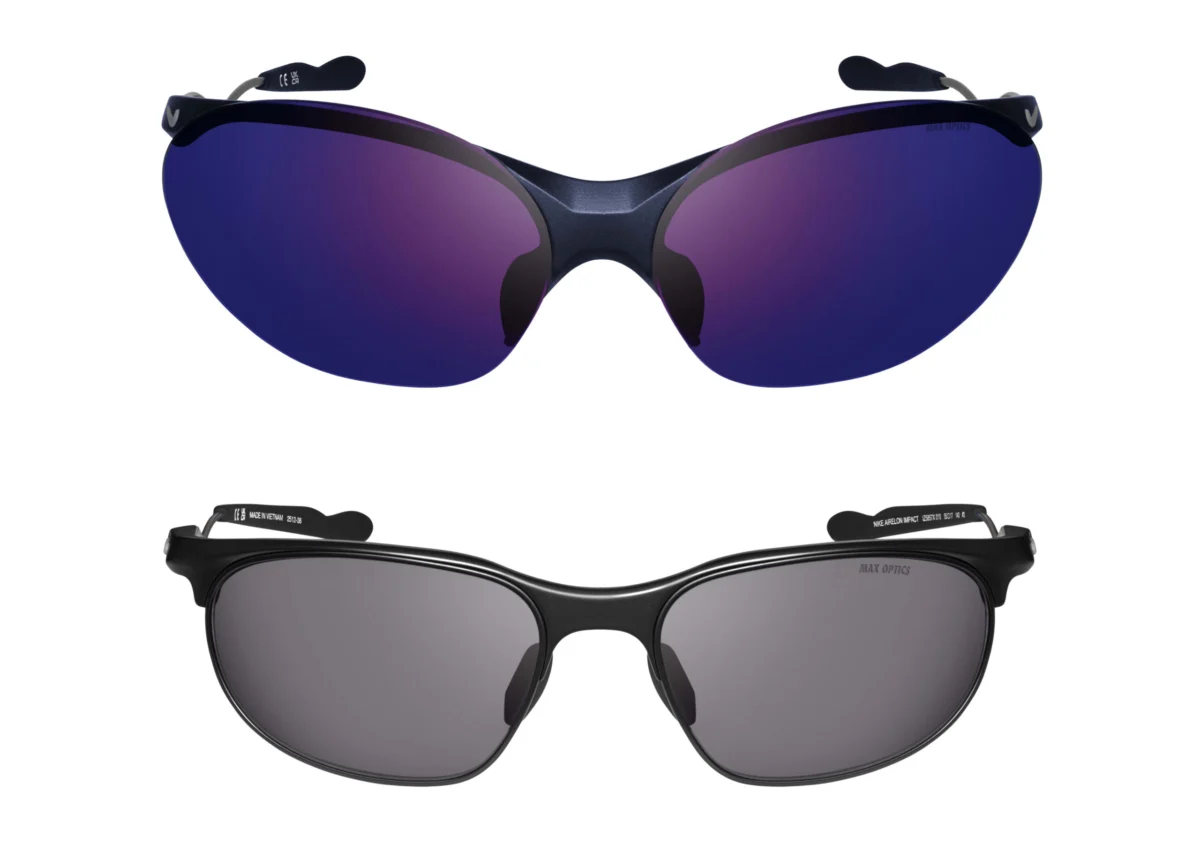
Decades after those initial skirmishes, Nike Vision is dipping back into its archives to resurrect one of the primary weapons from that era. The brand is officially relaunching its legendary Airelon silhouette, introducing two new iterations: the Airelon Force and the Airelon Impact. By bringing back a design deeply intertwined with its historical battle against Oakley, Nike is signaling a nostalgic yet modern push into the high-performance lifestyle eyewear market, targeting both seasoned athletes and consumers with an appetite for 1990s retro aesthetics.
The Evolution of a Classic Silhouette
Originally introduced during the peak of Nike’s initial push into the eyewear sector, the Airelon carved out a distinct niche for itself. While competitors leaned heavily toward bulky, full-frame plastic builds, the original Airelon stood out for its minimalist approach. It featured a lightweight construction anchored by thin wire stems attached directly to a rimless lens, balancing performance-grade aerodynamics with a sleek, futuristic aesthetic.
The newly launched Airelon Force and Airelon Impact honor the design language of their predecessor while incorporating modern manufacturing techniques and materials. Moving away from the purely wire-and-plastic composition of the 1990s originals, the updated frames feature durable, lightweight titanium construction. This material upgrade enhances structural integrity without compromising the featherlight feel that made the original frames popular.
Furthermore, Nike Vision has integrated its proprietary optical technology into the new lineup. The sunglasses utilize anti-reflective Nike Max Optics, engineered to eliminate distortion across the entire field of vision. Both the Force and Impact models incorporate 8-base lenses, a curvature standard designed to wrap around the face for maximum peripheral coverage and protection against wind, debris, and UV rays. Priced at $210, the new Nike Airelon line is currently available for purchase through official Nike channels.
A Timeline of the Nike-Oakley Rivalry
To understand the significance of the Airelon’s return, it is necessary to examine the chronology of the corporate hostilities that birthed it. The friction between Nike and Oakley represents a fascinating chapter in the history of sports marketing and athletic apparel.
1980s to Early 1990s: The Honeymoon Phase
During the formative years of Oakley’s rise as a dominant force in performance eyewear, Phil Knight was an avid consumer and public supporter of the brand. His preference for Oakley’s M-Frames was well-documented, providing the smaller eyewear company with invaluable organic marketing from the head of the world’s largest athletic footwear and apparel manufacturer.
Mid-1990s: The Buyout Rejection
Recognizing the explosive growth potential of the sports optics market, Phil Knight approached Oakley founder Jim Jannard with proposals to acquire the company. Confident in Oakley’s independent trajectory and protective of its brand identity, Jannard turned down the buyout offers. Industry analysts have often pointed to this rejection as a turning point, transforming a cooperative relationship into a fierce commercial rivalry.

Late 1990s: Nike Enters the Eyewear Market
Refusing to be sidelined in a lucrative category, Nike pivoted from consumer to competitor. The company established its own internal optics division, investing heavily in research, development, and athlete endorsements. The launch of the Airelon and other performance sunglasses during this period served as a direct salvo against Oakley’s market dominance, setting off a race for technological supremacy and high-profile athlete sponsorships.
2000s and Beyond: Market Diversification and Legal Battles
Over the subsequent decades, the rivalry expanded beyond product design into legal arenas, patent disputes, and aggressive bidding wars for top-tier Olympians, cyclists, and runners. While both companies have since navigated shifting corporate ownership structures—with Oakley eventually being acquired by Luxottica in 2007—the cultural memory of their fierce competition remains embedded in the DNA of athletic gear design.
Market Implications and Strategic Analysis
The decision to relaunch the Airelon line is not merely an exercise in nostalgia; it is a calculated business move tailored to current market conditions. The global athletic eyewear market has experienced steady growth, driven by an increasing consumer focus on outdoor recreation, running, and cycling. Simultaneously, the 1990s retro aesthetic continues to dominate fashion and streetwear trends, creating a fertile environment for archival revivals.
By updating the Airelon with premium materials like titanium and advanced optics, Nike is positioning the product at the intersection of heritage fashion and high-performance utility. At a price point of $210, the glasses target mid-to-high-tier consumers who are willing to invest in quality craftsmanship and recognizable design history.
Industry observers note that reviving legacy silhouettes allows heritage brands to leverage built-in storytelling. In an era where consumers are increasingly drawn to authentic brand narratives, the history between Nike and Oakley adds a layer of depth that newly invented product lines often lack. The Airelon Force and Impact serve as physical reminders of a time when athletic brands engaged in high-stakes corporate warfare to capture the future of sports culture.
Broader Impact on the Sports Optics Industry
The return of the Airelon also highlights shifting dynamics within the modern eyewear landscape. As conglomerates and independent brands alike vie for dominance in specialized sport niches, the demand for lightweight, high-coverage lenses has never been higher. Titanium frames, once a luxury reserved for high-end optical prescription glasses, are increasingly becoming the standard for durability in activewear.
Furthermore, Nike’s renewed focus on its optical division suggests a concerted effort to capture market share from specialized competitors who have dominated the running and training segments in recent years. By bridging the gap between lifestyle aesthetics and technical performance, Nike Vision is reminding consumers of its historical capability to innovate in categories outside of footwear and apparel.
As the Airelon Force and Airelon Impact roll out to consumers worldwide, they carry with them the legacy of a legendary corporate clash. What began as a personal slight over a rejected buyout in the 1990s ultimately catalyzed decades of innovation in sports eyewear—an evolution that consumers can now wear on their faces once again.