The EarFun Wave Pro X stands as the latest flagship entry in the company’s expanding audio portfolio, arriving with an ambitious promise to deliver premium, high-resolution wireless sound at a competitive $130 price point. By integrating a sophisticated dual dynamic driver architecture and a comprehensive suite of modern connectivity standards, the device aims to challenge mid-range market leaders. However, while the hardware engineering and feature integration demonstrate significant maturation for the brand, the final acoustic output presents a complex narrative regarding the balance between technical capability and sound signature preference.
Chronology and Market Positioning
EarFun has spent the last several years carving out a niche in the budget-to-mid-range audio market, primarily known for its value-oriented true wireless earbuds. The Wave Pro X represents a strategic pivot toward the over-ear category, building upon the foundations of the earlier Wave Pro model. Following a period of iterative development, the release of the Wave Pro X in late September 2024 signifies the company’s attempt to bridge the gap between enthusiast-grade features—such as aptX Lossless and LDAC support—and the mass-market consumer experience.
The launch follows a growing industry trend where manufacturers are increasingly incorporating high-fidelity codecs into sub-$150 products, a shift necessitated by the rising consumer demand for lossless streaming compatibility. By offering Bluetooth LE Audio and Auracast, EarFun is positioning the Wave Pro X as a forward-looking device capable of integrating into the next generation of public and private audio broadcasting standards.
Technical Architecture and Hardware Specifications
At the heart of the Wave Pro X is a dual-driver system, a rarity in this price bracket. The setup employs a 40mm dynamic driver tasked with handling the low-frequency spectrum, paired with a dedicated 10mm Liquid Crystal Polymer (LCP) dynamic driver designed to address high-frequency reproduction. The inclusion of an internal USB DAC—supporting audio up to 16-bit/48kHz via wired USB-C connection—further underscores the focus on high-fidelity signal processing.
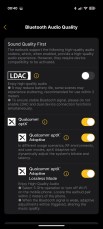
The device boasts an exhaustive list of connectivity options. Beyond the standard SBC and AAC codecs, it supports the full range of Qualcomm’s aptX suite, including aptX Adaptive, aptX HD, and the flagship aptX Lossless. This ensures that users on Android devices, in particular, can access near-CD-quality wireless audio. Furthermore, the headphones are equipped with eight distinct microphones for hybrid Active Noise Cancellation (ANC) and voice pickup, ensuring that the hardware is as capable in a professional meeting environment as it is during recreational media consumption.
Design, Ergonomics, and Build Quality
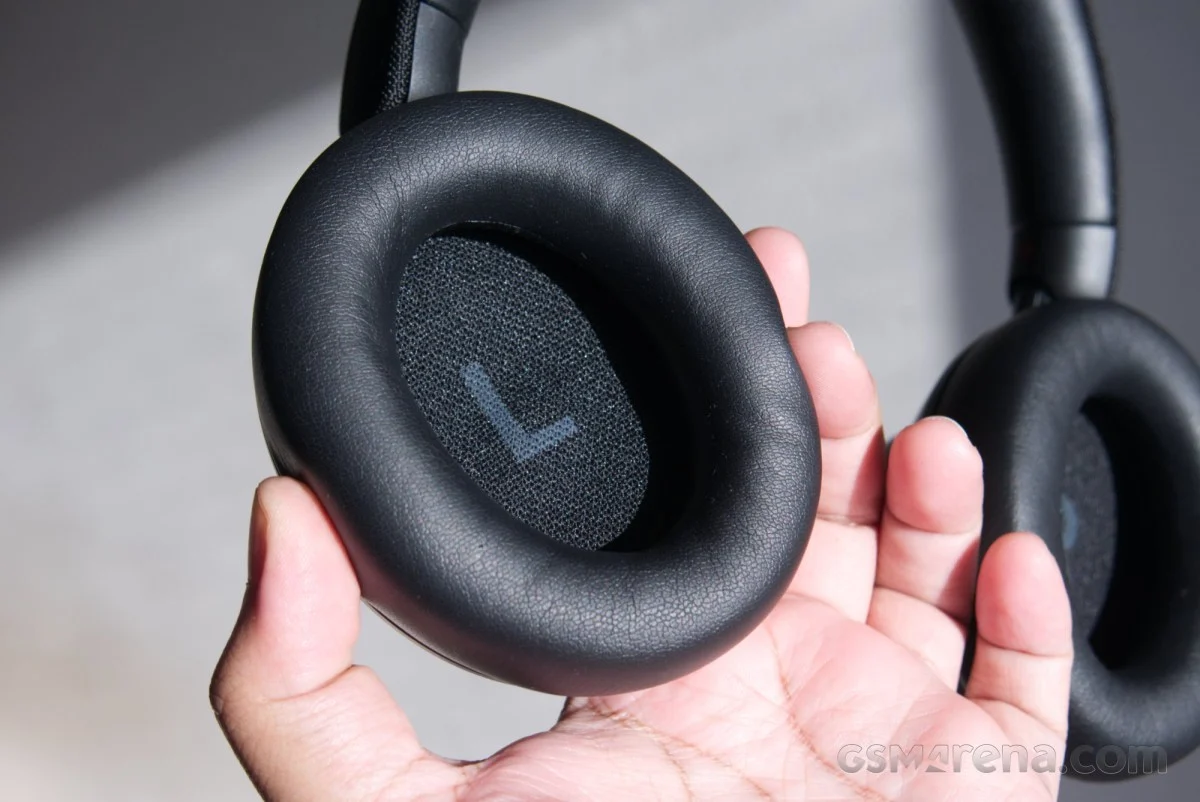
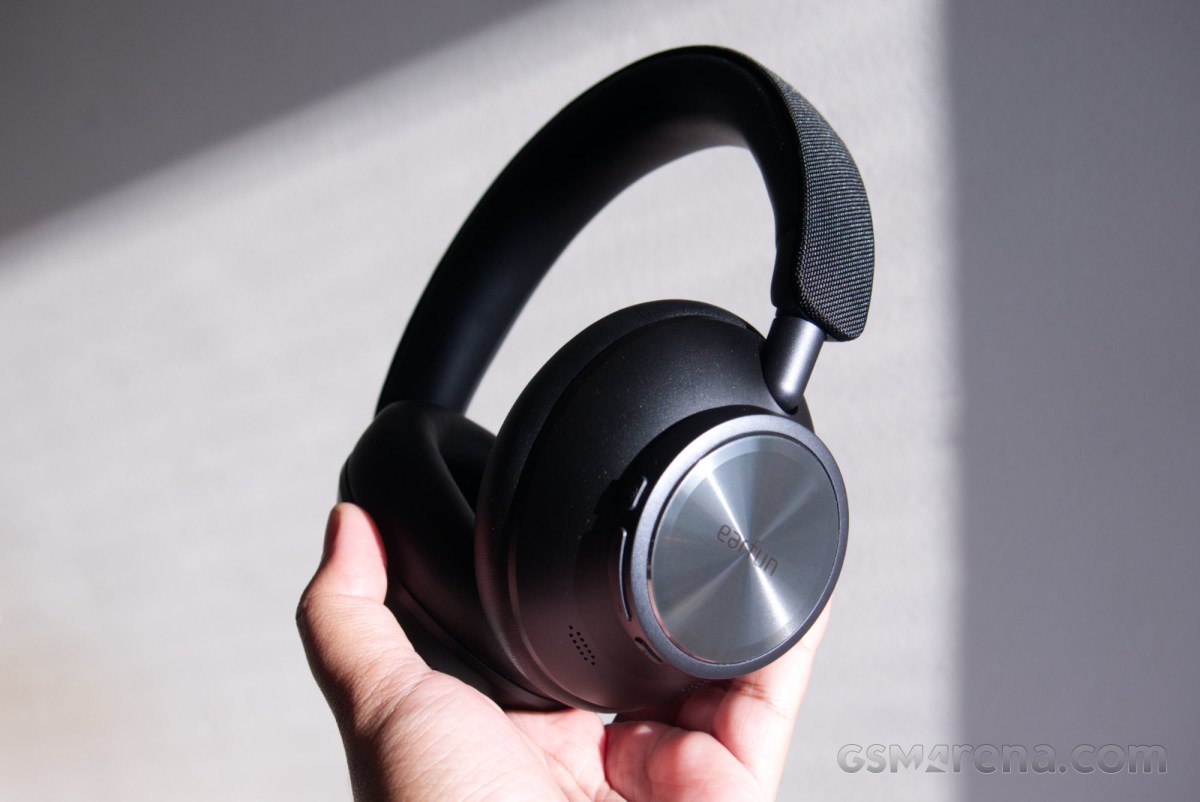
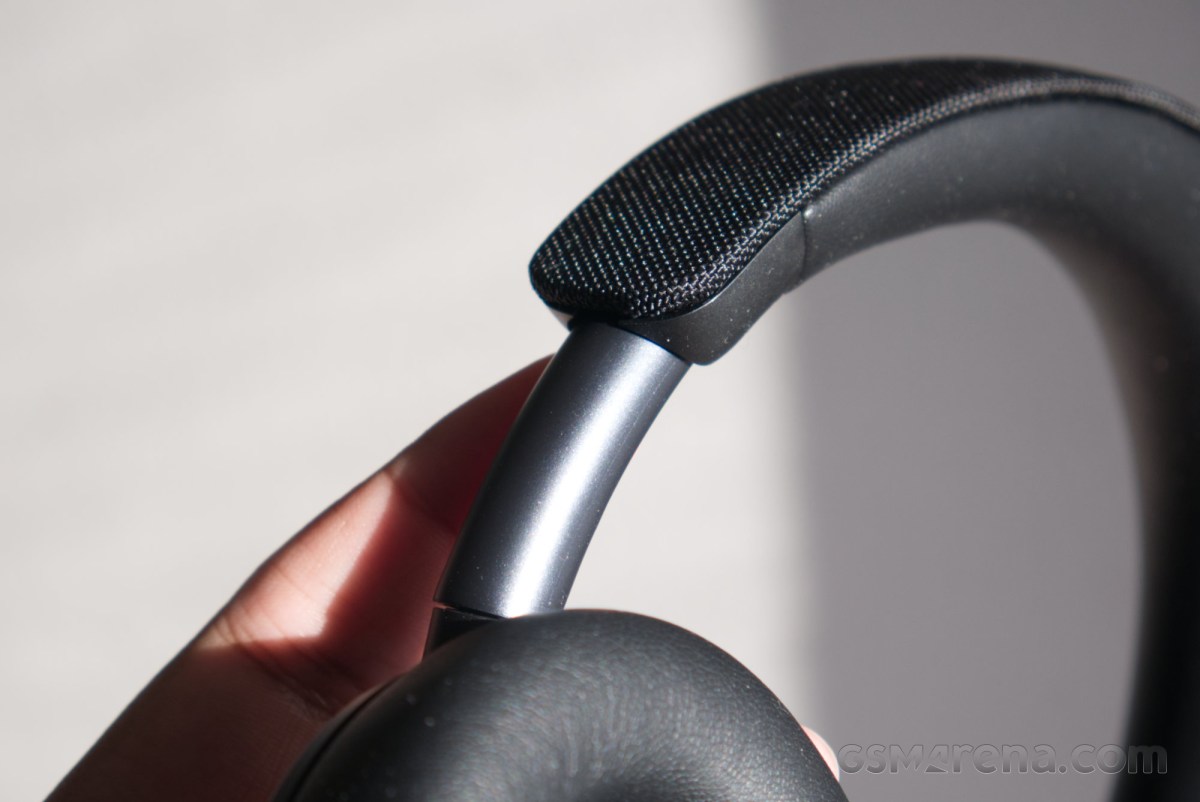
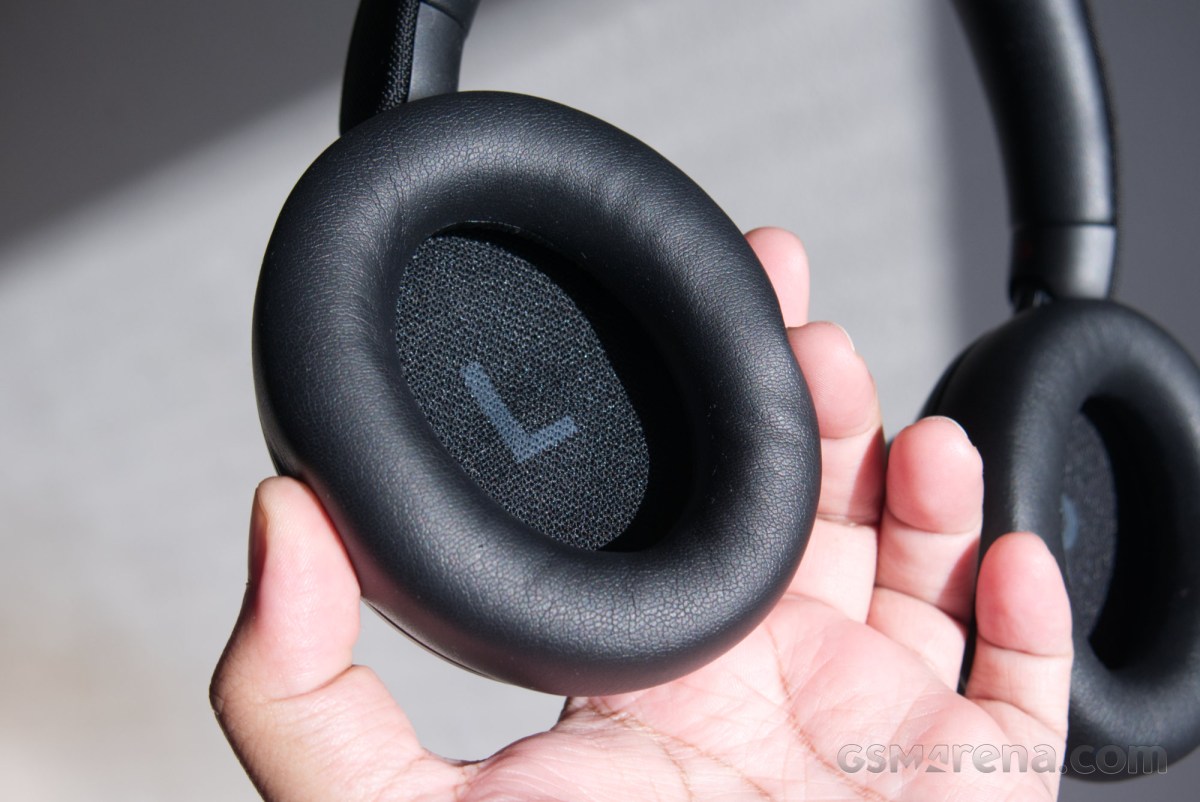
The physical design of the Wave Pro X leans into a minimalist, modern aesthetic. The matte-finished, angled earcups are accented by spun-metal circular plates, providing a tactile contrast that avoids the "plastic-heavy" feel common in budget audio equipment. From an ergonomic perspective, the headphones feature high-density foam padding wrapped in soft-touch fabric, which provides a comfortable seal for the majority of head shapes.
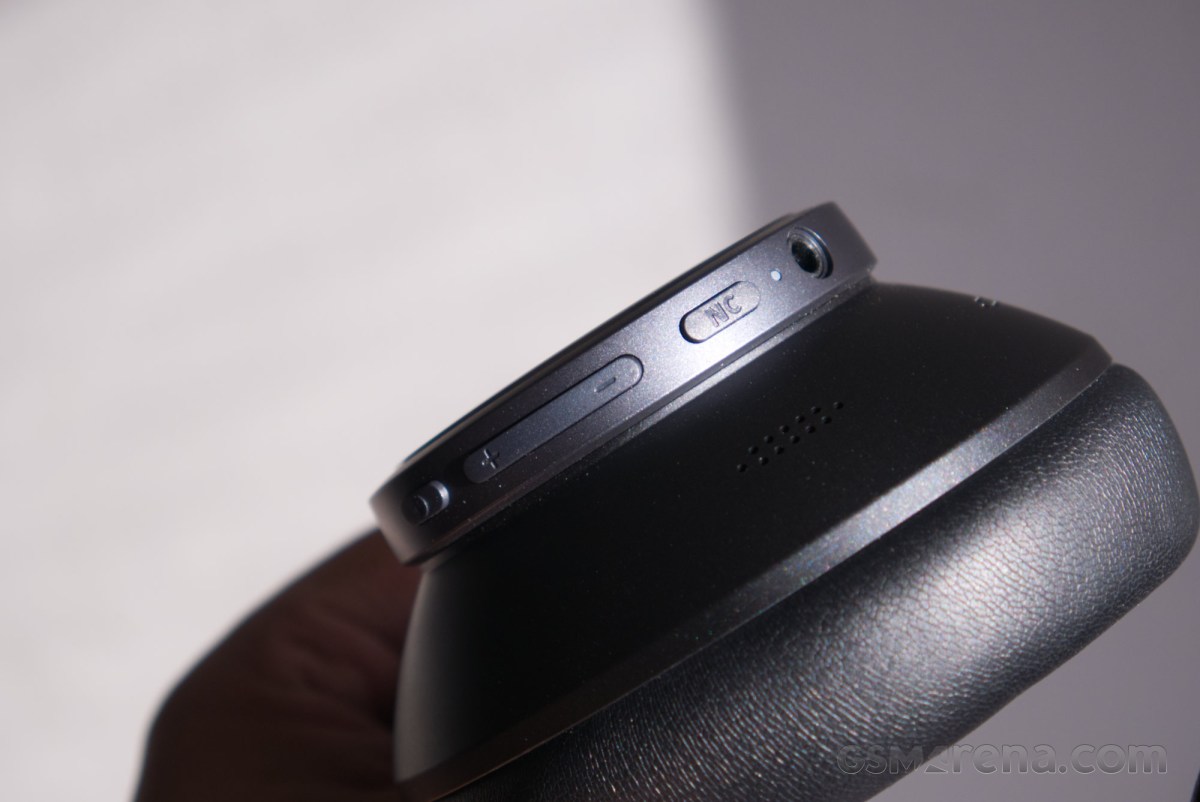
The adjustable yokes and foldable hinges reflect a design philosophy centered on portability and durability. During standard operation, the buttons located on the right earcup offer a definitive "click," providing immediate haptic feedback that helps users navigate controls without visual confirmation. Despite these positives, the product lacks an IP rating for moisture or weather resistance, which serves as a reminder of its intended use case: primarily office, transit, and home-based environments rather than high-intensity fitness or outdoor use.
Software Ecosystem and Feature Integration
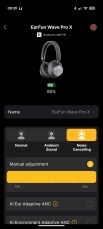
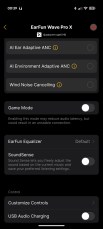
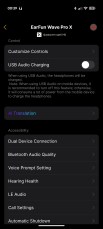
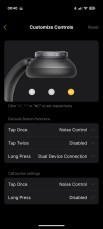
EarFun’s companion application, available on both Android and iOS, serves as the command center for the device. The software interface is remarkably intuitive, allowing users to toggle ANC modes, adjust EQ presets, and manage multi-point pairing connections. A notable inclusion is the "Game Mode," which optimizes the Bluetooth connection to reduce latency—a critical feature for competitive gaming and video synchronization.

However, the application’s reliance on user account registration for specific features—such as the AI-powered voice translation and the "Professional EQ" suite—has prompted some debate among users. While these features add utility, the gating of software functionality behind account creation represents a growing trend in consumer hardware, prioritizing data-driven ecosystems over purely offline functionality. The translation feature, while impressive in concept, relies on cloud-based processing, necessitating a stable internet connection to perform real-time speech translation.

Acoustic Performance Analysis
Despite the impressive specifications and high-quality hardware components, the audio performance of the Wave Pro X presents a significant challenge for audiophiles. The frequency response is heavily weighted toward a "warm" signature, characterized by a substantial boost in the mid-bass regions. While this provides a rhythmic, punchy foundation for electronic or hip-hop tracks, it often comes at the expense of clarity in the mids and highs.

The most critical observation is the lack of "pinna gain"—the natural amplification of sounds between 1 kHz and 8 kHz that our ears experience in a real-world environment. In professional studio monitors or balanced-tuned headphones, manufacturers typically account for this by elevating those frequencies to compensate for the fact that the sound is delivered directly into the ear canal. The Wave Pro X, by failing to adequately emphasize this range, results in a soundstage that feels "dark," "muffled," and somewhat boxy.
For the average consumer, this sound profile may feel comfortable and non-fatiguing for long listening sessions. However, for those seeking analytical detail or acoustic transparency, the lack of upper-midrange energy creates an unfocused presentation where instruments and vocals feel veiled. The activation of ANC appears to further compound this effect, slightly altering the pressure inside the ear cups and tightening the perceived soundstage even further.
Microphone and ANC Performance
The noise cancellation performance is categorized as "adequate" for the price point. The system effectively neutralizes low-frequency, continuous sounds such as airplane engines or air conditioning hums. However, it struggles with transient, high-frequency noises, such as human voices or clacking keyboards, which frequently bypass the ANC algorithm.

The microphone array performs reliably for teleconferencing. In quiet environments, the voice reproduction is clear, though the volume levels can be somewhat muted. In noisier environments, the microphone struggles to completely isolate the user’s voice from ambient noise, though the "sidetone" feature—which allows the user to hear their own voice through the headset—is a welcome addition that mitigates the sense of isolation during long calls.

Broader Implications and Market Outlook
The EarFun Wave Pro X is a case study in the current state of the mid-range audio market. It proves that manufacturers can now easily supply high-end features like aptX Lossless, dual-driver arrays, and robust mobile applications at a price point that was once reserved for entry-level products.

However, the device also illustrates that hardware-level excellence does not automatically translate to acoustic excellence. The tuning philosophy applied to the Wave Pro X appears to be a deliberate choice rather than a technical limitation, likely aimed at the general consumer who prefers a bass-forward sound signature. For EarFun to transition from a "value" brand to a "prestige" brand, future iterations will likely need to refine their digital signal processing (DSP) to offer a more neutral, balanced frequency response.

Ultimately, the Wave Pro X is a highly capable, well-built, and feature-dense pair of headphones that will satisfy users who prioritize connectivity and comfort over strict sonic accuracy. While the audio profile may not suit every listener, the sheer value proposition provided by the included hardware makes it a significant contender in the $130 price segment. As the industry continues to evolve, the ability to balance such rich feature sets with a refined, high-fidelity sound profile will be the defining factor for the next generation of flagship audio devices.