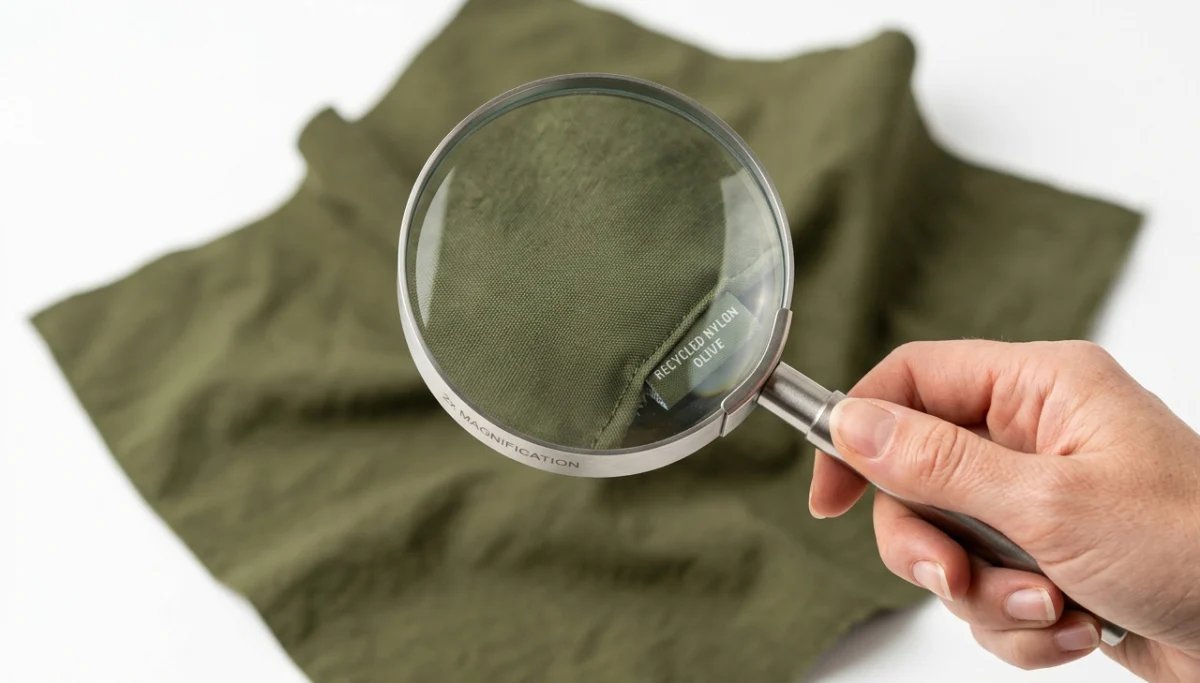
When consumers browse specifications for a new backpack, travel duffel, or everyday messenger bag, few metrics command as much attention as the denier rating. Often plastered across marketing materials as a primary indicator of ruggedness, a high denier number—such as 1000D or 1680D—is widely assumed to guarantee a superior, indestructible product. However, according to material science experts and seasoned gear designers, this widespread industry assumption is fundamentally flawed. A higher denier does not inherently equal a better fabric; the reality of textile engineering is far more nuanced, complex, and dependent on factors far beyond simple yarn weight.
The Carryology educational series, specifically its ongoing Carry 101 curriculum, has turned its analytical focus toward decoding textile specifications. In a newly released educational video and accompanying breakdown titled "How do you read a fabric?", industry specialists examine why consumers and even novice designers frequently misinterpret fabric metrics. By looking past marketing buzzwords, the series aims to educate the public on how to accurately evaluate textiles based on their actual structural composition, weave density, and intended real-world applications.
Deconstructing Denier: What the Metric Actually Measures
To understand why traditional assumptions about denier fail, one must first examine the definition of the term itself. Denier (abbreviated as D) is a unit of measurement used in the textile industry to determine the linear mass density of fibers. Specifically, one denier is equal to the mass in grams of 9,000 meters of that fiber or yarn.
Crucially, denier measures weight and thickness, not intrinsic strength, tear resistance, or overall durability. A 500D nylon yarn is simply heavier and thicker than a 210D nylon yarn. While a thicker yarn can sometimes contribute to a more robust fabric, it does not tell the whole story. The final performance of a textile is dictated by a complex interplay of variables, including the quality of the raw polymer, the specific species of the synthetic fiber, the tightness of the weave or knit, and the chemical treatments or coatings applied to the finished material.
Consequently, when factoring in fiber type and weave engineering, a lower denier fabric can frequently outperform a higher denier alternative. For instance, high-tenacity nylon or specialized ultra-high-molecular-weight polyethylene (UHMWPE) fibers woven at a lower denier can offer superior tensile strength, abrasion resistance, and puncture protection compared to a thick, low-grade polyester boasting a much higher denier rating.
The Evolution of Bag Design and Material Literacy
The misunderstanding of technical specifications is deeply rooted in the history of outdoor and military gear manufacturing. For decades, legacy brands relied heavily on heavy-duty Cordura nylon—traditionally manufactured in 1000D specifications—to communicate military-grade toughness to consumers. This association created a psychological anchor in the marketplace: heavy felt equaled durable, and light felt equaled fragile.
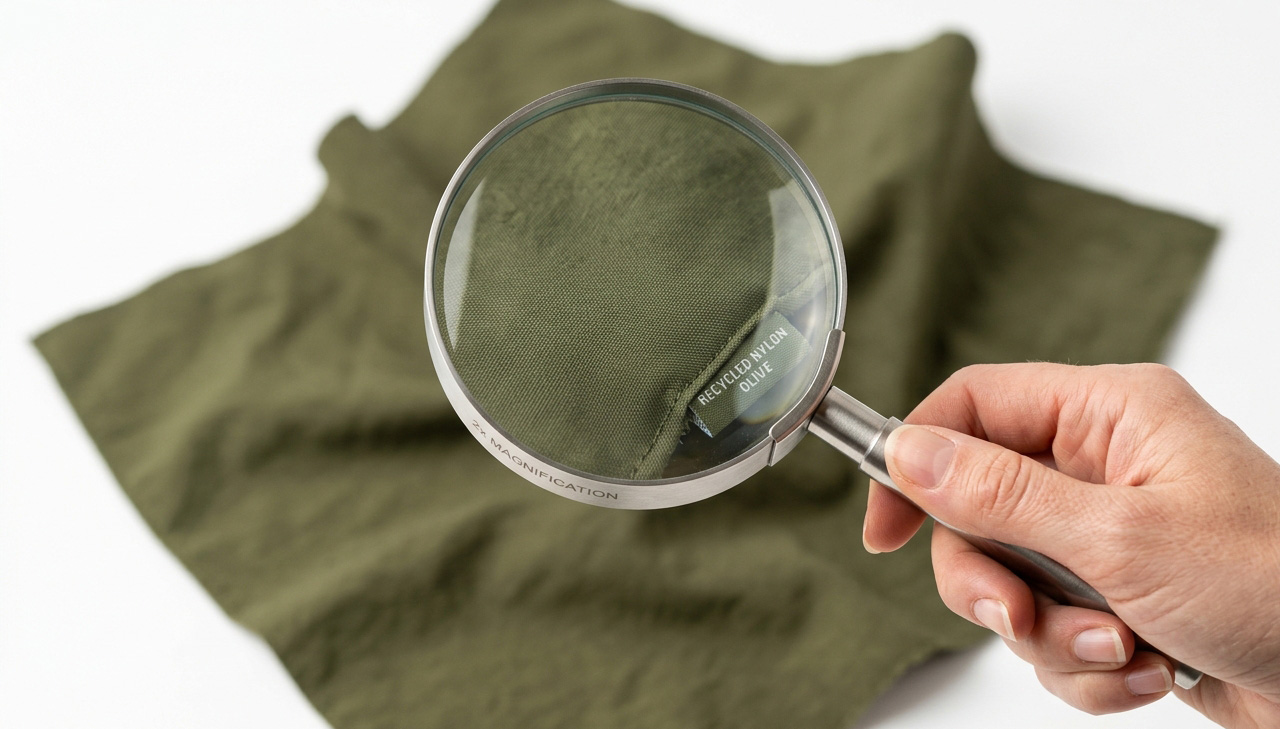
As the carry goods industry evolved over the past fifteen years, driven by the rise of urban commuting, technical EDC (Everyday Carry) culture, and lightweight backpacking, the demands placed on materials shifted dramatically. Modern users expect their bags to be exceptionally durable while remaining lightweight, water-resistant, and aesthetically streamlined.
This tension forced textile manufacturers to innovate. Modern high-performance fabrics now utilize advanced weaving techniques, such as ripstop grids, and blend synthetic polymers like nylon 6,6 with aramids or liquid crystal polymers. Despite these massive leaps in material science, consumer education has largely lagged behind. Many buyers continue to make purchasing decisions based almost entirely on denier numbers, occasionally paying a weight penalty for heavy, outdated fabrics that offer no real-world performance advantage over their lighter, technologically advanced counterparts.
Key Metrics That Matter Beyond Denier
When selecting materials for a high-performance bag build, professional designers and material engineers look past the denier rating to evaluate a broader suite of specifications. Understanding these metrics is essential for anyone seeking to decode a fabric specification sheet:
- Tensile Strength and Tenacity: Measured in pounds-force or Newtons, this indicates how much pulling force a fabric can withstand before snapping. High-tenacity yarns undergo specialized drawing processes that align the polymer chains, resulting in dramatic increases in strength without requiring an increase in denier.
- Fiber Composition: Not all synthetic fibers are created equal. Nylon (polyamide) generally offers superior elasticity, abrasion resistance, and elongation-at-break compared to polyester, making it the preferred choice for high-stress load-bearing areas. Meanwhile, specialty fibers like Dyneema or Spectra offer extraordinary strength-to-weight ratios that dwarf conventional nylons entirely.
- Denier vs. Tenier and Filament Count: The number of individual filaments making up a yarn significantly impacts hand-feel, drape, and tear propagation. A yarn with a high filament count (microfilament) will often weave into a more pliable, tear-resistant fabric than a coarse single-filament yarn of the exact same denier.
- Weave Structure: Plain weaves, twill weaves, and ripstop weaves distribute stress differently across a textile. A ripstop weave, identifiable by its grid pattern of thicker reinforcement threads, is specifically engineered to halt the propagation of tears, preventing a small puncture from turning into a catastrophic structural failure.
- Denier and Denier-Equivalent Coatings: Face coatings (such as DWR, polyurethane, or silicone) and backings (such as heavy TPU or PVC laminates) add substantial weight and alter the physical properties of the base fabric. Evaluating a fabric purely by its uncoated denier ignores how these chemical enhancements influence weather resistance and longevity.
Industry Implications and the Shift Toward Transparency
The ongoing educational push by platforms like Carryology highlights a broader movement within the specialized gear industry toward radical transparency and consumer literacy. As boutique and mainstream carry brands alike experiment with exotic technical laminates, recycled post-consumer yarns, and bio-based polymers, educating the consumer base has become a commercial necessity.
Brands that fail to communicate the true performance characteristics of their materials risk losing market share to agile competitors who provide deep-dive technical breakdowns. Conversely, brands embracing material transparency are finding an increasingly sophisticated audience of consumers—engineers, photographers, outdoor enthusiasts, and urban professionals—who demand data-backed justifications for why a specific fabric was chosen for a specific application.
Ultimately, the lesson of the denier debate is clear: there is no single magic number that defines the quality of a carry good. Evaluating a bag requires looking past the marketing shorthand of high denier ratings and understanding the holistic synergy of fiber, weave, weight, and construction. As educational resources continue to demystify these technical foundations, consumers are better equipped than ever to make informed, value-driven investments in the gear they carry every day.