Event photography serves as a critical pillar of modern visual communications, bridging the gap between fleeting human experiences and permanent archival records. Whether documenting high-stakes corporate conferences, intimate wedding ceremonies, or large-scale public festivals, the professional event photographer operates at the intersection of photojournalism, portraiture, and commercial documentation. As the demand for high-quality, real-time content grows, the role has evolved from a passive observer to an active, strategic partner in event storytelling.
The Professional Evolution of Event Documentation
The professionalization of event photography is reflected in the current market shift toward rapid turnaround times. Data from industry analysts suggests that corporate clients now expect digital asset delivery within 24 to 48 hours to facilitate social media engagement and press releases. This shift has necessitated a fundamental change in how photographers approach their technical workflow.

Background context for these assignments often dictates the photographer’s behavior. For instance, in a corporate setting, the objective is frequently to demonstrate ROI (Return on Investment) through images showing high attendance, active engagement, and brand visibility. In contrast, social events rely on the emotional resonance of candid interactions. The photographer must balance these objectives while navigating the inherent unpredictability of live environments.
Essential Gear and Technical Infrastructure
The modern kit for an event professional is characterized by its versatility and reliability. A standard industry configuration typically centers on a full-frame mirrorless camera body, prized for its silent electronic shutter—a feature that allows photographers to work in quiet environments, such as during keynote speeches or religious ceremonies, without causing distraction.
A primary lens choice remains the 24-70mm f/2.8 zoom, which provides the focal flexibility required to move from wide-angle room shots to tighter, portrait-style captures without switching lenses. According to field reports from professional associations, secondary bodies are considered a baseline requirement, not a luxury, as the risk of mechanical failure during a "one-time-only" event is a liability that clients are rarely willing to accept.

Supporting hardware has similarly evolved. The transition from bulky, tripod-based setups to mobile, handheld lighting solutions is evident. On-camera flash units are increasingly used in tandem with wireless off-camera triggers to provide a more natural, studio-quality look while maintaining the speed required for dynamic environments. Memory card redundancy is a critical technical safeguard, with professionals now exclusively utilizing dual-slot recording to protect against data corruption.
Strategic Workflow and Timeline Management
A successful event shoot follows a structured chronology, often beginning long before the doors open. Pre-event reconnaissance—scouting the venue for light sources, entry points, and potential "choke points" for crowd movement—is standard practice for seasoned professionals.
The operational timeline during an event typically follows this pattern:

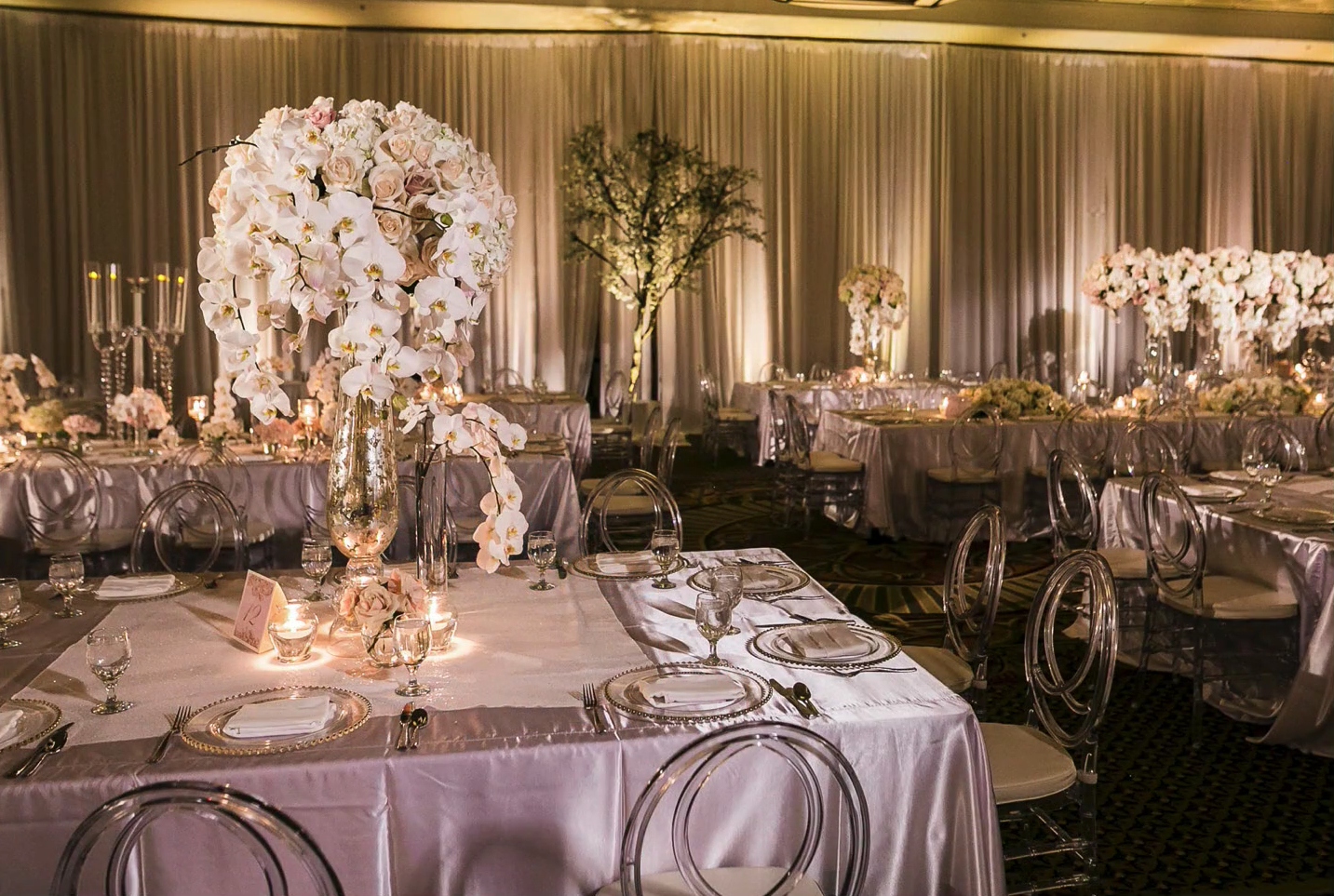
- The Setup Phase: Capturing the "clean" room, including decor, staging, and branding elements, before the arrival of attendees. This requires high-level coordination with event planners to ensure these shots are completed before the "guests in" mark.
- The Arrival and Networking Phase: Documenting the atmosphere, focusing on guest interactions, and capturing the energy of the room.
- The Main Event/Programmatic Phase: Covering speakers, entertainment, and key presentations. This phase demands strict adherence to the event agenda.
- The Post-Event/Candid Phase: Capturing the relaxed, organic interactions that define the closing of the event.
Industry Perspectives on Client Relations
Industry experts frequently emphasize that the value of an event photographer lies as much in their soft skills as in their technical prowess. "The ability to read a room is the defining trait of a veteran photographer," notes a representative from a leading photography industry guild. "You are not just a technician; you are an ambassador for the client."
When asked about the challenges of the profession, many practitioners cite the balance between assertiveness and invisibility. The directive to "capture the moment" often requires the photographer to anticipate human behavior—predicting when a speaker will gesture, when a laugh will break out, or when a group will naturally coalesce for a photo. This requires a proactive, rather than reactive, approach to composition.
Managing Environmental Challenges
Lighting remains the most significant technical hurdle in the field. Venues are frequently characterized by erratic, mixed-color-temperature lighting—a combination of warm tungsten, cool daylight, and vibrant neon stage lights. Professionals address this by utilizing sophisticated white-balance management and, when necessary, flash-gel systems to color-match their artificial light to the ambient environment.

Spatial constraints present another common challenge. As event venues become more crowded, the ability to maneuver with a minimal footprint is vital. The use of monopods for stabilizing low-shutter-speed shots in dark ballrooms, combined with the use of smaller, prime lenses for specific segments of the event, allows for maximum agility.
The Shift Toward Digital Post-Production
The conclusion of the event is merely the beginning of the production cycle. The industry standard has trended toward "live-editing," where a selection of images is culled and color-corrected on-site for immediate distribution. This requirement for speed has significant implications for post-production workflows.
Professional photographers now utilize advanced software tools for batch processing, allowing them to apply consistent presets to thousands of images in minutes. The implication of this shift is that the photographer must be proficient not only in light management but in digital asset management (DAM) and metadata tagging. Clients increasingly demand that images be delivered with descriptive file names and accurate keyword metadata for use in large-scale digital libraries.
Broader Impact and Industry Future
The long-term impact of high-quality event photography is substantial. For corporate entities, these archives serve as a visual repository for annual reports, website content, and internal communications, effectively documenting the growth and culture of the organization. For social clients, these images form a permanent family legacy.
Looking forward, the integration of artificial intelligence into the photography workflow is expected to further streamline the process. Technologies that can automatically cull blurry shots or suggest optimal crops are already entering the mainstream, though industry consensus remains that the human element—the ability to interpret emotion and anticipate the "decisive moment"—cannot be replicated by algorithms.
In summary, professional event photography is a demanding, high-pressure discipline that requires a mastery of technical equipment, an innate sense of timing, and the ability to manage complex interpersonal relationships. As events continue to serve as the primary venues for human connection and business networking, the role of the photographer as a professional witness will remain indispensable. By adhering to rigorous preparation, technical discipline, and a client-first service mentality, photographers can ensure that even the most fleeting moments are preserved with the quality and impact they deserve.